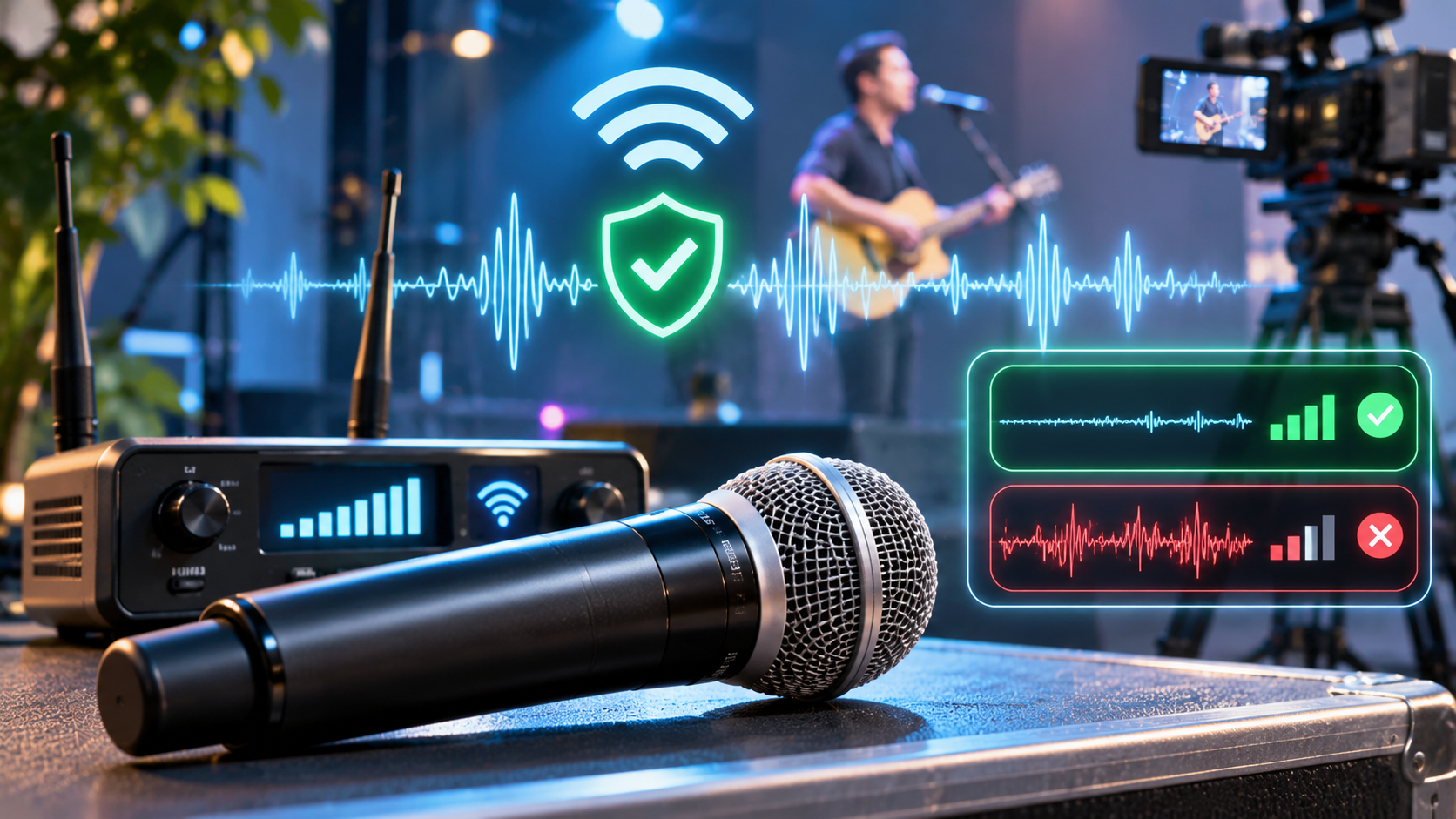
Wireless Microphone Signal Stability is a vital aspect that can make or break a performance, whether in a live concert or a corporate event. The reliability of audio signals transmitted wirelessly ensures that the audience receives clear and uninterrupted sound. With the rise of wireless technology, understanding the factors that affect signal stability has never been more crucial for both performers and technicians alike. In this discussion, we will explore the importance of signal stability, its influencing factors, and the implications for audio quality and user experience.
As we delve deeper, we will uncover examples where inadequate signal stability has led to disruptions, how various environmental conditions come into play, and the technical specifications that can enhance performance. Moreover, we will also offer troubleshooting tips for common issues and best practices to maintain optimal signal conditions in wireless microphone systems.
The Importance of Signal Stability in Wireless Microphones
Signal stability is a crucial aspect of wireless microphone technology that significantly influences the overall performance and user experience. When performing live or recording in various environments, having a reliable and consistent audio signal is essential. Signal stability affects not only the clarity and fidelity of the audio but also the confidence of the performers and technicians using the equipment. Fluctuating or unstable signals can lead to interruptions, dropouts, and degradation in sound quality, which can be detrimental in professional settings.
The impact of signal stability on audio quality and user experience cannot be overstated. A stable wireless microphone system ensures that audio is transmitted clearly and without interference. This creates a seamless experience for both the performer and the audience. When signals are stable, the audio captured is rich, full, and devoid of unwanted noise or distortion. Conversely, poor signal stability can lead to a range of issues, including static, echoes, or complete signal loss. These problems can create frustration for performers and may diminish the audience’s enjoyment.
In live performances, for example, a musician relying on a wireless microphone may experience issues that stem from poor signal stability. Imagine a singer on stage whose microphone drops out mid-performance due to interference from nearby electronic devices or obstacles between the transmitter and receiver. This not only disrupts the flow of the show but can also embarrass the performer and alienate the audience. Such scenarios demonstrate the necessity of having a robust signal stability mechanism in place.
“Reliable signal stability is the backbone of any wireless microphone system, ensuring that performances are not only heard but felt.”
Another scenario where signal instability can be detrimental is during corporate presentations or public speaking events. A speaker using a wireless microphone may find their audio cutting in and out, leading to confusion and distraction for the audience. This can diminish the speaker’s credibility and undermine the message they are trying to convey. In such situations, the impact of unstable signals extends beyond mere audio quality; it can affect the overall effectiveness of communication.
Moreover, environments filled with competing radio frequencies, such as concert venues or conferences, can challenge wireless microphone users. The presence of multiple wireless devices can lead to frequency interference, causing unstable signals and affecting sound quality. For instance, during a live music festival, if multiple bands use wireless systems on overlapping frequencies, their signals may conflict, leading to unpredictable performance outcomes.
In summary, the critical role of signal stability in wireless microphones is evident in its direct influence on audio quality and user experience. Ensuring stability not only enhances sound clarity and reliability but also bolsters the confidence of performers and speakers, allowing them to engage their audience effectively without fear of technical mishaps.
Factors Affecting Wireless Microphone Signal Stability
Wireless microphones have gained immense popularity for their flexibility and convenience in various applications, from live performances to presentations. However, signal stability can be significantly influenced by various environmental factors. Understanding these factors is crucial for optimizing performance and ensuring seamless audio transmission.
Several environmental conditions affect the stability of wireless microphone signals. Key factors include physical obstructions, interference from other electronic devices, and the distance between the transmitter and receiver. Each of these elements can lead to signal degradation, dropouts, or a complete loss of audio, necessitating awareness and mitigation strategies to maintain a reliable wireless transmission.
Physical Obstructions and Interference
Physical obstructions and electromagnetic interference are paramount concerns in maintaining strong wireless microphone signals. Walls, furniture, and even people can obstruct the line of sight between the transmitter and receiver, causing significant signal loss.
– Physical Obstructions:
– Dense materials such as concrete or metal can severely weaken wireless signals. For instance, in a theater setting, if the transmitter is behind a thick curtain or located on the opposite side of a solid wall, it may struggle to connect with the receiver, leading to audio dropouts.
– Interference:
– Other electronic devices can emit signals that interfere with the operation of wireless microphones. For example, Wi-Fi routers, Bluetooth devices, and even microwaves can produce interference, making it critical to select an operating frequency that minimizes overlap with other devices.
– Distance Impact:
– As the distance between the microphone and the receiver increases, signal strength diminishes. A real-world example can be found in outdoor events where performers move far from the stage. A singer using a wireless system may experience audio cuts if they venture too far from the receiver, underscoring the importance of keeping a close range whenever possible.
Real-World Cases Illustrating Signal Stability Factors
Examining real-world scenarios can provide a clearer understanding of how these factors influence wireless microphone performance.
1. Corporate Conference:
In a large corporate conference held in a convention center, a presenter using a wireless microphone encountered dropouts due to interference from nearby Wi-Fi networks. The event organizers had not properly coordinated frequency usage, resulting in significant disruptions during the presentation.
2. Live Concert:
At a live concert, a lead vocalist experienced issues when moving to the back of the stage, where a solid wall separated the performer from the sound engineer. The physical obstruction led to significant audio loss, highlighting the need for strategic placement of receivers and consideration of physical barriers in the venue.
3. Theatrical Production:
During a theatrical performance, actors wearing wireless microphones faced interference because of nearby lighting equipment operating on the same frequency band. This interference caused audible distortions and dropouts, revealing how critical it is to manage frequencies effectively in multi-device environments.
Understanding and addressing these environmental factors is essential for ensuring optimal performance of wireless microphones. By carefully considering the physical layout, potential interference sources, and the distance involved, users can enhance the reliability of their wireless audio systems, leading to a smoother and more professional experience.
Technical Specifications for Enhancing Signal Stability
Wireless microphones have transformed the way audio is captured, providing freedom of movement and flexibility for performers and presenters. However, the effectiveness of these devices largely hinges on their signal stability, which is influenced by various technical specifications. Understanding these specifications is crucial for users who depend on reliable audio transmission in diverse environments.
Key Technical Features for Improved Signal Stability
Several technical features play a pivotal role in enhancing the signal stability of wireless microphones. These include modulation techniques, frequency ranges, and antenna designs. Each of these elements contributes uniquely to the overall performance of the microphone in real-world applications.
Modulation techniques determine how audio signals are transmitted over radio waves. Common methods include Frequency Modulation (FM) and Digital Transmission. FM is widely used for its resilience against noise, making it less susceptible to interference. Digital transmission, on the other hand, employs advanced encoding methods that can offer clearer sound quality and reduced latency, which is vital for live performances.
The frequency range is another critical specification that can greatly affect signal stability. Wireless microphones typically operate in specific frequency bands, such as UHF (Ultra High Frequency) or VHF (Very High Frequency). UHF bands, for instance, provide a larger number of channels and are less prone to interference from other devices, making them ideal for crowded environments like conference halls or concert venues.
Antenna design is equally important. The shape, size, and type of antennas can influence the reception quality and coverage area of the microphone. For example, directional antennas focus the signal in a specific direction, improving range and reducing the likelihood of dropouts from sources of interference. In contrast, omnidirectional antennas capture sound from all directions, offering flexibility but may require careful placement to avoid obstructions.
The importance of these specifications cannot be overstated. Users rely on the seamless performance of wireless microphones, particularly in professional settings where audio clarity and reliability are paramount. A well-designed wireless microphone system, equipped with advanced modulation techniques, optimal frequency ranges, and effective antennas, ensures that the sound quality remains consistent, regardless of environmental challenges. This ultimately enhances the user experience, whether on stage or in a studio setting, making it essential to consider these specifications when selecting a wireless microphone system.
Troubleshooting Signal Stability Issues
Wireless microphones enhance communication for various events, but signal stability issues can disrupt performance. Identifying and resolving these problems is crucial for maintaining audio quality. Users can benefit from a systematic approach to troubleshoot issues, ensuring they are prepared for any signal instability that may arise during use.
Common Signal Stability Problems
Signal stability issues can arise from a multitude of factors. Understanding these problems allows users to address them effectively. Here are some common troubleshooting steps for wireless microphone users:
- Interference from Other Devices: Wireless microphones operate on specific frequencies, and interference from other electronic devices can cause signal drops. For example, if a microphone is tuned to a frequency that overlaps with a nearby Wi-Fi router, it may experience interruptions. To resolve this, it’s advisable to change the channel on the microphone system to one that is less crowded. Users can also perform a frequency scan to identify the clearest channel.
- Low Battery Levels: A common but often overlooked issue is low battery power in the microphone or receiver. Users should always check battery levels before use. If the signal becomes unstable, replacing or recharging the batteries may restore functionality. Additionally, using fresh, reputable batteries can prevent performance issues.
- Distance and Obstructions: The operating range of a wireless microphone can be affected by physical barriers such as walls, furniture, or even the body of the user. If the signal cuts out when moving away from the receiver, it’s essential to ensure that the microphone is within the specified range. For example, if a microphone has a range of 100 feet, staying within this distance can avoid signal loss. Users should also aim for a direct line of sight between the transmitter and receiver whenever possible.
- Faulty Equipment: Sometimes, the issue may stem from defective microphones or receivers. Testing the equipment with another microphone or receiver can help isolate the problem. If the same issue persists with different devices, it may indicate a problem with the receiver’s antenna or connections that require professional inspection.
Identifying the root cause of signal issues often requires a process of elimination. By systematically checking each potential issue, users can pinpoint the source of instability. Keeping a log of any changes made during troubleshooting can aid in understanding the effectiveness of solutions implemented. Regular maintenance, such as checking connections and updating firmware, can also help prevent future issues, ensuring a smooth operation of wireless microphone systems.
Best Practices for Maintaining Signal Stability
Maintaining optimal signal stability in wireless microphone systems is crucial for delivering clear audio and minimizing interruptions during performances, presentations, or recordings. Users should adopt proactive maintenance strategies to ensure consistent performance and reliability of their equipment.
Regular maintenance, firmware updates, and routine equipment checks play a significant role in preserving the integrity of wireless microphone systems. Investing time in these areas can prevent unexpected issues, reduce downtime, and extend the lifespan of the devices. Here are some essential best practices to follow:
Regular Equipment Checks
Performing regular inspections of your wireless microphone systems is vital. This includes checking connections, antenna positioning, and battery levels. Equipment checks help identify potential issues before they escalate into significant problems.
- Inspect Antennas: Ensure antennas are properly connected and positioned for optimal signal reception. Misaligned antennas can lead to weak signals and dropouts.
- Check Battery Levels: Monitor battery levels regularly to avoid unexpected shutdowns. Use fresh batteries or ensure rechargeable ones are fully charged before use.
- Inspect Cables: Regularly examine cables for any signs of wear or damage. Faulty cables can introduce noise and affect sound quality.
Firmware Updates and Software Maintenance
Keeping your wireless microphone system updated with the latest firmware ensures that you benefit from enhancements and fixes provided by the manufacturer. Outdated firmware may lead to compatibility issues and unstable performance.
- Regular Updates: Check for firmware updates periodically. Many manufacturers offer simple methods to download and install updates through their websites.
- Read Release Notes: Before updating, review release notes to understand what changes or improvements have been made and how they may affect your setup.
- Backup Settings: Before applying updates, back up your current settings. This allows you to easily restore configurations if the new firmware causes issues.
Environmental Considerations
The environment in which the wireless microphone operates can significantly impact its performance. Factors such as physical obstructions, interference from other devices, and weather conditions should be taken into account.
- Minimize Obstacles: Position transmitters and receivers to minimize physical barriers that obstruct signals, such as walls or large metal objects.
- Avoid Interference: Keep wireless microphones away from other electronic devices that can cause interference. Devices like Wi-Fi routers and mobile phones can disrupt signals.
- Consider Weather Conditions: For outdoor use, be mindful of how weather conditions, such as rain or humidity, can affect equipment performance. Use protective covers when necessary.
Training and Knowledge
Ensuring that all users are knowledgeable about the equipment and its optimal operation is essential for maintaining signal stability. Training can lead to better handling of devices and understanding of features.
- Conduct Regular Training: Organize training sessions for all users to familiarize them with the equipment and best practices.
- Document Procedures: Create a manual or documentation outlining the proper use and maintenance of the equipment for easy reference.
- Encourage Feedback: Solicit feedback from users after events to identify any issues encountered and improve future handling of the equipment.
“Regular maintenance, including equipment checks and software updates, can significantly prolong the life of your wireless microphone system and improve overall performance.”
Future Innovations in Wireless Microphone Technology
The landscape of wireless microphone technology is rapidly evolving, with exciting innovations on the horizon that promise to enhance signal stability and overall performance. As user demands grow in both professional and personal settings, technology developers are pushing boundaries to ensure that wireless microphones not only meet current needs but also anticipate future challenges. Key advancements in fields like artificial intelligence (AI) and machine learning are set to revolutionize how these devices operate, delivering heightened connectivity and adaptability to changing environments.
Emerging Trends in Wireless Microphone Technology
The integration of cutting-edge technologies into wireless microphones is expected to significantly improve their functionality and performance. One of the most notable advancements is the use of AI and machine learning algorithms to optimize signal transmission. These innovations can analyze environmental conditions in real-time, enabling microphones to adjust their settings dynamically. For instance, AI can help to identify and mitigate interference from other devices, ensuring that users achieve clear audio quality even in crowded spaces.
Moreover, advancements in battery technology, such as lithium-sulfur batteries, are likely to extend the operational life of wireless microphones. These new battery types are lighter and more efficient, allowing for longer usage times without frequent recharging. With improved battery life, professionals in fields like broadcasting, live performance, and public speaking can rely on their equipment for extended periods, reducing the risk of downtime due to power issues.
Additionally, the future may see the widespread adoption of low-latency protocols like Bluetooth 5.0 and beyond, enhancing real-time audio feedback and interactivity. This is particularly crucial in live performances and broadcasting where split-second timing is essential. Enhanced connectivity options can facilitate seamless integration with other devices, such as smartphones, tablets, and computers, allowing for greater versatility in audio production.
The potential impact of these innovations on users and the industry is profound. Increased stability and reliability of signal transmission mean that performers can focus on their art without worrying about technical failures. For industries that rely heavily on clear audio, such as theater and film, the advancements in wireless microphone technology can lead to improved audience experiences and more efficient production workflows.
As we witness these developments, it’s essential to consider the implications for audio professionals. Training and adaptation will be necessary to fully leverage these new capabilities. For example, sound engineers may need to familiarize themselves with the intricacies of AI-driven systems, understanding how to interpret data and make informed decisions based on real-time feedback.
In conclusion, the future of wireless microphone technology holds tremendous promise for enhanced signal stability and creative expression. With AI and other technological advancements paving the way, users can expect a more immersive and reliable audio experience, which will undoubtedly reshape the industry landscape.
Comparing Analog vs. Digital Wireless Microphones and Their Signal Stability
Wireless microphones have revolutionized audio capture and transmission, making performances seamless and allowing for greater freedom of movement. When considering wireless microphones, one key factor that stands out is signal stability. In this discussion, we will compare analog and digital wireless microphones concerning their signal stability, looking into their advantages and disadvantages.
Signal Stability: Analog vs. Digital
Signal stability directly impacts audio quality, affecting everything from live performances to studio recordings. Analog wireless microphones use radio frequencies to transmit audio signals. They are often susceptible to interference from various sources, such as other electronic devices, physical barriers, or environmental factors. This can lead to audio dropouts or degradation in sound quality. For example, during a live concert, if an analog microphone is used in an area crowded with other wireless devices, the risk of interference increases significantly.
On the other hand, digital wireless microphones convert audio signals into digital data before transmission. This digital encoding makes them less vulnerable to interference and allows for a more stable connection. Digital systems often employ advanced error correction algorithms, which can maintain audio clarity despite potential disruptions in the signal path. A real-world instance can be seen in film productions where digital wireless mics are preferred. They can operate reliably in complex environments with multiple electronic devices without compromising audio integrity.
The following points summarize the advantages and disadvantages of both types regarding signal stability:
- Analog Wireless Microphones:
- Advantages: Generally lower in cost; simpler technology; can provide a warmer sound quality appreciated in some musical contexts.
- Disadvantages: More prone to signal degradation and interference; limited frequency response; requires more careful frequency management to avoid interference.
- Digital Wireless Microphones:
- Advantages: Superior signal stability; less interference; higher sound quality; often features encryption for secure transmission.
- Disadvantages: Higher cost; requires more complex technology; potential latency issues in certain models.
When deciding between analog and digital wireless microphones, the choice often depends on the specific requirements of the situation. For example, in environments with minimal electronic interference, such as small venues or personal use, analog microphones may suffice due to their lower cost and simplicity. However, in larger contexts like festivals or productions where numerous devices operate simultaneously, digital microphones are preferable for their robust signal stability and superior sound quality.
Ultimately, understanding the strengths and weaknesses of each type can help users make informed decisions tailored to their unique audio needs and environments.
Real-Life Applications of Wireless Microphone Signal Stability
In the modern landscape of professional audio and communication, wireless microphones have become indispensable tools across various industries. Signal stability in these devices ensures that communication remains clear and uninterrupted, enhancing performances, speeches, and broadcasts. The value of having a reliable wireless microphone system is evident in several fields, each with unique demands and challenges regarding signal integrity.
Entertainment Industry
In the entertainment sector, particularly in live performances and broadcasting, the significance of wireless microphone signal stability cannot be overstated. Musicians, actors, and presenters rely on consistent audio quality to connect with their audience and deliver an impactful performance. For instance, during concerts, artists use wireless microphones to move freely on stage, engaging with their fans. Any interruptions or signal dropouts could disrupt the flow of the show, leading to a negative experience for both performers and audience members.
In television production, hosts and guests utilize wireless microphones to ensure seamless communication during live broadcasts. A sudden loss of signal can result in awkward pauses, miscommunication, or even complete audio failure, severely affecting the show’s professionalism.
Corporate Events
Corporate events, including conferences, seminars, and presentations, also heavily rely on wireless microphone systems. Speakers often move around the stage while addressing large audiences, and a stable signal is crucial for maintaining the clarity of their message. For example, during a presentation, if the wireless microphone loses its signal, it can lead to confusion and distract from the key points being delivered.
Event planners and audio-visual teams prioritize equipment that guarantees signal stability to avoid any potential issues. In a high-stakes environment, the repercussions of an unstable signal can tarnish the company’s reputation and diminish the event’s effectiveness.
Education Sector
Educational institutions utilize wireless microphones in classrooms and lecture halls to enhance the learning experience. Teachers and lecturers rely on these systems to communicate effectively with students, especially in larger settings where traditional microphones may not suffice. A stable wireless signal ensures that students receive the information clearly, facilitating better understanding and engagement.
In a scenario where a microphone signal drops unexpectedly during a lesson, it can lead to student disengagement and misunderstanding of the subject matter. Consequently, educational outcomes may suffer, and the learning environment could become less conducive.
Healthcare Environment
In the healthcare industry, wireless microphones are often used for training sessions, patient communication, and even in surgical settings. Surgeons and medical professionals rely on these devices to communicate vital information during procedures. A stable signal ensures that critical updates are conveyed without interruption. Unstable signals in such scenarios can lead to dangerous miscommunication, potentially jeopardizing patient safety and care standards.
In summary, the implications of unstable wireless microphone signals can be far-reaching across various industries. From diminished audience experiences in entertainment to potential safety hazards in healthcare, the importance of signal stability is paramount. The meticulous design and regular maintenance of wireless systems are essential to ensure that professionals can perform their roles effectively without the worry of audio disruptions.
Final Review
In summary, understanding Wireless Microphone Signal Stability is essential for anyone involved in audio production, as it directly affects the quality of sound and the overall experience. By recognizing the factors that influence signal stability, adhering to best practices, and keeping up with technological advancements, users can significantly enhance their performances. As we move forward, the future of wireless microphones holds exciting possibilities, ensuring that audio quality will only continue to improve, providing unparalleled experiences for audiences everywhere.
FAQ Overview
What common issues affect wireless microphone signal stability?
Common issues include physical obstructions like walls, interference from other electronic devices, and distance from the receiver.
How often should I check my wireless microphone system?
It’s advisable to check your system before each performance or recording session, including inspecting batteries and connections.
Can weather conditions impact wireless microphone performance?
Yes, weather conditions such as rain or humidity can affect signal transmission and audio quality.
Are there specific frequencies I should avoid for better signal stability?
Yes, certain frequencies may be more congested due to other devices; it’s best to use frequencies that are less commonly used in your area.
How can I improve signal stability in a crowded venue?
Using directional antennas, increasing the distance from interfering devices, and choosing the right frequency can improve stability in crowded venues.