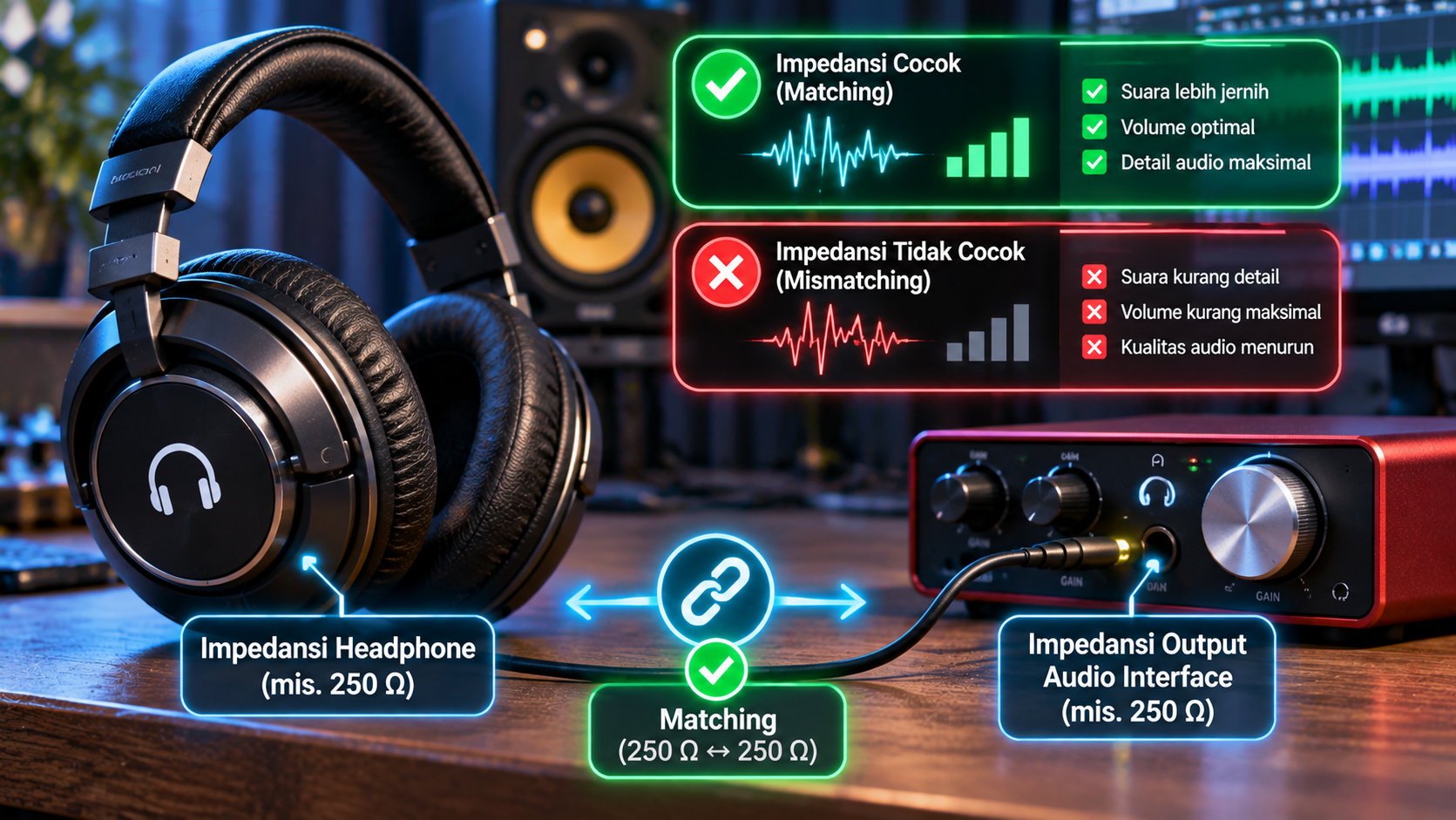
Studio Headphone Impedance Matching is a crucial concept in the audio world that can significantly influence your listening experience. By understanding how impedance works within studio headphones, you’ll unlock better sound quality and performance tailored to your audio setup. This overview dives into the fundamental aspects of impedance and its importance in achieving optimal audio results, ensuring that your headphones deliver the best sound possible, no matter the platform or equipment used.
Understanding Impedance in Studio Headphones
Impedance is a critical concept in audio equipment, particularly concerning studio headphones, as it directly influences their performance and compatibility with various audio sources. In essence, impedance measures the resistance that a device presents to the flow of audio signals, typically expressed in ohms (Ω). Understanding this aspect can significantly affect sound quality and overall listening experience.
When you connect studio headphones to an audio source, the impedance plays a vital role in how effectively the signal is transmitted. Lower impedance headphones (generally under 50 ohms) are more efficient with portable devices, providing higher volume levels without requiring excessive power. Conversely, higher impedance headphones (typically above 250 ohms) require more power to deliver the same volume level, which is often better suited for studio environments using high-quality audio interfaces and amplifiers. The mismatch of impedance can result in a loss of audio fidelity, with low impedance headphones sounding weak and high impedance ones underperforming on low power devices.
Relationship Between Impedance and Audio Signal Strength
The relationship between impedance and audio signal strength is essential for achieving optimal sound output. Impedance affects how much current flows through the headphones, which in turn influences signal strength. Here are the key points to consider regarding this relationship:
- Low impedance headphones draw more current, resulting in higher volumes even from low-powered devices, making them ideal for on-the-go listening.
- High impedance headphones require a robust amplification source to reach their full potential, ensuring rich and detailed sound reproduction.
- Using headphones with inappropriate impedance can lead to distortion or inadequate volume levels, which can compromise the listening experience.
- Impedance matching between headphones and audio sources is crucial for maximizing sound clarity, as mismatched systems can lead to a flat or unbalanced audio profile.
A key formula that illustrates the relationship between voltage, current, and impedance is Ohm’s Law:
I = V / R
where *I* is the current, *V* is the voltage, and *R* is the impedance. This formula demonstrates that as impedance increases, the current decreases for a fixed voltage, which is fundamental when considering the power requirements for studio headphones.
Understanding the interaction between impedance and audio signal strength not only aids in selecting the right studio headphones but also enhances the overall audio experience, ensuring that the true potential of audio equipment is realized.
The Importance of Matching Impedance with Audio Interfaces
Matching the impedance between headphones and audio interfaces is a fundamental aspect of achieving high-quality sound performance. Impedance is measured in ohms and essentially refers to the resistance that headphones present to the audio signal. When the impedance levels of the headphones and the audio interface are well matched, it allows for optimal power transfer, resulting in clearer sound reproduction and improved audio fidelity. This is particularly significant in professional audio environments where precision and clarity are paramount.
The technical implications of using mismatched impedance settings can lead to various audio performance issues. When headphones with a low impedance are connected to a high-impedance output, it can result in reduced volume levels and distorted sound quality. Conversely, connecting high-impedance headphones to a low-impedance output may lead to inadequate power delivery, causing a loss in dynamic range and overall sound clarity. This can create a frustrating listening experience and hinder critical audio work, such as mixing and mastering.
Examples of Impedance Matching Impact
Understanding the practical implications of impedance matching can significantly enhance audio output quality in various scenarios. Here are a few key examples illustrating the effects of proper impedance matching:
- Professional Studio Settings: In a recording studio, using high-impedance headphones (typically around 250 ohms) with a dedicated headphone amplifier designed for high impedance can result in more accurate sound reproduction, making it easier for sound engineers to make precise adjustments during recording sessions.
- Field Recording: When using portable audio interfaces with low-impedance outputs (32 ohms), pairing them with similarly low-impedance headphones ensures that the sound captured is clear and detailed. This is crucial in capturing high-quality audio in a live environment.
- Consumer Audio Gear: Many consumer audio devices are optimized for low-impedance headphones (16-32 ohms). Using high-impedance headphones in this context can lead to subpar performance, reducing the richness of the audio experience.
“Impedance matching is not merely a technical requirement; it’s the key to unlocking the full potential of your audio equipment.”
Good impedance matching ensures that the audio signal is transmitted efficiently, preserving the nuances and subtleties of the original sound. This is why understanding and ensuring proper impedance levels is essential for anyone serious about audio, whether in a professional studio or a casual listening environment.
Methods to Measure Impedance in Headphones
Accurate measurement of headphone impedance is crucial for achieving optimal performance in audio setups. Understanding the impedance can greatly influence how headphones interact with audio sources and equipment. There are several methods to measure this electrical parameter effectively, using various tools and techniques.
Measuring headphone impedance typically involves applying a known voltage across the headphone’s terminals and measuring the resulting current. This can be done using a few different methods, each with specific tools and procedures.
Using a Multimeter
One of the simplest methods to measure headphone impedance is by using a digital multimeter. This approach provides a straightforward way to obtain an impedance reading without requiring complex setups.
To measure the impedance using a multimeter, follow these steps:
- Set the multimeter to the resistance (Ω) mode. Make sure it is calibrated properly.
- Prepare the headphone by ensuring it is disconnected from any audio source to avoid damage or inaccurate readings.
- Connect the multimeter probes to the headphone’s terminals. The red probe goes to the positive terminal, while the black probe connects to the negative terminal.
- Read the resistance value displayed on the multimeter. This reading is the DC resistance of the headphones, which is a close approximation of the impedance at low frequencies.
The DC resistance measurement might not show the true impedance value at all frequencies, but it gives a good indication of the headphones’ overall impedance characteristics.
Using an Impedance Analyzer
For more precise measurements, using an impedance analyzer provides a detailed insight into how the headphones perform across different frequencies. This tool can measure both the resistive and reactive components of the impedance.
The measurement process involves the following steps:
- Connect the headphones to the impedance analyzer following the device’s instructions.
- Select the desired frequency range for the measurement. The analyzer will typically allow you to sweep across various frequencies.
- Initiate the measurement. The analyzer will send a test signal through the headphones and measure the resulting impedance.
- Review the impedance curve generated by the analyzer, which will show how impedance changes with frequency.
Impedance analyzers provide comprehensive data that can help in understanding how headphones will react with different audio equipment, making them an essential tool for audio professionals.
Safety Precautions
When measuring impedance, there are several safety precautions to keep in mind to ensure both accurate readings and user safety:
- Always ensure that headphones are disconnected from any audio source before measuring, as this can prevent electrical shock and damage to equipment.
- Handle the multimeter and impedance analyzer according to the manufacturer’s guidelines to avoid accidents.
- Do not exceed the voltage ratings of the equipment being tested, as this could lead to overheating or damaging the headphones and measuring instruments.
- Wear protective eyewear and gloves if working with equipment that has exposed wiring or components.
Taking these precautions ensures a safe measuring environment and the longevity of both the headphones and the measuring instruments.
Common Impedance Values in Studio Headphones
In the world of audio production, choosing the right studio headphones involves understanding various specifications, with impedance being a key factor. Impedance, measured in ohms (Ω), significantly influences both the performance and compatibility of headphones with different audio equipment. Knowing the common impedance values can help you determine the best headphones for your audio tasks.
The impedance rating of headphones determines how much resistance they offer to the flow of electrical current from an audio source. This resistance affects how easily the headphones can be driven by different devices, such as audio interfaces, mixers, or portable players. Here are some common impedance values found in studio headphones and their typical applications:
Common Impedance Values and Applications
Understanding the common impedance ratings can aid in selecting the appropriate headphones based on your specific needs in a studio setting. Each impedance value has its optimal use cases, which can impact both sound quality and listening experience.
- 16-32 Ω: Headphones in this range are typically designed for portable devices and consumer electronics. They require less power to achieve higher sound levels, making them suitable for mobile use and everyday listening.
- 80-150 Ω: These headphones are ideal for professional studio monitoring. They offer a good balance between portability and audio fidelity. They can be driven effectively by portable devices but also perform well when connected to audio interfaces and mixers.
- 250-600 Ω: High-impedance headphones are best suited for dedicated studio use. They require more power to drive effectively, making them a great choice for studio monitors where equipment can provide sufficient power, such as high-quality headphone amplifiers.
The choice of impedance rating can influence the sound characteristics experienced in a studio setting. Low impedance headphones typically provide higher sensitivity, allowing them to generate louder volumes with less power. This makes them ideal for mobile devices but can lead to distortion if pushed too hard when used with professional audio equipment.
On the other hand, high impedance headphones are known for their ability to handle higher volumes without distortion, offering a more accurate representation of audio. They often exhibit a wider frequency response and improved dynamic range, making them a preferred choice for critical listening and mixing tasks.
In summary, lower impedance headphones are suited for casual listening environments, while higher impedance models excel in professional studio settings.
The Role of Amplifiers in Impedance Matching
Audio amplifiers are key components in the realm of studio headphones and play a critical role in achieving proper impedance matching. Impedance matching is essential for optimizing the audio signal transmission from the amplifier to the headphones, ensuring that sound quality is preserved while preventing any damage to either component. When there’s an appropriate match between the impedance of the amplifier and that of the headphones, the result is a more accurate and dynamic sound reproduction.
Amplifiers work by boosting audio signals to a level that can drive the headphones effectively. Different types of amplifiers are designed to accommodate various impedance levels, which is vital for maximizing performance. For instance, low-impedance headphones typically require amplifiers that can deliver higher current to be driven adequately, while high-impedance headphones necessitate amplifiers with sufficient voltage output. This variation is crucial because using a mismatched amplifier can lead to distorted sound or even damage to the headphones over time.
Types of Amplifiers for Different Impedance Levels
When selecting an amplifier for studio headphones, it’s important to consider the impedance rating of the headphones. The following types of amplifiers are commonly used for different impedance levels:
- Solid-State Amplifiers are generally more suited for low-impedance headphones (16-32 ohms) due to their ability to deliver high current. These amplifiers provide a clean and powerful sound ideal for casual listening and professional applications.
- Tube Amplifiers tend to work best with high-impedance headphones (above 300 ohms). The warm sound characteristics of tube amplifiers enhance the audio experience, making them a favorite among audiophiles and musicians.
- Portable Amplifiers provide flexibility and convenience for both low and high-impedance headphones. These small, battery-operated devices are useful for on-the-go listening, ensuring a consistent sound quality without the need for bulky equipment.
The choice of amplifier not only affects the sound quality but also the overall listening experience. Using a headphone amplifier can modify the impedance characteristics of the headphones, allowing for better dynamic range and more controlled bass response. For example, connecting a high-impedance headphone to an amplifier specifically designed for low-impedance headphones may result in a lack of volume and detail.
In contrast, pairing a headphone amplifier with the appropriate impedance can yield significant improvements in clarity and richness of sound. A good amplifier will enable the headphones to perform at their best, effectively translating the nuances of the audio signal without introducing noise or distortion.
“The right amplifier can transform your listening experience, ensuring that your headphones deliver the sound they were designed to reproduce.”
Troubleshooting Impedance Matching Issues
In any studio environment, achieving proper impedance matching is crucial for optimal audio performance. When headphones are mismatched with the audio source, various issues can arise, affecting sound quality and overall user experience. Understanding common impedance-related problems and knowing how to troubleshoot them can help maintain high audio standards in your studio.
Identifying impedance matching issues involves recognizing symptoms that can indicate a mismatch. These symptoms often manifest in various forms, impacting both the quality of sound and the functionality of audio equipment. Below are some common issues encountered due to improper impedance matching:
Common Issues from Impedance Mismatch
When headphones and audio sources are not properly matched in impedance, several problems can arise, leading to a poor listening experience. The following list Artikels these common issues:
- Distorted Sound Quality: An impedance mismatch can lead to audio distortion, where certain frequencies sound more pronounced or muddy, affecting clarity.
- Volume Fluctuations: Inconsistent impedance can cause erratic volume levels, making it difficult to achieve a stable listening environment.
- Overheating Equipment: Mismatched impedance can put undue strain on audio devices, leading to overheating and potential damage over time.
- Reduced Dynamic Range: The lack of proper impedance matching can compress the dynamic range, resulting in a less engaging listening experience.
- Increased Noise Levels: Impedance issues can introduce unwanted noise, such as hissing or hum, compromising audio fidelity.
To effectively address these issues, specific troubleshooting steps can be taken. Following these steps can help identify and resolve impedance-related problems, ensuring a smoother audio performance.
Troubleshooting Steps
When experiencing issues related to impedance matching, a systematic approach can help diagnose and rectify the problem. Here’s a practical guide of troubleshooting steps:
- Check Headphone Specifications: Review the impedance rating of your headphones and ensure it aligns with the output impedance of your audio source.
- Inspect Connections: Ensure all cables and connectors are secure and free from damage. Poor connections can exacerbate impedance issues.
- Test with Different Equipment: Try using different headphones or audio sources to isolate the problem. If the issue persists across devices, the problem may lie with the audio equipment itself.
- Utilize an Impedance Matching Device: Consider using impedance matching transformers or adapters to rectify mismatches if necessary.
- Monitor Levels: Pay attention to audio levels during playback to ensure they are consistent. Adjust settings accordingly to mitigate volume fluctuations.
Preventive measures play a vital role in avoiding impedance mismatches in studio settings. Establishing best practices can greatly enhance overall audio performance.
Preventive Measures
Implementing proactive strategies can significantly reduce the risk of impedance mismatches. Here are essential preventive measures to consider:
- Use Compatible Equipment: Ensure all audio devices are compatible concerning impedance ratings. Consult specifications before purchasing new equipment.
- Maintain Cables and Connections: Regularly check and maintain audio cables and connectors to prevent wear and tear that could affect impedance.
- Educate Users: Provide training for all studio personnel on the importance of impedance matching, ensuring everyone understands how to set up equipment correctly.
- Document Setup Configurations: Maintain detailed records of equipment configurations and connections, making it easier to troubleshoot issues when they arise.
- Perform Regular Maintenance: Schedule routine checks and maintenance for all audio equipment to catch potential impedance issues before they become problematic.
By understanding the common issues and employing effective troubleshooting steps and preventive measures, studio environments can enhance audio performance while minimizing the risks associated with impedance mismatching.
Best Practices for Selecting Studio Headphones Based on Impedance
When it comes to selecting studio headphones, impedance is a crucial factor that can significantly affect your listening experience and studio performance. Understanding how impedance interacts with your audio equipment and personal preferences is essential for achieving optimal sound quality. This guide Artikels best practices to consider when choosing studio headphones based on their impedance ratings, ensuring you make an informed decision tailored to your needs.
The impedance rating of headphones influences how they interact with different audio sources. Generally, lower impedance headphones (around 16-32 ohms) are easier to drive and are suitable for portable devices like smartphones and laptops. Higher impedance headphones (above 100 ohms) require more power to reach their full potential, which makes them ideal for professional audio equipment and studio settings. It’s important to consider the audio sources you will be using with the headphones, as mismatched impedance can lead to subpar audio quality.
Considerations for Personal Preferences and Listening Styles
Your personal preferences and listening style play a significant role in selecting the right impedance for your studio headphones. Different listening environments, genres of music, and the level of detail you desire can influence your choice. Here are some key factors to consider:
- Listening Environment: If you often listen in quiet environments or studios, higher impedance headphones can provide a better sound stage and clarity, making them ideal for critical listening.
- Genre of Music: Consider the type of music you will be mixing or producing. Electronic music often benefits from the punch and precision of lower impedance headphones, while classical music might require the nuanced sound of higher impedance models.
- Volume Levels: If you prefer to listen at lower volume levels, higher impedance headphones can provide a clearer sound without distortion, making them preferable for long mixing sessions.
When evaluating headphones, it’s also essential to take into account some of the leading brands and models, as they often have distinct impedance characteristics tailored to different needs.
Comparison of Brands and Models Focusing on Impedance Characteristics
When comparing studio headphone brands, it’s beneficial to look at specific models and their impedance ratings to find the best fit for your audio needs. Here’s a look at some popular models and their impedance characteristics:
| Brand | Model | Impedance (Ohms) | Key Features |
|---|---|---|---|
| Sony | WH-1000XM4 | 16 | Active noise cancellation, long battery life, lightweight |
| Beyerdynamic | DT 990 Pro | 250 | Open-back design, excellent soundstage, comfortable fit |
| Sennheiser | HD 650 | 300 | Natural sound reproduction, premium build quality, replaceable cables |
| Audio-Technica | ATH-M50x | 38 | Versatile use, robust design, excellent isolation |
In summary, finding the right studio headphones involves a careful analysis of impedance ratings in relation to your audio equipment and personal preferences. Whether you prioritize portability, sound quality, or specific features, understanding the implications of impedance will help you select the perfect pair for your studio needs.
Best Practices for Selecting Studio Headphones Based on Impedance
When venturing into the world of studio headphones, understanding impedance ratings is key to making an informed decision. Impedance, measured in ohms, affects how headphones interact with your audio equipment, influencing both sound quality and listening experience. Selecting the right impedance can enhance performance, comfort and overall satisfaction during audio production or enjoyment.
Choosing studio headphones is not merely about numbers; it’s also about personal preferences and listening styles. Impedance ratings significantly impact how headphones perform with different audio sources. Therefore, the choice of impedance should align with equipment compatibility and personal usage scenarios.
Considerations for Impedance Ratings
Understanding various impedance ratings and their implications aids in making a well-informed decision. Here’s a brief overview of considerations when selecting studio headphones:
- High Impedance (250 ohms and above): These headphones require more power to drive them effectively, making them suitable for use with professional audio interfaces and mixing consoles. They often deliver superior sound quality with minimal distortion, particularly in controlled studio environments.
- Medium Impedance (100-250 ohms): This range offers versatility, making these headphones ideal for a mix of studio and casual listening. They can be used with a variety of devices without requiring additional amplification, thus providing a good balance between sound quality and usability.
- Low Impedance (below 100 ohms): Ideal for portable devices, these headphones are easily driven by smartphones and laptops, ensuring convenience for on-the-go listening. However, they may not perform as well in professional settings where higher fidelity is required.
Personal preferences and listening styles play a significant role in selecting the appropriate impedance. For instance, audiophiles and sound engineers often favor high-impedance headphones for their detailed sound reproduction, while casual listeners may prefer the practicality of low-impedance models.
Brand and Model Comparisons Based on Impedance
Various brands and models offer distinct impedance characteristics that cater to different user needs. Here’s a comparison of popular studio headphone options:
| Brand & Model | Impedance (Ohms) | Recommended Use |
|---|---|---|
| Beyerdynamic DT 990 Pro | 250 | Professional studio use with high-quality audio interfaces |
| Sennheiser HD 600 | 300 | Critical listening and mixing in a controlled environment |
| Audio-Technica ATH-M50x | 38 | Versatile usage including studio and casual listening |
| Sony MDR-7506 | 63 | Portable and studio use, great for on-the-go professionals |
It’s essential to match headphone impedance with the intended use case and audio source for optimal performance. Each of these models offers unique benefits, catering to various levels of audio production needs while emphasizing the significance of impedance in sound quality and compatibility.
Last Point
In conclusion, recognizing the significance of impedance matching in studio headphones empowers you to make informed decisions about your audio gear. By ensuring compatibility between your headphones and audio interfaces, you can avoid common pitfalls and enhance your overall sound experience. Whether you’re a seasoned audio professional or a passionate hobbyist, mastering impedance will elevate your sound journey to new heights.
FAQ Compilation
What is impedance in audio equipment?
Impedance refers to the resistance a device offers to the flow of electrical current, affecting sound quality and performance.
How does impedance affect headphone performance?
Impedance can influence the sound output, efficiency, and compatibility with different audio sources.
Can I use low impedance headphones with high impedance amps?
Yes, but it may result in decreased audio quality or insufficient volume levels.
What tools are needed to measure headphone impedance?
A multimeter is commonly used to measure the impedance of headphones accurately.
Are high impedance headphones better for studio work?
They can provide better sound quality in professional settings but require compatible equipment for full performance.