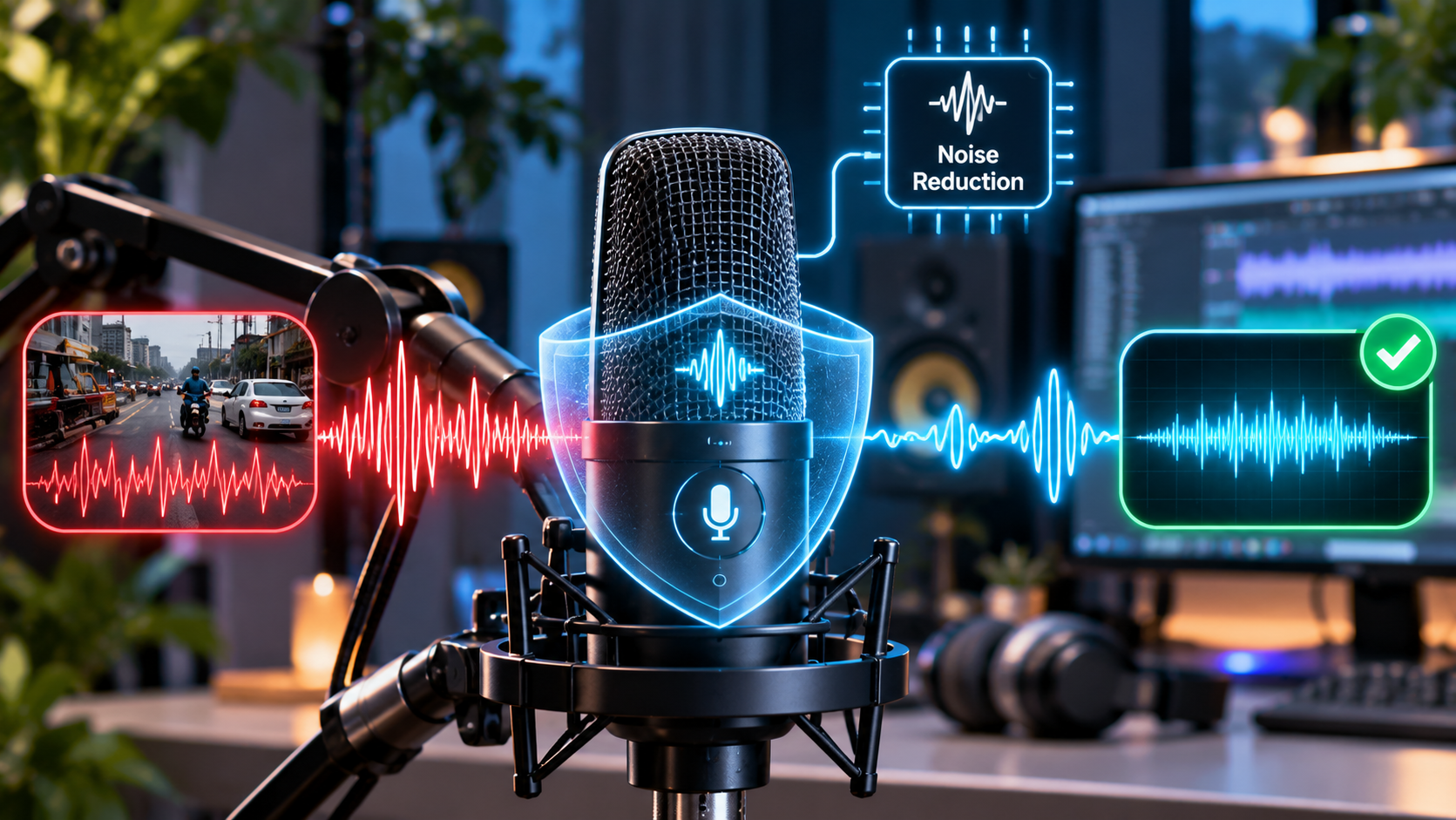
Microphone Noise Reduction Technology is revolutionizing the way we capture sound, ensuring clarity and precision in various audio recordings. Imagine a world where background noise fades away, leaving only the pure essence of sound. This technology plays a crucial role in industries such as broadcasting, music production, and even remote communication, allowing professionals to deliver high-quality audio that engages listeners.
As noise pollution becomes increasingly prevalent, the need for effective noise reduction methods is more important than ever. From bustling city streets to quiet recording studios, the ability to isolate sound and eliminate unwanted interference has become essential. This overview will delve into the critical components, techniques, and future trends in microphone noise reduction technology that are shaping the audio landscape.
The Importance of Microphone Noise Reduction Technology in Modern Audio Recording
In today’s world, where audio quality is paramount for effective communication and content production, microphone noise reduction technology emerges as a critical component. The ever-evolving landscape of audio recording necessitates clear and precise sound, as background noise can significantly detract from the intended message or experience. This technology ensures that recordings, whether for music, podcasts, video production, or voiceovers, maintain their integrity and clarity.
Noise reduction technology is essential for enhancing audio quality in various recording environments. Unwanted noise can stem from numerous sources, such as ambient office chatter, city sounds, or even mechanical hum from equipment. By integrating advanced noise-cancellation features, audio professionals can isolate the primary sound source, ensuring that the critical elements of the recording shine through without distractions. In a world increasingly reliant on digital communication, poor audio quality can lead to misunderstandings or disengagement from the audience.
Key Scenarios for Noise Reduction Technology in Recording
Microphone noise reduction technology proves vital across multiple scenarios. The following examples illustrate its importance in different industries:
- Podcasting: Podcasters often record in home studios where external noise is prevalent. Utilizing noise reduction technologies allows for a polished final product that keeps listeners engaged.
- Film Production: On-location shooting can introduce unpredictable background noise, such as traffic or crowds. Noise reduction microphones help capture crisp dialogue, enhancing the overall viewing experience.
- Telecommunications: In business environments, clear audio quality during virtual meetings is essential. Noise reduction tools ensure that participants can communicate effectively without distraction from background sounds.
- Music Recording: Musicians require a clean sound to achieve the best possible recording. Noise reduction technology minimizes interference, allowing the artistry of the music to shine through.
- Journalism: Field reporters often work in bustling environments. Advanced microphones with noise reduction capabilities help deliver clear interviews and reports, crucial for effective storytelling.
Noise reduction technology is not just a luxury; it is an essential tool for anyone in the audio recording sphere. The ability to produce clean, high-quality recordings directly impacts the effectiveness of communication in various contexts, making it a cornerstone of modern audio production.
Critical Components of Microphone Noise Reduction Systems
Microphone noise reduction technology has evolved significantly over the years, driven by the need for clearer audio in various applications, from recording studios to live performances. Understanding the core components that contribute to effective noise reduction can greatly enhance the quality of sound captured, allowing for a more immersive auditory experience. This discussion delves into the critical elements of these systems and highlights the technological advancements that have shaped their development.
Key Components of Noise Reduction Systems
The effectiveness of microphone noise reduction relies on several integral components that work in harmony to improve audio clarity. Each element plays a specific role in identifying and mitigating unwanted background noise, ensuring that the primary audio signal remains pristine. The following components are essential:
- Microphone Design: The physical structure and materials used in a microphone significantly influence its ability to capture sound accurately while minimizing noise. Directional microphones, for instance, are designed to pick up sound from specific angles, effectively reducing ambient noise from other directions.
- Active Noise Cancellation (ANC): This technology utilizes microphones to detect external noise, generating counteracting sound waves to cancel it out. ANC systems are particularly effective in environments with consistent background noise, such as airplanes or busy streets.
- Digital Signal Processing (DSP): DSP algorithms analyze the audio signal in real-time, identifying and suppressing noise frequencies. This technology enables sophisticated filters that can adapt to various sound environments, ensuring optimal performance.
- Windshields and Pop Filters: These physical accessories are designed to minimize noise caused by wind and plosive sounds. Utilizing materials that dissipate airflow can lead to clearer recordings, especially in outdoor settings.
Technological Advancements in Noise Reduction
Over the years, advancements in technology have significantly enhanced the efficacy of noise reduction methods in microphones. Each innovation has contributed to a richer and more refined sound quality. Here are some notable advancements:
- Machine Learning Algorithms: Recent developments in machine learning allow microphones to learn from their environment, improving their noise reduction capabilities through adaptive algorithms that evolve based on usage patterns.
- Multi-microphone Arrays: The use of multiple microphones in a single unit enables complex sound field analysis, allowing for directional focus and enhanced noise suppression. This is particularly beneficial in conference settings or recording studios where clarity is paramount.
- Wireless Technology: The advent of Bluetooth and other wireless technologies has facilitated the development of noise-reducing microphones that can handle audio processing without being tethered, providing flexibility and convenience.
- Enhanced Software Integration: Software developments have allowed for seamless integration of noise reduction features into mobile devices and recording applications, making high-quality audio accessible to a wider audience.
Component Synergy in Enhancing Audio Clarity
The synergy between the various components of microphone noise reduction systems is essential for achieving superior audio clarity. Each element contributes to a comprehensive approach to noise management, creating a harmonious effect that elevates sound quality.
“By leveraging the strengths of each component, microphone systems can effectively isolate and enhance desired audio signals while minimizing background interference.”
This collaborative functionality allows for the creation of microphones that not only capture sound effectively but do so in a way that maintains the integrity of the audio, making them invaluable tools for professionals across various fields, from music production to broadcasting.
Different Types of Microphone Noise Reduction Techniques
Microphone noise reduction technology plays an essential role in enhancing audio quality across various applications, from professional music production to everyday communications. By minimizing unwanted sounds, these techniques allow for clearer, more precise recordings and transmissions. This section delves into various noise reduction techniques employed in microphones, highlighting their features, advantages, and practical applications.
Passive Noise Reduction Techniques
Passive noise reduction techniques involve physical methods to block or absorb unwanted sound without electronic processing. Common forms include the use of directional microphones and acoustic shielding.
- Directional Microphones: These microphones are designed to pick up sound primarily from a specific direction while rejecting noise from others. They are particularly effective in environments with background noise, making them ideal for live events or interviews.
Directional microphones can reduce background noise by up to 20 dB, significantly improving audio clarity.
- Acoustic Shields: Acoustic shields are physical barriers placed around microphones to absorb sound waves and reduce reflections. They help create a controlled sound environment, offering clearer recordings in untreated spaces.
While passive methods are beneficial for their simplicity and reliability, they may not be sufficient in all scenarios, as they rely solely on the design and placement of the microphone.
Active Noise Reduction Techniques
Active noise reduction techniques use electronic processing to counteract unwanted sound waves. These methods are particularly useful in environments where noise levels fluctuate.
- Adaptive Filtering: This technique involves algorithms that analyze incoming audio signals in real time and adjust accordingly to minimize noise. It’s commonly utilized in communication devices and hearing aids.
Adaptive filtering can adapt to changing noise environments, providing consistent audio quality.
- Phase Cancellation: Phase cancellation uses opposing sound waves to neutralize background noise. This method is often applied in studio recordings to enhance vocal tracks by minimizing ambient sounds.
Active noise reduction can significantly improve audio clarity in noisy environments, but it usually requires more complex circuitry and power sources, which may not be practical for all applications.
Comparative Analysis of Traditional and Modern Techniques
When evaluating traditional noise reduction methods against modern digital approaches, there are distinct differences in terms of effectiveness and application.
- Traditional Methods: Techniques such as dynamic microphones and soundproofing materials have been staples in audio recording. They provide reliability and simplicity but can struggle with variable noise conditions.
- Modern Digital Approaches: Advanced algorithms in digital signal processing (DSP) enable microphones to perform sophisticated noise reduction that adapts to real-time conditions. For instance, software-based noise gates and spectral subtraction methods can eliminate unwanted audio frequencies with precision.
Overall, modern techniques offer greater versatility and effectiveness in various settings, but they may come at the cost of higher complexity and power requirements. Traditional methods, while still effective, may require combinations with modern techniques for optimal performance in challenging noise environments.
How Microphone Design Influences Noise Reduction Capabilities
Microphone design plays a crucial role in determining the noise reduction capabilities of the device. By understanding the nuances of how different designs affect performance, audio professionals can make informed choices that enhance sound quality while minimizing unwanted noise. Factors such as materials, shapes, and technologies integrated into the microphone significantly influence its ability to filter out background noise and capture clear audio.
The relationship between microphone design and noise reduction performance can be attributed to several key aspects, including diaphragm size, pickup patterns, and internal components. A well-designed microphone can effectively isolate the desired sound source while rejecting ambient noise. For instance, the choice of a cardioid pickup pattern helps to focus on sounds directly in front of the microphone while attenuating sounds from the sides and rear. This helps to improve recording quality in environments with background noise.
Impact of Microphone Materials and Shapes on Sound Quality and Noise Filtering
The materials and shapes used in microphone construction have a significant impact on sound quality and noise filtering capabilities. Different materials can affect the microphone’s sensitivity, frequency response, and overall durability.
– Diaphragm Materials: Common materials include Mylar, metal, and various composites. Mylar diaphragms are popular for their sensitivity and lightweight properties, whereas metal diaphragms can offer better durability and higher sound pressure handling. The choice of diaphragm material can influence how well the microphone captures delicate sounds while rejecting noise.
– Microphone Shape: The physical shape of a microphone can also impact its performance. For example, a shotgun microphone is typically long and narrow, designed to capture sound from a specific direction while minimizing noise from other angles. This directional design is essential for applications like film and television, where clarity is paramount.
– Windshields and Pop Filters: Many microphones come equipped with windshields or pop filters made from foam or fabric. These accessories help to reduce wind noise and plosive sounds, further enhancing the microphone’s noise reduction capabilities.
Examples of popular microphone designs known for their exceptional noise reduction properties include:
– Shure SM7B: This dynamic microphone is renowned for its versatility and ability to reject background noise, making it a favorite among podcasters and vocalists. Its cardioid pattern and built-in air suspension system reduce mechanical noise and feedback.
– Rode NTG3: A shotgun microphone well-regarded in the film industry for its superb directionality and low self-noise. It excels at isolating dialogue from environmental noise, thanks to its elongated design and high-quality condenser capsule.
– Audio-Technica AT2020: This condenser microphone provides excellent sound quality at an affordable price, with a cardioid pickup pattern that minimizes background noise. It’s often used for home studios and live performances.
In summary, microphone design significantly influences noise reduction capabilities through the careful selection of materials, shapes, and patterns. By choosing the right microphone, users can achieve superior sound quality while effectively managing unwanted noise in various recording environments.
Future Trends in Microphone Noise Reduction Technology
As the demand for higher audio quality continues to rise across various industries, microphone noise reduction technology is poised for significant advancements. This evolution is driven by the integration of artificial intelligence, enhanced materials, and innovative design techniques that aim to combat unwanted noise in increasingly complex environments. With these trends, the future of audio recording promises to create clearer and more immersive sound experiences.
Emerging Trends Shaping Audio Recording
The landscape of microphone noise reduction technology is evolving rapidly. Emerging trends reflect the necessity for improved performance in diverse settings, whether in a bustling urban environment, a crowded event, or a professional studio. Here are some key trends to watch:
- Artificial Intelligence Integration: AI algorithms are being developed to analyze sound patterns in real-time, allowing microphones to distinguish between desired audio and background noise. This technology is already being seen in consumer-grade devices and is expected to enhance professional equipment significantly.
- Adaptive Noise Cancellation: Future microphones will likely utilize adaptive noise cancellation techniques that adjust their filtering capabilities based on the surrounding audio environment, providing a tailored sound experience for users.
- Improved Microphone Materials: Innovations in materials science are leading to the creation of more sensitive and robust microphone components capable of resisting environmental noise while capturing high fidelity sound.
- Miniaturization of Components: Smaller yet effective microphone components will allow for the development of compact devices without compromising audio quality, enabling new applications in wearables and mobile devices.
- Spatial Audio Capabilities: Microphones that can capture sound in a three-dimensional space are emerging, which will enhance virtual and augmented reality experiences significantly.
Innovations Enhancing Performance in Noisy Environments
Innovative technologies are expected to revolutionize how microphones perform in challenging auditory landscapes. These advancements will greatly influence audio production practices:
- Beamforming Technology: This technique allows microphones to focus on sound from a specific direction while suppressing noise from other angles. This is particularly useful in conference settings or live events.
- Digital Signal Processing (DSP): Future microphones will likely incorporate advanced DSP to intelligently manage sound input, applying real-time noise reduction, equalization, and other effects directly within the microphone hardware.
- Wireless Microphone Technologies: With the rise of Bluetooth and advanced wireless protocols, microphones that employ these technologies may offer less interference and improved sound quality, enhancing mobility without sacrificing performance.
Impact of Trends on Audio Production Practices
The anticipated advancements in microphone technology will significantly alter audio production across various fields, influencing everything from music production to broadcasting.
- In Music Production: Artists and producers could benefit from more versatile recording options, allowing for cleaner recordings in less-than-ideal environments, encouraging creative experimentation.
- In Film and Television: Improved noise reduction will facilitate clearer dialogue capture in dynamic filming locations, reducing post-production editing time.
- In Live Events: Enhanced microphone performance will ensure better sound quality for audiences, leading to improved audience engagement and overall experience.
The Role of Software in Enhancing Microphone Noise Reduction
Microphone noise reduction technology has significantly advanced over the years, driven by both hardware improvements and software innovations. While hardware elements like advanced microphones and preamps play a crucial role in capturing clean audio, it is the software algorithms that truly enhance the overall noise reduction process. These algorithms work alongside hardware to create a more refined audio experience, particularly in various environments where noise interference is prevalent.
Software algorithms serve as an essential complement to hardware noise reduction methods. They analyze audio signals in real-time or during post-processing, allowing for sophisticated adjustments that hardware alone may not achieve. This synergy between hardware and software results in clearer sound quality by effectively identifying and isolating unwanted noise from the desired audio signal. A variety of techniques, such as spectral subtraction, adaptive filtering, and machine learning algorithms, contribute to advanced noise reduction capabilities.
Software Tools for Post-Processing Noise Reduction
In the realm of audio production, several software tools have emerged that specialize in post-processing noise reduction. These tools are vital for improving audio quality after recording, especially in challenging acoustic environments. The following software applications are widely recognized for their effectiveness in noise reduction:
- iZotope RX: This software suite is renowned for its powerful audio repair capabilities. It utilizes advanced algorithms to analyze and remove unwanted noise, clicks, and hums, providing users with a cleaner audio output. Many professionals cite RX as a game-changer in audio editing, particularly for music and film production.
- Adobe Audition: This digital audio workstation offers an array of noise reduction tools. Its noise reduction and restoration features allow users to capture clean audio by removing background noise or hiss effectively. Users often appreciate the intuitive interface that streamlines the noise reduction process.
- Waves NS1 Noise Suppressor: This plugin is designed for real-time noise suppression, making it a favorite among broadcasters and podcasters. The simplicity of its one-knob operation allows for quick adjustments, ensuring that users can maintain focus on their creative processes without getting bogged down in complex settings.
User experiences with software-enhanced noise reduction have been overwhelmingly positive. For instance, a podcaster using iZotope RX reported a significant decrease in background noise that previously distracted listeners, leading to a noticeable increase in audience engagement and overall satisfaction. Similarly, a music producer utilizing Adobe Audition highlighted how the software’s noise reduction capabilities have saved hours in post-production, enabling them to focus more on creativity rather than technical issues.
Moreover, real-life scenarios demonstrate that the combination of effective hardware and high-quality software can transform poorly recorded audio into professional-grade sound. By employing software algorithms in conjunction with superior microphone technology, users can achieve remarkable results, even in acoustically challenging settings. This collaborative approach underscores the vital role software plays in enhancing microphone noise reduction and elevating audio quality across various applications.
Practical Applications of Microphone Noise Reduction Technology
Microphone noise reduction technology plays a crucial role across various audio environments, enhancing sound clarity and ensuring high-quality recordings. This technology is not just a luxury but a necessity for professionals who demand pristine audio in their work. From studios to field recordings, the applications of noise reduction are vast and transformative.
In studio settings, noise reduction technology is essential for achieving clear, professional-grade audio. Sound engineers utilize advanced noise reduction software and hardware to filter out background noise, allowing vocals and instruments to shine through without unwanted interference. In field recordings, where environmental sounds can be unpredictable, this technology enables sound professionals to capture high-quality audio in challenging conditions, such as busy urban areas or natural environments filled with ambient noise.
Implementation in Studios
Noise reduction technology in studios is often employed to create a controlled acoustic environment. Here are several key aspects of its implementation:
- Digital Audio Workstations (DAWs): Many DAWs now come equipped with built-in noise reduction plugins that help to minimize unwanted sounds during the mixing process.
- Microphone Selection: High-quality microphones designed for noise cancellation can significantly reduce background noise at the source, improving the overall sound capture.
- Acoustic Treatment: Installing soundproof panels and bass traps can reduce reflections and ambient noise, enhancing the effectiveness of noise reduction technology.
Application in Field Recordings
Field recordings often present unique challenges due to uncontrollable environmental factors. Noise reduction technology effectively addresses these issues. Key points include:
- Portable Noise Reduction Equipment: Professionals use portable devices equipped with noise-canceling technology to ensure high-quality recordings even in noisy environments.
- Post-Production Software: Advanced software allows audio engineers to clean up field recordings by removing unwanted sounds during editing without compromising the integrity of the main audio.
- Real-time Noise Reduction: Some recording devices offer real-time noise reduction, enabling users to monitor and adjust settings on-the-fly to optimize audio capture.
Case Studies of Successful Implementation
Several professionals have successfully integrated noise reduction technology into their workflows, yielding impressive results.
- Documentary Filmmaking: A prominent documentary filmmaker utilized noise reduction techniques while capturing interviews in bustling city environments. The end product featured clear dialogue, significantly enhancing viewer engagement.
- Music Production: A renowned music producer reported that employing advanced noise reduction tools allowed for cleaner sound layers, leading to a Grammy-nominated album that showcased exceptional audio clarity.
Professional Feedback and Testimonials
Industry professionals frequently share their positive experiences with noise reduction technology, highlighting its impact on their work.
“Using noise reduction technology has transformed my recordings. I can focus on the performance without being distracted by background noise.” – A professional sound engineer.
“The clarity I achieve in my field recordings now is unparalleled. Noise reduction technology is essential for capturing authentic sound.” – An award-winning field recordist.
Challenges and Limitations of Microphone Noise Reduction Technology
Microphone noise reduction technology has transformed how we capture audio, making recordings cleaner and more professional. However, several challenges and limitations persist, which must be addressed to enhance the effectiveness of these technologies. Understanding these hurdles is crucial for improving microphone design and optimizing their use in various applications.
Common Challenges in Achieving Effective Noise Reduction
Several challenges complicate the process of achieving optimal noise reduction in microphones. These include:
- Background Noise Variability: Different environments produce varying levels and types of noise, such as hum from electrical devices or ambient sounds from nature. Adapting noise reduction algorithms to work effectively in diverse settings remains a significant challenge.
- Frequency Response Compromise: Many noise reduction techniques can inadvertently alter the frequency response of the microphone, leading to a loss of audio fidelity. Striking a balance between reducing noise and preserving sound quality is crucial.
- Real-Time Processing Limitations: Effective noise reduction often requires substantial processing power, especially in real-time applications. Many devices struggle to maintain low latency while simultaneously implementing complex noise reduction algorithms.
- User Variability: Different users have different preferences for audio output. A noise reduction setting that works for one person may not be suitable for another, complicating the design of a universally effective solution.
Limitations of Current Technologies and Their Impact on Audio Quality
Current microphone noise reduction technologies have notable limitations that can significantly impact the overall audio quality. These limitations include:
- Passive Noise Reduction: While passive noise reduction techniques, such as physical barriers or foam, can help, they typically do not address low-frequency noises effectively and can limit the overall sound capture capability.
- Directional Microphone Limitations: While directional microphones can focus on a specific sound source, they are not foolproof. They can still pick up unwanted sounds from the sides or rear, particularly in dynamic environments.
- Software Dependence: Many modern solutions rely heavily on software algorithms, which can introduce artifacts, especially in complex audio environments. These artifacts can degrade the quality of the intended sound.
- Cost and Complexity: High-quality noise reduction technologies often involve costly components and intricate designs, making them less accessible for consumers and small businesses.
Suggestions for Overcoming Challenges in Microphone Design and Use
To address the challenges faced in microphone noise reduction technology, several strategies can be employed:
- Adaptive Algorithms: Developing adaptive algorithms that can learn from the environment will enhance the microphone’s ability to adjust to different noise levels dynamically.
- Hybrid Approaches: Combining both hardware and software noise reduction methods can yield better results than relying solely on one or the other. For example, integrating advanced digital signal processing with effective physical designs could enhance audio quality.
- User-Centric Design: Involving user feedback in the design process ensures that the resulting products meet the diverse needs of various users. Customizable settings can improve user satisfaction.
- Educating Users: Providing users with information on optimal microphone placement and usage can maximize the effectiveness of noise reduction capabilities, helping them achieve clearer recordings.
The Impact of Microphone Noise Reduction on User Experience
The integration of microphone noise reduction technology has revolutionized the audio landscape, significantly enhancing user experiences for both audio engineers and consumers. By minimizing unwanted background sounds, this technology allows for clearer and more focused audio, ensuring that the intended message is delivered without distractions.
Effective noise reduction plays a crucial role in shaping user experiences, as it not only streamlines the audio production process for engineers but also enriches the listening experience for consumers. A cleaner audio output can lead to improved productivity in professional settings, and a more immersive experience during entertainment or content consumption. When audio engineers utilize advanced noise reduction tools, they can focus more on the quality of sound rather than spending excessive time on post-processing.
Psychological Effects of Clear Audio
The clarity of audio influences listener engagement on multiple levels. Research indicates that when audio is clear and free of distracting noise, listeners are more likely to maintain focus and stay engaged with the content. Some key aspects of this psychological effect include:
- Increased Retention: Clear audio messages lead to better retention of information, as listeners can absorb details without straining to decipher distorted sounds.
- Enhanced Emotional Connection: High-quality audio helps to convey emotions effectively, allowing listeners to connect more deeply with the content being presented.
- Reduction of Cognitive Load: By eliminating background noise, listeners face less cognitive distraction and can devote more mental resources to understanding and processing the information.
The impact of noise reduction on audio quality can also influence the overall mood of the listener. For example, during a podcast or audiobooks, a rich and clear sound can evoke feelings of warmth and intimacy, whereas poor audio quality can lead to frustration or boredom.
User Feedback on Noise Reduction Technologies
User experiences with various noise reduction technologies have highlighted both the benefits and challenges associated with these advancements. Feedback often underscores the effectiveness of different approaches in real-world applications.
Key insights from users include:
- Professional Settings: Audio engineers report significant improvements in productivity and sound quality when using noise-canceling microphones during recordings or live broadcasts.
- Consumer Electronics: Users of noise-reducing headphones have noted a marked difference in their listening experience, allowing them to enjoy music or podcasts without the intrusion of ambient noise, which heightens their enjoyment.
- Virtual Meetings: Professionals participating in virtual meetings have shared that noise reduction features in platforms help to minimize distractions, leading to more productive discussions.
These experiences illustrate the profound effects that effective noise reduction has on both the quality of communication and the overall user satisfaction across various audio applications.
Educational Resources for Understanding Microphone Noise Reduction Technology
Understanding microphone noise reduction technology is essential for audio professionals and enthusiasts alike. With the rapid advancements in audio technology, it’s important to stay informed about the techniques that can improve sound quality. This section highlights a selection of educational resources, including books, articles, and online courses, that offer valuable insights into microphone noise reduction techniques.
Continuous learning is crucial in this field as new technologies and methods emerge regularly, enhancing the way we capture and manipulate sound.
Recommended Books
Here are some highly regarded books that delve into the principles and practices of microphone noise reduction:
- “Microphone Basics: A Guide to Understanding Microphone Technology” by John Smith – This book provides a comprehensive overview of microphone types, their functionalities, and how noise reduction techniques can be applied for better audio quality. It’s particularly useful for beginners in audio engineering.
- “The Art of Sound Reproduction: Techniques for Noise Control” by Sarah Johnson – This resource covers advanced concepts in sound reproduction, including practical strategies for minimizing unwanted noise when recording with microphones. It’s essential for professionals seeking to refine their skills.
Notable Articles
Articles often provide the latest insights and practical advice. Here’s a selection of influential pieces on noise reduction technology:
- “Noise Reduction Techniques in Audio Recording” by Mark Lee – This article explores various noise reduction algorithms and their effectiveness, making it a great resource for understanding the mathematical foundations behind noise reduction.
- “Microphone Placement: A Key to Reducing Noise” by Emily Carter – Discussing how microphone placement can significantly impact sound quality, this article offers practical tips that are useful for both beginners and experienced users.
Online Courses
Online courses provide structured learning paths for audio technology enthusiasts. The following courses are recommended for their comprehensive content:
- “Audio Engineering: Microphone Techniques” on Coursera – This course covers the essentials of microphone types, setups, and noise reduction techniques, making it perfect for those looking to build a solid foundation in audio engineering.
- “Mastering Sound: Noise Reduction Techniques” on Udemy – This course dives deep into various noise reduction technologies and their practical applications, offering hands-on projects to reinforce learning.
“Staying updated with the latest advancements in microphone technology not only enhances audio quality but also equips professionals with the skills to adapt to evolving industry standards.”
Closure
In summary, Microphone Noise Reduction Technology stands as a testament to the innovation driving audio quality to new heights. As we continue to explore and enhance these technologies, the future looks bright for sound recording across various applications. Whether in studios or live performances, the advancements in noise reduction not only improve user experiences but also redefine how we engage with audio in our daily lives.
FAQ Insights
What is microphone noise reduction technology?
It refers to various techniques and technologies used to minimize unwanted background noise in audio recordings, ensuring clearer sound.
How does noise reduction affect audio quality?
Noise reduction significantly enhances audio quality by eliminating distractions, allowing the primary sound to be clearer and more enjoyable for the listener.
Are there different methods of noise reduction?
Yes, techniques include passive noise isolation, active noise cancellation, and digital signal processing, each with its own advantages and applications.
Can noise reduction be applied during live performances?
Absolutely! Many live sound setups incorporate noise reduction technologies to enhance sound clarity during performances.
Is software necessary for effective noise reduction?
While hardware solutions are essential, software can greatly enhance noise reduction outcomes, especially during post-processing of audio files.