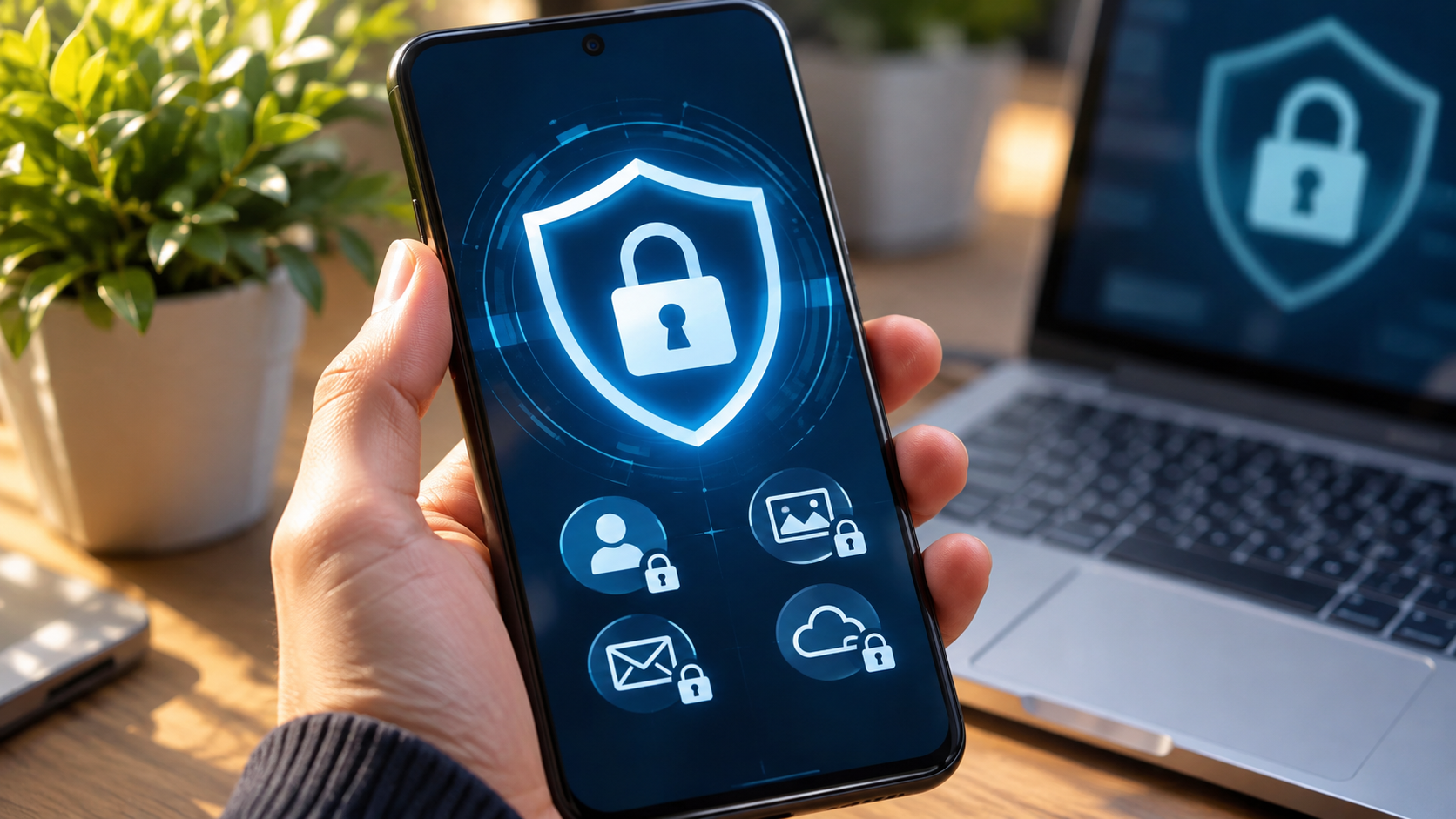
Smartphone Privacy Protection is more than just a trend; it’s a necessity in today’s hyper-connected world. With an increasing amount of personal data stored on our devices, the significance of safeguarding this information cannot be overstated. As we navigate through countless apps and services, each interaction carries potential risks that can compromise our privacy.
From financial information to personal conversations, smartphones hold a treasure trove of data that can be exploited if not adequately protected. As breaches become more common and sophisticated, users must recognize the critical need for vigilance and proactive measures to ensure their privacy is secure.
Understanding the Importance of Smartphone Privacy Protection
In today’s hyper-connected world, smartphones have become an integral part of our daily lives, serving as gateways to our personal and professional realms. As our reliance on these devices grows, so does the critical need for smartphone privacy protection. Ensuring the security of our personal information, habits, and communications is more than a trend; it is a necessity that can significantly affect our well-being and safety in the digital age.
One of the most pressing reasons to prioritize smartphone privacy is the increasing rate of data breaches and cyber threats. With over 3.5 billion smartphone users worldwide, the vast amount of sensitive data stored on these devices—including personal messages, financial information, and location data—creates an attractive target for cybercriminals. According to a report by Cybersecurity Ventures, global damages from cybercrime are expected to reach $10.5 trillion annually by 2025. This staggering figure underscores the importance of safeguarding our smartphones against malicious actors.
Another significant aspect is the potential for identity theft. The Federal Trade Commission (FTC) reported that identity theft complaints surged by 113% from 2019 to 2020, driven in part by the increasing use of smartphones for financial transactions. When malicious entities gain access to personal information, they can impersonate individuals, leading to financial loss, damaged credit scores, and a long, arduous process of recovery. Protecting smartphone privacy is not just about avoiding spam calls or annoying advertisements; it is about securing one’s identity and financial future.
Furthermore, privacy breaches can lead to severe emotional and psychological impacts. A survey conducted by the Pew Research Center found that 81% of Americans feel they have no control over the data collected about them, leading to a pervasive sense of vulnerability. This feeling of helplessness can foster anxiety and diminish users’ trust in technology, which can affect their overall quality of life. When individuals are not confident that their private information is secure, they may change their behaviors online, leading to a negative impact on their personal and professional interactions.
In conclusion, prioritizing smartphone privacy is not merely an option but a crucial necessity in today’s digital landscape. With rising data breaches, identity theft incidents, and the emotional toll of privacy violations, users must take proactive steps to protect their smartphones and ensure their personal information remains safe.
Common Privacy Threats Faced by Smartphone Users
Smartphone users encounter a myriad of privacy threats that can compromise their personal information and overall security. As smartphones have become integral to daily life, the risks associated with their use have also escalated. Understanding these threats is crucial for safeguarding personal data and maintaining user safety.
Prevalent Privacy Threats
Several notable privacy threats pose risks to smartphone users. Recognizing these threats enables users to take proactive measures to protect their information.
- Malware and Viruses: Malicious software can be disguised as legitimate applications. For instance, the notorious ‘Joker’ malware infiltrated various apps on the Google Play Store, siphoning off personal data and incurring unwanted charges on users’ accounts.
- Phishing Attacks: Cybercriminals employ deceptive tactics to trick users into revealing sensitive data. A real-world example includes the rise of SMS phishing, where users receive text messages that appear to be from trusted sources, prompting them to click on harmful links.
- Public Wi-Fi Risks: Using unsecured public Wi-Fi networks can expose users to data interception. For example, hackers can deploy techniques like “man-in-the-middle” attacks, capturing sensitive information such as passwords and credit card numbers during data transmission.
- Location Tracking: Apps often request access to users’ location data, which can be exploited. A notable case involved a popular fitness app that shared user location data with third parties, raising concerns about privacy and safety for users who may not want their whereabouts publicly known.
- Insecure App Permissions: Many apps request permissions that are unrelated to their functionality, leading to potential data leaks. For example, certain social media applications have been criticized for accessing users’ contacts and cameras without clear justification, creating vulnerabilities for personal data exposure.
“Understanding the landscape of privacy threats is essential for all smartphone users to ensure their personal information remains secure.”
These privacy threats can severely impact personal data and user safety. When malicious actors gain access to sensitive information, they can engage in identity theft, financial fraud, and other forms of cybercrime. By being aware of these threats and employing preventive measures, users can significantly enhance their smartphone privacy and security.
Essential Features for Ensuring Smartphone Privacy
In today’s digital age, smartphones have become integral to our daily lives, often storing a wealth of personal information. As such, ensuring the privacy of this data is paramount. A variety of features are now available on smartphones to bolster user privacy, and understanding these features can help users make informed decisions about their device choices.
The following essential features contribute significantly to enhancing user privacy on smartphones:
Biometric Authentication
Biometric authentication offers an advanced layer of security by using unique physical traits for device access. This feature includes fingerprint scanners, facial recognition, and iris scans. By replacing traditional passwords with biometric data, users reduce the risk of unauthorized access. Since biometrics are inherently personal, they provide a strong barrier against identity theft.
End-to-End Encryption
End-to-end encryption ensures that messages and data are only readable by the sender and the intended recipient. This is crucial in safeguarding sensitive information from interception. Many messaging apps, such as Signal and WhatsApp, employ this technology to ensure that any communication remains private. By encrypting data on the device before it is sent, even the service providers cannot access the content, enhancing overall privacy.
Privacy Settings and Permissions Control
Smartphones allow users to customize privacy settings, including app permissions. This feature empowers users to manage what data apps can access, such as location, contacts, and camera. By limiting access to sensitive information, users can effectively mitigate the risks of data breaches and unauthorized tracking. Regularly reviewing and adjusting these permissions is vital for maintaining privacy.
Regular Security Updates
Frequent security updates are crucial in protecting smartphones from vulnerabilities and threats. Manufacturers often release updates to address security flaws and enhance privacy features. Users who regularly update their devices can significantly lower the risk of malware and hacking attempts. Keeping software up-to-date not only ensures the device runs smoothly but also fortifies privacy defenses against evolving threats.
Comparison Table of Smartphones Showcasing Privacy Features
The following table compares various smartphones based on essential privacy features to help users choose devices that prioritize their data protection:
| Smartphone Model | Biometric Authentication | End-to-End Encryption | Privacy Settings Control | Regular Security Updates |
|---|---|---|---|---|
| iPhone 14 | Face ID, Touch ID | iMessage, FaceTime | Customizable App Permissions | Monthly Updates |
| Samsung Galaxy S23 | Fingerprint Scanner, Face Recognition | Secure Messaging | Granular Permission Management | Bi-Monthly Updates |
| Google Pixel 7 | Face Unlock, Fingerprint Sensor | Android Messages | App Permission Controls | Monthly Updates |
| OnePlus 11 | Fingerprint Scanner | Signal App Support | Permission Manager | Quarterly Updates |
Best Practices for Smartphone Privacy Protection
In today’s digital age, smartphones are essential tools that often hold sensitive personal information. Protecting this data is crucial, as smartphones can be targets for cyber threats, hacking, and unauthorized access. By implementing effective privacy practices, users can significantly reduce their risk of data breaches and maintain better control over their personal information.
Step-by-Step Guide for Implementing Privacy Practices
Establishing robust privacy practices on your smartphone involves several key actions that should be taken into account regularly. Here’s a clear guide to help you enhance your smartphone’s privacy:
- Set a Strong Password: Use a complex password or biometric locks such as fingerprint or facial recognition to secure your device.
- Manage App Permissions: Regularly review and restrict app permissions to only those necessary for the app to function. Avoid granting access to location, contacts, or camera unless needed.
- Enable Two-Factor Authentication (2FA): Activate 2FA for apps and services that support it. This adds an additional layer of security beyond just a password.
- Use a VPN: When connecting to public Wi-Fi, use a Virtual Private Network (VPN) to encrypt your internet connection, protecting your data from potential threats.
- Disable Bluetooth and NFC When Not in Use: Turning off these features can prevent unauthorized access to your device.
- Regularly Update Software and Apps: Ensure that your operating system and applications are up to date to benefit from the latest security patches.
- Be Cautious with Public Wi-Fi: Avoid accessing sensitive information over unsecured networks and consider using mobile data instead.
Daily Habits to Maintain Smartphone Privacy
Creating a routine for smartphone privacy can greatly enhance your overall security. Here are daily habits to incorporate into your smartphone usage:
These simple yet effective habits can mitigate privacy risks:
- Check app permissions regularly to ensure they remain appropriate.
- Log out of accounts on shared devices and avoid saving passwords on public networks.
- Review your privacy settings on major social media platforms to limit data sharing.
- Clear browsing history and cache daily for added privacy.
- Use secure messaging apps with end-to-end encryption for sensitive conversations.
Importance of Regularly Updating Software and Apps
Keeping your smartphone’s software and applications updated is one of the most critical practices for ensuring privacy. Developers frequently release updates to address security vulnerabilities that could be exploited by attackers.
Regular updates serve multiple purposes:
- They patch known security flaws that could allow unauthorized access.
- They introduce new security features that enhance your device’s defenses.
- They improve overall functionality and performance, often eliminating bugs that could otherwise jeopardize your privacy.
“An up-to-date device is your first line of defense against privacy breaches.”
By adopting these practices and maintaining vigilance, smartphone users can effectively protect their privacy and sensitive data from potential threats.
The Role of Third-Party Apps in Smartphone Privacy
Smartphones today are equipped with countless applications that enhance functionality and user experience. However, while these third-party apps offer various utilities, they can also pose significant risks to privacy and security. Understanding the implications of installing these applications is crucial for maintaining personal data integrity.
Third-party apps often require extensive permissions to access different features of your smartphone, leading to potential privacy invasions. Many applications collect data not only for functionality but also for targeted advertising and analytics. Some apps can track user location, access contacts, read messages, and even collect sensitive information without user awareness. A pivotal aspect of smartphone privacy is recognizing how these permissions can compromise user security.
Examples of Popular Apps Posing Privacy Risks
Several popular applications have been scrutinized for their privacy practices, which warrant caution when using them. Here are a few noteworthy examples:
- Facebook: This social media giant has faced backlash over its data collection practices, often tracking user behavior even outside the app. The extensive permissions it requires can lead to unauthorized access to personal information.
- TikTok: Known for its engaging video content, TikTok has raised concerns due to its data collection policies, which include accessing device identifiers and location data, potentially leading to privacy breaches.
- Snapchat: While it emphasizes ephemeral messaging, Snapchat’s access to the camera, microphone, and location can allow extensive monitoring, often without users fully realizing the implications.
- Weather Apps: Many weather applications request location data to provide localized forecasts. However, the extent of data collection may lead to sharing this information with third parties, compromising user privacy.
Each of these applications exemplifies how seemingly harmless services can lead to significant privacy vulnerabilities. The underlying issue lies in the balance between convenience and data security.
Evaluating App Permissions for Enhanced Privacy
To safeguard personal information, users must be proactive in evaluating app permissions before installation. Understanding what data an app requests and why is essential in making informed decisions. Here are steps to enhance privacy through app permission evaluation:
- Always check the permissions requested by an app before downloading it. Look for any permissions that seem excessive or unrelated to the app’s primary function.
- Read user reviews and privacy policies. Often, users will highlight concerns regarding privacy invasions and data misuse in their comments.
- Consider alternative applications that offer similar functionalities with a better reputation for privacy. Researching less popular apps might yield options that prioritize data security.
- Regularly review the permissions of installed apps. Most smartphones allow users to revoke permissions easily, enabling better control over what data is shared.
By taking these steps, users can significantly bolster their smartphone privacy and security in an age where data is a valuable commodity. It is crucial to remain vigilant and informed about the apps we choose to install and their potential impact on our personal information.
Future Trends in Smartphone Privacy Protection
The evolving landscape of smartphone privacy protection is heavily influenced by advancements in technology and changing user expectations. As smartphones become integral to our daily lives, the importance of safeguarding personal information continues to grow. This section delves into emerging trends shaping the future of smartphone privacy, highlighting their potential impact and associated challenges.
Increased Use of Artificial Intelligence for Security
Artificial Intelligence (AI) is becoming a crucial element in enhancing smartphone security. AI-powered applications can analyze user behavior, detect abnormal activities, and provide real-time alerts about potential privacy breaches. This proactive approach allows users to respond quickly to threats.
– AI algorithms can improve biometric authentication methods such as facial recognition and fingerprint scanning, making unauthorized access more challenging.
– By leveraging machine learning, privacy apps can better understand user preferences and tailor security measures accordingly.
– AI can also help identify phishing attempts and malicious applications, offering users a safer browsing experience.
Despite these advancements, the reliance on AI raises privacy concerns regarding data collection and processing. Users may be wary of how their information is utilized, leading to potential trust issues with AI-driven security solutions.
Decentralized Identity Solutions
Decentralized identity systems are gaining popularity as a means of enhancing user control over personal data. These systems allow users to manage their identities without relying on centralized databases, reducing the risk of large-scale data breaches.
– Blockchain technology can facilitate secure identity verification, ensuring that sensitive information is not stored on a single server, thus minimizing exposure to hackers.
– Users can selectively share their information with third parties, retaining control over what is disclosed and to whom.
– Decentralized systems can enhance privacy in various applications, from financial transactions to social media interactions.
However, challenges include the complexity of implementing such systems and the need for widespread adoption. Users may also struggle to understand how to effectively manage their decentralized identities, potentially leading to confusion and misuse.
Regulatory Changes and Privacy Legislation
As awareness of privacy issues grows, governments worldwide are enacting stricter regulations to protect consumers. Laws such as the General Data Protection Regulation (GDPR) in Europe set high standards for data protection, influencing smartphone manufacturers and app developers.
– Compliance with privacy regulations can drive innovation as companies strive to create more secure products.
– Enhanced transparency requirements compel businesses to disclose their data handling practices, empowering users with information about how their data is used.
– Regulatory frameworks may encourage the development of privacy-centric features in smartphones, such as enhanced data encryption and user-friendly privacy settings.
While these changes represent a positive step toward better privacy protection, businesses may face challenges in adapting to new legal requirements. Smaller companies, in particular, may struggle with the financial burden of compliance, potentially stifling innovation in the market.
Legal and Regulatory Frameworks for Smartphone Privacy
The legal landscape surrounding smartphone privacy is continually evolving, shaped by advancements in technology and rising concerns about data protection. Various laws and regulations have been instituted globally to safeguard user data, establish accountability for smartphone manufacturers and app developers, and ultimately enhance consumer confidence in mobile technology. Understanding these frameworks is crucial for stakeholders involved in the smartphone ecosystem.
Existing laws and regulations aimed at governing smartphone privacy serve to protect user data and ensure compliance among manufacturers and developers. These frameworks Artikel the responsibilities these entities have when handling personal data, including data collection, storage, and sharing practices. By adhering to these legal requirements, businesses not only protect users but also mitigate risks associated with data breaches and non-compliance penalties. The following subsections detail some prominent legislation around the globe and their implications.
Key Legislation Summary
A comprehensive overview of the legal frameworks within different jurisdictions highlights the global effort to enhance smartphone privacy protections. The following table summarizes pivotal legislation impacting smartphone privacy across various regions:
| Region | Legislation | Description |
|---|---|---|
| United States | California Consumer Privacy Act (CCPA) | This act grants California residents rights regarding their personal data, including the right to know what data is collected and the right to delete it. |
| European Union | General Data Protection Regulation (GDPR) | GDPR is a comprehensive data protection law that regulates how personal information is handled, emphasizing user consent and data ownership. |
| United Kingdom | Data Protection Act 2018 | This act complements GDPR, providing a framework for data protection in the UK, including specific guidelines for personal data processing. |
| Australia | Privacy Act 1988 | This legislation governs the handling of personal information by Australian government agencies and private sector organizations. |
| Brazil | Lei Geral de Proteção de Dados (LGPD) | LGPD establishes rules for the collection, use, and storage of personal data in Brazil, aiming to protect the fundamental rights of privacy. |
The implications of these regulations for manufacturers and developers are significant. Compliance requires diligence in data management practices and may necessitate changes in how products are designed and marketed. Failure to adhere to these laws could result in substantial financial penalties and reputational damage, making it essential for businesses to stay informed and proactive in their privacy practices.
The Impact of User Behavior on Smartphone Privacy
Smartphone privacy is profoundly influenced by user behavior, often leading to vulnerabilities that compromise sensitive information. While manufacturers and developers implement various security features, the effectiveness of these measures relies heavily on how users interact with their devices. Understanding the nuances of user behavior can help in recognizing the risks involved and taking proactive steps to mitigate them.
User behavior significantly contributes to privacy vulnerabilities in smartphones in multiple ways. Users frequently overlook security settings, neglect software updates, and engage in risky behaviors such as downloading applications from untrusted sources. The convenience of quickly accessing information often outweighs the perceived risks, leading individuals to disregard best practices in security. This tendency can be attributed to a lack of awareness about privacy implications or a belief that they are not targets for cyber threats.
Psychological Aspects Behind Privacy Compromises
Several psychological factors drive users to compromise their privacy for convenience. The desire for instant gratification is a major motivator; users often choose quicker, less secure methods to save time. Furthermore, social influence plays a crucial role—if peers frequently share personal information on social media or use insecure apps, individuals may feel pressured to conform. Additionally, cognitive biases, such as optimism bias, lead users to underestimate their risk of exposure to privacy threats.
Several case studies highlight the consequences of negligent user behavior regarding privacy. For instance, a widely reported incident involved a popular fitness app that collected and shared users’ location data, inadvertently revealing sensitive information about military personnel using the app. In another example, a major data breach occurred when users reused passwords across multiple sites, leading to unauthorized access to personal accounts. These cases illustrate the critical need for users to recognize their role in maintaining their privacy.
“Users often underestimate their risk of exposure to privacy threats, which can lead to severe consequences.”
In summary, user behavior is a pivotal factor in the landscape of smartphone privacy. By understanding the psychological motivations behind privacy compromises, individuals can better navigate their smartphone usage and adopt more secure practices that protect their personal information. Through education and awareness, users can minimize vulnerabilities and foster a culture of privacy consciousness.
Closure
In conclusion, understanding and implementing Smartphone Privacy Protection is crucial for every user in this digital landscape. By prioritizing privacy, recognizing threats, and adopting best practices, we can significantly mitigate risks. As technology evolves, staying informed and proactive will empower us to protect our personal information and maintain our digital autonomy.
Questions and Answers
Why is smartphone privacy important?
Smartphone privacy is vital because it protects sensitive personal data from unauthorized access and potential exploitation by malicious entities.
What are common privacy threats to smartphones?
Common threats include malware, phishing, unsecured Wi-Fi networks, intrusive apps, and data leaks from service providers.
How can I enhance my smartphone’s privacy?
Enhancing privacy can be achieved by using strong passwords, enabling two-factor authentication, regularly updating software, and carefully managing app permissions.
What are the risks of using public Wi-Fi for smartphones?
Public Wi-Fi networks are often unsecured, making it easy for hackers to intercept data, leading to potential privacy breaches.
Can third-party apps compromise my privacy?
Yes, some third-party apps may request unnecessary permissions that can access personal data, increasing the risk of privacy violations.