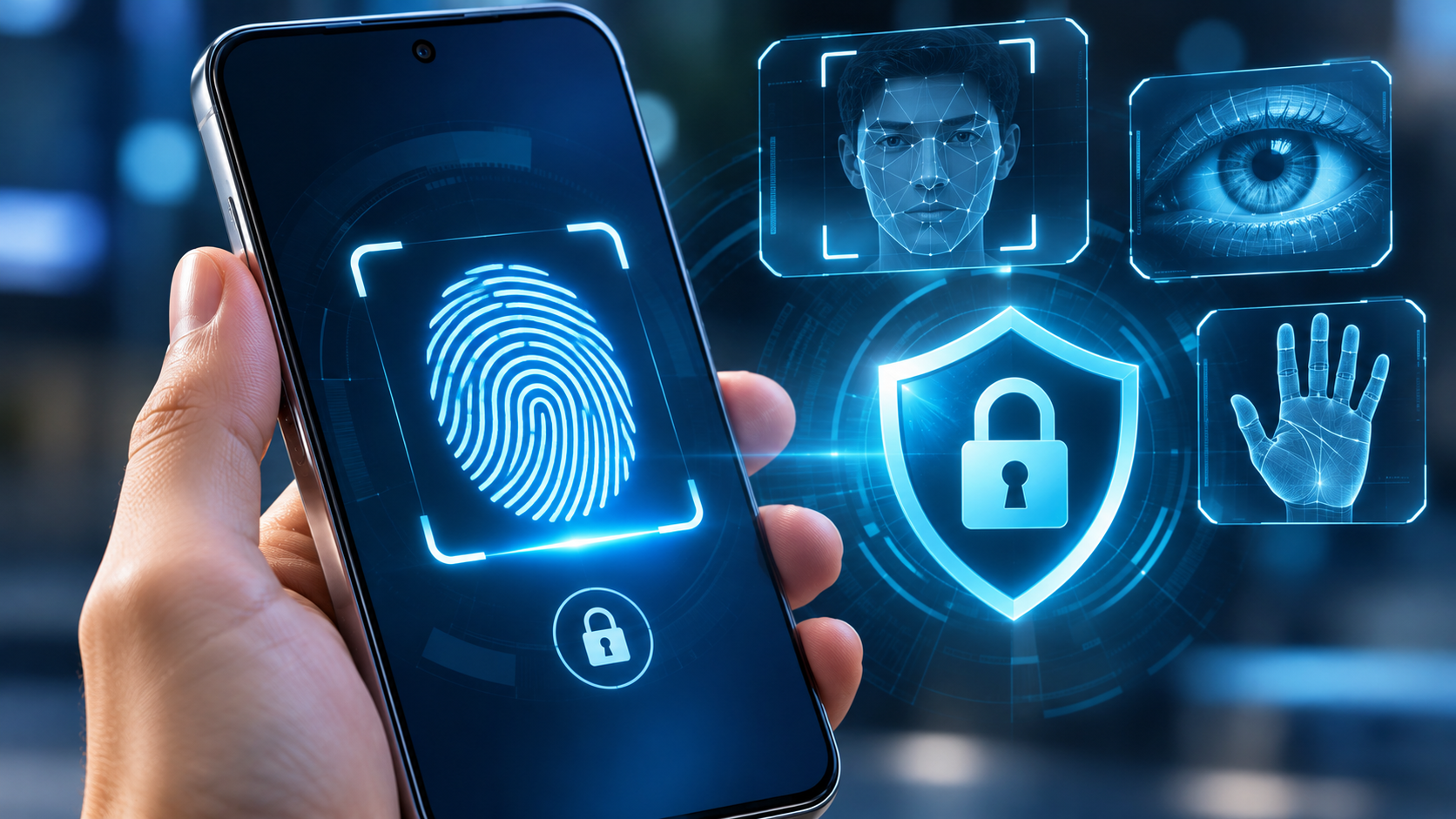
The rise of Biometric Authentication Technology marks a transformative shift in how we secure our identities and personal information. Over the past decade, we have witnessed a remarkable evolution in this field, driven by advancements in technology and a growing need for secure authentication methods. From fingerprint scanning to facial recognition, biometrics offers not only enhanced security but also convenience in our daily interactions with devices and services.
As organizations increasingly adopt biometric systems, understanding their applications, benefits, and challenges becomes essential. This overview explores the multifaceted nature of biometric authentication, including its development, various methods, security implications, and the future trends that promise to reshape our approach to identity verification.
The evolution of biometric authentication technology in recent years
The landscape of biometric authentication technology has undergone significant changes over the past decade. From rudimentary fingerprint scanners to sophisticated facial recognition systems, the advancements in this field are a testament to rapid technological progress. As organizations seek to enhance security measures, biometrics has emerged as a key player in safeguarding sensitive data and ensuring user identity verification.
Biometric authentication has evolved markedly, driven by several factors including technological advancements, increased security concerns, and a shift towards convenience. One of the pivotal changes has been the integration of artificial intelligence (AI) and machine learning, which has significantly improved the accuracy and reliability of biometric systems. These technologies enable devices to learn from data patterns, enhancing their ability to recognize users under various conditions, thereby minimizing false positives and negatives.
Key milestones in biometric system development
The journey of biometric authentication is marked by several key milestones that have shaped its current state. Understanding these milestones helps illustrate how far the technology has come and the innovations that have paved the way for future developments.
1. Early Adoption of Fingerprint Scanning (2010): The introduction of fingerprint scanning on smartphones marked a significant milestone, making biometric authentication mainstream. Apple’s Touch ID, launched in 2013, set the stage for widespread adoption.
2. Advancements in Facial Recognition (2015): Facial recognition technology began to gain momentum with its implementation in security systems and mobile devices. Companies like Microsoft and Google introduced advanced algorithms capable of recognizing faces with high accuracy, which was pivotal for user authentication.
3. Iris Recognition Implementation (2016): The introduction of iris recognition systems provided an alternative to traditional fingerprint scanning. This technology was notably used in high-security environments, emphasizing the versatility of biometrics.
4. Regulatory Standards and Privacy Concerns (2018): As biometric systems became more prevalent, regulatory bodies started to address privacy concerns. The introduction of regulations like the General Data Protection Regulation (GDPR) in Europe highlighted the importance of data protection in biometric usage.
5. Integration with Wearable Technology (2020): The integration of biometric authentication with wearable technology, such as smartwatches and fitness trackers, showcased the growing emphasis on health-related data security, allowing users to authenticate transactions with a simple touch or glance.
6. Introduction of Liveness Detection (2021): To combat spoofing attacks, liveness detection technology was developed, ensuring that the biometric sample is from a live person rather than a replica. This advancement has significantly enhanced security in biometric systems.
7. COVID-19 Pandemic Influence (2022): The pandemic accelerated the adoption of contactless biometric systems, as users sought hygiene-conscious alternatives. Companies innovated touchless fingerprinting and improved facial recognition that works with masks, adapting to the changing demands of the environment.
These milestones reflect the dynamic nature of biometric authentication technology and its adaptability to emerging challenges. The continued evolution of this technology is expected to pave the way for even more sophisticated and secure systems in the future.
Different types of biometric authentication methods and their applications
Biometric authentication technology has evolved significantly, providing various methods to enhance security across different sectors. These methods leverage unique biological characteristics to verify identity, and their applications are expansive, ranging from personal devices to national security. Understanding the different types of biometric methods and their specific applications helps in appreciating their role in modern security systems.
Fingerprint Recognition
Fingerprint recognition is one of the most widely adopted biometric methods, relying on the unique patterns of ridges and valleys on an individual’s fingertips. This technology captures and analyzes these patterns for identification or verification purposes.
- Applications in Law Enforcement: Fingerprint identification is crucial in criminal investigations, allowing authorities to match fingerprints found at crime scenes with databases of known offenders.
- Mobile Device Security: Many smartphones utilize fingerprint scanners for secure access, allowing users to unlock their devices quickly and safely.
- Workplace Access Control: Companies implement fingerprint scanners to restrict access to sensitive areas, ensuring that only authorized personnel can enter.
Fingerprint recognition offers a reliable and user-friendly method for secure authentication.
Facial Recognition
Facial recognition technology analyzes facial features to verify identity. It captures facial images and compares them against a database, identifying or verifying individuals based on unique facial characteristics.
- Surveillance Systems: Many cities use facial recognition in public surveillance systems to enhance security and identify potential threats in real-time.
- Airport Security: Airports deploy facial recognition for passenger identification, expediting the boarding process and enhancing security checks.
- Social Media Tagging: Platforms like Facebook utilize facial recognition to suggest tags in photos, leveraging the technology for user engagement.
Facial recognition provides a non-intrusive method for identity verification with broad applications in security and convenience.
Iris Scanning
Iris scanning involves capturing the unique patterns of the iris, the colored part of the eye, using specialized cameras. This method is known for its high accuracy and low false acceptance rate.
- Banking and Finance: Some banks use iris scanning to authenticate customers for high-security transactions, enhancing security against fraud.
- Border Control: Iris scanning systems are implemented at border checkpoints to verify identities quickly and ensure proper identification of travelers.
- Secure Facilities: Organizations with sensitive information, such as defense contractors, employ iris recognition for access control, ensuring only authorized personnel can enter.
Iris scanning is a highly secure method of biometric authentication due to the uniqueness and stability of iris patterns.
Voice Recognition
Voice recognition technology identifies individuals based on their unique voice patterns. It analyzes vocal characteristics, including pitch, tone, and cadence, for authentication purposes.
- Customer Service Automation: Many companies use voice recognition in automated phone systems to verify the identity of callers, improving security in customer service interactions.
- Smart Home Devices: Voice-activated assistants like Amazon Alexa and Google Assistant utilize voice recognition for user authentication, enabling personalized experiences.
- Mobile Banking: Financial institutions implement voice recognition as a layer of security for transactions conducted via mobile applications.
Voice recognition technology enhances user experience while providing a secure method for identity verification.
Security implications of using biometric authentication technology
Biometric authentication technology provides a unique approach to securing personal information by relying on biological characteristics. However, the integration of this technology raises significant security concerns that must be addressed. Understanding the potential vulnerabilities and the implications of biometric data breaches is essential for both users and developers.
The use of biometric systems, while generally more secure than traditional password-based systems, is not without risks. One of the primary vulnerabilities lies in the immutable nature of biometric data. Unlike passwords, which can be changed, biometric traits such as fingerprints or facial recognition data cannot be altered once compromised. This permanence poses severe risks if the data is stolen or misused. Furthermore, biometric systems can be susceptible to spoofing attacks, where an attacker uses fake fingerprints or facial images to gain unauthorized access.
Known security breaches involving biometric data
Several notable incidents have highlighted the vulnerabilities of biometric authentication systems. A significant breach occurred in 2015 when the U.S. Office of Personnel Management (OPM) was hacked, exposing the biometric data of over 5.6 million government employees. The attackers accessed sensitive information, including fingerprints, which could not be changed, leading to long-term security implications for the affected individuals.
In another incident, the biometric database of a major Indian government project, Aadhaar, was compromised, exposing the personal information of millions. This breach raised concerns about the adequacy of security measures in handling sensitive data, as well as the lack of accountability in protecting such information.
These examples underscore the critical need for robust security protocols when managing biometric data.
Measures to enhance the security of biometric authentication
To mitigate the risks associated with biometric authentication, several measures can be implemented to strengthen security. These measures ensure that biometric data remains safe from potential threats and breaches.
Firstly, implementing multi-factor authentication (MFA) can significantly enhance security. By requiring additional forms of verification alongside biometric data, such as one-time passwords or hardware tokens, the overall security framework becomes more robust.
Secondly, organizations should adopt advanced encryption techniques when storing biometric data. This ensures that even if data is intercepted, it remains unreadable without the appropriate decryption keys.
Additionally, employing liveness detection technology can help prevent spoofing attacks. Liveness detection verifies that the biometric input is from a real person rather than a replica, adding an essential layer of security.
The following points highlight crucial measures for securing biometric systems:
- Implementing multi-factor authentication to add an extra layer of security.
- Using advanced encryption methods for storing and transmitting biometric data.
- Employing liveness detection techniques to differentiate between real and fake biometric inputs.
- Regularly updating and patching biometric systems to address vulnerabilities.
- Conducting thorough risk assessments and audits to identify potential weaknesses.
“In biometric systems, the permanence of biometric data makes its protection paramount; compromised data can have irreversible consequences.”
By adopting these strategies, organizations can significantly reduce the risks associated with biometric authentication systems and protect the sensitive data of their users.
Legal and ethical considerations surrounding biometric data collection
The collection of biometric data has become increasingly prevalent as technology advances, leading to significant legal and ethical considerations. Various laws and regulations exist to govern the use of biometric data, reflecting different cultural attitudes toward privacy and individual rights across countries. These legal frameworks aim to protect individuals while allowing organizations to leverage biometric technologies for security and efficiency.
The legal landscape for biometric data collection varies significantly across regions, influenced by local norms and privacy regulations. In the European Union, the General Data Protection Regulation (GDPR) sets stringent guidelines for the processing of personal data, including biometrics. Under GDPR, organizations must obtain explicit consent from individuals before collecting their biometric information. In contrast, in the United States, biometric data laws differ from state to state. For example, Illinois has one of the strictest laws in the nation, the Biometric Information Privacy Act (BIPA), which requires companies to obtain consent before collecting biometric data and imposes heavy penalties for violations. Other states, like Texas and Washington, have introduced similar laws but with varying degrees of protection and enforcement.
Ethical implications of collecting biometric data
Collecting biometric data raises significant ethical concerns, primarily regarding privacy, consent, and surveillance. The core ethical issue centers around the extent to which individuals should have control over their biometric information. Unlike traditional forms of identification, biometric data is unique and immutable, raising fears that unauthorized access or misuse could lead to irreversible harm. Ethical considerations also encompass the potential for discrimination based on biometric characteristics, such as skin tone in facial recognition systems, which can exacerbate existing societal inequalities.
The ethical dilemma is further complicated by the perspectives of privacy advocates and technology developers. Privacy advocates argue that biometric authentication undermines individual privacy rights and can lead to invasive surveillance practices. They emphasize the importance of robust regulations and ethical standards to safeguard personal information. Conversely, technology developers often view biometric data collection as an opportunity to enhance security and improve user experiences. They argue that with proper safeguards and transparent practices, the benefits of biometric technologies can outweigh potential risks.
As biometric systems become more integrated into everyday life, the ongoing debate between privacy advocates and technology developers underscores the need for balanced approaches that prioritize user consent and ethical standards while enabling the potential benefits of biometric authentication technologies.
The role of biometric authentication in enhancing user experience
Biometric authentication technology has significantly transformed how users interact with various applications and services. By providing a seamless, secure, and efficient method for identity verification, biometric systems have become a cornerstone of modern user experience design. This technology allows users to authenticate their identities with ease, enhancing their overall engagement with devices and platforms.
The enhancement of user experience through biometric authentication can be observed in various applications, such as mobile devices and online services. For example, smartphones equipped with fingerprint scanners or facial recognition systems allow users to unlock their devices or authorize payments in seconds, eliminating the need for cumbersome passwords. This swift and intuitive approach not only saves time but also reduces the cognitive load associated with remembering complex passwords. Moreover, the integration of biometric systems in online platforms, such as banking apps or e-commerce websites, has streamlined the login process, encouraging user retention and satisfaction.
User acceptance levels and attitudes towards biometric technology
Understanding user acceptance levels and attitudes towards biometric technology is essential for assessing its effectiveness in enhancing user experience. Several factors influence user perception, including privacy concerns, perceived convenience, and trust in the technology.
– Privacy concerns: Many users express apprehension about the storage and security of their biometric data. Strong data protection measures and transparent privacy policies can alleviate these fears, encouraging users to adopt biometric solutions.
– Perceived convenience: Users often appreciate the speed and efficiency that biometric authentication provides. A study showed that over 70% of users favored biometric methods over traditional passwords, citing convenience as the primary reason for their preference.
– Trust in technology: Users’ trust in biometric authentication systems is crucial for widespread adoption. As technology continues to improve, and success stories of secure implementations emerge, user confidence is expected to grow.
The impact of user experience on the adoption of biometric systems is significant. Enhanced user experience not only fosters immediate acceptance but also influences long-term loyalty to brands and services that utilize such technology. A positive experience can lead to higher engagement levels, while negative experiences may prompt users to seek alternatives.
The growing prevalence of biometric authentication across various sectors indicates a shift in user expectations. Companies that prioritize user experience through seamless biometric systems are likely to see increased adoption rates and customer satisfaction. As biometric technology continues to evolve, its integration into user experiences is expected to expand, further enhancing interactions across various platforms.
Future trends in biometric authentication technology
As we look ahead to the next decade, biometric authentication technology is set to undergo transformative advancements. With the rapid evolution of technology, the integration of biometrics into various sectors promises enhanced security and user convenience.
One of the most significant trends is the advancement of existing biometric methods alongside the emergence of new modalities. These will not only improve accuracy but also expand the possibilities for seamless authentication experiences. The growth of artificial intelligence (AI) and machine learning will further enable biometric systems to adapt and become more sophisticated.
Potential advancements in biometric technologies
The future of biometric authentication is likely to be characterized by several promising advancements that will redefine security measures. Key areas of development include:
- Enhanced Accuracy: As sensor technology improves, biometric systems will achieve higher accuracy rates, reducing false positives and negatives significantly.
- Multi-modal Biometric Systems: Combining various biometric traits—like facial recognition, fingerprint scanning, and voice identification—will create more robust security systems.
- Integration with AI: AI-driven algorithms will enable continuous learning from user interactions, resulting in personalized security measures that adapt to individual behaviors.
- Wearable Biometric Devices: Devices like smartwatches or fitness bands will incorporate biometrics to authenticate users, enabling seamless access to services without traditional login methods.
Emerging biometric modalities
The future may witness the rise of novel biometric modalities that could significantly alter how authentication is performed. The exploration of these methods indicates promising potential:
- Vein Pattern Recognition: Utilizing unique patterns in the veins of a person’s hand or finger, this method offers a high level of accuracy and is difficult to replicate.
- Gait Recognition: Analyzing the way a person walks provides a non-intrusive means of identification, which could be particularly useful in security-sensitive areas.
- Emotion Recognition: Leveraging facial recognition technology to assess emotional state may provide additional context for authentication, enhancing security in high-stakes environments.
- DNA-based Authentication: Though still in early development stages, DNA biometrics could offer unparalleled security, relying on the unique genetic makeup of individuals.
Challenges in future biometric systems
Despite the promising advancements, several challenges may hinder the progress of biometric authentication technology. Addressing these concerns is crucial for its widespread adoption:
- Privacy Concerns: The collection and storage of biometric data raise significant privacy issues, leading to potential misuse or unauthorized access.
- Data Breaches: As seen in various high-profile incidents, biometric data, once compromised, cannot be changed like a password, posing a risk to users.
- Regulatory Compliance: Navigating the complex landscape of regulations surrounding biometric data will be essential for organizations looking to implement these technologies.
- Public Acceptance: Gaining user trust in biometric systems is critical, especially considering the past concerns regarding surveillance and data security.
Comparing biometric authentication with traditional authentication methods
Biometric authentication technology has emerged as a powerful alternative to traditional methods like passwords and PINs. This evolution is driven by the need for enhanced security and user convenience. By examining the strengths and weaknesses of both approaches, we can understand user preferences and the contexts in which each method is most effective.
The comparison between biometric and traditional authentication reveals distinct advantages and drawbacks. Biometric systems, relying on unique physical traits such as fingerprints or facial recognition, offer a higher level of security and ease of use. Users do not need to remember complex passwords, which reduces the risk of forgetting or losing them. However, biometric systems can face challenges, including issues of privacy, potential for false rejections, and reliance on technology that may not always be accessible. In contrast, traditional methods like passwords offer users the flexibility to change credentials easily, but they are often vulnerable to hacking and require strong memory skills.
Strengths and weaknesses of each method
Understanding the strengths and weaknesses of biometric and traditional authentication methods is essential for making informed decisions. Below are key points that highlight the comparative aspects:
- Security: Biometric authentication is generally more secure because it relies on unique physical characteristics that are difficult to replicate or steal.
- User Convenience: Biometric methods provide a seamless experience, allowing for quick access without the need to recall passwords.
- Vulnerability to Theft: While biometric data can be stolen, it is less likely than passwords to be guessed or cracked through brute force methods.
- Accessibility: Traditional authentication can be used universally; however, biometric systems may require specific hardware like fingerprint scanners or facial recognition cameras.
- Cost: Implementing biometric systems can involve higher initial costs for technology and infrastructure compared to traditional methods.
- Privacy Concerns: Biometric data raises concerns about personal privacy and the potential misuse of sensitive information.
User preferences vary significantly between biometric and traditional methods, often influenced by security concerns and convenience. Many users prefer biometric authentication due to its speed and ease of use; a simple fingerprint scan or facial recognition can replace the frustration of remembering complex passwords. However, there are also users who feel uneasy about sharing their biometric data, leading some to favor traditional methods.
Situational preferences for authentication methods
Different situations call for different authentication methods, and understanding these contexts can maximize security and user satisfaction. In high-stakes scenarios, such as banking or accessing sensitive data, biometric authentication may be preferred for its robust security. Conversely, environments where quick access is essential, like public facilities or casual applications, might benefit from the simplicity of passwords or PINs.
- High-security environments: Biometric authentication is often preferred to safeguard sensitive information where unauthorized access can have severe implications.
- Convenience-focused applications: In cases where speed is crucial, such as unlocking mobile devices, biometrics offer a faster alternative than traditional methods.
- Shared access situations: Traditional methods like passwords may be preferred when multiple users need to access the same account but do not need biometric data tied to their identity.
- Low-risk environments: In settings where security is less critical, users might opt for traditional methods due to their familiarity and perceived simplicity.
Case studies of successful implementation of biometric authentication technology
The adoption of biometric authentication technology is rapidly transforming how organizations secure their systems and protect sensitive information. Several companies have successfully integrated these solutions, enhancing security while improving user experience. This section explores three notable case studies, detailing the challenges faced during implementation and the remarkable outcomes achieved.
Case Study: Apple Inc.
Apple Inc. revolutionized biometric authentication with the introduction of Touch ID in 2013, followed by Face ID in 2017. Both systems utilize fingerprint and facial recognition technology to unlock devices securely and authenticate transactions.
Challenges during implementation included concerns over privacy and security, ensuring that biometric data could not be easily spoofed or hacked. Apple overcame these challenges by leveraging advanced encryption techniques and keeping biometric data stored locally on devices rather than on centralized servers.
The outcome was significant; Apple reported that biometric authentication led to a 50% reduction in unauthorized access attempts on devices. The seamless user experience also contributed to increased customer satisfaction and loyalty, solidifying Apple’s reputation as a leader in technology.
Case Study: United States Department of Defense (DoD)
The DoD implemented biometric systems to enhance security for military personnel and facilities. The Biometrics Automated Toolset (BAT) was developed to capture and store biometric data, including fingerprints and iris scans, for identity verification.
The implementation faced numerous hurdles, such as interoperability with existing systems and concerns over data management. To address these challenges, the DoD engaged in extensive testing and collaboration with various agencies to ensure a unified approach and adherence to strict security protocols.
The results have been profound; the system has improved the accuracy of identity verification for personnel entering secure areas, significantly reducing security breaches. The initiative has also enhanced operational efficiency, allowing for quicker access without compromising safety.
Case Study: HSBC Holdings plc
HSBC incorporated biometric authentication into its banking services through voice recognition technology. This innovative approach allows customers to access their accounts and conduct transactions securely via phone.
Challenges in this case included ensuring the accuracy of voice recognition while accommodating diverse accents and speech patterns. HSBC tackled these issues by employing machine learning algorithms that continuously improve recognition capabilities based on user interactions.
The benefits have been substantial. HSBC reported a decrease in fraud cases by 33% since the implementation of voice biometrics. Additionally, customers enjoy the convenience of secure access without needing to remember complex passwords, leading to higher engagement rates with their banking services.
Closing Summary
In conclusion, Biometric Authentication Technology is redefining the landscape of security by providing innovative solutions that enhance user experience and protect sensitive information. As we delve deeper into its applications, legal considerations, and future trends, it becomes clear that biometric systems offer a unique blend of security and convenience. Embracing this technology will not only improve how we interact with our digital environments but also pave the way for a safer future.
User Queries
What is biometric authentication?
Biometric authentication is a security process that uses unique biological traits, such as fingerprints or facial recognition, to verify an individual’s identity.
How secure is biometric authentication?
While biometric authentication is generally more secure than traditional methods like passwords, it is not infallible and can be vulnerable to spoofing and data breaches.
What are the most common types of biometric methods?
The most common biometric methods include fingerprint recognition, facial recognition, iris scanning, and voice recognition.
Are there privacy concerns with biometric data collection?
Yes, there are significant privacy concerns regarding the collection and storage of biometric data, raising questions about consent and data security.
Can biometric authentication be used in all industries?
While biometric authentication can be applied across various industries, its implementation may vary based on regulatory requirements and specific use cases.