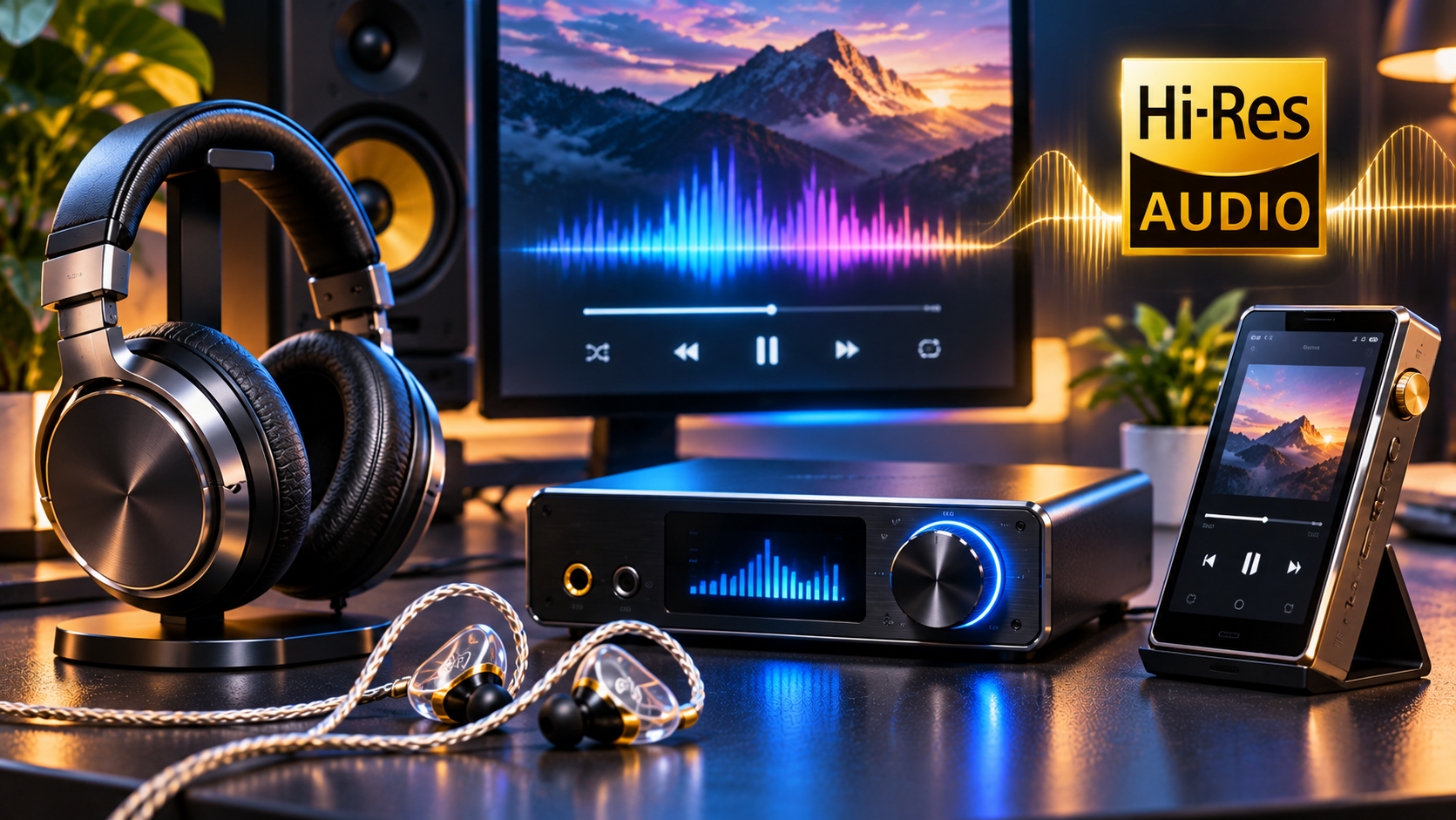
High Resolution Audio Devices sets the stage for an enthralling narrative, offering readers a glimpse into a world where sound transcends the ordinary. In today’s fast-paced music consumption landscape, the quality of audio devices plays a pivotal role in how we experience our favorite tunes. Gone are the days when standard sound quality sufficed; now, audiophiles and casual listeners alike crave the rich textures and depth that high-resolution audio provides.
This evolution in audio technology has revolutionized the listening experience, allowing consumers to engage with music like never before. High resolution audio devices, from DACs to specialized headphones, are designed to enhance sound fidelity and detail. As we delve into the various types of these devices, we uncover the unique features that set them apart from conventional equipment, thus enriching our auditory journey.
The significance of high resolution audio devices in modern music consumption
With the rapid evolution of technology, high resolution audio devices have emerged as a pivotal element in how we consume music today. As streaming services and digital downloads become the norm, the demand for superior sound quality has surged. High resolution audio allows listeners to experience music in a way that closely resembles the original studio recording, capturing nuances that standard formats often miss. This transformation not only enhances the enjoyment of music but also influences how artists produce and distribute their work.
The impact of high resolution audio devices on the listening experience is profound. Unlike traditional audio formats, which typically provide sound quality at a maximum of 16-bit/44.1 kHz (CD quality), high resolution audio can deliver up to 24-bit/192 kHz or even higher. This extended range ensures a more dynamic and detailed reproduction of sound. It allows listeners to hear the subtlest harmonics and textures, enriching the emotional experience of music. For instance, genres such as classical and jazz benefit greatly from high resolution formats, as the intricate details of orchestration and instrumental interplay become more vivid.
Differences between standard and high resolution sound quality
Understanding the differences between standard and high resolution audio is crucial for consumers seeking to optimize their listening experiences. High resolution audio captures more bits of information than standard formats, resulting in greater depth and clarity. While standard audio formats may compress sound to save space, high resolution audio preserves the full range of sound frequencies. This leads to a more authentic and immersive audio experience.
High resolution audio encompasses several key features that distinguish it from standard formats:
- Bit Depth: Standard audio typically has a bit depth of 16 bits, while high resolution can reach 24 bits. This allows for a greater dynamic range, meaning softer sounds can be heard alongside much louder sounds without distortion.
- Sampling Rate: Standard audio is sampled at 44.1 kHz, whereas high resolution audio can be found at rates of 96 kHz, 176.4 kHz, and beyond. Higher sampling rates capture more detail and frequency range.
- Dynamic Range: High resolution audio offers a wider dynamic range, which provides listeners with a more natural sound and a sense of space in the music.
Evolution of audio technology leading to high resolution audio devices
The journey toward high resolution audio devices began with advancements in digital audio encoding. Early digital formats were limited in their ability to accurately reproduce sound, leading to various developments in compression and data storage. Over the years, technologies such as SACD (Super Audio CD) and DSD (Direct Stream Digital) paved the way for high resolution formats. The growth of digital music platforms also influenced the demand for better sound quality, encouraging manufacturers to innovate and improve audio playback devices.
Today’s high resolution devices, including DACs (Digital-to-Analog Converters) and headphones, capitalize on these advancements, making high fidelity music accessible to a wider audience. As headphone technology improved, so did the ability of portable devices to play back high resolution files without compromising quality. This evolution represents a significant shift in how music is produced, distributed, and experienced, making high resolution audio devices essential in modern music consumption.
Various types of high resolution audio devices available in the market
High resolution audio devices represent a significant advancement in audio technology, catering to audiophiles and casual listeners alike. These devices promise superior sound quality, offering a richer, more nuanced listening experience than traditional audio equipment. This overview will delve into various categories of high resolution audio devices, highlighting their unique features and popular brands available today.
Digital-to-Analog Converters (DACs)
DACs are essential components for converting digital audio signals into analog ones, enabling high resolution audio playback. High-end DACs support formats such as DSD (Direct Stream Digital) and PCM (Pulse Code Modulation) at resolutions greater than CD quality, often exceeding 24-bit/192 kHz. Key features include:
- Support for multiple audio formats, offering flexibility in playback.
- High signal-to-noise ratio (SNR) and low total harmonic distortion (THD) for clearer sound.
- USB, optical, and coaxial inputs for compatibility with various devices.
Popular brands in the DAC market include:
- Chord Electronics – Known for their Hugo series, which combines portability with exceptional sound quality.
- AudioQuest – Their DragonFly series offers compact solutions with high fidelity playback.
- Benchmark Media Systems – Renowned for the DAC3, which supports professional audio applications.
High Resolution Headphones
High resolution headphones are designed to faithfully reproduce high fidelity audio, often featuring advanced driver technology and wide frequency response. These headphones are characterized by:
- Neodymium or planar magnetic drivers that provide accurate sound reproduction.
- Impedance matching for optimized performance with various devices.
- Comfort features such as padded ear cups and adjustable headbands for extended listening sessions.
Leading brands and popular models include:
- Sennheiser – The HD 800 S is a flagship model that excels in soundstage and detail.
- Beyerdynamic – Known for their DT 1990 Pro, which offers studio-level sound quality.
- Audeze – The LCD-X model employs planar magnetic technology for immersive sound.
High Resolution Speakers
High resolution speakers play a crucial role in delivering audio with clarity and precision. These speakers are engineered to handle a wider frequency range, producing deeper bass and more detailed highs. Distinguishing features include:
- High-quality drivers made from specialized materials to reduce distortion.
- Advanced crossover designs that ensure seamless integration between drivers.
- Support for various audio codecs and formats to enhance versatility.
Some popular high resolution speaker brands and models are:
- Bowers & Wilkins – The 805 D4 is celebrated for its clarity and dynamic range.
- Focal – The Sopra series is known for exceptional sound quality and design aesthetics.
- KEF – The LS50 Meta offers innovative technology and precise audio reproduction.
“High resolution audio devices not only enhance the listening experience but also provide audiophiles with the tools to fully appreciate their music.”
The technical specifications that define high resolution audio devices
High resolution audio devices are designed to provide superior sound quality that surpasses standard audio formats. Key technical specifications, such as sample rate, bit depth, and supported audio formats, serve as foundational elements that determine the overall audio fidelity and playback experience. Understanding these specifications is crucial for audiophiles and casual listeners alike, as they directly impact how sound is captured, processed, and reproduced.
The two primary specifications that define high resolution audio are sample rate and bit depth. Sample rate refers to the number of samples taken per second when recording audio, measured in kilohertz (kHz). For high resolution audio, common sample rates include 96 kHz and 192 kHz, while standard audio typically operates at 44.1 kHz, which is the CD quality standard. Bit depth, on the other hand, indicates how many bits are used to represent each audio sample. A greater bit depth allows for a wider dynamic range and improved detail. High resolution audio often employs 24-bit depth, compared to the 16-bit depth of standard audio.
Technical specifications comparison
A comparison of high resolution audio specifications against standard audio devices reveals significant differences that enhance the listening experience. Understanding these differences is necessary to appreciate the benefits of high resolution audio.
| Specification | High Resolution Audio | Standard Audio |
|---|---|---|
| Sample Rate | Up to 192 kHz | 44.1 kHz |
| Bit Depth | 24-bit | 16-bit |
| Common Formats | FLAC, DSD, ALAC | MP3, WAV, AAC |
These specifications play a critical role in how audio is rendered. Higher sample rates allow for more detailed sound capture, translating into clearer and more accurate audio reproduction. Similarly, increased bit depth supports a greater dynamic range, ensuring that both quiet and loud sounds are represented without distortion. This results in a listening experience that is richer and more immersive, particularly noticeable in genres like classical music and live recordings where subtle nuances matter.
High resolution audio devices can provide up to six times the quality of standard CD audio, translating to a significantly enhanced auditory experience.
The role of high resolution audio in professional audio production
High resolution audio (HRA) plays a pivotal role in professional audio production, particularly in recording and mixing environments. As music and sound become increasingly complex, high resolution audio equipment allows sound engineers to capture nuances and details that standard audio formats might miss. This attention to sonic detail is essential for producing high-quality recordings that stand out in the competitive landscape of music and audio media.
The importance of high resolution audio devices in recording and mixing environments cannot be overstated. These devices provide a broader frequency range and a greater dynamic range, enabling engineers to hear and manipulate sound with precision. With high resolution formats, audio professionals can accurately capture the subtle tonal variations in instrument performances, voice nuances, and environmental acoustics. This clarity ensures that the final mix represents the artist’s vision as closely as possible.
Influence of high resolution audio equipment on sound engineering practices
High resolution audio equipment significantly influences sound engineering practices by fostering a more detailed and nuanced approach to audio production. With access to advanced tools, professionals can implement various techniques to enhance sound quality:
- Precision Mixing: High resolution audio allows engineers to mix tracks with greater accuracy. They can make subtle adjustments to levels, panning, and effects that result in a more balanced and polished final product.
- Enhanced Editing: The increased detail provided by high resolution audio makes editing vocals or instruments more efficient. Engineers can isolate sound elements without compromising quality, enabling smoother transitions and cuts.
- Accurate Mastering: Mastering engineers utilize high resolution audio to ensure that tracks sound their best across various playback systems, from high-end speakers to consumer headphones. This mastery of detail translates into a professional sound that appeals to a wider audience.
High resolution audio devices are often utilized in specific ways to achieve superior sound quality. For instance, professional studios may employ high-end digital audio converters that support sampling rates beyond 96 kHz and bit depths greater than 24 bits. These converters offer an expansive dynamic range and minimal noise, allowing for crystal-clear audio reproduction.
Additionally, many engineers use high resolution audio formats for archiving sessions. This practice ensures that the original recordings maintain their quality over time, preserving the integrity of the sound for future remixing or remastering projects.
In the realm of live sound, high resolution audio equipment is crucial for delivering exceptional concert experiences. Sound engineers often utilize high-resolution mixing consoles and playback devices to capture the finest details of live performances, ensuring that audience members receive an immersive listening experience.
In practice, notable artists and producers leverage high resolution audio to enhance their work. For example, renowned producer Quincy Jones has emphasized the importance of sound quality in music production, often advocating for high resolution formats to maintain the richness and clarity of his recordings. In film scoring, composers like Hans Zimmer utilize high definition audio systems to achieve the dynamic soundscapes necessary for dramatic cinematic effects.
High resolution audio is not just a trend; it is an essential component of today’s professional audio production landscape. By embracing these technologies, sound engineers are equipped to create high-quality audio that resonates with listeners on multiple levels.
How to choose the right high resolution audio device for personal use
Choosing the right high resolution audio device is crucial for achieving the best listening experience tailored to your preferences. With the increasing variety of devices available, understanding the features and specifications can help streamline your decision. Personal listening habits also play a significant role in determining which device will best suit your needs.
When selecting high resolution audio devices, various factors come into play. Not only do you need to consider your personal preferences regarding sound quality and usability, but also your specific listening habits, such as the types of music you enjoy, the environments in which you typically listen, and whether you prefer wired or wireless options.
Factors to consider when selecting high resolution audio devices
Understanding the key features of high resolution audio devices will guide your selection process. The following factors are essential to consider:
- Audio Format Compatibility: Ensure that the device supports various high-resolution audio formats, such as FLAC, DSD, and WAV, to enjoy your music in its highest quality.
- Sound Quality: Look for devices with high signal-to-noise ratios (SNR) and low total harmonic distortion (THD) to guarantee clear audio reproduction.
- Connectivity Options: Assess whether you prefer wired connections like USB and optical inputs, or wireless options such as Bluetooth and Wi-Fi.
- Portability: If you plan to use the device on the go, consider its size and battery life, ensuring it fits your lifestyle.
- Build Quality: A well-constructed device might last longer and offer better sound quality, so check the materials used.
- Price Range: Determine your budget, as high-resolution audio devices can vary significantly in price. Finding a balance between features and affordability is key.
Step-by-step guide on testing and evaluating high resolution audio devices
Testing different high-resolution audio devices is essential to find the one that meets your expectations. Follow these steps for a thorough evaluation:
1. Research and List: Begin by researching various devices and making a list of models that meet your criteria based on the factors mentioned earlier.
2. Visit a Store: If possible, visit an electronics store to experience the devices firsthand. Bring along your favorite high-resolution audio tracks for comparison.
3. Evaluate Sound Quality: Pay attention to clarity, bass response, and overall tonal balance. Listen for any distortion or muddiness in the sound.
4. Test Connectivity: If you’re interested in wireless options, check the ease of pairing with your devices and assess the stability of the connection.
5. Assess User Experience: Consider the ergonomics of the device—how comfortable it feels during use and the intuitiveness of the controls.
6. Read Reviews: After testing, read user reviews and expert opinions online to gather additional insights and experiences regarding the devices.
7. Make a Decision: Based on your evaluations and research, select the device that best fits your audio needs and preferences.
Comparison table of features for high resolution audio devices
To aid in your selection process, the following table Artikels key features to compare among various high-resolution audio devices:
| Feature | Device A | Device B | Device C |
|---|---|---|---|
| Audio Format Support | FLAC, DSD | WAV, ALAC | FLAC, DSD, PCM |
| Signal-to-Noise Ratio (SNR) | 115 dB | 110 dB | 120 dB |
| Total Harmonic Distortion (THD) | 0.002% | 0.005% | 0.001% |
| Connectivity | USB, Bluetooth | Optical, Wi-Fi | Bluetooth, USB |
| Battery Life | 20 hours | 15 hours | 25 hours |
| Price | $199 | $149 | $249 |
This comparative approach will help clarify the differences among the devices, ensuring you make an informed choice that aligns with your auditory expectations.
Common misconceptions about high resolution audio devices
The advent of high resolution audio (HRA) technology has sparked considerable interest and curiosity among music enthusiasts. However, with this interest come several misconceptions that can mislead potential users regarding the true benefits and functionalities of high resolution audio devices. It is essential to clarify these myths to help consumers make informed decisions about their audio investments.
Misconceptions about Audio Quality
One prevalent myth is that high resolution audio is always significantly superior to standard resolution audio. While it is true that certain high resolution formats, such as 24-bit/192 kHz, can capture more detail than CD-quality audio, the perceived improvement in sound quality can vary based on several factors. These include the listener’s hearing ability, the quality of the playback equipment, and the source material quality. Experts have noted that while HRA has the potential to provide a richer audio experience, the difference may not be as pronounced in casual listening scenarios. According to a study by the Audio Engineering Society, many listeners struggle to discern differences between high resolution and CD-quality formats in blind tests.
Another common misconception is that all high resolution audio files are better than the best standard resolution files. The source of the audio file is critical; if a high resolution file is poorly mastered or encoded, it will not sound better than a well-produced CD-quality file. This highlights the importance of quality over quantity in audio production. As quoted by audio engineer and producer Bruce Swedien, “The best quality comes from the best recordings, regardless of their resolution.”
High Resolution Audio Devices vs. Traditional Audio Devices
When comparing high resolution audio devices to traditional audio devices, it’s essential to understand how they differ in terms of technology and performance. High resolution audio devices are specifically designed to process and reproduce higher quality audio signals, thus offering an expansive sonic palette. Here are some key distinctions:
- Bit Depth and Sampling Rate: High resolution audio devices typically support higher bit depths (24-bit or more) and sampling rates (up to 192 kHz or higher), allowing for greater detail in sound reproduction.
- DAC Quality: Digital-to-Analog Converters (DACs) in high resolution devices are often more advanced, providing better performance in converting digital audio files to analog signals.
- Playback Equipment: The type of headphones or speakers used with high resolution devices is crucial. Premium audio gear can amplify the benefits of high resolution audio, while average equipment may not.
- Streaming Capability: Many high resolution devices integrate seamlessly with streaming services that offer high quality formats, enhancing accessibility and convenience for users.
Additionally, high resolution audio devices often come equipped with features that enhance user experience, such as customizable sound profiles and advanced connectivity options. However, it is important to note that not all audio content is available in high resolution formats, making it necessary for users to seek out specific tracks or albums to fully appreciate the technological advantages.
“High resolution audio is not about volume; it’s about clarity and dynamic range.”
The future of high resolution audio technology
As the audio industry continues to evolve, high resolution audio technology stands at the forefront of innovation. The quest for more immersive and lifelike sound experiences is pushing engineers and designers to explore new frontiers. This next generation of audio devices promises to enhance how we listen to music, leading to greater fidelity and more engaging experiences for audiophiles and casual listeners alike.
Potential advancements in high resolution audio technology are abundant, driven by the increasing consumer demand for superior sound quality. Innovations such as improved digital-to-analog converters (DACs), enhanced streaming capabilities, and progressive lossless audio formats are just a few examples of what to expect. These advancements are not just about better sound; they also present significant implications for the music industry. As artists and producers embrace these technologies, they may begin to create music that is specifically tailored for high resolution formats, fundamentally changing the way music is produced and consumed.
Current trends influencing audio technology development
Several trends are shaping the future landscape of high resolution audio technology. Understanding these trends is crucial for grasping where the industry is heading and what consumers can expect in the coming years.
- Emergence of streaming services supporting high resolution audio: Major platforms, like Tidal and Amazon Music HD, now offer lossless streaming options, enabling users to access high quality audio without physical media.
- Advancements in wireless audio technologies: The rise of Bluetooth 5.0 and new codecs, like LHDC and aptX HD, are enhancing the quality of wireless audio transmission, making high resolution audio more accessible.
- Integration of AI in music production: Artificial intelligence is being utilized to optimize sound quality and personalize listening experiences, leading to a more tailored approach in music consumption.
- Growing interest in vinyl resurgence: The renewed popularity of vinyl records is driving demand for high resolution audio formats that deliver rich, warm sound, encouraging a fusion of traditional and modern audio technologies.
- Increased consumer awareness of audio quality: As more consumers educate themselves about audio fidelity, the demand for high resolution formats will likely rise, shaping the market further.
Industry experts predict that consumers can expect exciting innovations in the near future. For instance, advancements in spatial audio technology are set to revolutionize the listening experience by providing a 360-degree soundstage. This will allow listeners to feel like they are in the center of the performance, rather than just passively listening. Additionally, the development of personalized audio experiences, where sound profiles can be customized based on individual hearing preferences, is on the horizon.
“The future of audio is about creating experiences that are not just heard but felt, transforming the way we connect with music.”
These anticipated developments underscore a future where high resolution audio technology is not merely an upgrade but a transformative experience for listeners, potentially reshaping the music landscape for years to come.
Ending Remarks
In conclusion, the discussion on High Resolution Audio Devices reveals not only their significance in enhancing our listening experience but also the technological advancements that have made them accessible. As we step into a future filled with potential innovations, it becomes clear that high resolution audio will continue to shape the way we engage with music, ensuring that every note is experienced in its fullest glory. Embracing this technology is not just about hearing sound; it’s about feeling music in a way that resonates deeply with our emotions.
FAQ Insights
What is high resolution audio?
High resolution audio refers to audio files that have a higher sample rate and bit depth than standard CD quality, allowing for improved sound fidelity.
Do I need special equipment for high resolution audio?
Yes, to fully enjoy high resolution audio, you typically need compatible devices like DACs, headphones, or speakers that can handle the higher audio quality.
Is high resolution audio worth the investment?
For audiophiles and serious music enthusiasts, the clarity and detail of high resolution audio often justify the investment in specialized equipment.
Can I hear a difference between standard and high resolution audio?
Many listeners report a noticeable difference in sound quality and detail when switching from standard to high resolution audio, though personal perceptions may vary.
Are all music formats available in high resolution?
No, not all music is available in high resolution formats; however, many popular music services offer a selection of high-res tracks.