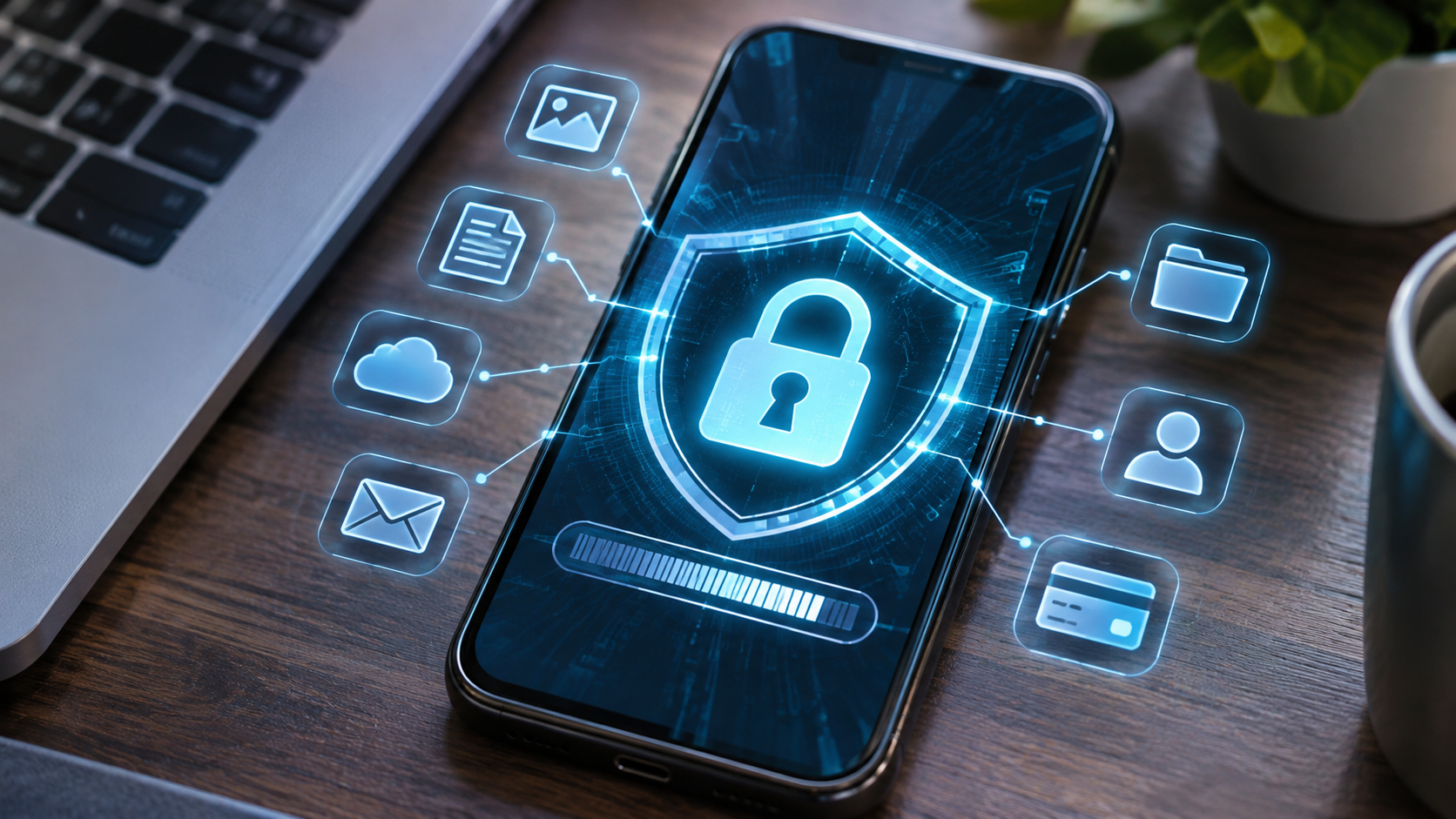
In our fast-paced digital age, mobile device encryption has emerged as a vital shield for sensitive information. As we increasingly rely on our smartphones and tablets for everything from banking to private messaging, the safeguarding of our data becomes paramount. Encryption acts like a lock, transforming readable data into a coded format that can only be deciphered by authorized users, ensuring that even if devices are lost or stolen, the information remains secure.
The stark reality is that unencrypted mobile devices pose significant risks, especially in the event of data breaches, where personal and corporate information can fall into the wrong hands. Without encryption, types of data such as personal identification, financial details, and confidential communications are left vulnerable, making it essential for users and organizations to prioritize encryption as a key aspect of their security strategy.
The Importance of Mobile Device Encryption in Today’s Digital Landscape
In a world where our lives are increasingly intertwined with technology, mobile device security has become paramount. With the rise of smartphones and tablets, sensitive information is often just a tap away, making it essential to ensure that this data is protected from unauthorized access. Mobile device encryption plays a critical role in safeguarding personal and professional information, helping users mitigate the risks associated with data breaches.
Mobile device encryption protects sensitive information by converting data into a format that cannot be easily understood by unauthorized users. When a device is encrypted, even if someone gains access to it, without the correct decryption key, the data remains unreadable and secure. This is especially crucial for protecting information such as financial records, personal identification information, and confidential business documents. In today’s digital landscape, where cyber threats are prevalent, the importance of encryption cannot be overstated.
Risks of Unencrypted Mobile Devices
The potential risks associated with unencrypted mobile devices are significant and can lead to serious consequences for individuals and organizations alike. A major risk is data breaches, which can occur through various means such as loss or theft of a device, malware attacks, or unauthorized access through unsecured networks. When devices are not encrypted, sensitive information becomes an easy target for cybercriminals, who can exploit this vulnerability for identity theft, financial fraud, and other malicious purposes.
The following types of data are particularly vulnerable without encryption:
- Personal Identification Information: This includes social security numbers, addresses, and birth dates, which are often leveraged for identity theft.
- Financial Data: Credit card numbers and banking information can lead to significant financial loss if accessed by unauthorized individuals.
- Corporate Secrets: Trade secrets, client data, and internal communications are at risk, potentially costing businesses their competitive edge.
- Health Records: Medical information is highly sensitive and can be exploited for various illegal activities if not properly secured.
“Encryption acts as a fortress, keeping your digital identity safe from prying eyes.”
The consequences of neglecting mobile device encryption can be severe, including legal liabilities for companies, loss of customer trust, and financial penalties. In light of these risks, prioritizing mobile device encryption is not just advisable; it is essential for protecting sensitive data in our interconnected world.
Understanding Different Types of Mobile Device Encryption Technologies
Mobile device encryption is a critical component in protecting sensitive information from unauthorized access. With the increasing reliance on mobile devices for personal and business communications, understanding the various encryption technologies available helps users make informed decisions about their data security. This segment delves into the two primary encryption methods, hardware versus software solutions, and the significance of end-to-end encryption in messaging applications.
Symmetric and Asymmetric Encryption Methods
Encryption methods can be broadly classified into symmetric and asymmetric encryption. Symmetric encryption uses the same key for both encryption and decryption, making it efficient for large amounts of data. In this approach, both the sender and receiver must securely exchange the key prior to communication, which can be a vulnerability if not managed properly. Common algorithms include AES (Advanced Encryption Standard) and DES (Data Encryption Standard).
In contrast, asymmetric encryption employs a pair of keys: a public key for encryption and a private key for decryption. This allows users to share their public key with anyone while keeping their private key secure. While it is often slower than symmetric encryption, asymmetric methods, such as RSA (Rivest-Shamir-Adleman) and ECC (Elliptic Curve Cryptography), provide a higher level of security for key exchange and digital signatures.
“Symmetric encryption is faster, while asymmetric encryption offers greater security for key management.”
Hardware-Based Encryption versus Software-Based Encryption Solutions
The choice between hardware-based and software-based encryption solutions significantly impacts the security posture of mobile devices. Hardware-based encryption uses dedicated hardware components to perform encryption tasks, ensuring that sensitive data is protected even if the operating system is compromised. This type of encryption is typically faster and more resistant to tampering, as it operates independently of the primary system.
Software-based encryption, on the other hand, relies on the device’s operating system and applications to encrypt and decrypt data. While this method can be more flexible and easier to implement, it may be more susceptible to malware and hacking attempts if not properly secured.
The following points highlight the differences between these two approaches:
- Performance: Hardware encryption often leads to faster processing speeds compared to software encryption.
- Security: Hardware-based solutions provide a robust defense against tampering and unauthorized access.
- Flexibility: Software-based systems can be easily updated and adapted to new threats.
- Cost: Hardware solutions may require additional investment in physical components.
Role of End-to-End Encryption in Mobile Messaging Applications
End-to-end encryption (E2EE) is a critical feature in mobile messaging applications that ensures only the communicating users can read the messages. With E2EE, messages are encrypted on the sender’s device and only decrypted on the recipient’s device, rendering them unreadable to any intermediaries, including the service providers themselves. This technology protects user privacy by preventing unauthorized access during transmission.
Prominent messaging apps like WhatsApp and Signal implement end-to-end encryption, which has raised awareness about data privacy among users. E2EE also safeguards against various attacks, such as man-in-the-middle attacks, where an unauthorized party could intercept messages.
By leveraging E2EE, users can engage in secure communications, knowing that their messages are protected from potential eavesdropping. As data breaches and privacy concerns continue to rise, the integration of end-to-end encryption in mobile messaging is more vital than ever.
“End-to-end encryption empowers users to communicate securely, safeguarding their personal information from prying eyes.”
Analyzing the Impact of Mobile Device Encryption on User Privacy
Mobile device encryption has become a cornerstone of digital security, particularly in an age where personal data is constantly at risk. By employing encryption, users can significantly enhance their privacy and regain control over their sensitive information. This is especially crucial in a world where data breaches and unauthorized access are increasingly common.
Encryption acts as a protective shield around personal data stored on mobile devices. It scrambles information in such a way that only authorized users with the correct decryption key can access it. This means that even if a hacker gains access to a device, the encrypted data remains unreadable and secure. The ability to secure personal data in this manner empowers users to maintain their privacy and protects them from various forms of digital surveillance.
Balance Between Encryption and Law Enforcement Access
While encryption is vital for user privacy, it also raises critical discussions regarding law enforcement access to data for legitimate investigative purposes. The challenge lies in finding a balance that preserves user privacy without completely obstructing law enforcement efforts to combat crime.
Encryption can impede law enforcement’s ability to access crucial information during investigations. For instance, in high-profile cases such as the San Bernardino shooting in 2015, Apple refused to create a backdoor to unlock an iPhone, citing user privacy concerns. This decision sparked a significant debate over the limits of encryption and the extent to which companies should cooperate with law enforcement. Law enforcement agencies argue that unrestricted access is necessary to prevent and solve crimes, which may create tensions between public safety and individual rights.
Impact on User Privacy Rights
The implications of mobile device encryption on user privacy can be illustrated through various real-life scenarios where encryption has protected individuals’ rights. A notable example is the case of Edward Snowden, where encrypted communication played a crucial role in disseminating sensitive information about government surveillance practices.
In another situation, encryption has proved vital for journalists and whistleblowers who rely on secure methods to communicate sensitive information. By using encrypted messaging services, they can protect their sources and maintain confidentiality, ultimately fostering transparency and accountability in society.
Furthermore, the rise of end-to-end encryption in messaging apps like WhatsApp and Signal has revolutionized personal communication, ensuring that only the intended recipients can read the messages. This level of security has become indispensable not only for everyday users but also for activists and dissenters operating in oppressive regimes where their safety may be at risk due to their communications.
In summary, mobile device encryption significantly enhances user privacy and control over personal data, while simultaneously presenting challenges regarding law enforcement access. The ongoing discourse surrounding these issues highlights the importance of protecting individual rights in an increasingly digital world.
Exploring Mobile Device Encryption Regulations and Compliance Standards
Mobile device encryption plays a crucial role in protecting sensitive data, particularly in an era where data breaches are increasingly common. Various regulations and compliance standards govern the implementation of encryption to ensure that organizations adequately safeguard personal information. Understanding these regulations is vital for organizations that handle sensitive data, as compliance not only protects data but also mitigates the risk of significant penalties.
Key regulations that mandate mobile device encryption include the General Data Protection Regulation (GDPR) and the Health Insurance Portability and Accountability Act (HIPAA). Both regulations emphasize the importance of protecting personal data through encryption and other security measures.
Key Regulations Governing Mobile Device Encryption
The following are critical regulations that influence how organizations implement mobile device encryption:
- General Data Protection Regulation (GDPR): This regulation, implemented in May 2018, affects organizations that process personal data of EU citizens. GDPR requires organizations to implement appropriate security measures, including encryption, to protect personal data. Non-compliance can lead to fines of up to 4% of an organization’s annual global revenue or €20 million, whichever is greater.
- Health Insurance Portability and Accountability Act (HIPAA): HIPAA mandates the protection of patient health information. It encourages the use of encryption to secure electronic protected health information (ePHI). Organizations that fail to comply may face civil penalties ranging from $100 to $50,000 per violation, with a maximum annual penalty of $1.5 million.
- California Consumer Privacy Act (CCPA): Effective from January 2020, CCPA provides California residents with rights over their personal data. The act encourages businesses to adopt encryption to protect personal information. Non-compliance can result in fines of up to $7,500 per violation.
Adhering to these regulations is important not only for legal compliance but also for maintaining customer trust and safeguarding an organization’s reputation.
Penalties for Non-compliance
Organizations that fail to comply with encryption standards face severe penalties, which can impact their financial standing and operational capabilities. Non-compliance penalties vary by regulation:
- GDPR violators can incur hefty fines that significantly exceed the cost of implementing robust encryption measures.
- HIPAA violations can result in both civil and criminal penalties, depending on the severity and intent behind the breach.
- CCPA violations can lead to class-action lawsuits, with additional fines imposed for each violation.
These penalties highlight the necessity for organizations to prioritize encryption to avoid legal repercussions and protect sensitive data.
Achieving Compliance Through Proper Encryption Practices
To comply with regulations, organizations must establish comprehensive encryption practices. Effective measures include the following:
- Data Classification: Identifying and classifying sensitive data is the first step towards implementing encryption. This allows organizations to prioritize which data needs the highest levels of protection.
- Encryption Standards: Organizations should adopt industry-standard encryption protocols, such as AES (Advanced Encryption Standard) with a key length of at least 256 bits, to ensure robust data protection.
- Regular Audits: Conducting regular audits helps organizations evaluate their encryption practices, identify vulnerabilities, and ensure compliance with legal standards.
- Employee Training: Training employees on the importance of encryption and secure data handling practices is critical to minimizing the risk of breaches.
By implementing these practices, organizations can effectively protect sensitive data and comply with relevant regulations, thereby safeguarding their operations and reputation.
The Future of Mobile Device Encryption
As mobile devices continue to integrate more deeply into our daily lives, the importance of encryption can’t be overstated. Current trends suggest that the future of mobile device encryption will be shaped by emerging technologies, evolving threats, and the increasing influence of artificial intelligence. This landscape promises not only enhanced security but also complex challenges that will need to be addressed.
Emerging Encryption Technologies and Applications
Several emerging technologies are set to revolutionize how encryption is implemented on mobile devices. These advancements are not only about improving security but also about streamlining user experience without compromising safety.
- Post-Quantum Cryptography: With the advent of quantum computing, traditional encryption methods face significant threats. Post-quantum cryptographic algorithms are being developed to withstand these future challenges, ensuring data remains secure even against the power of quantum processors.
- Homomorphic Encryption: This allows data to be processed and analyzed while still encrypted, minimizing the need to decrypt sensitive information. Its application could expand secure cloud computing services, facilitating secure data analysis on mobile devices.
- Blockchain Technology: Initially popularized by cryptocurrencies, blockchain provides decentralized security solutions. Its potential application in mobile encryption could lead to enhanced data integrity and user control over personal information.
Challenges Facing Future Encryption Technologies
While the advancements are promising, several challenges may hinder the effective implementation of new encryption technologies on mobile devices. These challenges arise from both technical limitations and the evolving nature of cyber threats.
- Performance Overhead: New encryption methods, particularly those that are computationally intensive, can lead to slower device performance. Striking a balance between robust security and user experience will be crucial.
- Regulatory Compliance: Governments are increasingly enacting legislation that affects how data can be encrypted and stored. Navigating different regulations on a global scale will pose a significant challenge for developers.
- Consumer Awareness: Users often prioritize convenience over security. Encouraging better security practices while ensuring user-friendly experiences is essential for the adoption of new encryption technologies.
The Role of Artificial Intelligence in Mobile Device Encryption
Artificial intelligence (AI) is poised to play a transformative role in enhancing encryption techniques for mobile devices. The integration of AI can lead to more adaptive and responsive security measures.
- Threat Detection: AI can analyze patterns in user behavior and identify anomalies that may indicate potential security breaches. This proactive approach can significantly enhance the effectiveness of encryption by detecting threats before they exploit vulnerabilities.
- Dynamic Encryption: AI algorithms can facilitate the creation of dynamic encryption keys that change based on real-time data analysis. This makes it more challenging for attackers to compromise encrypted data.
- User Authentication: AI can improve authentication processes, utilizing biometric data and behavioral analysis to ensure that only authorized users can access sensitive information. This leads to a more secure encryption environment on mobile devices.
Best Practices for Implementing Mobile Device Encryption
Implementing encryption on mobile devices is crucial in safeguarding sensitive data from unauthorized access. This practice not only protects personal information but also ensures compliance with various regulations. Below are comprehensive steps and considerations for effectively encrypting mobile devices within an organization.
Step-by-Step Guide to Encrypt Mobile Devices
To effectively encrypt mobile devices, follow this structured approach:
- Assess Device Types: Identify the types of mobile devices used within the organization, including smartphones, tablets, and laptops. Different systems may have varying encryption capabilities.
- Choose the Right Encryption Standard: Select robust encryption algorithms, such as AES (Advanced Encryption Standard), which is widely recognized for its effectiveness.
- Enable Built-in Encryption: Utilize the built-in encryption features available on devices. For instance, iOS and Android have native encryption options that can be activated in the settings.
- Educate Employees: Provide training to staff about the importance of encryption and how to enable it on their devices. This fosters a culture of security awareness.
- Implement Policy Enforcement: Establish a mobile device management (MDM) solution to enforce encryption policies across all devices, ensuring compliance.
- Regularly Update Software: Keep all devices updated with the latest operating systems and security patches to maintain encryption integrity and protect against vulnerabilities.
Common Pitfalls to Avoid When Implementing Encryption
Organizations often face challenges when rolling out encryption on devices. Here are notable pitfalls to steer clear of:
“Failing to communicate the importance of encryption can lead to employee resistance and non-compliance.”
“Neglecting to back up data before encryption may result in irreversible data loss.”
- Inadequate Training: Not providing sufficient training can lead to confusion about how to manage encrypted devices.
- Ignoring Compatibility Issues: Ensure that older devices are compatible with the chosen encryption standards to avoid operational disruptions.
- Overlooking User Experience: Failing to consider the impact of encryption on device performance can frustrate users and lead to non-adoption.
Checklist of Security Measures for Complementing Mobile Device Encryption
To further enhance security alongside encryption, consider implementing the following measures:
“An effective security strategy involves multiple layers of protection, not just encryption.”
Start with this checklist to strengthen your encryption efforts:
- Enable Multi-Factor Authentication: Add an extra layer of security to prevent unauthorized access.
- Regular Security Audits: Conduct audits to identify vulnerabilities and ensure compliance with security policies.
- Establish Data Loss Prevention Policies: Create guidelines for handling sensitive information to minimize data breach risks.
- Monitor Device Usage: Use monitoring tools to track device activity and detect any unusual behavior.
- Implement Remote Wipe Capabilities: Ensure that lost or stolen devices can be wiped remotely to protect sensitive data.
User Education
Mobile device encryption is a critical aspect of safeguarding sensitive information, yet its effectiveness heavily relies on user understanding and engagement. Educating users about the benefits and limitations of encryption empowers them to utilize these tools effectively, ensuring that their devices remain secure. Users who are aware of the potential risks and the appropriate measures to mitigate them are better equipped to protect themselves and the organization.
Effective training programs are essential for enhancing users’ comprehension of encryption. These programs should focus on practical knowledge, illustrating how encryption works and why it matters in everyday scenarios. By providing clear examples and hands-on experiences, users can grasp the importance of maintaining strong passwords, recognizing phishing attempts, and understanding the role of encryption in data protection.
Training Program Components
To develop a comprehensive user education program on mobile device encryption, organizations should include a variety of training components tailored to different learning styles. Here are key elements to consider:
- Workshops: Interactive sessions that allow users to engage directly with encryption tools and protocols. These workshops can cover real-life scenarios, enabling users to practice securing their devices.
- Online Courses: Self-paced online modules that provide in-depth information about encryption technologies, data security practices, and compliance requirements. This flexibility helps users learn at their own pace while ensuring thorough coverage of the material.
- Simulated Phishing Attacks: Regularly conducting these exercises helps users recognize common threats and the importance of encryption in protecting sensitive data. Feedback from these simulations can reinforce learning and improve awareness.
Promoting a culture of security awareness is crucial in ensuring long-term adherence to encryption practices. This can be achieved by integrating security principles into everyday workflows and creating an environment where users feel responsible for their device security.
“An informed user is the first line of defense against data breaches.”
Strategies for fostering this culture include:
- Regular Communication: Sending out newsletters or updates that highlight recent security threats, encryption news, and best practices can keep encryption top of mind for users.
- Security Champions: Identifying and training enthusiastic employees as security advocates can help disseminate knowledge and encourage peers to prioritize encryption and data protection.
- Incentive Programs: Offering rewards or recognition for employees who demonstrate good security practices, such as attending training or reporting suspicious activities, can motivate individuals to stay engaged with security protocols.
Engaging users through these well-structured programs not only enhances their understanding of mobile device encryption but also fosters an organizational culture that prioritizes security, ultimately leading to more robust protection against data breaches.
Case Studies of Mobile Device Encryption Successes and Failures
In the realm of mobile device security, encryption has become a critical safeguard for protecting sensitive information. Various organizations have implemented mobile device encryption with differing levels of success, leading to valuable insights about effective practices and potential pitfalls. By examining real-world examples, we can glean important lessons that can inform future encryption efforts and strategies.
Successful Implementations of Mobile Device Encryption
Several organizations have successfully adopted mobile device encryption, demonstrating its effectiveness in safeguarding data. One notable example is the healthcare sector, where patient data is highly sensitive. The University of California, San Francisco (UCSF) implemented mobile encryption across all devices used by staff. This initiative significantly reduced data breaches and protected patient confidentiality, showcasing the importance of encryption in sensitive fields.
In the corporate world, companies like IBM have also set a benchmark. IBM’s mobile security policy includes full-device encryption for all employee devices, which has resulted in minimal incidents of data leaks. This proactive approach illustrates how comprehensive encryption policies can fortify organizations against unauthorized access and data theft.
Consequences of Ignoring Mobile Device Encryption
The absence of mobile device encryption can lead to severe repercussions, as illustrated by the case of the Target data breach in 2013. Hackers accessed the personal information of over 40 million customers due to inadequate security measures, which included unencrypted devices used for processing transactions. This incident not only resulted in financial losses exceeding $200 million but also severely damaged Target’s reputation, highlighting the critical nature of robust encryption practices.
Another significant example is the breach experienced by the U.S. Department of Veterans Affairs in 2006. A stolen laptop containing unencrypted data of 26.5 million veterans resulted in a massive data compromise. The fallout included legal ramifications and increased scrutiny regarding data protection protocols, underscoring that the lack of encryption can lead to extensive legal and financial fallout.
Lessons Learned from Case Studies
Analyzing these case studies reveals several key lessons for organizations looking to implement or improve their mobile device encryption strategies.
- Prioritize Data Sensitivity: Organizations must assess the sensitivity of the data they handle and implement encryption that aligns with the level of risk associated with that data.
- Comprehensive Training: Employee training on the importance of encryption and proper device handling can significantly mitigate risks.
- Regular Audits and Updates: Frequent security audits and updates to encryption protocols are essential to protect against evolving threats.
- Adopt a Culture of Security: Organizations should foster a culture that prioritizes security at every level, ensuring all employees understand their role in protecting data.
“Mobile device encryption acts as a last line of defense against unauthorized access, making it a non-negotiable element of modern cybersecurity strategies.”
By learning from both successes and failures in mobile device encryption, organizations can better prepare for the security challenges they face in an increasingly digital world. The objective is not just to implement encryption but to create a robust framework that evolves with the threats, ensuring ongoing protection for sensitive information.
Closing Notes
In conclusion, mobile device encryption stands as a critical component in the protection of personal and organizational data. As technology continues to evolve, understanding the necessity and implementation of encryption can mean the difference between security and vulnerability. By staying informed about the latest encryption methods and best practices, users can better safeguard their information and navigate the complexities of the digital landscape with confidence.
Popular Questions
What is mobile device encryption?
Mobile device encryption is the process of converting data on a mobile device into a secure format, making it inaccessible to unauthorized users.
Why is encryption important for mobile devices?
Encryption is crucial for protecting sensitive information, preventing data breaches, and ensuring user privacy.
Can I encrypt my mobile device myself?
Yes, most modern smartphones have built-in encryption options that users can enable through their device settings.
What happens if I forget my encryption password?
If you forget your encryption password, you may lose access to your data permanently unless you have a backup.
Does encryption affect device performance?
While encryption may slightly impact performance, the benefits of securing data typically outweigh any minor slowdowns.