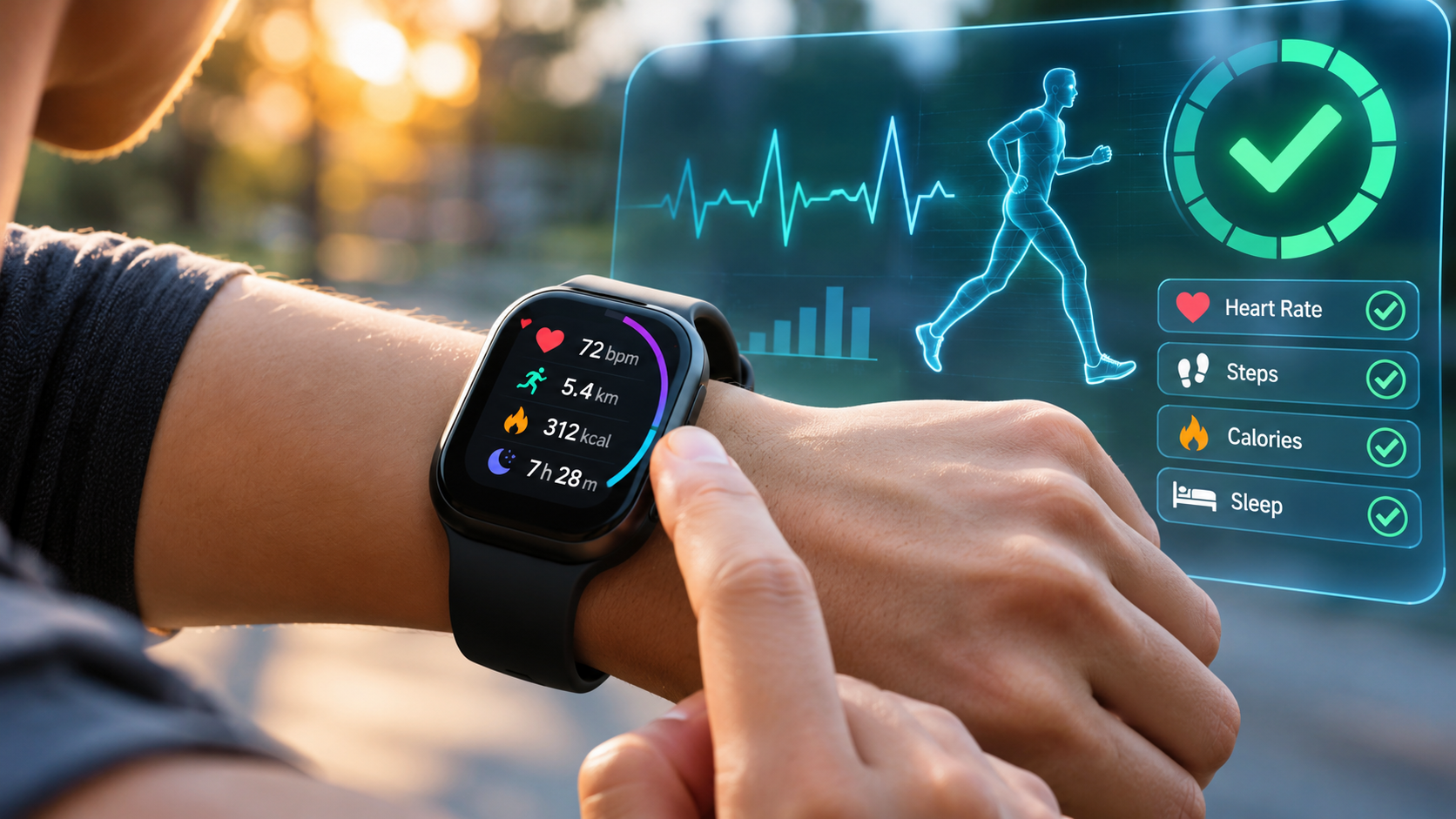
Fitness Tracker Measurement Accuracy is crucial for anyone looking to maximize their health and fitness journey. As technology advances, our reliance on fitness trackers continues to grow, making it essential to understand just how accurate these devices can be. Inaccurate measurements can lead users astray, affecting their workout routines and overall wellness. Knowing the nuances of measurement accuracy not only enhances user experience but also builds trust in the technology we depend on.
Fitness trackers come with various functions, from counting steps to monitoring heart rates, and their accuracy directly influences how we perceive our progress. By examining the factors that affect accuracy, such as user variables and technological aspects, we can better appreciate the capabilities and limitations of these devices. Whether a seasoned athlete or a casual gym-goer, understanding the intricacies of measurement accuracy can empower users to achieve their fitness goals more effectively.
Understanding the Importance of Measurement Accuracy in Fitness Trackers
The accuracy of measurements in fitness trackers is paramount for anyone aiming to achieve their health and fitness goals. With the constant evolution of wearable technology, these devices have become essential tools for tracking physical activity, heart rate, sleep patterns, and various health metrics. However, the effectiveness of these devices largely hinges on their ability to provide precise and reliable data. When users cannot trust the measurements, they may undermine the entire purpose of using the device.
Measurement accuracy directly influences user experience and the level of trust users place in fitness technology. When a tracker consistently delivers accurate readings, users are more likely to feel confident in their decision-making based on the data provided. For instance, if a fitness tracker reports that a user has burned 500 calories during a workout, but the actual calorie burn is closer to 350 calories, the user could overestimate their performance and subsequent dietary choices. This can lead to distorted fitness goals, where users may either push themselves too hard based on inflated data or become discouraged with inadequate progress.
Inaccuracies in fitness trackers can mislead users in several ways. If a user is relying on their device to monitor their heart rate during exercise, an inaccurate reading can lead to adjustments in training intensity that may not align with their actual cardiovascular response. For example, a tracker that consistently underreports heart rate could tempt a user to believe they are exercising at a more moderate level than they actually are, potentially leading to less effective workouts. Additionally, if a user attempts to track their sleep quality using a device that inaccurately identifies wake and sleep phases, they may struggle with fatigue due to unrecognized poor sleep patterns.
Moreover, the implications of inaccuracies extend beyond individual experiences; they can affect broader health trends and data analytics in fitness. As more people rely on these devices, the collective data becomes less reliable if the measurements are flawed. Accurate data is essential not just for personal health but also for research and development in fitness and health technology. This highlights the necessity for manufacturers to prioritize measurement accuracy in their devices to foster a more informed and health-conscious society.
Factors that Influence the Accuracy of Fitness Trackers
The accuracy of fitness trackers is vital for users seeking reliable data to monitor their health and performance. Various factors can significantly influence how precise these devices are in measuring metrics such as heart rate, steps taken, and calories burned. Understanding these factors can help users make informed decisions and optimize their fitness tracking experience.
The accuracy of fitness trackers can be impacted by a variety of personal and technological factors. Personal variables such as age, weight, and fitness level play a crucial role in how well these devices perform. Additionally, the technological aspects—including the quality of the hardware, software algorithms, and sensors used—also contribute significantly to the accuracy of fitness measurements.
Personal Variables Affecting Measurement Accuracy
Several personal characteristics can influence the effectiveness of fitness trackers. Understanding these factors is essential for users aiming to achieve the most accurate readings.
- Age: As people age, their physiological responses can change. Older individuals may experience variations in heart rate and metabolism, leading fitness trackers to potentially misinterpret data.
- Weight: A person’s body composition can affect how movement is detected. For instance, heavier individuals may exert more force while walking or running, which could impact step counting accuracy.
- Fitness Level: Individuals with different fitness levels may have varying heart rates and recovery times, which can affect the accuracy of calorie expenditure calculations. More active users may find that their trackers underreport calories burned during high-intensity workouts.
Technological Aspects Influencing Accuracy
The technological foundation of fitness trackers is critical for their performance. Several components contribute to overall accuracy.
- Hardware Quality: The sensors integrated into fitness trackers, such as accelerometers and heart rate monitors, play a vital role. High-quality sensors are more reliable and can provide precise data, while lower-quality sensors may lead to inconsistencies.
- Software Algorithms: The algorithms that process the data collected from sensors greatly influence the output. Advanced algorithms can filter noise and improve accuracy through machine learning techniques, whereas basic algorithms may not account for individual variances.
- Calibration: Many fitness trackers require initial calibration based on personal data (like height and weight) for optimal accuracy. If this calibration step is overlooked, measurements may be skewed.
- Environmental Factors: External conditions, such as temperature, humidity, and even the user’s skin type, can affect sensor performance. For example, a cold environment can lead to reduced blood flow, impacting heart rate accuracy.
Understanding both personal and technological factors is essential for optimizing the use of fitness trackers and ensuring the data they provide is as accurate as possible.
Comparing Different Types of Fitness Trackers and Their Accuracy Levels
Fitness trackers have gained immense popularity as tools to monitor physical activity, heart rate, sleep patterns, and more. With a diverse range of options available, understanding the accuracy of these devices is crucial for users looking to achieve their fitness goals. This section delves into the comparative accuracy of various types of fitness trackers, highlighting how they measure up in real-world scenarios.
Different types of fitness trackers offer unique features and methods for gathering data. The primary categories include wrist-worn trackers, clip-on devices, and smartphone-based applications. Each type utilizes varying technology and sensors that impact their accuracy. Below is an analysis of these types and their respective accuracy levels based on user studies and expert reviews.
Accuracy Comparison of Fitness Trackers
The following table presents a comparative analysis of wrist-worn, clip-on, and smartphone-based fitness trackers, showcasing their accuracy levels based on different metrics such as step count, heart rate monitoring, and sleep tracking.
| Type of Tracker | Step Count Accuracy | Heart Rate Accuracy | Sleep Tracking Accuracy |
|---|---|---|---|
| Wrist-worn Trackers | 85-95% accuracy compared to pedometers | 80-90% accuracy for resting heart rate | 70-80% accuracy in sleep stages |
| Clip-on Trackers | 90-98% accuracy in outdoor settings | N/A | 60-75% accuracy based on movement analysis |
| Smartphone-based Apps | 70-85% accuracy, influenced by phone placement | Variable accuracy, generally lower than dedicated devices | 65-70% accuracy primarily based on motion detection |
The accuracy ratings reflect findings from comprehensive user studies and expert evaluations. For instance, wrist-worn trackers often excel in heart rate monitoring due to built-in sensors, while clip-on trackers provide superior step count accuracy, particularly in outdoor conditions. Smartphone apps, while convenient, are generally less reliable for precise measurements, influenced by factors such as the phone’s placement during activity.
“Understanding the accuracy of different types of fitness trackers can significantly impact the effectiveness of your fitness monitoring and overall health management.”
With this knowledge, users can choose a fitness tracker that aligns with their personal goals and monitoring needs.
The Role of Calibration in Enhancing Fitness Tracker Accuracy
Calibrating fitness trackers is a pivotal step in ensuring that the data they provide is as accurate and reliable as possible. Calibration refers to the process of adjusting the device’s settings to align with a known standard or measurement, which helps in eliminating errors caused by device variances or environmental factors. Accurately calibrated devices can significantly enhance the user’s fitness tracking experience, ensuring that metrics like distance, heart rate, and calories burned reflect true performance.
When it comes to the accuracy of fitness trackers, calibration plays a crucial role. Over time, factors such as changes in the user’s body weight, fitness level, or even the device’s internal software can affect measurement precision. Calibration is necessary to readjust these factors, ensuring the data is relevant to the user’s current state. By maintaining regular calibration, users can optimize their fitness trackers for improved results, ultimately enabling a more effective fitness journey.
Effective Calibration Methods for Fitness Trackers
To maximize the performance of fitness trackers, users can employ several effective calibration methods. These methods involve straightforward steps that can help ensure the device operates at its best. Here’s an overview of the process and how users can achieve precise calibration.
1. Check Device Settings: It’s essential to start by reviewing the device’s settings. Ensure that the personal information such as weight, height, and age are input correctly, as these parameters can significantly affect the accuracy of calculations.
2. Use Calibration Tools or Apps: Many fitness trackers offer companion apps that include calibration tools. Utilize these to set the device’s baseline measurements accurately. For instance, some apps allow users to enter known distances while walking or running to refine the device’s accuracy.
3. Conduct a Calibration Walk or Run: Perform a set distance walk or run using a known measurement (like a track). Track the distance using both your fitness tracker and an accurate measuring tool (such as a GPS app). Compare the results to identify discrepancies.
4. Adjust Based on Findings: If the tracker shows a distance that significantly deviates from the measured distance, adjust the calibration settings in the companion app accordingly. Repeat this process as needed until the readings align more closely.
5. Regular Calibration Checks: As a part of routine maintenance, users should periodically recalibrate their devices, especially after significant weight changes or updates to the device firmware, which may impact performance.
By following these steps, users can ensure their fitness trackers are well-calibrated, thus enhancing measurement accuracy and providing a better overview of their fitness progress.
The Impact of Environmental Conditions on Fitness Tracker Measurements
Fitness trackers are designed to provide accurate data on physical activity, heart rate, and even sleep patterns. However, various environmental conditions can significantly affect the accuracy of these readings. Factors such as temperature, humidity, and altitude can create fluctuations in measurements, potentially leading users to misinterpret their fitness levels or progress.
Temperature plays a crucial role in how fitness trackers perform. Extreme heat can lead to increased perspiration, which may interfere with heart rate sensors and affect their readings. In contrast, colder temperatures can cause blood vessels to constrict, potentially leading to lower heart rate readings. The accuracy of step counts and calorie expenditure may also be compromised in these conditions due to changes in body movement and thermal regulation.
Effects of Humidity and Altitude on Data Readings
Humidity levels can introduce additional challenges for fitness tracker measurements. High humidity can lead to excessive sweating, which not only affects heart rate sensors but may also cause the device to slip on the wrist, leading to incorrect data capture. On the other hand, low humidity can dry out the skin, which can also affect sensor performance.
Altitude can similarly impact readings, particularly in activities such as running or cycling. At higher altitudes, reduced oxygen levels can influence heart rate responses, possibly causing trackers to report lower heart rates during exertion compared to sea level.
To mitigate the effects of environmental factors, users can adopt several strategies:
- Choose appropriate workout times: Exercising during times of day with more moderate temperatures can help maintain accuracy in heart rate and performance data.
- Monitor hydration: Staying hydrated can minimize the effects of heat and humidity, ensuring that the skin maintains optimal conductivity for sensors.
- Adjust device fit: Ensuring that the fitness tracker is snug but comfortable can help maintain consistent contact with the skin, improving data reliability.
- Acclimate to altitude: Gradually adjusting to higher altitudes can help the body adapt, leading to more accurate heart rate and exertion readings.
“Environmental factors like temperature, humidity, and altitude significantly influence the accuracy of fitness tracker measurements.”
By understanding these environmental impacts, users can take proactive steps to ensure their fitness data remains reliable, ultimately leading to a more effective fitness journey.
Addressing Common Myths About Fitness Tracker Accuracy
Many users of fitness trackers often hold misconceptions about the accuracy of these devices, which can lead to misunderstandings regarding their performance and reliability. These myths can discourage individuals from fully utilizing their trackers or mislead them about their fitness progress. Clear understanding and debunking of these myths will not only enhance user experience but also promote a more informed approach to fitness tracking.
One prevalent myth is that fitness trackers provide perfect accuracy in all measurements. While many devices are designed to be highly accurate, they are not infallible. Experts agree that various factors can affect the precision of measurements, including the type of activity being performed, the wearer’s body composition, and even how the device is worn. Understanding that fitness trackers may have limitations helps users set realistic expectations.
Common Misconceptions About Fitness Tracking Devices
Numerous misconceptions surround fitness tracker accuracy, and addressing these can promote better usability and understanding. Here are some commonly held myths:
- Fitness trackers can accurately measure heart rate at all times: In reality, factors such as skin type, temperature, and motion can impact heart rate readings. Studies show that wrist-based heart rate monitors can be less accurate during high-intensity workouts.
- Calorie counts provided by fitness trackers are completely reliable: Many trackers use algorithms based on user input data, which can lead to discrepancies. Research indicates that calorie estimates can vary significantly, so they should be taken as rough approximations rather than precise figures.
- All fitness trackers are created equal: Different brands and models have varying levels of accuracy, especially when it comes to specific metrics like sleep tracking or step counting. Users should look for devices backed by research and comparisons in accuracy.
- Wearing a tracker on any part of the body will yield the same results: The placement of a fitness tracker matters. Devices worn on the wrist may not perform as well in terms of accuracy compared to those worn on the chest or around the waist.
- Data from fitness trackers is infallible: In reality, the data should be used as a guideline, not gospel. Professional trainers and health experts often recommend combining tracker data with personal awareness and other health metrics for a more comprehensive view of health.
Awareness of these misconceptions allows users to interpret the data provided by their fitness trackers more effectively. By understanding the limits of their devices, users can make informed decisions about their fitness routines, leading to better health outcomes over time.
Future Innovations Aimed at Improving Fitness Tracker Accuracy
As technology continues to evolve, the fitness tracker industry is experiencing a wave of innovations designed to enhance measurement accuracy. These advancements aim to provide users with more reliable data, enabling better health and fitness decisions. With the integration of new technologies, fitness trackers are set to become far more precise than ever before.
Emerging technologies are paving the way for significant improvements in fitness tracker accuracy. Innovations in sensor technology, machine learning algorithms, and data analytics are at the forefront of this evolution. These advancements not only promise better performance but also the ability to deliver personalized insights tailored to individual fitness journeys.
Upcoming Technologies Enhancing Accuracy
Several innovative features are on the horizon for future fitness tracker models. These advancements will significantly enhance the accuracy and functionality of these devices. Notably, users can expect the following improvements:
- Advanced Sensor Technology: Next-gen sensors that can detect a wider variety of biometrics including blood oxygen levels, hydration status, and even stress levels.
- Enhanced GPS Accuracy: Improved satellite connectivity and multi-frequency GPS systems that provide more precise location tracking, beneficial for outdoor activities.
- Machine Learning Algorithms: Sophisticated algorithms that analyze user data over time to refine and personalize activity recommendations and health insights.
- Real-time Data Processing: Faster processors that enable instant feedback and data processing, improving user engagement and decision-making on the go.
- Integration with Smart Home Devices: Seamless connectivity with smart home systems to monitor overall well-being, adjusting environmental factors like lighting and temperature based on user activity and health data.
- AI-driven Health Insights: Use of artificial intelligence to predict potential health issues based on tracking patterns, allowing for proactive health management.
- Improved Battery Life: New battery technologies that extend usage time without compromising on the accuracy of features and real-time tracking capabilities.
The continuous evolution of these features will not only enhance the accuracy of fitness data but also provide users with a more comprehensive view of their health and fitness journeys. As these technologies become mainstream, users can look forward to a more personalized and effective fitness tracking experience.
End of Discussion
In conclusion, Fitness Tracker Measurement Accuracy plays a pivotal role in the effectiveness of fitness technology. By exploring the influences on accuracy and addressing common misconceptions, users can make informed decisions about their fitness trackers. As innovations continue to emerge, staying updated on developments in accuracy will ensure that technology serves its purpose of optimizing health and wellness. Embracing this knowledge leads to better tracking, improved experiences, and ultimately, enhanced fitness achievements.
FAQ Compilation
How do I know if my fitness tracker is accurate?
Check user reviews, compare its data with other reliable devices, and consider calibrating it to ensure measurement accuracy.
Can my fitness tracker work in extreme weather conditions?
While many fitness trackers are designed for various conditions, extreme temperatures can affect sensor performance and measurement accuracy.
Do all fitness trackers measure heart rate accurately?
No, accuracy can vary significantly between models. It’s best to review specifications and user feedback for specific brands.
How often should I calibrate my fitness tracker?
Calibration frequency depends on usage and the specific device; however, it’s advisable to calibrate regularly, especially after software updates or significant changes in your routine.
Are fitness trackers reliable for tracking calories burned?
While they provide estimates, these readings can be influenced by various factors, including user input and device limitations, so they may not always be entirely accurate.