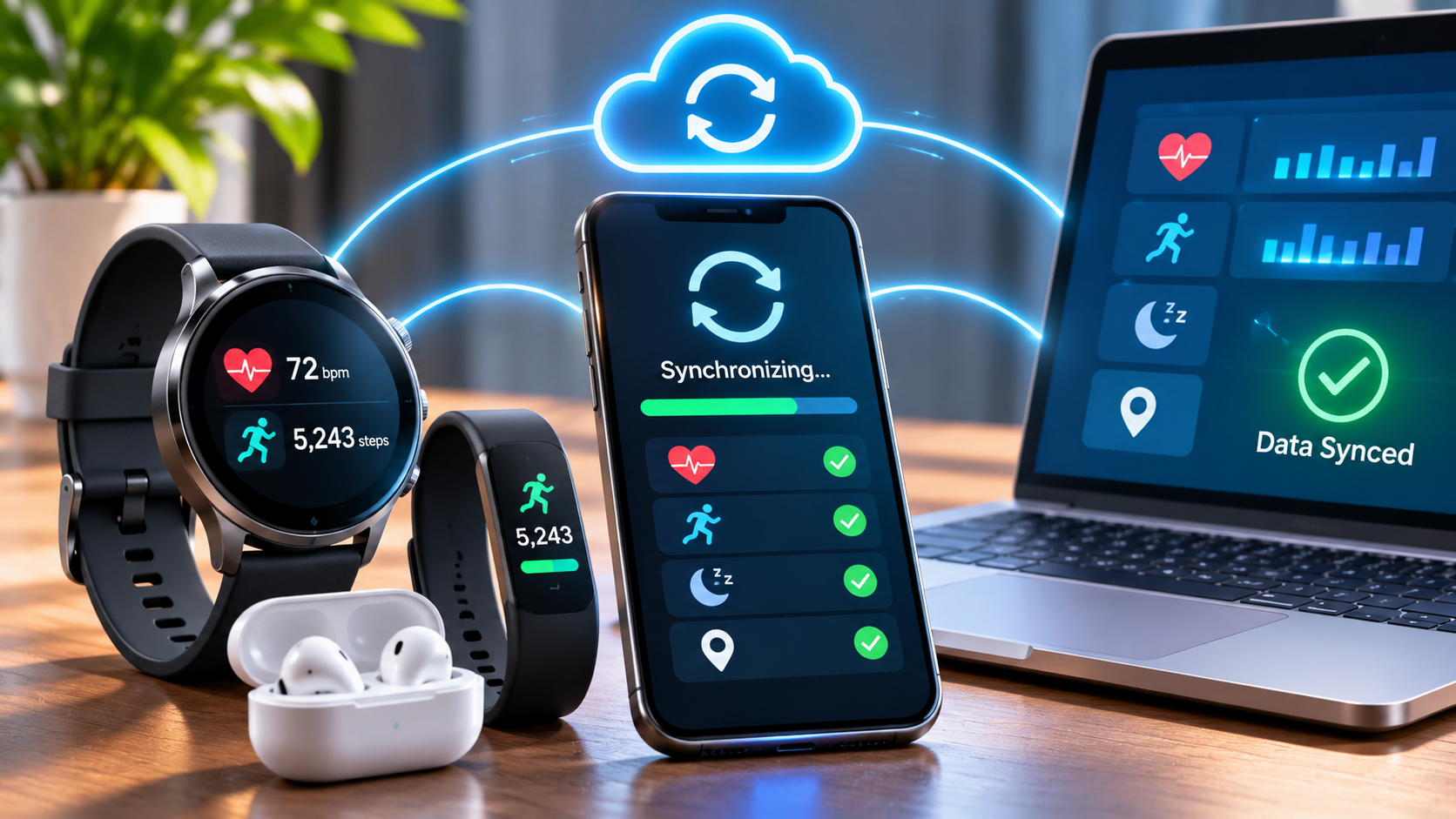
Wearable Device Data Synchronization is transforming the way we interact with technology. As our wearable devices continue to evolve, the need for seamless data transfer between these gadgets and our smartphones or cloud services is more crucial than ever. This synchronization not only ensures that we have access to our data anytime, anywhere, but also enhances the overall functionality of the devices we rely on daily. In this exploration, we’ll delve into the technologies behind data synchronization, the processes involved, the challenges faced, and the future trends that promise to shape our connected experiences.
Understanding how wearable devices effectively sync data can empower users to maximize the benefits of these technologies. With protocols like Bluetooth and Wi-Fi playing pivotal roles, it’s essential to grasp the advantages and limitations of each method. As we navigate through the intricacies of synchronization, we’ll also highlight user-centric design principles that ensure a smooth and efficient experience.
Wearable Device Data Synchronization Technologies
Data synchronization in wearable devices is crucial for maintaining accurate health metrics, activity tracking, and overall user engagement. Various technologies are employed to ensure seamless communication between the wearable devices and user smartphones or cloud services. These technologies mainly focus on transferring data efficiently while minimizing battery consumption, security risks, and ensuring a reliable connection.
Communication Protocols in Data Synchronization
The effectiveness of data synchronization in wearables heavily relies on communication protocols. Each technology presents unique advantages and disadvantages that cater to different user needs and device capabilities.
Bluetooth is the most common protocol used for wearable devices. It facilitates short-range communication, making it ideal for syncing data with nearby smartphones or tablets. Advantages of Bluetooth include low power consumption, which is essential for devices that rely on battery life, and straightforward pairing processes. However, its limitations include reduced data transfer speeds compared to Wi-Fi and limited range, typically around 30 feet.
Wi-Fi offers a different approach, providing a high-speed connection suitable for larger data packets. This technology allows wearables to sync directly to the internet or cloud services without the need for an intermediary device. The key advantages of Wi-Fi include faster data transfer rates and the ability to maintain a stable connection over greater distances. However, it consumes more power than Bluetooth, which can be detrimental to battery life in wearable devices that are designed for long-term use.
Other protocols such as NFC (Near Field Communication) and Zigbee are also utilized in some wearable applications. NFC allows for swift and secure transactions or data exchanges when devices are in close proximity. Its main advantage is the ease of use and quick pairing, though its range is extremely limited. Zigbee, on the other hand, is designed for low-power, low-data-rate applications and is beneficial in scenarios where multiple devices need to be interconnected. This technology supports mesh networking, allowing devices to communicate with each other efficiently. However, it may not fit well for high-bandwidth requirements.
In summary, the choice of synchronization technology in wearable devices hinges on balancing speed, power consumption, range, and the specific use case of the device. Each protocol presents a unique set of characteristics that influences users’ experiences and device performance.
The Process of Synchronizing Data Across Devices
Data synchronization between wearable devices and smartphones or cloud services is essential for seamless user experience and data management. This process ensures that the user’s health metrics, activity logs, and other essential information are consistently updated and accessible across multiple platforms. Understanding this synchronization process is crucial for both developers and users to maintain security and leverage the full potential of wearable technologies.
The synchronization process involves several key steps that ensure data is accurately and securely transferred from the wearable device to the designated platform. This structured approach facilitates effective data management, allowing users to monitor their statistics, receive alerts, and enhance their overall experience with the wearable technology.
Step-by-Step Synchronization Process
The synchronization process can be broken down into distinct stages, each with its particular importance. The following stages highlight the path that data takes from the wearable device to the smartphone or cloud service:
1. Initiation of Connection: The synchronization starts when the wearable device establishes a connection with the smartphone via Bluetooth or Wi-Fi. This step often requires the user to open an associated app on their smartphone to begin the process.
2. User Authentication: Before data is shared, user authentication is essential. This usually involves entering a password or using biometric authentication like a fingerprint or facial recognition. This step ensures that only authorized users can access the data.
3. Data Selection: Users often have the option to select which data will be synchronized. This could include health metrics like heart rate, sleep patterns, or activity logs. Providing options for data selection enhances user control over personal information.
4. Data Transfer: Once the connection is established and data has been selected, the actual transfer begins. Data is typically sent in small packets to minimize the chance of data loss and ensure a smooth transfer.
5. Data Storage: After the data has been received by the smartphone or cloud service, it is stored in a structured format. For cloud services, this may involve storing the data in secure databases that ensure data integrity and availability.
6. Confirmation of Sync: Once the synchronization is complete, the user receives a confirmation notification. This ensures users are aware that their data is up-to-date and allows them to review any changes or updates made.
7. Error Handling: Should any issues arise during synchronization, such as connectivity problems or incomplete data transfer, the system provides error messages to inform users. This stage is crucial for maintaining user trust and data accuracy.
The importance of user permissions and security during the synchronization process cannot be overstated. Ensuring that users grant the necessary permissions before data transfer protects sensitive information and builds user confidence in the technology. Personal health data, in particular, must be handled with care due to its sensitive nature.
“User permissions act as the gatekeeper for data integrity, making it essential for preserving privacy and ensuring compliance with regulations.”
Security Considerations in Data Synchronization
The synchronization of data is not just about transferring information; it is equally about safeguarding that information. Here are some critical aspects of security to consider during the synchronization process:
– Encryption: Data should be encrypted during transfer to prevent unauthorized access. This means that even if the data is intercepted, it remains unreadable to anyone without the appropriate decryption key.
– Two-Factor Authentication: Implementing two-factor authentication reinforces security. Users may need to verify their identity through a secondary method before synchronization can occur.
– Regular Updates: Keeping the wearable device and associated applications updated ensures that the latest security patches are applied, reducing vulnerabilities.
– User Control: Providing users with control over their data helps them feel secure. Features like the ability to revoke access or delete data can enhance user trust.
By following these structured steps and maintaining a focus on security, the synchronization process becomes a seamless and secure experience for users, ultimately leading to enhanced engagement and satisfaction with wearable technologies.
Challenges in Wearable Device Data Synchronization
Wearable devices have become increasingly popular for tracking health metrics, fitness activities, and personal data. However, the process of data synchronization is not without its challenges. These difficulties can hinder user experience and affect the overall functionality of the devices. A deeper understanding of these challenges can help users and developers implement better solutions.
Connectivity Issues
One of the most significant barriers to effective data synchronization is connectivity problems. Wearable devices often rely on Bluetooth or Wi-Fi to connect to smartphones or other devices for data transfer. However, interference from other electronic devices, physical obstructions like walls, and distance from the host device can disrupt this connectivity. For instance, users may notice their fitness tracker not syncing data while they’re indoors or far from their phone, leading to frustration.
To mitigate connectivity issues, users can adopt several strategies:
- Ensure that devices are within a reasonable range of each other.
- Regularly update firmware on both the wearable and paired devices for improved connectivity support.
- Limit the number of active Bluetooth connections to reduce interference.
Battery Drain
Data synchronization processes can significantly impact the battery life of wearable devices. Frequent syncing and data transfer require substantial power, leading to quicker battery depletion. For example, a smartwatch that syncs data every minute can drain its battery much faster than one that syncs every hour.
To combat battery drain while maintaining effective synchronization, users can consider the following practices:
- Adjust sync frequency based on user needs; for instance, sync less frequently during periods of low activity.
- Utilize power-saving modes available in many wearable devices to extend battery life.
- Turn off unnecessary features, such as GPS tracking, when not in use.
Data Loss Scenarios
Data loss is another prevalent challenge faced during wearable device synchronization. This can occur due to software glitches, unexpected disconnections, or insufficient storage on the host device. For example, if a smartwatch is disconnected during a sync, the data collected that day may be lost, leading to gaps in health or fitness records.
To prevent data loss, users can implement several best practices:
- Regularly back up data to the cloud or another secure location to ensure recovery in case of loss.
- Be cautious during sync processes and ensure devices remain connected until completed.
- Utilize applications that offer automatic sync recovery features to restore lost data.
Impact of Data Synchronization on User Experience
Effective data synchronization plays a pivotal role in enhancing the overall user experience with wearable devices. As these devices increasingly become an integral part of our daily lives, the ability to seamlessly sync data across platforms not only improves functionality but also fosters user satisfaction. When synchronization is smooth and reliable, users can enjoy uninterrupted access to their health metrics, notifications, and other essential information, leading to a more engaging and efficient interaction with their devices.
One of the key benefits of effective data synchronization is its contribution to real-time data accuracy. Users depend on wearables to track vital health metrics, such as heart rate, sleep patterns, and activity levels. A delay or disruption in data synchronization can lead to inaccurate readings, causing frustration and potentially undermining the user’s trust in the device.
User Testimonials and Case Studies
Numerous users have shared their experiences, highlighting the significant impact of data synchronization on their satisfaction levels. For instance, a case study involving a fitness app paired with a smartwatch demonstrated that users who experienced frequent synchronization issues reported a 40% decrease in overall satisfaction compared to those with seamless data integration.
Recent testimonials from users reveal the importance of this functionality:
– One user stated,
“Having my health data sync instantly with my smartphone provides me peace of mind. I can monitor my progress in real-time without any delays.”
– Another user remarked,
“When my device doesn’t sync properly, I feel like I’m missing out on crucial insights about my health. It’s frustrating and makes me question the reliability of the device.”
This feedback underscores how significant seamless data integration is to enhancing the user experience with wearable technology.
In a comparative analysis, users with devices that have efficient synchronization reported higher levels of satisfaction. A survey indicated that 85% of users with devices that sync automatically on multiple platforms rated their experience as excellent, while only 55% of users with devices experiencing frequent sync issues felt similarly. This stark contrast illustrates the importance of data synchronization in fostering user loyalty and satisfaction.
Future Trends in Wearable Device Data Synchronization
The future of wearable device data synchronization is poised for transformative advancements, driven by innovative technologies and the ever-increasing demand for seamless user experiences. As wearables continue to integrate deeper into daily life, the methodologies and technologies behind their data synchronization are evolving rapidly, hinting at a future filled with enhanced connectivity and smarter solutions.
Emerging Technologies in Data Synchronization
The landscape of wearable device data synchronization is being shaped by several key technologies that promise to enhance performance and user experience. Some noteworthy advancements include:
- 5G Connectivity: The rollout of 5G technology is expected to significantly improve synchronization speed and reliability. With ultra-low latency and higher bandwidth, wearables will be able to communicate data more efficiently, leading to real-time updates and interactions.
- Bluetooth Low Energy (BLE) Enhancements: Continued improvements in BLE technology will allow for longer battery life and quicker data transfers, which are crucial for wearables that rely on continuous monitoring without frequent charging.
- Edge Computing: Processing data closer to the source (i.e., the wearable device) reduces the need for constant data transfer to cloud services, which can lower latency and enhance synchronization speeds.
Advancements in Data Processing Capabilities
As wearables evolve, their data processing capabilities will also see significant advancements, directly impacting how data is synchronized. The ability to process and analyze data on-device rather than relying solely on external systems can lead to several benefits.
In this context, the following points highlight the importance of enhanced data processing:
- On-device AI Processing: Integration of artificial intelligence into wearable devices allows for real-time analysis of sensor data, facilitating immediate responses and reducing the amount of data that needs to be synchronized with other devices or the cloud.
- Data Compression Techniques: New algorithms for data compression can minimize the size of data being synchronized, making it quicker and more efficient to send to paired devices or cloud storage.
- Smart Data Prioritization: Future wearables may incorporate smart algorithms that prioritize which data sets require synchronization based on user behavior, context, and urgency.
The Role of Artificial Intelligence in Future Synchronization
Artificial intelligence is set to play a pivotal role in shaping how wearables synchronize data in the coming years. The integration of AI can enhance user experiences in several key ways:
- Predictive Synchronization: AI can analyze user patterns to predict when data synchronization is most necessary, optimizing performance while conserving battery life.
- Adaptive Learning: Wearables can learn from user interactions and adapt their synchronization strategies accordingly, ensuring that the most relevant data is synced at the right times.
- Automated Conflict Resolution: AI-driven systems can handle discrepancies between devices more effectively, ensuring a smoother synchronization process and improved data integrity.
Security and Privacy Concerns in Data Synchronization
As wearable devices become increasingly integrated into our daily lives, the synchronization of personal data with these devices raises significant security and privacy concerns. Users frequently store sensitive information, including health metrics and location data, which can be vulnerable during the synchronization process. Understanding and addressing these risks is essential for both users and manufacturers.
The security risks associated with data synchronization in wearable devices are varied and serious. Potential threats include unauthorized access to personal data, data interception during transmission, and vulnerabilities in the devices themselves. Additionally, the lack of robust encryption protocols can leave data exposed to cyberattacks, potentially leading to identity theft or exploitation of sensitive health information.
Security Measures for Data Protection
To mitigate these risks, both users and manufacturers must adopt comprehensive security measures. Users should actively manage their device settings and stay informed about the security features available. Manufacturers, on the other hand, must prioritize the implementation of advanced security protocols to protect user data effectively. Key measures include:
- Data Encryption: One of the most effective ways to secure data during synchronization is through encryption. Using end-to-end encryption ensures that data is unreadable during transit.
- Regular Software Updates: Keeping device software updated is crucial as manufacturers release patches to fix vulnerabilities that could be exploited.
- Strong Authentication Methods: Implementing multi-factor authentication adds an additional layer of security, making unauthorized access significantly more difficult.
- User Education: Informing users about best security practices, such as recognizing phishing attempts and using strong passwords, is essential for safeguarding personal data.
Comparison of Security Protocols Used in Wearable Devices
Various security protocols are employed in wearable devices to enhance data protection. The effectiveness of these protocols can vary, and an informed choice can help users maintain their privacy. Below is a comparison of some commonly used security protocols:
| Protocol | Description | Strengths | Weaknesses |
|---|---|---|---|
| Bluetooth Low Energy (BLE) | A wireless technology designed for low energy consumption. | Low power usage, suitable for continuous device use. | Potential vulnerabilities in pairing methods. |
| WPA3 | The latest Wi-Fi security protocol, enhancing encryption standards. | Improved security against password guessing attacks. | Requires compatible hardware. |
| SSL/TLS | Protocols for securing internet communications. | Strong encryption for data in transit. | Can be resource-intensive. |
| OAuth 2.0 | A protocol for authorization without sharing password. | Enhances security by granting limited access. | Complex implementation process. |
“Security is not a product, but a process.” – Bruce Schneier
The Role of Cloud Computing in Wearable Device Data Synchronization
The intersection of wearable devices and cloud computing has revolutionized how data is synchronized and managed. By leveraging cloud technology, wearable devices can seamlessly transfer and store data, allowing users to access their information from anywhere at any time. This integration not only enhances the functionality of wearables but also provides a more consistent user experience.
Cloud computing significantly enhances the synchronization process of wearable devices through its ability to provide scalable storage and processing power. Instead of relying solely on the device’s local storage, data collected from wearables can be sent to the cloud for processing and analysis. This shift allows for real-time updates and access to vast amounts of data without burdening the device’s memory capacity. Additionally, cloud platforms can support multiple devices simultaneously, making it easier for users to sync data across their ecosystem of wearables.
Benefits of Using Cloud Storage for Wearable Device Data
Storing data from wearable devices in the cloud presents numerous advantages that improve user experience and data management. These benefits include:
- Accessibility: Users can access their data from any device with an internet connection, ensuring that health metrics, activity logs, and notifications are always at hand.
- Scalability: Cloud storage solutions can easily expand to accommodate increasing amounts of data generated by wearables, allowing for growth without the need for hardware upgrades.
- Data Backup and Security: Cloud services provide automated backups and security measures, minimizing the risk of data loss and unauthorized access.
- Real-time Synchronization: Data can be instantly synchronized across multiple devices, providing users with up-to-date information and a cohesive experience.
- Advanced Analytics: Storing data in the cloud enables the use of sophisticated algorithms and machine learning techniques to analyze health patterns and provide actionable insights.
A compelling example of a wearable device effectively utilizing cloud computing for data synchronization is the Fitbit series. Fitbit devices collect a wide array of health and fitness data, such as heart rate, steps taken, and sleep patterns. This data is transmitted to the Fitbit cloud platform, where it is securely stored and analyzed. Users can then access their health statistics through the Fitbit mobile app or web dashboard, gaining insights into their fitness journey. The cloud infrastructure allows Fitbit to provide personalized feedback and recommendations based on individual user data, enhancing overall engagement and motivation.
In summary, cloud computing plays a pivotal role in the synchronization of data from wearable devices, offering enhanced accessibility, security, and the capability for real-time analytics. As technology continues to evolve, the integration of cloud solutions in wearable ecosystems will likely expand, further enriching user experiences and health management capabilities.
User-Centric Design in Wearable Device Data Synchronization
User-centric design plays a crucial role in enhancing the functionality and user experience of data synchronization in wearable devices. By focusing on the needs and preferences of users, designers create more intuitive and accessible interfaces that streamline the synchronization process. This approach not only improves user satisfaction but also increases the likelihood of consistent engagement with the device.
Effective user-centric design influences the synchronization functionalities of wearable devices by prioritizing ease of use, efficiency, and clarity. This focus on user experience can be broken down into several key design principles that ensure synchronization is as seamless as possible.
Design Principles for Ease of Use
The design principles that prioritize ease of use during data synchronization are essential for ensuring users can effortlessly connect their wearable devices to their smartphones or other platforms. Here are the principles and practices that enhance the synchronization experience:
- Simplicity: Interfaces should be straightforward and uncluttered, allowing users to understand the synchronization process without confusion. For instance, a single button for sync initiation can prevent user error.
- Feedback: Providing real-time feedback during the synchronization process, such as progress indicators or confirmation messages, helps users know what to expect and builds their confidence in the system.
- Consistency: Using familiar icons, colors, and layouts across the device and companion apps creates a cohesive experience, making it easier for users to navigate the synchronization process.
- Accessibility: Ensuring that the design accommodates users with different abilities, such as incorporating voice commands or larger touch targets, enhances usability for a broader audience.
- Guidance: Step-by-step tutorials or onboarding processes can assist users in understanding how to sync their devices effectively, making the experience less intimidating for new users.
An excellent example of user-centric design in action can be seen in the Fitbit app. The app features a prominent “Sync Now” button that’s easily accessible on the home screen, along with a clear visual indicator of the last sync time. The app also provides helpful tips and feedback, ensuring that users are informed about the syncing status.
Another notable example is the Apple Watch’s integration with the iPhone. The seamless connection and automatic syncing of data, such as health metrics and notifications, showcase a thoughtful user experience. The watch displays real-time syncing notifications, allowing users to stay informed without delving into complex settings.
Ultimately, prioritizing user-centric design in wearable device data synchronization contributes to a smoother, more engaging experience, fostering greater user satisfaction and loyalty.
Concluding Remarks
In conclusion, Wearable Device Data Synchronization is not just about connecting devices; it’s about enhancing our daily lives through technology. With advancements in connectivity, security measures, and user-centric designs, the future of data synchronization looks promising. As we continue to embrace these innovations, we can look forward to a more integrated and efficient experience, allowing us to stay connected and informed in real-time. Embracing these developments will undoubtedly lead to smarter living and more empowered users.
Helpful Answers
What is data synchronization in wearable devices?
Data synchronization in wearable devices refers to the process of transferring and updating data between the wearable device and other devices like smartphones or cloud services.
How often do wearable devices need to sync data?
The frequency of data synchronization can vary based on the device and user preferences, but many devices sync data automatically at regular intervals or when certain conditions are met.
Can data synchronization drain my wearable device’s battery?
Yes, frequent data synchronization can contribute to battery drain, especially with continuous connections like Bluetooth. Optimizing sync settings can help mitigate this issue.
Are there any security risks in data synchronization?
Yes, there are security risks associated with data synchronization, including unauthorized access to personal data. It’s important to use secure connections and follow best practices for data protection.
Do all wearable devices support cloud synchronization?
No, not all wearable devices support cloud synchronization. It depends on the device’s specifications and the manufacturer’s design choices.
What should I do if my wearable device fails to sync data?
If your wearable device fails to sync data, try restarting both the wearable and the paired device, checking connectivity settings, and ensuring that the latest software updates are installed.