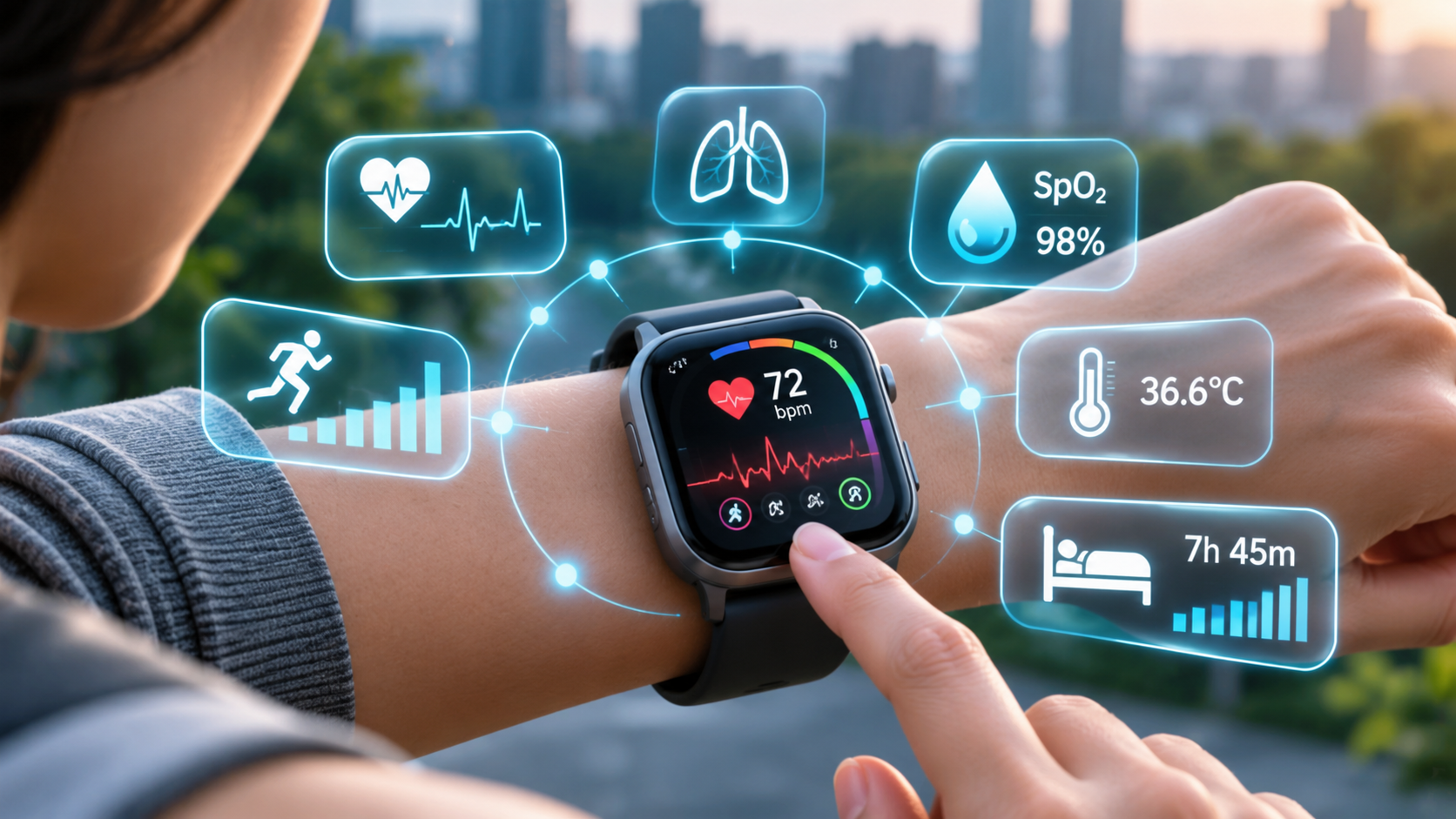
Wearable Health Monitoring Sensors are transforming how we approach personal health and wellness, providing real-time insights that were once confined to clinical environments. As technology advances, these devices have evolved from basic pedometers to sophisticated sensors that track a variety of health metrics, including heart rate, sleep patterns, and even blood oxygen levels. Their integration into daily life allows individuals to take charge of their health in ways that were unimaginable just a few years ago.
From fitness enthusiasts to patients managing chronic conditions, wearable sensors are becoming indispensable tools. They not only empower users with data but also facilitate improved communication with healthcare providers, fostering a proactive approach to health management. The ongoing innovations in this field promise exciting developments that could enhance both individual and public health outcomes.
The Evolution of Wearable Health Monitoring Sensors Over the Years
Wearable health monitoring sensors have significantly transformed the landscape of personal healthcare, evolving from rudimentary devices to sophisticated systems capable of providing real-time health data. The journey began several decades ago, with basic technology paving the way for the advanced wearables we see today. The first iterations of these sensors were primarily focused on simple metrics like heart rate and rudimentary step counting, serving as precursors to the comprehensive health monitoring capabilities available in modern devices.
The historical development of wearable health monitoring sensors can be traced back to the late 20th century when the first heart rate monitors were introduced in the 1970s. These early devices, often bulky and tethered, laid the groundwork for future innovations. As technology progressed, the 1990s saw the emergence of basic fitness trackers that could count steps and measure distance. However, it wasn’t until the 2000s that wearable technology truly began to gain traction, spurred by advancements in microelectronics and mobile computing.
Technological advancements such as miniaturization of sensors, improvements in battery life, and the integration of wireless connectivity have been pivotal in the evolution of wearable health monitoring devices. Modern sensors now utilize Bluetooth and Wi-Fi technologies, allowing for seamless data transmission to smartphones and cloud platforms. Moreover, the integration of machine learning algorithms enables personalized health insights, making these devices not just tools for tracking but powerful health companions.
Comparative Analysis of Early and Modern Wearable Sensors
The contrast between early wearable sensors and today’s advanced devices is remarkable. Early sensors, like basic heart rate monitors, provided limited functionality and often required manual data input or interpretation. In contrast, modern wearable devices, such as smartwatches and fitness trackers, offer a plethora of features that extend beyond basic monitoring.
The following table illustrates some key differences:
| Feature | Early Wearable Sensors | Modern Wearable Health Devices |
|---|---|---|
| Functionality | Basic heart rate monitoring | Heart rate, sleep tracking, oxygen levels, ECG, stress monitoring |
| Data Transmission | Wired or manual | Wireless (Bluetooth/Wi-Fi) |
| User Interface | Limited, often numeric display | Interactive touchscreen, app integration |
| Personalization | Generic feedback | Customized health insights and recommendations |
The evolution of wearable health monitoring sensors reflects broader trends in technology and healthcare, highlighting the shift from simple observation tools to complex systems that empower users to take control of their health. As we move forward, these devices will continue to play a critical role in preventive health strategies and personalized medicine, offering insights that were once unimaginable.
The Mechanisms Behind Wearable Health Monitoring Sensors
Wearable health monitoring sensors have evolved significantly over the past decade, providing users with real-time insights into their health metrics. These devices, often worn on the wrist or body, leverage advanced technology to track various physiological parameters, facilitating proactive health management. With an increasing emphasis on personal health, wearables have become essential tools for individuals seeking to monitor their well-being consistently.
The technology behind wearable health monitoring sensors combines several intricate components and systems that work together seamlessly. At their core, these devices are equipped with various sensors capable of detecting body signals such as heart rate, temperature, blood oxygen levels, and physical activity. Microcontrollers process the data collected by these sensors, allowing them to communicate with mobile applications or cloud services for further analysis. Most wearables rely on Bluetooth technology to transmit data to smartphones, where users can view their health metrics in real-time. Additionally, many devices incorporate machine learning algorithms to enhance accuracy and provide personalized feedback based on an individual’s habits and health history.
Types of Sensors and Their Functions
Wearable health monitoring sensors utilize a variety of sensor types, each designed for specific health metrics and functions. These sensors play a crucial role in gathering accurate data, providing users with valuable insights into their health. Below are the primary types of sensors commonly found in wearable devices:
- Optical Heart Rate Sensors: These sensors use light to measure blood flow through the skin, providing real-time heart rate data. They are commonly used in fitness trackers and smartwatches.
- Accelerometers: These sensors detect movement and acceleration, allowing devices to track physical activity levels, such as steps taken, distance traveled, and exercise intensity.
- Gyroscopes: Gyroscopes measure orientation and angular velocity, enhancing motion detection capabilities in wearables, particularly useful for sports and fitness applications.
- Temperature Sensors: These sensors monitor skin temperature, offering insights into body temperature fluctuations, which can indicate potential health issues.
- Electrocardiogram (ECG) Sensors: ECG sensors capture electrical signals from the heart, enabling users to monitor their heart health and detect irregularities.
- Pulse Oximeters: These devices measure blood oxygen saturation levels, which is essential for evaluating respiratory health, particularly in individuals with conditions like asthma.
Data collected by these sensors is processed through sophisticated algorithms that analyze the input and provide meaningful insights. The integration of machine learning allows sensors to adapt to user patterns, improving the accuracy of health metrics over time. For example, a smartwatch may learn a user’s typical heart rate and alert them if it detects an unusual spike or drop, potentially indicating a health concern. This capability not only enhances the user experience but also contributes to early detection of health issues, encouraging individuals to seek medical advice when necessary.
The Role of Wearable Health Monitoring Sensors in Chronic Disease Management
Wearable health monitoring sensors are transforming the management of chronic diseases by providing continuous, real-time data that is crucial for effective patient care. These devices empower patients and healthcare providers alike, enabling proactive management of health conditions such as diabetes, hypertension, and heart disease. By tracking vital health metrics, these sensors facilitate timely interventions and promote adherence to treatment plans.
The integration of wearable sensors in chronic disease management allows for an ongoing assessment of health metrics, which can lead to improved patient outcomes. For instance, glucose monitoring devices for diabetic patients provide real-time blood sugar levels that help in making immediate dietary or medication adjustments. This level of monitoring can prevent complications and hospitalizations, significantly enhancing patient quality of life.
Examples of Patients Benefiting from Wearable Technology
A prime example of wearable technology enhancing chronic disease management is seen in patients with heart disease. A case study involving a 62-year-old patient with congestive heart failure utilized a smartwatch that monitored heart rate and rhythm continuously. The device generated alerts for abnormal findings, prompting the patient to seek medical attention before severe complications arose. This proactive approach not only alleviated the risk but also provided peace of mind to the patient and their family.
Another illustrative case is that of a 38-year-old woman managing her Type 1 diabetes with a continuous glucose monitor (CGM). The CGM provided real-time glucose readings and trend data, allowing her to adjust insulin doses accordingly. The result was better glycemic control, reduced frequency of hypoglycemic events, and an overall improved quality of life.
The specific health metrics monitored by these wearable devices are crucial in chronic disease management. These include:
- Heart Rate: Essential for assessing cardiovascular health and detecting arrhythmias.
- Blood Pressure: Monitoring fluctuations aids in managing hypertension effectively.
- Blood Glucose Levels: Vital for diabetes management, helping prevent extreme highs and lows.
- Physical Activity Levels: Tracking movement encourages adherence to exercise regimens, crucial for overall health.
- Sleep Quality: Important for recovery and overall health, particularly in chronic disease management.
Wearable health monitoring sensors serve as a bridge between patients and healthcare providers, fostering a collaborative environment for chronic disease management. Their ability to provide relevant data not only enhances patient engagement but also supports healthcare professionals in making informed decisions regarding treatment plans and interventions.
The Impact of Wearable Health Monitoring Sensors on Fitness and Wellness
The rise of wearable health monitoring sensors has significantly transformed fitness culture, making health management more accessible and engaging. These devices, ranging from smartwatches to fitness bands, enable users to track their physical activity, heart rate, sleep patterns, and even stress levels. As a result, they have empowered individuals to take charge of their fitness journeys, fostering a proactive approach to health and wellness.
Wearable health monitoring sensors have become pivotal in creating a culture that prioritizes fitness. Their integration into daily routines has made tracking progress easier than ever, motivating users through instant feedback and gamification. For instance, many devices come with challenges that users can join, encouraging social interaction and healthy competition. This shift has led to a more engaged fitness community, where users share achievements and tips, further enhancing motivation.
User Engagement Statistics and Behavior Changes
The effectiveness of wearable health monitoring sensors can be highlighted through notable statistics on user engagement and behavior changes. According to a report by the International Data Corporation, shipments of wearable devices reached over 444 million units in 2020 alone, suggesting a burgeoning market that continues to grow. Research indicates that users who engage with these devices tend to increase their physical activity levels by about 30%. Moreover, a study published in the Journal of Medical Internet Research found that individuals using wearable devices were 40% more likely to stick to their fitness regimens compared to those who did not.
The impact of these devices extends beyond just tracking activity. They have become a part of users’ lifestyles, with 70% of respondents in a recent survey reporting that their wearable devices help them make healthier lifestyle choices. This includes improved dietary habits, increased water intake, and better sleep quality, illustrating a holistic approach to wellness supported by technology.
Effectiveness of Different Types of Fitness Trackers
When comparing the effectiveness of various fitness trackers, several features stand out that cater to different user needs.
– Basic Fitness Bands: These typically track steps, distance, and calories burned. They are ideal for beginners looking to establish a routine without overwhelming complexity.
– Smartwatches: Equipped with advanced features such as heart rate monitoring, GPS, and smartphone notifications, smartwatches appeal to tech-savvy users seeking comprehensive data and connectivity.
– Specialized Health Monitors: Devices like continuous glucose monitors or advanced heart rate monitors focus on specific health metrics, providing insights that can be crucial for users with certain health conditions or those engaged in competitive sports.
The choice among these devices often depends on individual goals and the level of detail required in tracking health metrics. As technology evolves, the effectiveness of these wearables continues to improve, tailoring fitness solutions to meet diverse user demands, ultimately enhancing the overall fitness culture.
Challenges and Limitations Facing Wearable Health Monitoring Sensors
Wearable health monitoring sensors have transformed the landscape of personal healthcare by enabling continuous tracking of various health metrics. However, their widespread adoption is hindered by several challenges and limitations that need to be addressed. This discussion delves into the major issues impacting these devices, focusing on privacy concerns, technical challenges, and user adoption barriers.
Privacy Concerns Related to Personal Health Data Collection
As wearable health monitoring devices collect sensitive data, privacy concerns loom large. These devices track vital metrics such as heart rate, sleep patterns, and activity levels, which, if mishandled, can lead to serious breaches of personal privacy. The following points highlight the critical issues surrounding data privacy:
-
Data Ownership:
Users often lack clarity on who owns the data generated by their wearables. This ambiguity can lead to potential misuse by third parties.
-
Data Security:
The devices can be vulnerable to hacking, exposing users’ sensitive health information to unauthorized individuals.
-
Informed Consent:
Many users are unaware of how their data will be used or shared, raising ethical concerns about informed consent.
Technical Issues and User Adoption Barriers
Wearable health monitoring sensors face several technical challenges that can impact their effectiveness and user acceptance. Technical limitations include:
-
Battery Life:
Many wearables require frequent charging, which can be inconvenient for users and lead to inconsistent data collection.
-
Accuracy of Data:
Variability in sensor accuracy can hinder the reliability of health metrics, leading to skepticism among users.
-
User Interface:
Some devices feature complex interfaces that may deter less tech-savvy individuals from using them effectively.
Additionally, barriers to user adoption persist, stemming from factors such as:
-
Cost:
The expense of high-quality wearable devices can limit access for lower-income individuals.
-
Perceived Value:
Users may not perceive sufficient benefits from wearing these devices, impacting their willingness to adopt.
In summary, while wearable health monitoring sensors hold great promise for personal health management, addressing privacy concerns and technical limitations is essential for enhancing user acceptance and ensuring the protection of sensitive health data.
Future Trends in Wearable Health Monitoring Technology
The landscape of wearable health monitoring technology is evolving at an unprecedented pace. As we transition into a more health-conscious society, innovations in sensor technology are anticipated to enhance personal health management and preventive care. The future of wearable health devices promises a plethora of advancements that could redefine how we monitor our health.
Anticipated trends include the integration of artificial intelligence and advanced analytics into wearable devices. These innovations will enable real-time data analysis, allowing users to receive immediate insights into their health metrics. For example, AI algorithms could predict potential health issues based on historical data patterns collected from users, providing proactive alerts and recommendations.
Emerging Technologies Impacting Wearable Health Monitoring
Several emerging technologies are poised to significantly influence the future of health monitoring. These include:
1. Biometric Sensors: Next-generation biometric sensors are being developed to monitor a wider range of physiological parameters. For instance, researchers are exploring sensors that can detect hydration levels, glucose fluctuations, and even blood pressure through non-invasive means. Such advancements can facilitate continuous monitoring without the discomfort often associated with traditional methods.
2. Flexible and Stretchable Electronics: The development of flexible electronics allows wearables to conform more comfortably to the human body. This trend towards stretchable materials, such as organic semiconductors, enhances the wearability of devices, making them less intrusive while maintaining functionality.
3. Integration with Telemedicine: Wearables are increasingly being integrated into telemedicine platforms. This allows healthcare providers to access real-time health data, making remote patient monitoring more effective. For example, hospitals are implementing wearables in post-operative care, enabling continuous observation of vital signs and quicker response times to complications.
4. Blockchain Technology: To ensure data security and privacy, the application of blockchain technology in health monitoring devices is gaining traction. By using decentralized ledgers, patients can securely share their health data with providers while maintaining control over their personal information.
“The integration of AI and blockchain in wearable technologies will not only enhance user experience but also empower patients with greater control over their health data.”
Research and development efforts are currently underway, with companies like Apple and Fitbit investing in advanced health monitoring features. For instance, Apple’s recent research into integrating ECG monitoring into its Apple Watch has paved the way for more sophisticated cardiac health assessments. Additionally, universities and research institutions are exploring the use of nanotechnology to develop sensors that can detect chemical biomarkers in sweat, revolutionizing the way we monitor hydration and electrolyte balance.
These advancements signal an exciting future for wearable health monitoring technology, with the potential to significantly improve health outcomes and promote proactive health management among users.
The Integration of Wearable Health Monitoring Sensors with Telemedicine
The integration of wearable health monitoring sensors with telemedicine represents a significant leap forward in patient care, especially in today’s fast-paced, technology-driven world. These devices not only collect vital health data but also facilitate real-time monitoring and communication between patients and healthcare providers, making healthcare more accessible and efficient. This synergy is reshaping the landscape of healthcare delivery, particularly for patients in remote or underserved areas.
Wearable sensors are devices that monitor various health metrics such as heart rate, blood pressure, glucose levels, and even physical activity. When these sensors are incorporated into telemedicine platforms, they enhance patient monitoring, allowing healthcare providers to receive continuous streams of data. This means that physicians can assess patient conditions remotely, make timely interventions, and reduce the need for in-person visits. The integration of these technologies leads to more personalized care management plans and improved patient outcomes.
Successful Implementations and Impact on Healthcare Delivery
The successful integration of wearable sensors with telemedicine has already been showcased through various initiatives. Some notable examples include:
- Remote Heart Monitoring: Companies like AliveCor have developed mobile ECG monitors that allow patients to track their heart health and share data with their cardiologists in real-time. This approach has led to quicker diagnosis and treatment of cardiac issues, significantly reducing emergency room visits.
- Diabetes Management: Devices such as the Dexcom G6 Continuous Glucose Monitoring system enable patients to monitor glucose levels seamlessly. When integrated with telemedicine services, healthcare providers can receive alerts about abnormal glucose levels, allowing for timely intervention and adjustments in treatment plans.
- Telehealth Platforms: Platforms like Teladoc Health utilize data from wearable devices to support virtual consultations, making it easier for healthcare providers to monitor chronic conditions and adjust care based on real-time data.
These integrations have resulted in improved adherence to treatment plans, higher patient engagement, and a decrease in hospital readmissions. Furthermore, they allow for proactive health management, which is particularly beneficial for managing chronic illnesses.
The future prospects for the synergy between wearable health monitoring sensors and telemedicine appear promising. With advancements in artificial intelligence and machine learning, health data can be analyzed more efficiently, providing predictive insights into patient health trends. This could lead to more proactive care models, where potential health issues are addressed before they escalate. Additionally, with the rising popularity of telemedicine, the demand for wearable health technologies is expected to grow, potentially leading to even more innovative applications in remote health monitoring.
Ethical Considerations Surrounding Wearable Health Monitoring Sensors
The rise of wearable health monitoring sensors has transformed how individuals manage their health and wellness. However, this innovation brings with it a host of ethical considerations that must be addressed. As these devices collect vast amounts of personal health data, it’s crucial to examine the implications of data privacy, consent, and the responsibility of companies in safeguarding this information.
The ethical landscape surrounding wearable health monitoring devices is complex and multifaceted. First and foremost, the data collected by these sensors can reveal sensitive information about an individual’s health status, lifestyle choices, and even personal behaviors. This information, if mishandled, can lead to significant privacy breaches. Users may not fully understand how their data is being used or shared, which raises concerns about informed consent. Furthermore, there is a potential risk for discrimination based on health data, which could affect employment opportunities or insurance coverage.
Health Data Privacy and Consent Risks
Understanding the risks associated with health data privacy and consent is vital. Many users may not be fully aware of the extent of data collection performed by these devices. This lack of awareness can lead to several ethical issues, including:
- Informed Consent: Users might agree to data collection without fully understanding what they are consenting to, particularly regarding how their data may be used or shared.
- Data Security: The risk of data breaches can expose sensitive health information, leading to potential misuse by malicious actors or unauthorized entities.
- Third-Party Data Sharing: Companies may share data with third parties for marketing or research purposes, often without explicit user consent, leading to further privacy concerns.
- Surveillance Concerns: Continuous monitoring can create a sense of surveillance, potentially intruding on individual privacy and autonomy.
Companies developing wearable health monitoring sensors are increasingly aware of these ethical concerns and are taking steps to address them in their product design. Many organizations now prioritize transparent data practices, offering clear privacy policies that Artikel how user data is collected, stored, and shared. Additionally, they are implementing robust data security measures to protect user information from breaches. Some companies even provide users with customizable privacy settings, allowing them to control which data is shared and with whom.
Furthermore, ethical product design now focuses on fostering trust through user education, ensuring consumers are well-informed about the implications of using wearable technology. By promoting ethical standards and prioritizing user privacy, companies can align their business practices with the values of their consumers, ultimately leading to a more responsible approach to health technology.
Epilogue
In conclusion, Wearable Health Monitoring Sensors hold the potential to revolutionize healthcare by bridging the gap between patients and providers, enabling timely interventions and personalized care. As these devices continue to advance, their impact on fitness, wellness, and chronic disease management will only grow. With a focus on ethical considerations and user privacy, the future of wearable technology is not just about tracking data, but about enhancing lives.
Clarifying Questions
What types of metrics can wearable health sensors track?
Wearable health sensors can track a variety of metrics including heart rate, sleep quality, physical activity levels, blood pressure, and more.
Are wearable health monitoring sensors accurate?
While many wearable sensors offer a good level of accuracy, their precision can vary based on the device and the specific metric being measured.
Can I use these sensors without a smartphone?
Some wearable health monitoring sensors can function independently, but many require a companion app on a smartphone for data analysis and storage.
How do I ensure my health data is secure?
To ensure your data is secure, use devices from reputable manufacturers and regularly update your privacy settings and passwords.
Are wearable health sensors suitable for all age groups?
Yes, wearable health sensors are designed for various age groups, though specific devices may be better suited for certain demographics.