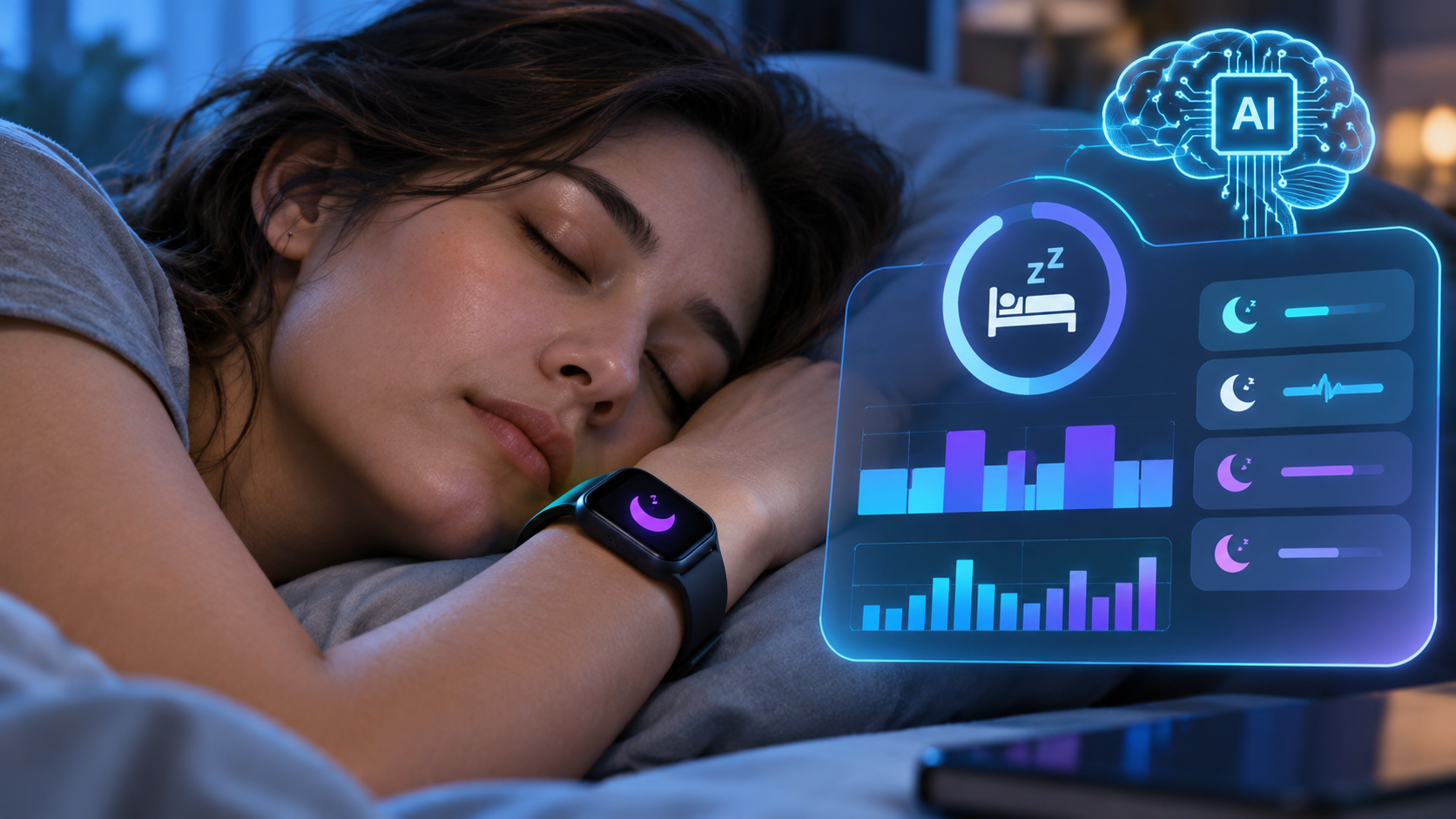
Wearable Sleep Tracking Algorithms are revolutionizing how we understand and improve our sleep health. In a world where sleep plays a crucial role in overall well-being, these algorithms help us tap into the mysteries of our nightly rest. By leveraging advanced technology, they provide insights that can enhance our daily lives, making the quest for quality sleep more accessible than ever before.
As wearable technology continues to advance, these devices have become indispensable tools for monitoring sleep patterns. From smartwatches to fitness trackers, each device offers unique features tailored to track our sleep cycles, helping users gain valuable data about their sleep quality. This technological evolution not only aids in personal health management but also contributes to a broader understanding of sleep as a vital component of health care.
The importance of wearable sleep tracking algorithms in today’s health technology landscape
In the fast-paced world we live in today, sleep health has emerged as a critical component of overall well-being. The significance of quality sleep cannot be overstated, as it plays a vital role in cognitive function, emotional stability, and physical health. With the advent of wearable technology, tracking sleep patterns has become more accessible and accurate, allowing individuals to prioritize their sleep health effectively.
Wearable sleep tracking algorithms have made significant strides in recent years, providing users with insights into their sleep quality and patterns. These advancements have revolutionized how we monitor our sleep, making it easier for users to recognize issues such as sleep apnea, insomnia, or other sleep disturbances. Modern devices utilize a combination of sensors, including accelerometers, heart rate monitors, and even advanced algorithms powered by artificial intelligence, to gather data on various sleep parameters. The technology not only tracks the duration of sleep but also analyzes sleep stages, including REM and deep sleep, providing users with a comprehensive view of their sleep health.
Advancements in wearable technology and their impact on sleep monitoring
The impact of wearable technology on sleep monitoring is profound, offering benefits that extend beyond mere data collection. As these tools evolve, they provide increasingly sophisticated insights, which can significantly enhance users’ understanding of their sleep habits.
The following key advancements illustrate how wearable devices improve sleep monitoring:
- Integration of biometric sensors: Modern wearables now feature a range of biometric sensors that monitor heart rate variability, oxygen saturation, and even skin temperature, offering a multifaceted view of sleep quality.
- AI-driven insights: Algorithms analyze collected data to deliver personalized recommendations, helping users optimize their bedtime routines and improve sleep hygiene.
- User-friendly interfaces: Enhanced app designs allow for easy navigation, enabling users to visualize their sleep patterns over time, thus encouraging proactive health management.
Incorporating these advancements, wearable devices actively motivate users to adopt healthier sleep practices. With features such as sleep reminders and guided relaxation techniques, they foster an environment conducive to restful sleep.
An essential aspect of this technology is its potential for long-term health monitoring. For instance, studies indicate that consistent tracking can help identify trends related to sleep quality and overall health, providing valuable data that may aid in the detection of chronic conditions. By leveraging technology in this way, individuals can make informed decisions that positively affect their well-being.
The different types of wearable devices that utilize sleep tracking algorithms
Wearable devices have revolutionized the way we monitor our health, particularly in understanding sleep patterns. Various types of devices, including smartwatches and fitness trackers, integrate advanced sleep tracking algorithms to provide users with insights into their sleep quality and duration. This technology not only helps individuals improve their sleep hygiene but also promotes overall well-being by monitoring health metrics during sleep.
Wearable devices employ a range of technologies to gather and process sleep data. These technologies typically include motion sensors, heart rate monitors, and even skin temperature sensors, which collectively contribute to an accurate analysis of sleep stages. When a user wears these devices overnight, they gather data such as movement, heart rate variability, and sometimes even blood oxygen levels. This data is then processed through sophisticated algorithms that categorize sleep into various stages: light sleep, deep sleep, and REM sleep.
Comparative Features of Wearable Devices
Understanding the features of different wearable devices is essential for choosing the right one for effective sleep tracking. Here’s a look at some of the prominent devices available in the market today, highlighting their unique sleep tracking functionalities:
- Fitbit Charge 5: This fitness tracker offers sleep score analysis, which combines data from heart rate, variability, and movement to provide insights. Its smart wake feature aims to wake users during their lightest sleep stage, ensuring a more refreshed feeling upon waking.
- Apple Watch Series 8: Equipped with sleep tracking capabilities, the Apple Watch offers detailed insights into sleep duration and quality. It utilizes a built-in accelerometer to monitor movements and provides personalized sleep coaching.
- Oura Ring: This innovative sleep tracker is worn as a ring and uses infrared sensors to monitor heart rate and body temperature. It provides a comprehensive sleep report with readiness scores, helping users understand their recovery status based on their sleep quality.
- Garmin Venu 2: This smartwatch not only tracks sleep stages but also provides insights into breathing patterns during sleep. Garmin’s Body Battery feature indicates energy levels throughout the day, which correlates with sleep quality.
These devices not only help users monitor their sleep but also encourage healthier sleep habits by providing actionable insights. Features such as sleep reminders, guided sleep exercises, and integration with wellness apps enhance the user experience, making it easier to prioritize sleep in a busy lifestyle. Overall, the evolution of sleep tracking algorithms in wearable technology represents a significant advancement in personal health management, helping users optimize their nightly rest for improved health outcomes.
Understanding the algorithms behind sleep tracking technologies
Wearable sleep trackers have revolutionized how we monitor our sleep patterns, relying heavily on sophisticated algorithms to decode the physiological signals they gather. These algorithms play a crucial role in interpreting data to provide a comprehensive analysis of a user’s sleep quality, duration, and stages. By leveraging various data points, such as heart rate, movement, and even skin temperature, these technologies provide users with insights that were once only available in laboratory settings.
The algorithms utilized in wearable sleep trackers are primarily based on signal processing and machine learning techniques. Each device may employ different methods, but most follow similar principles. Common algorithms include:
Types of Algorithms in Sleep Tracking
The algorithms can be categorized based on how they process and interpret the collected data. Here are a few types that are prevalent in the industry:
- Time-Domain Analysis: This method focuses on analyzing the raw data collected over time, such as the frequency of movements or fluctuations in heart rate. It helps in identifying sleep stages by recognizing patterns over specific intervals.
- Frequency-Domain Analysis: By converting time-domain signals into the frequency domain using techniques like Fourier Transform, this algorithm assesses the power of different frequency components, offering insights into sleep cycles and disturbances.
- Machine Learning Models: Advanced models trained on large datasets can predict sleep stages based on a combination of physiological signals. Algorithms like Support Vector Machines (SVM) or Neural Networks can provide highly accurate classifications of sleep states.
The effectiveness of these algorithms varies significantly. While some wearable devices boast a high accuracy rate, often achieving over 80% in matching sleep stages with polysomnography results, others may fall short.
“Accuracy in sleep tracking can greatly impact the reliability of the insights provided to users, ultimately influencing their sleep improvement strategies.”
For example, devices that combine multiple data sources tend to produce more reliable results, as they can cross-validate information from different physiological signals. A study comparing various trackers found that those incorporating heart rate variability and motion data offered improved accuracy, with some devices successfully distinguishing between REM sleep and deep sleep.
In summary, the algorithms behind wearable sleep tracking are complex and varied, relying on both established signal processing techniques and cutting-edge machine learning approaches. They interpret diverse physiological signals to deliver useful insights regarding sleep quality and patterns, ultimately aiding users in achieving better sleep health.
The role of machine learning in enhancing sleep tracking algorithms
Machine learning (ML) has emerged as a transformative force in the realm of wearable technology, particularly in sleep tracking algorithms. By leveraging vast amounts of data, ML enables devices to analyze sleep patterns with unprecedented accuracy and adaptability. This integration not only improves the overall user experience but also leads to better health outcomes by providing actionable insights based on individual sleep behaviors.
Machine learning encompasses algorithms and statistical models that empower systems to improve their performance on specific tasks by learning from data rather than following explicitly programmed instructions. In sleep tracking, this means that wearables can process diverse inputs—such as heart rate, movement, and environmental factors—to predict and analyze sleep quality more effectively than traditional methods.
Examples of machine learning improvements in sleep tracking
The application of machine learning in sleep tracking algorithms has shown substantial enhancements through various methods. Some noteworthy examples include:
1. Personalized Sleep Recommendations: Machine learning algorithms analyze historical sleep data to offer tailored advice on optimal sleep times and conditions. For instance, devices may suggest adjusting bedtime based on previous patterns to maximize restful sleep.
2. Enhanced Sleep Stage Detection: By employing deep learning techniques, sleep trackers can better distinguish between different sleep stages—such as REM, light, and deep sleep—by analyzing complex patterns in biometric data. This leads to more accurate sleep staging compared to standard algorithms.
3. Anomaly Detection: Machine learning models can identify deviations from normal sleep patterns, alerting users to potential issues like sleep apnea or insomnia. For example, if a user consistently shows irregular heart rates during sleep, the system may flag this for further investigation.
4. Integration of Environmental Data: Advanced ML algorithms can correlate sleep quality with external factors such as noise levels, room temperature, and light exposure. This holistic approach enables users to adjust their environments for improved sleep quality.
Machine learning is set to further revolutionize sleep tracking technology. As wearable devices become more sophisticated, future trends may include real-time feedback mechanisms driven by AI, enabling users to make immediate adjustments to their sleep habits based on machine learning insights. Additionally, the integration of predictive analytics could lead to proactive health interventions, identifying potential sleep disorders before they manifest in symptoms. The evolution of these technologies promises not only enhanced personal health management but also a broader understanding of sleep’s critical role in overall well-being.
Data privacy and security concerns with wearable sleep tracking devices
Wearable sleep tracking devices have surged in popularity, offering insights into our sleep patterns and overall health. However, with this convenience comes a host of data privacy and security concerns that users should be aware of. The data collected by these devices often includes sensitive personal information, raising questions about how this data is stored, shared, and potentially exploited.
One of the key risks associated with data collection from wearable sleep trackers is the potential for unauthorized access to personal health data. These devices are typically connected to the internet and often sync data to cloud services, creating opportunities for cyberattacks. A breach could expose an individual’s sleep patterns, health issues, or even specific behavioral habits, leading to misuse of this information. Moreover, many users may not be fully aware of the comprehensive data collection practices of these devices, as well as the extent to which their data might be shared with third parties, such as advertisers or researchers.
Best practices for users to protect their sleep data privacy
To safeguard their sleep data privacy, users should adopt several best practices. Understanding these strategies is essential for individuals who rely on wearable technology and wish to maintain control over their personal information.
- Review privacy policies: Users should carefully read the privacy policies of their devices and associated apps to understand what data is being collected, how it is used, and whether it is shared with third parties.
- Use strong, unique passwords: Setting strong passwords for accounts linked to wearable devices can help prevent unauthorized access. Multi-factor authentication adds an additional layer of security.
- Limit data sharing: Users should opt-out of sharing their data with third parties whenever possible, especially for marketing purposes.
- Regularly update software: Keeping the device’s firmware and app software updated ensures that the latest security protocols are in place, protecting against potential vulnerabilities.
- Turn off data collection features: If specific features aren’t needed, users can disable data collection on their devices to minimize the amount of data stored online.
Regulatory measures play a crucial role in protecting user data by establishing standards that companies must follow. Various data protection laws, such as the General Data Protection Regulation (GDPR) in Europe and the California Consumer Privacy Act (CCPA) in the United States, impose requirements on how personal data is handled. These regulations emphasize user consent, require transparency in data processing, and provide users with rights to access, rectify, or delete their personal information. Companies that fail to comply with these regulations face significant penalties, incentivizing them to prioritize user data security and privacy.
It is clear that while wearable sleep tracking devices can significantly enhance our understanding of health and wellness, users must remain vigilant about their data privacy and security.
The future of wearable sleep tracking algorithms and their potential impact on health care
As wearable technology continues to evolve, so does its potential to transform health care, particularly in the realm of sleep health management. The advancement of sleep tracking algorithms is poised to not only enhance our understanding of sleep patterns but also improve overall health outcomes. In this discussion, we will delve into the emerging trends and breakthroughs in wearable sleep tracking technology and their implications for health care providers.
Emerging Trends in Sleep Tracking Technology
Recent years have witnessed significant developments in wearable technology aimed at improving sleep quality. These advancements include the integration of artificial intelligence and machine learning into sleep tracking algorithms. Such technologies allow for more personalized and accurate assessments of individual sleep patterns. Here are some notable trends:
- Integration with Smart Home Devices: Wearable sleep trackers are increasingly compatible with smart home systems, enabling a holistic approach to sleep health. Devices can automatically adjust lighting, temperature, and sound based on the user’s sleep stage.
- Real-Time Data Analysis: Improved algorithms provide real-time insights into sleep quality, enabling users to make immediate adjustments to their nightly routines.
- Focus on Mental Health: Emerging wearables are incorporating features that monitor stress levels and emotional well-being, recognizing the link between sleep and mental health.
“Sleep is the best meditation.” – Dalai Lama
Furthermore, breakthroughs in biometrics are enhancing the capabilities of sleep tracking devices. New sensors can monitor respiratory patterns, heart rate variability, and even blood oxygen levels during sleep. These metrics provide critical insights into one’s overall health status and can serve as early warning signs for potential health issues.
Implications for Health Care Providers
The advancements in wearable sleep tracking algorithms can greatly influence health care practices. Health care providers can utilize data obtained from these devices to tailor treatment plans for patients struggling with sleep disorders. The use of objective data allows for more evidence-based approaches to managing conditions such as insomnia and sleep apnea.
As wearables become commonplace, health care providers will need to adapt their strategies to incorporate these insights into their practices. Regular collaboration with technology developers can ensure that algorithms remain clinically relevant and beneficial for patient care. Additionally, providers may find opportunities to educate patients on the significance of sleep hygiene, further promoting overall health.
In conclusion, the future of wearable sleep tracking algorithms holds promise for enhanced sleep health management. As these technologies evolve, they will likely empower individuals and health care providers alike to achieve better sleep outcomes, leading to improved quality of life.
Real user experiences with wearable sleep tracking algorithms and their insights
Wearable sleep tracking devices have gained tremendous popularity, offering users insight into their sleep patterns and overall health. As more individuals incorporate these technologies into their nightly routines, a wealth of experiences and testimonials has emerged, showcasing the diverse range of outcomes and insights gained from these devices.
Users often share their stories about how wearable sleep tracking has transformed their understanding of sleep quality. Common themes arise in user feedback, revealing the multifaceted impacts these devices have on both sleep behavior and lifestyle adjustments. Many users report noticing significant differences in their sleep quality after tracking their sleep patterns over time. Notably, individuals have discovered correlations between their daily habits—such as caffeine intake, exercise, and screen time—and their sleep performance.
User testimonials and common themes
Reflecting on user experiences, several notable patterns emerge. The first relates to enhanced awareness. Numerous users highlight how tracking their sleep has increased their consciousness of sleep hygiene. For example, a user named Sarah shared, “After realizing I was getting less deep sleep than I thought, I started to prioritize winding down with a book instead of scrolling on my phone.” Such behavioral adjustments often lead to noticeable improvements in sleep quality.
Another common theme is the motivation for lifestyle changes. Many testimonials reveal that users have been inspired to adopt healthier routines as a direct result of sleep data. A user named Ben stated, “The insights I gained pushed me to exercise more regularly. I noticed a direct link between my activity levels and how well I slept.” This connection between sleep data and lifestyle choices is a critical factor in how these devices shape user experiences.
Moreover, users express a desire for technology to evolve. Many recommend enhanced features such as advanced analytics or personalized sleep coaching. The feedback indicates a growing expectation for sleep tracking devices to provide more than just data, urging developers to create solutions that offer actionable insights and tailored recommendations.
In summary, real user experiences underscore the transformative potential of wearable sleep tracking algorithms, revealing how awareness and motivation can lead to healthier sleep patterns. The collective experiences of users drive ongoing developments in sleep technology, paving the way for smarter, more insightful solutions in the future.
End of Discussion
In summary, the journey through the world of Wearable Sleep Tracking Algorithms highlights their incredible potential to transform our approach to sleep health. With ongoing advancements, the integration of machine learning, and a focus on data privacy, these technologies are set to shape the future of health care. As users share their experiences, we gain insights that will lead to even better sleep solutions, ensuring we can all enjoy restorative nights of sleep.
Frequently Asked Questions
What types of data do wearable sleep trackers collect?
Wearable sleep trackers typically collect data on sleep duration, sleep stages, heart rate, and movement during sleep.
Are wearable sleep trackers accurate?
While wearable sleep trackers can provide valuable insights, their accuracy may vary between devices and algorithms; they are generally more reliable for sleep duration than for detailed sleep stages.
Can wearable sleep trackers help with sleep disorders?
Yes, they can help users identify patterns and issues that may indicate sleep disorders, facilitating discussions with healthcare providers for further evaluation.
How can I improve the accuracy of my sleep tracker?
To improve accuracy, ensure the device is worn correctly, maintain consistent sleep schedules, and regularly update the device’s software.
Do wearable sleep trackers require a smartphone?
Most wearable sleep trackers sync with a smartphone app for data analysis, but some models can also function independently.