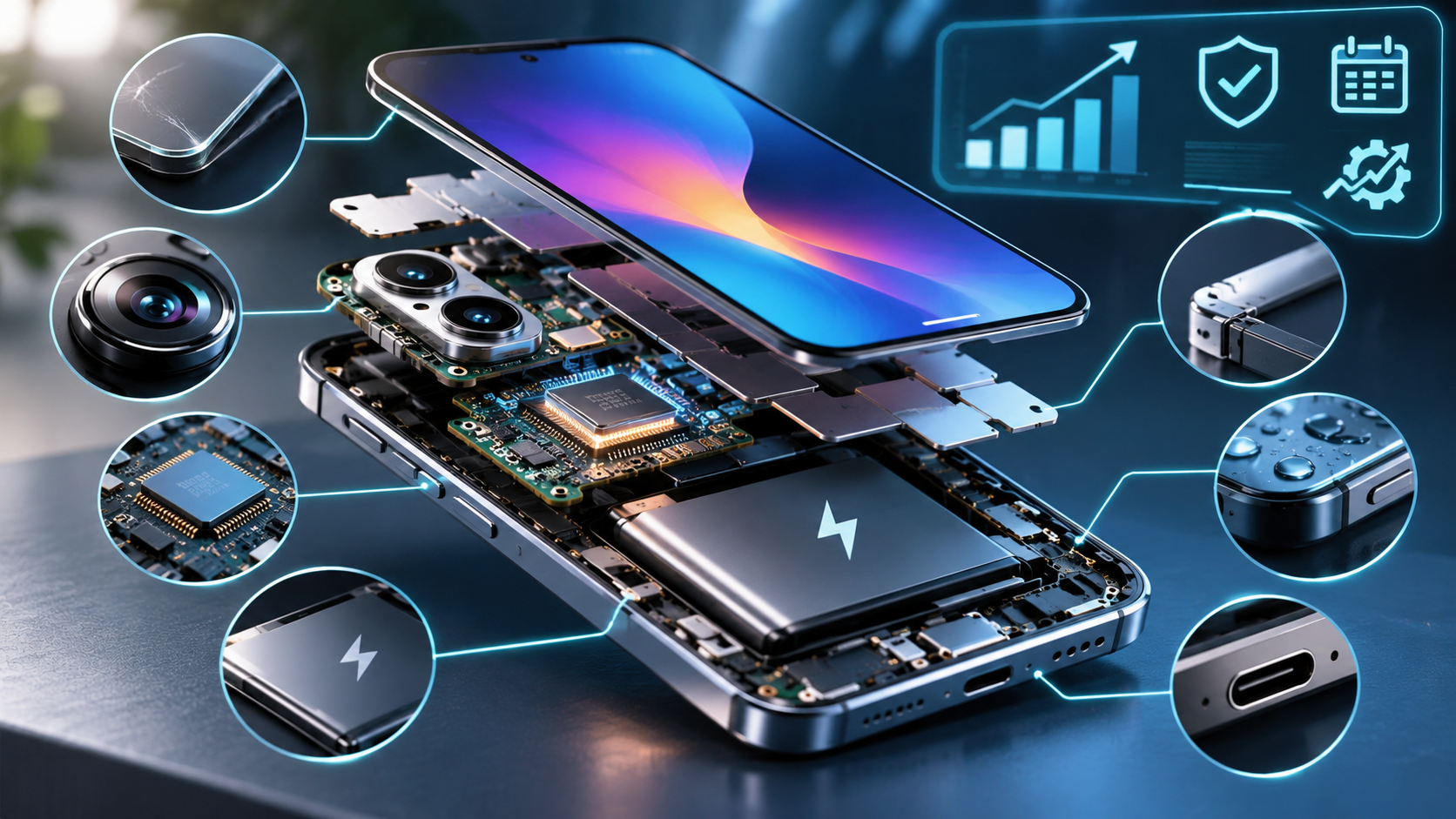
Smartphone Component Durability is more than just a buzzword; it’s a vital aspect influencing consumer choices in today’s tech-savvy world. As smartphones become an integral part of our daily lives, the durability of their components has become paramount. With expectations for longer-lasting devices rising, understanding what makes a smartphone durable and how it impacts performance is crucial for users and manufacturers alike.
In this comprehensive exploration, we will dive into the materials that shape smartphone components, the testing methods employed to evaluate their durability, and the design innovations that enhance resilience. As we navigate through the latest trends and real-world examples, it will become clear how durability affects not only consumer satisfaction but also brand reputation and economic factors.
The Importance of Smartphone Component Durability in Modern Devices
In today’s fast-paced digital world, the durability of smartphone components plays a pivotal role in influencing consumer choices. With increasing reliance on smartphones for various tasks, consumers are becoming more discerning about the quality and resilience of the devices they invest in. A smartphone that can withstand daily wear and tear, accidental drops, and environmental factors is increasingly appealing. This shift in perspective is shaping not only purchasing decisions but also the design and manufacturing processes of modern smartphones.
Durability influences consumer choice significantly due to the practical implications of a smartphone’s lifespan and reliability. A durable device often correlates with fewer repairs and replacements, translating into long-term savings for the user. According to recent surveys, more than 70% of consumers indicate that they consider durability a top priority when selecting a smartphone. Notably, this trend is not limited to high-end models; budget-conscious buyers also seek robust devices that offer excellent durability without breaking the bank. The demand for durability has led manufacturers to focus on enhancing various components of smartphones, ensuring they can endure the rigors of everyday use.
Components Contributing to Overall Durability
The durability of a smartphone is a multifaceted aspect, encompassing several key components that collectively define its resilience. Understanding these components can help consumers make informed decisions when choosing a device. Here are the primary elements that contribute to a smartphone’s durability:
- Display Glass: Modern smartphones often use Gorilla Glass or similar materials that provide scratch resistance and can withstand impact. A robust display is crucial, as it is the most exposed part of the device.
- Chassis Material: The frame or body of the smartphone is typically made from materials such as aluminum, stainless steel, or reinforced plastic. These materials enhance structural integrity and protect internal components.
- Water and Dust Resistance: Many smartphones now feature IP ratings, indicating their resistance to water and dust infiltration, which is essential for longevity in various environments.
- Battery Quality: A durable battery not only lasts longer between charges but also withstands temperature fluctuations and physical stress, contributing to the overall lifespan of the device.
- Internal Components: The quality of internal components—such as circuit boards, connectors, and sensors—affects durability. High-quality materials and protective coatings ensure longevity.
As consumer expectations evolve, there is an increasing demand for smartphones that can endure a variety of conditions. Recent trends highlight a preference for devices that offer military-grade durability or enhanced resistance to drops and water exposure. Brands are responding by integrating advanced materials and technologies, such as shock-absorbent designs and nano-coatings, which further enhance the durability of smartphones. For instance, some flagship models now advertise a higher IP rating and drop test certification, appealing to the adventurous modern user who values rugged performance alongside sleek design. Overall, the emphasis on durability reflects a broader understanding of consumer needs in an era where smartphones are essential tools in everyday life.
Materials Used in Smartphone Components and Their Durability
Smartphones are complex devices made up of a variety of materials, each selected for its unique properties that contribute to the overall performance and durability of the device. Understanding these materials helps in appreciating how they affect the longevity and functionality of smartphones, which are subjected to daily wear and tear.
The materials used in smartphone manufacturing can be classified into several categories, each playing a crucial role in the durability of specific components. For example, metals such as aluminum and stainless steel are commonly used for the smartphone chassis due to their strength and resistance to corrosion. On the other hand, glass is often used for screens, providing both aesthetics and user interface functionality but requiring careful consideration for durability to prevent breakage.
Comparison of Traditional and Advanced Materials
In recent years, advancements in technology have led to the development of new materials that enhance the performance and longevity of smartphones. A comparison between traditional and advanced materials reveals significant differences in durability and application.
Traditional materials such as plastic and glass were once the mainstay of smartphone design. While plastic is lightweight and cost-effective, it can be susceptible to scratches and deformation over time. Glass, although it can provide a sophisticated look, often requires additional protection to withstand drops and impacts. Advanced materials, like Gorilla Glass and titanium alloys, are engineered to provide much greater resistance to damage.
Some notable differences include:
- Gorilla Glass: This durable glass is chemically strengthened to resist scratches and impact, making it a popular choice for smartphone screens. Its ability to withstand drops is significantly greater than traditional glass.
- Titanium: Used in high-end smartphones, titanium offers a superior strength-to-weight ratio compared to aluminum, providing excellent durability while maintaining a lightweight profile.
- Carbon Fiber: Known for its incredible strength and low weight, carbon fiber is increasingly being used in smartphone design, especially in premium models, to enhance durability without adding bulk.
The shift to advanced materials not only improves the overall durability of smartphones but also positively affects their performance. For instance, the use of advanced composites can help reduce weight, allowing for larger batteries and enhanced functionality without compromising structural integrity.
“Advanced materials not only improve durability but also enhance performance by allowing for innovative designs that were previously infeasible.”
This evolution in materials is pivotal in addressing user demands for longer-lasting devices that can withstand the rigors of everyday use, ensuring that smartphones remain reliable tools in our daily lives.
Testing Methods for Evaluating Smartphone Component Durability
Smartphone durability testing has become increasingly vital as consumers demand devices that withstand daily wear and tear. Manufacturers deploy various standard testing procedures to assess how well components hold up under stress. These testing methods ensure that smartphones not only meet consumer expectations but also comply with industry standards for durability.
Standard testing procedures for evaluating smartphone component durability include mechanical, thermal, and environmental testing. Mechanical testing typically involves drop tests, where devices are dropped from specific heights onto different surfaces to evaluate how well they can endure impact. This can be performed using robotic drop testers that precisely control the drop height and angle, providing consistent results. Thermal testing assesses how components react to extreme temperatures, both hot and cold, ensuring that materials do not warp or fail under different environmental conditions. Environmental testing examines devices in various humidity and dust levels, simulating real-world scenarios to determine how exposure affects performance over time.
Innovative Testing Technologies
Recent years have witnessed the emergence of innovative testing technologies that further enhance the evaluation of smartphone durability. One notable advancement is the use of automated testing machines that can replicate real-world usage scenarios in a controlled environment. These machines can simulate thousands of cycles of wear and tear in a fraction of the time it would take for manual testing.
Another significant innovation is the application of data analytics and machine learning to predict component failure. By analyzing historical failure data, manufacturers can identify weak points in their designs and improve them before the product reaches consumers. Additionally, technologies like thermal imaging are being used to monitor heat generation in real-time during testing. This helps in identifying potential overheating issues that could lead to premature failure.
Role of Consumer Feedback in Shaping Testing Methods
Consumer feedback plays a crucial role in shaping testing methods for durability. Manufacturers actively solicit information from users regarding their experiences with smartphone durability. This feedback provides valuable insights into which components are most susceptible to damage in everyday use. For instance, if users frequently report cracked screens, manufacturers may prioritize strengthening screen materials and enhancing protective features in future models.
By analyzing patterns in consumer feedback, companies adapt their testing protocols to better reflect real-world usage. This not only leads to improved product designs but also helps in establishing trust between the brand and its customers. Companies that demonstrate responsiveness to consumer concerns can enhance their reputation and foster customer loyalty in a competitive market.
The Role of Design in Enhancing Smartphone Component Durability
Smartphone design plays a crucial role in determining the durability of its components. As manufacturers strive to create sleek and visually appealing devices, the choices made in design often directly affect how well the phone can withstand the rigors of daily use. In this discussion, we will delve into how design influences durability, highlight innovations that have made significant impacts, and address the challenges designers face in achieving a balance between aesthetics and functionality.
Impact of Design Choices on Durability
The design of a smartphone encompasses various factors that can enhance or compromise its durability. For instance, the materials used in constructing the casing, the arrangement of internal components, and even the choice of color and finish can have implications for strength and resilience.
One notable example is the use of Gorilla Glass for smartphone screens. This specially designed glass is not only scratch-resistant but also engineered to absorb impact, significantly reducing the likelihood of cracks from drops. Similarly, manufacturers increasingly employ aluminum and reinforced plastics for the chassis, offering a lightweight yet durable alternative to traditional materials. The design of the internal layout can also contribute to cooling efficiency, which can prolong the life of sensitive components like the processor and battery.
“Smartphones designed with impact-absorbing materials can reduce damage sustained from drops and collisions.”
Innovations Enhancing Durability
Recent smartphone models showcase several design innovations aimed at improving durability. These advancements include:
- Water and Dust Resistance: IP ratings, such as IP68, indicate that devices can withstand immersion in water and prevent dust ingress, which enhances their longevity.
- Ruggedized Designs: Brands like CAT and Samsung have introduced rugged models that use reinforced corners and shock-absorbing materials specifically designed for extreme conditions.
- Modular Components: Some manufacturers are adopting modular designs that allow for easy replacement of damaged parts, which can extend the life of the device.
The implementation of these features illustrates how thoughtful design can mitigate wear and tear, making smartphones more resilient in everyday scenarios.
Challenges in Balancing Aesthetics and Durability
While enhancing durability is a priority for designers, it often comes with the challenge of maintaining an attractive aesthetic. Consumers increasingly favor sleek, slim devices that are visually appealing, which can conflict with the need for robust protective features.
Designers face the difficult task of integrating strong materials without adding excessive weight or bulk to the device. For instance, while a thicker casing might provide greater protection, it may compromise the sleek profile that is highly desired by users. Additionally, the choice of colors and finishes can affect the visibility of scratches and wear, leading to decisions that might prioritize aesthetics over long-term durability.
“Achieving a balance between a stylish design and durable construction is one of the most significant challenges faced by smartphone manufacturers.”
Ultimately, thoughtful designs that prioritize both aesthetic and functional elements can lead to more durable smartphones, impacting user satisfaction and product longevity.
Impact of Environmental Factors on Smartphone Component Durability
Smartphones are essential tools in our daily lives, yet their durability can be significantly affected by various environmental factors. Understanding how elements like temperature, humidity, and exposure to elements can degrade smartphone components is crucial for both manufacturers and users. This knowledge helps in designing better devices and taking appropriate measures to protect them.
Extreme temperatures can pose serious risks to smartphone components. High temperatures can cause batteries to expand or even explode, while low temperatures may lead to decreased battery life and performance. For instance, leaving a smartphone in a hot car can lead to overheating, affecting the screen and internal circuitry. On the other hand, extremely cold conditions can result in sluggish performance or even device malfunction.
Humidity is another critical factor affecting smartphones. High humidity can lead to condensation inside the device, potentially damaging sensitive electronic components. Moisture can corrode circuit boards and connectors, leading to hardware failures. Conversely, very low humidity can cause static electricity buildup, which may discharge and damage internal components.
Manufacturers implement a variety of strategies to mitigate the effects of these environmental influences. For example, many smartphones are designed with better sealing techniques and materials that resist moisture intrusion. Additionally, they often use temperature-resistant materials in critical components, such as batteries and screens. Some smartphones even come with IP ratings, indicating their resistance to dust and water, which is a significant selling point in today’s market.
Users can also take proactive steps to protect their devices from environmental wear and tear. Here are some effective strategies:
- Using protective cases that offer both cushioning and weather resistance to guard against extreme temperatures and moisture.
- Avoiding exposure to direct sunlight for extended periods to prevent overheating.
- Keeping devices away from humid environments, such as bathrooms, and avoiding usage in rainy conditions.
- Regularly updating software, which can improve device efficiency and reduce heat generation during use.
Incorporating these protective measures can significantly enhance the lifespan of smartphones and maintain their performance, ensuring that they serve users effectively over time.
Future Trends in Smartphone Component Durability
As the smartphone industry continues to evolve, the focus on durability is becoming increasingly prominent. Manufacturers are not only striving to create devices that last longer but also ones that can withstand the rigors of daily use. In the future, we can anticipate advancements in materials and technology that will significantly enhance the durability of smartphone components.
Advancements in Materials and Technology
Innovations in materials science are paving the way for stronger, more resilient smartphone components. Recent trends indicate a shift towards the use of advanced materials such as graphene and ceramics, which are known for their superior strength-to-weight ratio and scratch resistance. For example, graphene, a single layer of carbon atoms arranged in a two-dimensional lattice, has been hailed as a game-changer due to its remarkable tensile strength and flexibility.
Additionally, manufacturers are exploring new coating technologies, such as nano-coatings that repel water and dirt, offering enhanced protection against environmental factors. These coatings can provide smartphones with a level of water resistance far beyond what is currently standard, helping to mitigate damage from spills or rain.
Another promising development involves the integration of flexible displays and components, allowing devices to withstand bending and dropping without compromising functionality. The use of foldable technology is becoming more mainstream, and as manufacturers refine these designs, we can expect even greater durability in smartphones.
Emerging Consumer Preferences
Consumer preferences are shifting towards more durable smartphones as users become increasingly aware of the long-term value of investing in robust devices. Many buyers are now prioritizing features such as shock resistance, scratch-proof screens, and overall build quality when selecting a smartphone.
As sustainability becomes a priority, consumers are also seeking devices that can withstand the test of time, reducing the frequency of replacements. This trend is driving manufacturers to focus on producing long-lasting products that can remain functional for years, aligning with ecological considerations.
A survey conducted by industry analysts showed that approximately 70% of consumers prefer mobile devices with enhanced durability features, highlighting the growing importance of this aspect within the competitive smartphone market.
Forecast for Durability Innovations
Looking ahead to the next decade, we can expect significant innovations in smartphone durability. As technology advances, manufacturers will likely utilize artificial intelligence and machine learning to enhance the design process, optimizing component resilience based on predictive analytics.
Moreover, the integration of biomaterials into smartphone production could emerge as a revolutionary trend, where components are made from renewable resources yet maintain durability comparable to traditional materials. This approach aligns with global sustainability goals and could lead to a new standard in smartphone manufacturing.
In summary, the next ten years will likely witness a paradigm shift in how smartphones are built, with an emphasis not only on durability but also on sustainable practices. The continuous evolution of materials, consumer demands, and technological advancements will drive the industry towards creating devices that are not only tough but also environmentally responsible.
Real-World Examples of Smartphone Durability Failures
Smartphones are essential devices in our daily lives, but their durability can sometimes fall short of expectations. Several high-profile cases of smartphone durability failures have raised concerns about how these issues impact brands and consumer trust. By examining notable incidents, we can gain insights into the implications of these failures and learn valuable lessons that may influence the design of future models.
Notable Durability Issues in Popular Smartphone Models
Many well-known smartphone models have experienced significant durability failures that not only affected user experience but also damaged brand reputation. Below are key examples illustrating these issues:
- Apple iPhone 6 Plus Bendgate: The iPhone 6 Plus garnered considerable media attention when users reported that the device could bend under pressure, particularly when kept in pockets. This led to the term “Bendgate,” which highlighted the structural weaknesses of the phone. Apple’s initial dismissal of the issue added to consumer frustration, impacting brand loyalty.
- Samsung Galaxy Note 7 Battery Explosions: The Galaxy Note 7 faced severe backlash due to its batteries catching fire and exploding. Samsung’s response involved a global recall, costing the company billions and leading to a significant loss of consumer trust. This incident emphasized the importance of quality control and safety in smartphone manufacturing.
- Google Pixel 2 XL Screen Burn-In: Users of the Pixel 2 XL reported issues with screen burn-in, where persistent images would remain visible on the screen over time. This problem prompted discussions about display technology and led to dissatisfaction among consumers who expected high-quality performance from premium devices.
The implications of such durability failures extend beyond immediate consumer dissatisfaction. Each incident has the potential to erode trust in the brand and its products, leading to long-term consequences for sales and market position.
“Durability failures can significantly harm a brand’s reputation, making it crucial for manufacturers to prioritize product quality and user feedback.”
Lessons learned from these failures have shaped future smartphone designs. Manufacturers are increasingly emphasizing robust materials, improved quality control processes, and user-centric design approaches. This evolution aims to prevent similar issues and restore consumer confidence in smartphone durability.
By studying these examples, we see how real-world experiences of durability failures directly influence both consumer perceptions and the ongoing improvements in smartphone technology.
The Economic Impact of Smartphone Component Durability
The durability of smartphone components plays a significant role in shaping the economic landscape for both manufacturers and consumers. As smartphones become an integral part of daily life, the financial implications of their durability cannot be overlooked. From reduced manufacturing costs to the long-term savings for consumers, this aspect of smartphone production has far-reaching effects on the overall economy.
Investing in durable components can seem like a higher upfront cost for manufacturers; however, this investment often leads to greater long-term profitability. Durable components tend to reduce the frequency of replacements and repairs, allowing manufacturers to allocate resources more efficiently and minimize waste. Furthermore, consumers benefit from increased longevity and reliability, translating to less frequent purchases and repairs.
Financial Implications for Manufacturers and Consumers
The financial impact of smartphone component durability can be analyzed through several key factors, including cost savings, warranty claims, and after-sales service costs. Understanding these factors is crucial for both manufacturers and consumers when making financial decisions.
Firstly, the cost-benefit analysis of investing in durable components versus cheaper alternatives highlights the potential for significant savings over time. Manufacturers may initially face higher production costs, but these can be offset by:
- Fewer Replacements: Durable components decrease the likelihood of consumers needing to replace devices frequently, thus increasing brand loyalty and maintaining a steady revenue stream.
- Reduced Warranty Claims: Higher durability means fewer defects and breakdowns, leading to a decrease in warranty claims which can be costly for manufacturers.
- Lower After-Sales Service Costs: Investing in durable components can reduce the costs associated with customer support and repairs, as durable devices require less maintenance.
Additionally, consumers experience financial benefits from purchasing smartphones with durable components. While the initial cost might be higher, the investment pays off in several ways:
- Longer Device Lifespan: Consumers enjoy the advantages of using devices that last longer, reducing the need for frequent upgrades.
- Less Frequent Repairs: Durability means that phones are less likely to break or malfunction, leading to lower repair costs.
- Higher Resale Value: Durable phones often retain their value better over time, providing consumers with a better return on investment when they decide to sell or trade in their devices.
In summary, the economic impact of smartphone component durability extends beyond mere production costs. By emphasizing quality and longevity, manufacturers can improve their bottom line while providing consumers with devices that offer better value and reliability. This symbiotic relationship ultimately contributes to a healthier and more sustainable smartphone market.
Closing Summary
In conclusion, as we look ahead, the emphasis on Smartphone Component Durability will only increase, shaping the future of mobile technology. Manufacturers must adapt to consumer demands for more robust devices while balancing aesthetics and functionality. By understanding the nuances of durability, both users and companies can make informed decisions that lead to a more satisfying smartphone experience.
Q&A
What are the most durable smartphone materials?
Materials like Gorilla Glass, aluminum, and reinforced plastics are known for their durability and resistance to damage.
How does environmental exposure affect smartphone durability?
Environmental factors like temperature and humidity can weaken components, causing issues such as screen fragility or battery performance degradation.
Are more expensive smartphones always more durable?
Not necessarily; while premium devices often use better materials, durability also depends on design and manufacturing quality.
How can users protect their smartphones from damage?
Using screen protectors, sturdy cases, and avoiding extreme conditions can significantly enhance a smartphone’s lifespan.
What role does consumer feedback play in durability testing?
Consumer feedback helps manufacturers identify real-world durability issues and refine testing methods to enhance product resilience.