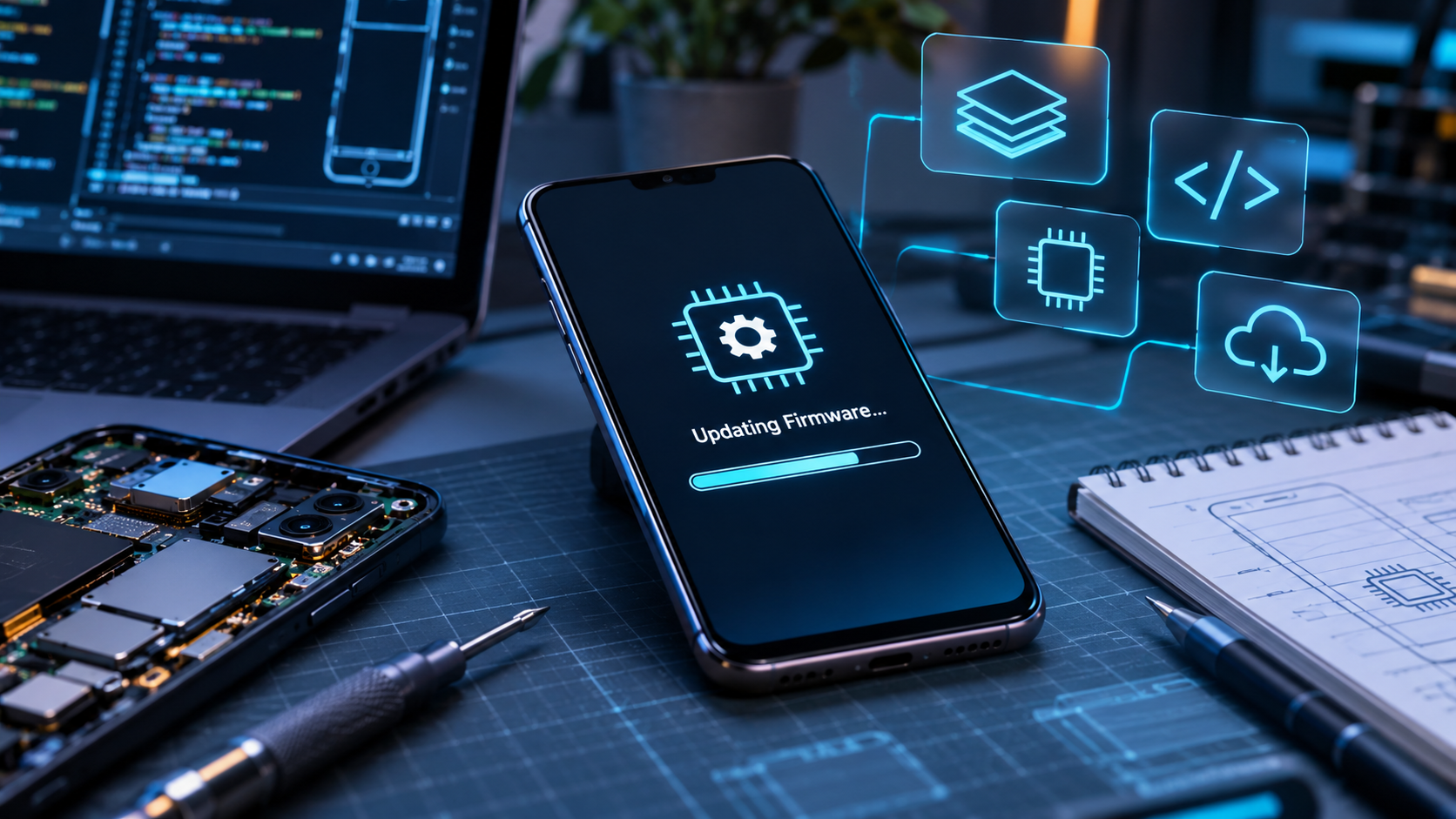
Smartphone Firmware Engineering serves as the unseen backbone of our mobile devices, orchestrating their functionality and user experience. It’s a field that often goes unnoticed, yet it holds critical importance in how our smartphones operate efficiently and securely. Understanding the intricacies of firmware engineering opens up a fascinating realm where software and hardware converge, enabling everything from basic phone calls to advanced AI capabilities.
This exploration into Smartphone Firmware Engineering touches on fundamental concepts, the development lifecycle, and the unique challenges faced by engineers in this dynamic environment. By delving into embedded systems and security considerations, we gain insight into the essential role that firmware plays in the overall smartphone ecosystem. Additionally, looking towards future trends reveals how innovations will continue to shape this essential aspect of technology.
The Fundamental Concepts of Smartphone Firmware Engineering
Firmware engineering for smartphones encompasses a variety of fundamental concepts that play a crucial role in device functionality and performance. Firmware is the specialized software that provides low-level control for a device’s specific hardware, functioning like an intermediary between the operating system and hardware components. Understanding the principles of smartphone firmware engineering is essential for developing and maintaining the increasingly complex ecosystem of modern mobile devices. This exploration will delve into the basic definitions, key components, and the critical role of firmware within the smartphone ecosystem.
Smartphone firmware engineering revolves around several key principles that guide the development and design of firmware. It is not merely about writing code; it involves an understanding of hardware-software interaction, optimization for performance, and ensuring device stability and security. Essential definitions include:
– Firmware: A specialized software programmed into the device’s read-only memory (ROM) that provides the necessary instructions for how the device communicates with its hardware components. Unlike standard software updates, firmware is typically embedded and requires specific updates to enhance functionality or correct issues.
– Bootloader: The initial program that runs when a smartphone is powered on. It loads the operating system and is crucial for system recovery and firmware updates.
– Device Drivers: Software components that allow the operating system to communicate with hardware devices, ensuring that the various parts of the phone, like cameras and sensors, function correctly.
The key components of smartphone firmware include the bootloader, device drivers, and various firmware images for different hardware components. Each of these elements plays a critical role in the overall smartphone functionality:
– Bootloader: As the first point of contact after powering up, the bootloader initializes the hardware and loads the operating system. Properly functioning bootloaders are critical for device recovery and updates, ensuring that users can restore their devices in case of errors.
– Device Drivers: These act as translators between the operating system and hardware. For example, the camera driver converts commands from the OS into instructions the camera hardware can understand, enabling smooth operation.
– Firmware Images: These are specific to the device’s hardware components and contain the necessary instructions for each piece of hardware. For instance, the firmware for a smartphone’s Wi-Fi module ensures it can connect to networks effectively.
The importance of firmware in the smartphone ecosystem cannot be overstated. Firmware acts as the backbone of device functionality, affecting performance, security, and user experience. Without proper firmware, smartphones would struggle to operate efficiently, leading to a negative user experience characterized by slow performance, poor battery management, and potential security vulnerabilities.
In summary, smartphone firmware engineering relies on a combination of specialized software and hardware interaction principles. The bootloader, device drivers, and firmware images work together to create a seamless user experience, highlighting the significance of firmware in the smartphone ecosystem. A well-designed firmware can enhance device performance, improve security measures, and extend the lifespan of hardware components, ultimately leading to a more reliable and enjoyable user experience.
The Development Lifecycle of Smartphone Firmware
The development lifecycle of smartphone firmware is a structured process that ensures the proper functioning and performance of mobile devices. This lifecycle encompasses multiple stages, from conception and design to deployment and maintenance. Each phase plays a crucial role in delivering high-quality firmware that meets user expectations and device requirements.
Stages of Firmware Development
The firmware development process typically involves several key stages, each critical for ensuring that the end product is reliable and efficient. These stages include:
- Requirements Gathering: This initial phase involves identifying the specific needs and functionalities that the firmware must support. Input from stakeholders, including hardware designers and end-users, is collected to create a clear set of requirements.
- Design: In this stage, developers Artikel the architecture of the firmware. This includes deciding on the software interfaces, data structures, and protocols that will be used. A clear design helps guide the subsequent implementation phase.
- Implementation: During implementation, developers write the actual code based on the design specifications. This phase often employs specific coding standards and practices to ensure consistency and maintainability.
- Testing: A critical phase where the firmware is rigorously tested to identify and fix bugs. Various testing methods, including unit tests, integration tests, and system tests, are used to ensure that the firmware operates correctly in various scenarios.
- Deployment: Once testing is complete and the firmware is stable, it is deployed to devices. This stage may involve over-the-air updates or manual installations depending on the device and firmware version.
- Maintenance: After deployment, the firmware enters the maintenance phase, where ongoing support is provided. This includes releasing updates to fix bugs, add features, or improve performance based on user feedback.
Methodologies Used in Firmware Development
Various methodologies guide the firmware development process, each with its strengths and contexts of use. Two of the most common methodologies are Agile and Waterfall.
- Agile: This iterative approach allows for incremental development and flexibility. Agile methodologies prioritize collaboration and adaptability, making them suitable for projects where requirements may change over time. For example, many smartphone manufacturers use Agile practices to respond quickly to market demands and user feedback, allowing for rapid firmware updates.
- Waterfall: In contrast, the Waterfall model follows a linear and sequential approach. Each phase must be completed before moving on to the next, which can be advantageous for projects with well-defined requirements. While less flexible than Agile, Waterfall is often used in situations where thorough documentation and a structured process are paramount, such as in regulatory environments.
Testing and Validation Phases
Testing and validation are paramount in the firmware development lifecycle, ensuring the final product is stable and reliable. This phase involves several critical steps:
- Unit Testing: Individual components of the firmware are tested in isolation to ensure they function correctly. This step is vital for identifying bugs early in the development process.
- Integration Testing: After unit testing, different modules are combined and tested as a group. This phase verifies that the interactions between components behave as expected.
- System Testing: The entire firmware solution is tested in a simulated environment that mimics real-world conditions. This includes testing on various hardware configurations to ensure compatibility and performance.
- User Acceptance Testing (UAT): Conducted by end-users, this phase validates the firmware against user requirements. Feedback from UAT is crucial for making final adjustments before deployment.
“Effective testing and validation can substantially reduce post-release defects, enhancing user satisfaction and trust in the firmware.”
Challenges Faced in Smartphone Firmware Engineering
Firmware engineering for smartphones presents a unique set of challenges that can significantly affect device performance and user experience. The complexity of modern smartphones, combined with the rapid pace of technological advancement, leads to various obstacles in the firmware development process. Addressing these challenges effectively is essential for ensuring robust and reliable smartphone functionality.
One of the primary challenges in smartphone firmware engineering is the integration of various hardware components with the software. Each smartphone includes a multitude of sensors, processors, and communication modules, all of which need to work harmoniously. Conflicts can arise when firmware is not adequately optimized for the specific hardware, leading to performance issues. For example, a failure in the firmware for a Bluetooth module might result in connection drops or failures to pair with other devices.
Common Obstacles in Firmware Development
The firmware development process is fraught with potential pitfalls that can jeopardize the performance and reliability of smartphones. Recognizing these obstacles is critical in developing strategies to address them. Below are some of the most common challenges faced during firmware engineering:
- Complex System Architecture: Modern smartphones incorporate intricate architectures that are often difficult to navigate, resulting in extended development cycles and increased debugging times.
- Hardware Compatibility: Variations in hardware across different smartphone models can complicate firmware updates and introduce bugs that affect performance. For instance, a firmware update intended for one model may inadvertently cause issues on another.
- Resource Constraints: Firmware engineers often work under tight deadlines and limited resources, which can lead to rushed development and overlooked optimizations.
- Cross-Platform Issues: The existence of multiple operating systems can complicate firmware development, resulting in inconsistencies in performance across devices.
- Security Vulnerabilities: The growing focus on data protection means that firmware must be continuously updated to address emerging security threats, which can strain development resources.
Real-world examples of firmware failures illustrate the impact of these challenges on smartphone performance. One notable case involved a widely used smartphone model that experienced issues post-update due to a flaw in the firmware that managed the battery. Users reported sudden shutdowns and diminished battery life, severely affecting the user experience and leading to a public relations crisis for the manufacturer. Such failures not only undermine user trust but can also lead to significant financial repercussions.
Strategies to Mitigate Risks
To enhance firmware reliability and reduce the likelihood of failures, several strategies can be implemented throughout the firmware engineering process:
- Thorough Testing Protocols: Implementing rigorous testing phases, including unit testing, integration testing, and system testing, can identify potential issues early in the development cycle.
- Continuous Integration/Continuous Deployment (CI/CD): Utilizing CI/CD practices allows for continuous testing and integration of code changes, ensuring that any introduced errors are detected promptly.
- Version Control: Employing robust version control systems can help track changes and facilitate rollbacks in the event of a firmware failure.
- Code Reviews: Encouraging peer reviews of code can enhance code quality and catch possible errors that might have been overlooked.
- User Feedback Mechanisms: Incorporating user feedback channels can provide critical insights into firmware performance post-deployment, allowing for rapid identification of issues.
By proactively addressing these challenges and employing effective strategies, firmware engineers can significantly enhance the reliability and performance of smartphone devices, ultimately leading to a better experience for users.
The Role of Embedded Systems in Smartphone Firmware
Embedded systems play a fundamental role in smartphone firmware engineering, acting as the unsung heroes that enable the seamless functionality of modern devices. These specialized computing systems, designed to perform dedicated functions, are embedded within the hardware of smartphones, ensuring that all components operate cohesively. The integration of embedded systems with firmware is essential for optimizing resource management, power efficiency, and overall device performance.
The significance of embedded systems within smartphone firmware engineering cannot be overstated. They are responsible for a multitude of tasks, ranging from managing power consumption to controlling input/output operations and ensuring real-time processing of tasks. For instance, the embedded system manages the smartphone’s sensors, such as accelerometers and gyroscopes, which are vital for applications like gaming and fitness tracking. These systems allow smartphones to deliver features that greatly enhance user experience, such as gesture recognition, camera functionalities, and even advanced artificial intelligence features.
Differences in Firmware Requirements
When comparing firmware requirements for embedded systems to those of traditional operating systems, several critical distinctions emerge. Embedded firmware must be designed for specific hardware configurations and often has stringent constraints regarding memory and processing power. This is because embedded systems typically operate within a limited environment, where they must perform optimally while consuming minimal power.
In contrast, traditional operating systems, like Windows or macOS, are built to support a wide range of hardware and offer users more flexibility and resources. They are designed to handle multitasking and run multiple applications simultaneously, which generally requires more extensive firmware capabilities.
Here are several key differences in firmware requirements:
- Resource Constraints: Embedded systems operate under strict limitations for CPU and memory, necessitating highly optimized firmware to ensure efficient performance.
- Real-Time Processing: Many embedded systems require firmware that can provide real-time responses to inputs, crucial for applications like navigation and gaming.
- Power Management: Embedded firmware must include robust power management features to prolong battery life, while traditional systems prioritize performance over power efficiency.
- Stability and Reliability: Firmware for embedded systems must prioritize stability and reliability, given that they often control critical functionalities, unlike traditional systems that can afford occasional instability.
Embedded systems in smartphones are essential for creating responsive, efficient, and user-friendly devices, making them a cornerstone of firmware engineering.
Security Considerations in Smartphone Firmware Engineering
Smartphone firmware plays a crucial role in the overall functionality and security of devices. As smartphones have become essential tools in our daily lives, the security of their firmware has emerged as a significant concern. The vulnerabilities present in firmware can lead to serious security breaches, impacting user privacy and device integrity. This section explores the potential security vulnerabilities in smartphone firmware, methods to enhance firmware security, and real-world case studies that emphasize the importance of securing firmware against threats.
Security Vulnerabilities in Smartphone Firmware
Firmware vulnerabilities can arise from various sources, including coding errors, lack of encryption, and outdated software. These vulnerabilities can be exploited by malicious actors to compromise devices. Notable vulnerabilities include:
- Buffer Overflows: These occur when data exceeds the buffer’s storage capacity, allowing attackers to execute arbitrary code.
- Insecure Boot Processes: If the bootloader is compromised, it can lead to unauthorized firmware modifications, enabling attackers to gain control of the device.
- Weak Authentication Mechanisms: Insufficient authentication makes it easier for attackers to access firmware updates and exploit them.
- Unpatched Security Flaws: Devices that do not receive timely firmware updates can remain vulnerable to known exploits.
Each of these vulnerabilities can lead to severe consequences, including data theft, device hijacking, and loss of user trust.
Methods to Enhance Firmware Security
To mitigate risks associated with firmware vulnerabilities, several best practices can be implemented during the firmware engineering process. These methods aim to fortify firmware against various threats:
- Regular Updates and Patch Management: Establishing a robust update mechanism ensures that firmware is consistently patched to address newly discovered vulnerabilities.
- Secure Coding Practices: Employing secure coding standards helps reduce the likelihood of introducing vulnerabilities during development.
- Encryption: Implementing strong encryption protocols for data stored in firmware can protect sensitive information from unauthorized access.
- Hardware Security Features: Utilizing hardware-based security features, such as Trusted Execution Environments (TEEs), can help protect firmware integrity.
By adopting these practices, developers can significantly reduce the risk of breaches and improve the overall security posture of smartphone firmware.
Case Studies of Firmware Security Breaches
Several real-world incidents highlight the critical nature of firmware security in smartphones. These case studies showcase how vulnerabilities can be exploited and the repercussions that follow.
- Android Stagefright Vulnerability: Discovered in 2015, this vulnerability allowed attackers to exploit a flaw in the Android media processing library, potentially enabling remote code execution by sending a malicious multimedia message. The flaw affected millions of devices and demonstrated the importance of timely firmware updates.
- Qualcomm Chipset Vulnerability: In 2020, a security flaw was identified in Qualcomm chipsets used in various Android devices. The vulnerability could allow hackers to gain root access to smartphones through compromised firmware, affecting a wide range of devices from different manufacturers.
- iOS Jailbreaking: Jailbreaking techniques often exploit vulnerabilities in Apple’s firmware to bypass security measures, allowing users to install unauthorized applications. This highlights the ongoing battle between security and user freedom, with significant implications for device integrity.
These case studies not only emphasize the potential for significant security breaches but also underscore the need for ongoing vigilance and proactive measures in smartphone firmware engineering.
Future Trends in Smartphone Firmware Engineering
As smartphone technology continues to evolve at a rapid pace, firmware engineering is not left behind. Emerging trends are shaping how firmware is developed, deployed, and optimized, influencing everything from performance to security. This discussion delves into the key areas where future advancements are expected, particularly focusing on the role of artificial intelligence and machine learning in firmware optimization, as well as other technological innovations that will impact the field.
Emerging Trends in Firmware Development
The landscape of firmware development is shifting due to several key trends that promise to redefine the future of smartphone technology. Here are some notable trends:
- Increased Integration of AI and Machine Learning: AI and machine learning are being incorporated into firmware to enhance device responsiveness and predict user behavior, leading to better resource management and improved battery performance.
- Focus on Security Enhancements: With rising cybersecurity threats, firmware development is increasingly prioritizing security features, such as secure boot processes and regular OTA (over-the-air) updates to patch vulnerabilities.
- Modular Firmware Architecture: A shift towards modular designs allows for easier updates and customization, enabling manufacturers to respond to user feedback and changing market demands more effectively.
- IoT Compatibility: As smartphones become central hubs in the Internet of Things ecosystem, firmware is being designed to ensure seamless integration with other IoT devices, enhancing overall system functionality.
Impact of Artificial Intelligence and Machine Learning on Firmware Optimization
Artificial intelligence and machine learning are revolutionizing firmware optimization. These technologies facilitate real-time analysis of system performance, enabling proactive adjustments that enhance efficiency.
For instance, AI algorithms can analyze usage patterns to dynamically allocate resources, ensuring that the most frequently used applications receive priority access to processing power. This leads to enhanced user experiences and prolongs battery life.
“The integration of AI in firmware allows for self-optimizing systems that adapt to user behavior and environmental conditions.”
Additionally, machine learning models can predict potential failures based on historical data, allowing manufacturers to implement corrective measures before issues arise. This predictive maintenance approach not only saves costs but also boosts user satisfaction.
Anticipated Technological Advancements
Several technological advancements are anticipated to significantly influence the field of firmware engineering in the coming years. These innovations will reshape how firmware operates and interacts with hardware components.
- 5G Connectivity: The rollout of 5G technology will necessitate firmware updates that optimize connectivity and data transfer speeds, making smartphones more capable of handling bandwidth-intensive applications.
- Edge Computing: Firmware development will increasingly incorporate edge computing principles, allowing devices to process data locally rather than relying solely on cloud-based services. This will improve response times and reduce latency.
- Quantum Computing: Although still in its infancy, the potential of quantum computing may lead to breakthroughs in firmware capabilities, particularly in cryptography and data processing.
- Energy Efficiency Innovations: As sustainability becomes a priority, advancements in firmware will focus on reducing energy consumption, enabling longer device lifespans and reduced environmental impact.
The Importance of Open Source in Firmware Development
Open-source platforms play a crucial role in the evolution of smartphone firmware engineering, providing developers with the tools and resources necessary to innovate and optimize firmware solutions. By fostering a collaborative environment, open-source initiatives enable rapid advancements in technology while ensuring transparency and accessibility for all stakeholders involved.
The role of open-source platforms in firmware development is multifaceted. They not only facilitate the sharing of code and ideas among developers but also contribute to the creation of robust and flexible firmware solutions. This collaborative approach helps to drive improvements in security, compatibility, and performance across various smartphone models.
Popular Open-Source Projects in Smartphone Firmware
Numerous open-source projects have made significant contributions to the evolution of smartphone firmware. These initiatives enhance functionality and allow developers to customize and improve the user experience.
Some notable projects include:
- LineageOS: A widely adopted custom ROM based on Android, which offers users the ability to upgrade and personalize their devices beyond manufacturer limitations.
- Android Open Source Project (AOSP): The foundation of Android, providing the source code for developers to create custom firmware and applications.
- TWRP (Team Win Recovery Project): A custom recovery image that allows users to install third-party firmware and create backups, enhancing device management capabilities.
These projects exemplify how open-source contributions can lead to enhanced device performance, increased user autonomy, and a thriving development community.
Benefits and Challenges of Adopting Open-Source Firmware
Adopting open-source firmware comes with its set of advantages and challenges that developers and users must consider.
The benefits include:
- Community Support: A vast network of developers contributes to ongoing improvements and troubleshooting, enhancing overall firmware quality.
- Customization: Users can modify firmware to suit their specific needs, leading to a more personalized smartphone experience.
- Transparency: Open-source projects provide visibility into the code, allowing users to verify security measures and understand how their data is handled.
However, there are also challenges associated with open-source firmware:
- Compatibility Issues: Custom firmware may not support all hardware features, impacting device functionality.
- Security Risks: Open-source projects can be vulnerable to malicious contributions if not properly managed and monitored.
- Resource Intensive: Developing and maintaining open-source firmware requires significant time and effort, which can deter some developers.
By weighing these benefits and challenges, developers can make informed decisions regarding the adoption and implementation of open-source firmware in smartphone engineering.
Closing Notes
In conclusion, Smartphone Firmware Engineering is not only a technical discipline but also a critical field that influences the future of mobile technology. As we face new challenges and embrace emerging trends, the importance of robust, secure, and efficient firmware cannot be overstated. By understanding its complexities and the advancements on the horizon, stakeholders in the smartphone industry can better prepare for the innovations that lie ahead, ensuring devices that enhance our daily lives while maintaining reliability and security.
FAQ Summary
What is smartphone firmware?
Smartphone firmware is a specific type of software programmed into the device that controls its hardware and ensures functionality.
How often is firmware updated?
Firmware updates can vary in frequency; some devices receive updates regularly, while others may only see updates a few times a year.
What happens if firmware is corrupted?
A corrupted firmware can lead to device malfunction, requiring a factory reset or reinstallation of the firmware to restore functionality.
Can I customize smartphone firmware?
Yes, customizing firmware is possible, especially with open-source platforms, but it may void warranties and pose security risks.
Why is security important in firmware engineering?
Security is crucial in firmware engineering because vulnerabilities can be exploited, leading to data breaches and compromised device functionality.