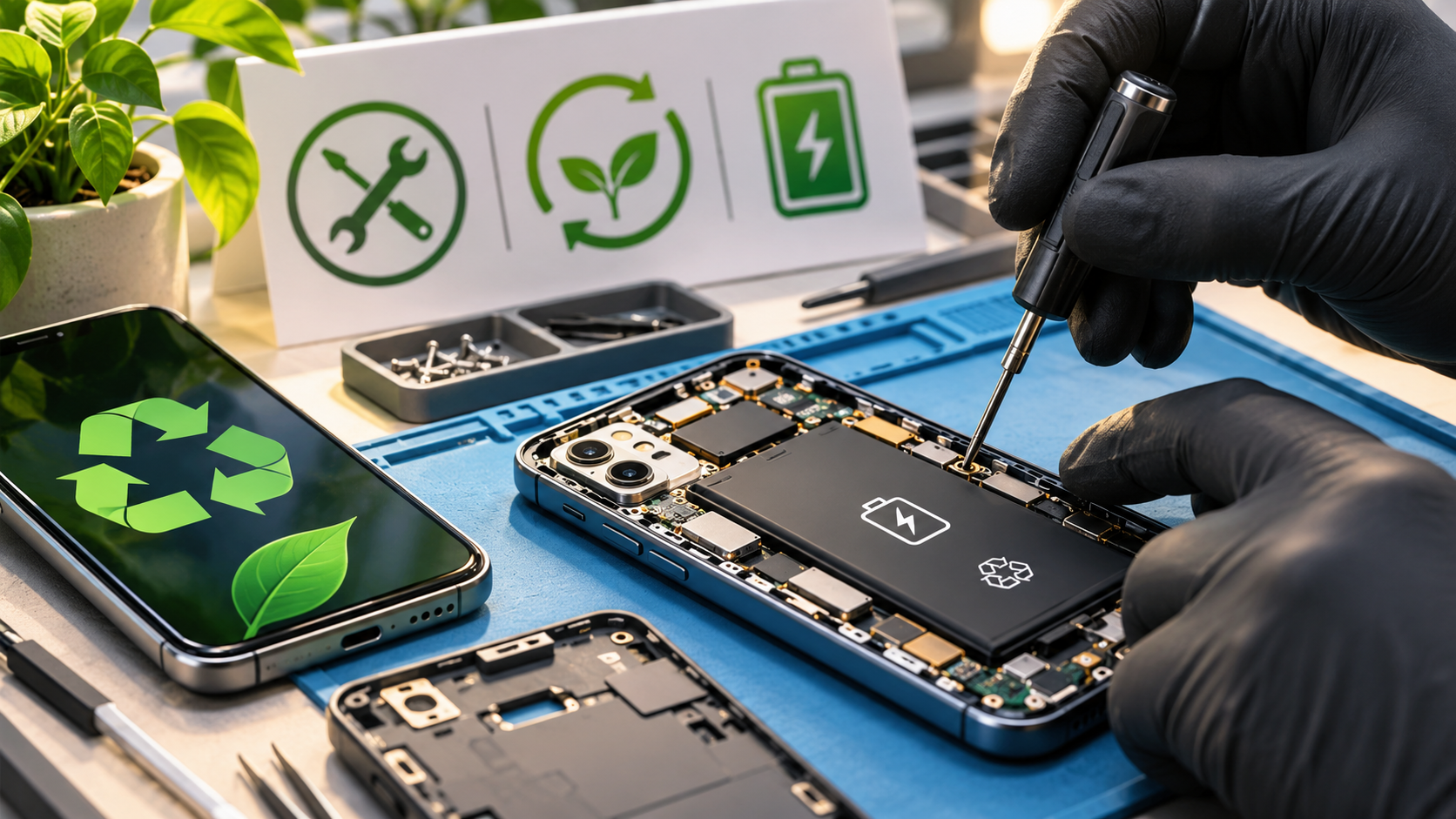
Mobile Device Repairability is becoming increasingly vital in today’s tech-driven world, where sustainability and consumer empowerment are at the forefront of discussions. As more individuals become aware of the environmental impact of electronic waste, the ability to repair rather than replace devices is gaining momentum. This shift not only promotes a greener planet but also influences purchasing decisions, prompting manufacturers to rethink their designs.
The current landscape of mobile devices reflects a growing trend towards repairability, driven by consumer demand and legislative changes. With the right balance between innovation and sustainability, the future of mobile devices could lead to longer lifespans and reduced waste, providing benefits for both users and the environment.
The Importance of Mobile Device Repairability in Sustainability
The shift towards mobile device repairability plays a pivotal role in fostering sustainability and minimizing the environmental footprint associated with electronic waste. As consumers become more conscious of the ecological implications of their purchases, the repairability of devices emerges as a crucial factor that can influence both the longevity of products and the waste generated in their disposal.
Repairable devices significantly contribute to environmental sustainability by extending their life cycle, which in turn reduces the volume of electronic waste (e-waste) that often ends up in landfills. E-waste poses severe environmental hazards due to the release of toxic materials into the soil and water systems. According to the Global E-waste Monitor, an estimated 53.6 million metric tons of e-waste was generated worldwide in 2019, and this number is expected to rise to 74.7 million metric tons by 2030. By promoting repairable designs, manufacturers can lower the rate of new device production required to replace broken or outdated models, thus directly reducing e-waste.
Impact of Repairable Devices on Consumer Behavior
The trend toward repairable devices influences consumer purchasing decisions significantly. As more shoppers prioritize sustainability, the ability to repair rather than replace devices becomes a compelling factor. Consumers are increasingly willing to invest in products that can be easily fixed, favoring brands that emphasize longevity and repairability. This preference is reflected in a growing market for spare parts and repair services, which empowers consumers to extend the life of their devices.
Incorporating repairability into product design not only meets the demands of eco-conscious consumers but also cultivates brand loyalty. Companies that commit to repairable designs can enhance their reputation and attract a dedicated customer base. Here are key benefits for companies that adopt repairable designs:
- Reduction in production costs by minimizing the need for frequent new models.
- Increased customer trust and loyalty through transparent repair practices.
- Enhanced market competitiveness by differentiating products in a crowded marketplace.
- Potential for new revenue streams through repair services and spare parts sales.
- Alignment with regulatory trends aimed at reducing e-waste and promoting sustainability.
The long-term implications of supporting repairable products extend beyond consumer choice, as they contribute to the larger goal of sustainable development. By prioritizing repairability, companies not only support a circular economy but also play a role in addressing the urgent need for environmental stewardship within the tech industry.
“Repairability is not just a feature; it’s a commitment to sustainability and responsible consumerism.”
Current Trends in Mobile Device Repairability
The landscape of mobile device repairability is shifting significantly as manufacturers respond to consumer demand for more sustainable and user-friendly products. With the rise of eco-conscious consumers and regulatory pressure for improved repair practices, brands are increasingly focusing on designing devices that can be easily serviced and repaired. This trend not only addresses environmental concerns but also enhances customer satisfaction by extending the lifespan of devices.
Recent developments in mobile device manufacturing showcase a growing emphasis on repairability features such as modular components, easy access to internal parts, and the availability of repair manuals. Brands like Fairphone are leading the way by prioritizing user-repairable designs, while major players are beginning to follow suit, albeit at a slower pace. This shift is not merely about convenience; it also reflects a broader trend toward minimizing electronic waste and promoting sustainable practices.
Comparative Repairability Ratings Among Smartphone Brands
Repairability ratings have become a crucial factor in consumer decision-making when purchasing smartphones. Organizations like iFixit provide detailed assessments that evaluate how easily a device can be repaired. These ratings are often influenced by factors such as the availability of spare parts, the complexity of disassembly, and the cost of repairs.
Currently, brands such as Apple and Samsung have received mixed reviews regarding their repairability. For instance, the iPhone series typically scores low due to the use of adhesives and proprietary components that complicate repairs. In contrast, companies like Google with its Pixel line and Fairphone score higher thanks to more accessible designs.
To illustrate these trends, here’s a breakdown of repairability ratings from a recent survey:
| Brand | Model | Repairability Score |
|---|---|---|
| Apple | iPhone 13 | 6/10 |
| Samsung | Galaxy S21 | 5/10 |
| Pixel 6 | 8/10 | |
| Fairphone | Fairphone 4 | 10/10 |
The above comparison highlights how different manufacturers approach repairability. Fairphone stands out with its commitment to sustainability and user-serviceability, making it a favorite among eco-conscious consumers. As these trends continue to evolve, we see an increasing demand from consumers for devices that can be easily repaired, which is slowly influencing the design philosophies of larger brands.
“Repairability is becoming a selling point, shifting the focus from just product features to the overall lifecycle of devices.”
As consumers become more aware of their purchasing power and its impact on the environment, manufacturers are recognizing the importance of integrating repairability into their product designs. The demand for transparent repair processes, accessible spare parts, and repair services is shaping the future of mobile devices, making repairability a critical component of product development strategies.
Legislative Efforts Surrounding Repairability Standards
In recent years, there has been a growing focus on the importance of repairability in electronics, leading to various legislative measures aimed at promoting sustainable practices. These efforts aim not only to reduce electronic waste but also to empower consumers with the ability to repair their devices rather than replace them. Legislative frameworks are being developed with the intent of ensuring that manufacturers provide easier access to repair parts and information, ultimately benefiting both the environment and the economy.
Several notable legislative measures have emerged globally, with the intent to enhance repairability standards. For instance, in the United States, the Right to Repair movement has gained traction, resulting in several state legislatures considering bills that would require manufacturers to provide parts, tools, and information necessary for repairs. Similarly, the European Union has introduced regulations that mandate manufacturers to adhere to minimum repairability criteria for electronic products, including requirements for spare parts availability and easier disassembly. These regulations aim to provide consumers with longer-lasting products and encourage manufacturers to design for longevity and usability.
Advocacy Groups and Their Impact
Advocacy groups have played a pivotal role in pushing for repair-friendly regulations across various jurisdictions. Organizations such as the Repair Association and iFixit have been at the forefront of this movement, working to educate consumers about their rights and the benefits of repairable products. These groups often conduct campaigns to raise awareness and lobby legislators to consider bills that would strengthen repair rights.
The impact of these advocacy efforts can be seen in various ways:
- Public Awareness: Advocacy groups have successfully raised awareness about the importance of repairability, leading to increased consumer demand for repairable products.
- Policy Development: By collaborating with lawmakers, these groups help shape legislative proposals that reflect the needs of consumers and the environment.
- Consumer Protection: Their efforts contribute to the establishment of laws that protect consumer rights, ensuring access to repair resources and services.
Impact on Manufacturers and Consumers
The enactment of repairability standards significantly influences both manufacturers and consumers. For manufacturers, compliance with these regulations often entails redesigning products to be more accessible for repairs. While this may initially seem burdensome, it can lead to positive outcomes such as enhanced brand loyalty and a reduction in warranty claims due to a culture of repair rather than replacement.
For consumers, these laws create a more favorable environment where devices are designed to last longer and are easier to fix, thus promoting sustainability. Consumers can expect lower costs associated with maintenance and repairs, as well as increased availability of spare parts. Furthermore, the shift towards repairable devices can foster a sense of empowerment, encouraging individuals to take charge of their electronic devices rather than discarding them.
“Legislation aimed at promoting repairability not only benefits consumers but also encourages manufacturers to innovate in ways that prioritize sustainability.”
The Role of Repairability in Consumer Electronics Longevity
Repairability plays a crucial role in extending the life of mobile devices, allowing consumers to maintain and rejuvenate their gadgets rather than discarding them at the first sign of wear or damage. This concept not only enhances user satisfaction but also promotes a more sustainable approach to technology consumption. Devices designed with repairability in mind offer longer lifespans, reducing electronic waste and fostering a culture of longevity in consumer electronics.
Repairability directly contributes to the longevity of mobile devices by enabling users to fix minor issues without needing to replace their entire device. When manufacturers design products with modular components and easily accessible parts, it becomes easier for both professionals and users to perform repairs or upgrades. For instance, brands like Fairphone and iFixit advocate for repairable devices, with Fairphone’s models achieving an average lifespan of over five years, compared to many non-repairable smartphones that often last only two to three years before being deemed obsolete.
Examples of Repairable Devices
Several devices stand out for their repairability, showcasing significant differences in lifespan and user satisfaction. The following points illustrate this:
– Fairphone: Known for its ethical approach, Fairphone offers a modular design that allows users to replace batteries, cameras, and screens easily. Users report an average lifespan of over five years.
– iPhone Models: While Apple has faced criticism for their repair policies, certain models like the iPhone 8 and later versions have been designed with replaceable batteries and screens. These devices typically last around four to five years with proper care and maintenance.
– Samsung Galaxy Series: Selected Galaxy models, especially those designed for durability, often come with components that are easier to replace, resulting in an average lifespan of three to four years.
On the other hand, devices that are notoriously difficult to repair often suffer shorter lifespans. For example, many flagship smartphones from various brands may be equipped with glued components that are not user-serviceable, leading to a significantly shorter usage period, generally around two years.
Cost-Effectiveness of Repairable Devices
Investing in repairable devices can lead to considerable cost savings for consumers over time. While the initial purchase price may be slightly higher, the ability to replace parts or perform repairs reduces long-term costs associated with device replacement. The following factors highlight this financial advantage:
– Reduced Replacement Costs: Consumers can avoid the high price of new devices by repairing existing ones. For example, replacing a battery can cost as little as $50, while purchasing a new smartphone can range from $300 to over $1,000.
– Increased Resale Value: Devices that are known for their repairability often retain higher resale values. A well-maintained, repairable smartphone can attract buyers willing to pay a premium, as it indicates longevity and sustainability.
– Environmental Impact Savings: By choosing repairable devices, consumers contribute to reducing e-waste. The environmental costs associated with manufacturing new devices, including resource extraction and energy consumption, can be substantial. Opting for repair and reuse mitigates these costs.
In summary, repairability is a key factor in the longevity of mobile devices. By understanding the benefits of choosing repairable gadgets, consumers can make informed decisions that not only save money but also promote a more sustainable future in technology.
Challenges Facing Mobile Device Repairability
The increasing reliance on mobile devices has raised concerns regarding their repairability, which significantly impacts sustainability and consumer choice. While some manufacturers are making strides towards more repair-friendly designs, several challenges still impede widespread adoption. These barriers can be broadly categorized into technological and design hurdles, as well as consumer perceptions that often prioritize new purchases over repairs.
One of the primary challenges is the inherent design of many mobile devices, which often prioritizes aesthetics and compactness over functionality when it comes to repairs. As devices become thinner and more intricately designed, manufacturers face difficulties in allowing easy access to internal components. This leads to a variety of issues, as repairing components can require specialized tools and skills that aren’t available to the average consumer or even many repair shops.
Design and Technological Barriers
The design choices made by manufacturers significantly influence the repairability of mobile devices. Many contemporary devices employ adhesive to secure screens and other components, making disassembly challenging. In addition, the use of proprietary screws and non-standard parts complicates repairs further, limiting the ability of third-party repair shops to assist consumers.
Several key factors contribute to these design and technological barriers:
- Use of Adhesives: Many smartphones are constructed using strong adhesives, which can make it nearly impossible to open the device without damaging it.
- Proprietary Components: Manufacturers often use customized parts, which are not available for purchase by independent repair shops, leading to increased repair costs and longer wait times.
- Complex Assembly: The intricate assembly processes used in modern devices can make repairs labor-intensive and costly, often resulting in a complete device replacement rather than a simple fix.
- Lack of Repair Documentation: Some manufacturers do not provide repair manuals or guides, which can leave consumers and independent repair technicians without the necessary information to perform repairs effectively.
Consumer perceptions also play a crucial role in the repairability landscape. Many consumers tend to view mobile devices as disposable, leading to a cycle of purchasing new devices rather than repairing existing ones. This mindset is often fueled by marketing strategies that emphasize the latest technology and features, overshadowing the benefits of repairable devices.
Consumer Attitudes Towards Repairability
Understanding consumer attitudes towards repairability is essential for fostering a culture of sustainability. Many consumers may not even consider repairing their devices due to a lack of awareness or understanding of the repair process.
Several aspects contribute to this perception:
- Perceived Complexity: Many consumers believe that repairing a device requires technical expertise that they do not possess, often opting for a new purchase instead.
- Marketing Influence: The tech industry’s focus on new models and features can lead consumers to undervalue the importance of repairable devices.
- Availability of Replacement Options: Easy access to new devices often makes repairs seem less appealing, as waiting for repairs can be inconvenient.
- Environmental Awareness: While some consumers are concerned about the environmental impact of e-waste, they may feel overwhelmed by the complexity of the repair process and thus choose to buy new devices instead.
“Repairability should be a core aspect of device design, yet many manufacturers prioritize aesthetics and innovation over sustainability.”
Future Prospects for Mobile Device Repairability
As technology advances at a rapid pace, the future of mobile device repairability holds significant promise. With an increasing awareness of sustainability and consumer demand for longer-lasting products, manufacturers are beginning to rethink design philosophies. The emphasis is shifting towards creating devices that are not only high-performing but also easy to repair, ultimately benefiting both consumers and the environment.
The evolution of industry practices in mobile device manufacturing is anticipated to prioritize repairability through various strategies. As companies recognize the long-term benefits of repairable designs, they may adopt modular structures, similar to those seen in certain laptops and gaming consoles. This transformation aims to reduce electronic waste and empower consumers with the ability to fix their devices independently, fostering a culture of sustainability.
Innovations Enhancing Repairability
Several innovations are on the horizon that could significantly enhance mobile device repairability. The integration of modular components is one aspect that can revolutionize how devices are built. Modular phones allow users to replace specific parts, such as the battery, camera, or screen, without needing to scrap the entire device.
The rise of open-source hardware is also promising. Companies like Fairphone lead the way by providing detailed repair guides and access to spare parts, encouraging a DIY repair approach. This model not only extends the life of devices but also promotes transparency and ethical sourcing of materials.
3D printing technology presents another exciting development. As it becomes more accessible, users may be able to print replacement parts at home or at local repair shops. This capability could drastically reduce the time and cost associated with repairs, making it simpler for individuals to maintain their devices.
Another noteworthy innovation is the advancement of self-repair technologies. For instance, companies are exploring the use of self-healing materials that can mend minor scratches or cracks automatically. This could significantly decrease the frequency of repairs needed, thus extending the lifespan of devices.
Finally, the implementation of repairability scores, similar to energy efficiency ratings, could become standardized across the industry. This initiative would help consumers make informed choices while encouraging manufacturers to prioritize repairable designs in their products. By creating a competitive market for repairability, companies might be motivated to innovate and adopt practices that extend the life cycle of their devices.
These potential advancements reflect a collective movement towards a future where mobile devices are designed with longevity and repairability as key considerations, ultimately reshaping consumer electronics for the better.
DIY Repair
Mobile device repairability isn’t just about having the right parts; it’s about empowering consumers with the knowledge and tools to fix their devices themselves. With the right guidance, many common issues can be resolved without a trip to a repair shop, saving time and money. This section will explore how consumers can take matters into their own hands when it comes to mobile device repairs.
Understanding the basics of DIY repair is essential for anyone looking to fix their mobile devices. Common issues like cracked screens, battery replacements, and software glitches can often be tackled with a little guidance. Access to the right tools and resources can make a significant difference in the ease and success of a DIY repair.
Step-by-Step Guide for Common Repairs
Here’s a simple guide to address some of the most common mobile device issues that you might encounter:
1. Cracked Screen Replacement:
– Gather your tools: a small screwdriver set, a suction cup, and a plastic pry tool.
– Power off your device and carefully remove the back cover or screen (this varies by model).
– Unscrew and disconnect the damaged screen from the motherboard.
– Align the new screen with the connectors and secure it in place.
– Power on your device to check functionality before sealing it up.
2. Battery Replacement:
– Acquire a replacement battery specific to your device model.
– Use a heat gun or hairdryer to warm the adhesive around the device edges.
– Carefully pry open the device, ensuring not to damage any internal components.
– Remove the old battery, connect the new one, and reassemble the device.
3. Software Glitch Fix:
– Restart the device to refresh its system.
– If the issue persists, perform a factory reset by navigating to the settings menu.
– Always back up important data before proceeding with a reset.
Tools and Resources for DIY Repairs
Having the right tools is crucial for successfully undertaking DIY repairs. Here are some essential tools and where to find them:
– Screwdriver Sets: Precision screwdrivers are available at electronic stores or online retailers. Look for sets that include various heads to match different devices.
– Pry Tools: Plastic pry tools can be found in repair kits specifically for smartphones. These kits are often available on platforms like Amazon or eBay.
– Suction Cups: Useful for screen removal, suction cups can be purchased from hardware stores or online.
– Online Repair Guides: Websites like iFixit or YouTube provide step-by-step video tutorials and written guides for specific devices.
Utilizing these resources not only equips you with the necessary tools but also offers valuable insights into the repair process.
Personal Experiences with DIY Repair
Many individuals have successfully navigated the world of DIY mobile repairs, proving that it is possible to take control of device issues. For instance, one user shared their experience of replacing a battery on an iPhone. They noted how satisfying it felt to save over $100 compared to a professional repair shop and emphasized the importance of following online tutorials step-by-step.
Another user recounted how they managed to fix a cracked screen on their Android phone. They highlighted that after a few initial challenges, the process became increasingly straightforward. They found that having a dedicated space to work and the right tools made a significant difference in their experience.
These testimonials highlight that with some patience and the right resources, DIY mobile device repair is both feasible and rewarding, encouraging others to embark on their repair journeys.
The Economic Impact of Repairability on the Mobile Device Market
The concept of repairability in mobile devices is not just a technical consideration; it has profound implications for the economy and job market within the electronics industry. As consumers increasingly prioritize sustainability and longevity over disposability, the repairability of devices can reshape market dynamics significantly. This shift influences everything from manufacturing processes to consumer spending habits.
Repairability directly enhances the economic landscape by fostering a culture of sustainability and reducing electronic waste. When devices are designed to be repairable, it creates a demand for skilled technicians and repair services, leading to the emergence of new job opportunities in the electronics sector. This shift not only contributes to job creation but also encourages the growth of local businesses that specialize in repairs, which can have a positive ripple effect on the broader economy.
Financial Implications for Consumers
Choosing repairable devices over disposable ones can result in significant financial savings for consumers. Repairable devices typically have longer lifespans, reducing the need for frequent replacements. This not only saves money on new purchases but also mitigates the costs associated with disposing of old devices, which can often include recycling fees and environmental impact taxes.
The following points highlight the financial benefits of opting for repairable mobile devices:
- Lower long-term costs: Repairable devices allow for repairs rather than replacements, which can be considerably cheaper.
- Increased resale value: Devices that are known for their repairability often maintain higher resale values in the second-hand market.
- Reduced consumer waste: By extending the life of a device, consumers help reduce overall electronic waste, which can be costly to manage and dispose of.
“Consumers who invest in repairable devices not only save money but also contribute to a more sustainable future.”
Emerging Business Models Focused on Repairability
The growing emphasis on repairability is paving the way for innovative business models in the mobile device market. Companies are beginning to adapt their strategies to align with consumer preferences for sustainable products. These new models often emphasize servicing and repairing over selling new devices.
Several trends illustrate this shift:
- Subscription repair services: Companies are offering subscription models that include regular maintenance and repair services, ensuring devices remain functional longer.
- DIY repair kits: Brands are providing consumers with tools and parts to repair their devices at home, fostering a culture of self-repair.
- Partnerships with local repair shops: Manufacturers are forming alliances with local repair businesses to facilitate easier access to repair services for their products.
“The focus on repairability is not just about devices; it’s about creating a sustainable ecosystem that benefits consumers and businesses alike.”
The economic impact of repairability in the mobile device market is significant, influencing consumer behavior, job creation, and the development of new business models. As the industry evolves, the emphasis on repairability offers an opportunity to create a more sustainable and economically viable future.
Closure
In conclusion, the push for Mobile Device Repairability is not just a trend but a necessary evolution in the electronics industry. As we navigate the complexities of technology and sustainability, embracing repairable devices can significantly impact consumer choices and environmental health. By prioritizing repairability, we not only extend the life of our devices but also contribute to a more sustainable future.
Frequently Asked Questions
Why is Mobile Device Repairability important?
It reduces electronic waste, promotes sustainability, and saves consumers money in the long run.
What are common issues people repair on their mobile devices?
Common repairs include screen replacements, battery changes, and fixing charging ports.
Are all mobile devices equally repairable?
No, some brands and models are designed with repairability in mind, while others are not.
How can consumers support repairability?
Consumers can choose repairable products, advocate for repair-friendly policies, and learn DIY repair techniques.
What tools do I need for basic mobile device repairs?
Basic tools include screwdrivers, plastic opening tools, and suction cups.