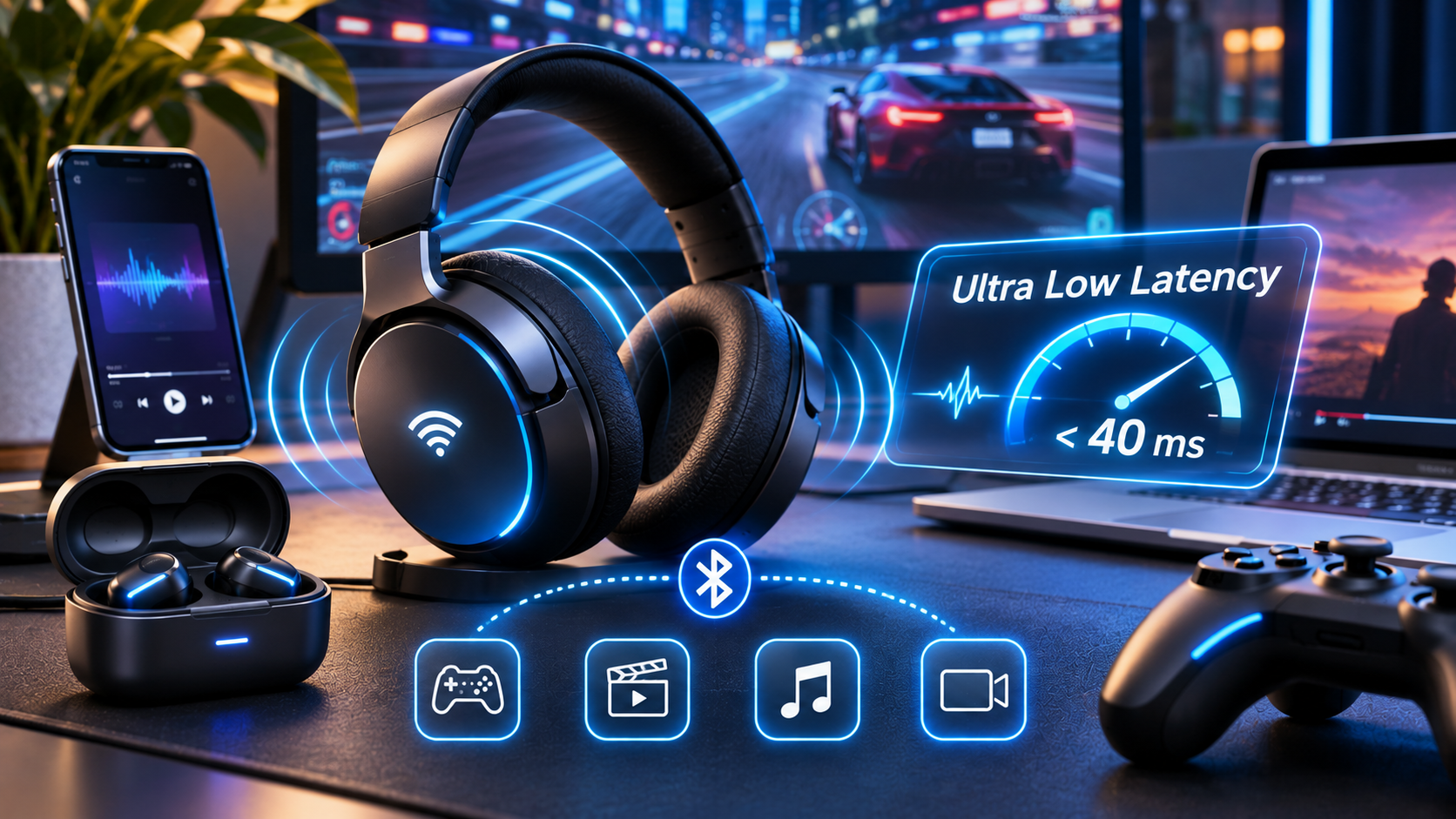
Low Latency Wireless Audio is revolutionizing how we experience sound, providing a seamless connection that elevates entertainment, gaming, and communication. Imagine attending a live concert where every note resonates in perfect harmony with your movements, or playing a virtual reality game where audio cues align flawlessly with your actions; that’s the power of low latency.
This technology significantly impacts user experience, particularly in scenarios where synchronization and clarity are paramount. By reducing the delay between audio transmission and reception, low latency wireless audio systems enhance various applications, making them more immersive and enjoyable. In this exploration, we’ll dive into the importance, challenges, innovations, and future trends of low latency wireless audio.
The Importance of Low Latency in Wireless Audio Transmission
Low latency is a critical factor in the performance of wireless audio systems. It refers to the minimal delay that occurs between the audio source and its playback, which is particularly significant in environments requiring real-time audio feedback. In various applications, such as live performances, gaming, and multimedia production, low latency ensures that audio signals are transmitted and received almost instantaneously, which is essential for maintaining synchronization and enhancing overall user experience.
The significance of low latency cannot be overstated in the realm of wireless audio transmission. When latency levels are high, users may experience undesirable delays that compromise the quality of audio playback. This can lead to issues such as echoing, loss of synchronization between audio and video, and an overall lack of clarity. For instance, during live performances, musicians rely heavily on immediate audio feedback to stay in sync with one another. If a performer hears their instrument or voice delayed by even a fraction of a second, it can disrupt their timing and affect the entire performance.
Impact of Latency on User Experience
The impact of latency extends beyond musical performances and into various other applications such as gaming and multimedia environments. Users expect high-performance audio that responds instantly to their actions. In gaming, for instance, players rely on precise audio cues to navigate their environments effectively. A delay in audio transmission can hinder a player’s ability to react to in-game events, ultimately affecting their performance and enjoyment.
To illustrate the importance of low latency, consider the following scenarios:
- In live sound engineering, audio engineers must monitor sound levels in real time. High latency can cause them to make adjustments based on outdated information, resulting in poor sound quality.
- In virtual gaming environments, low latency enhances the realism of gameplay. Players can hear footsteps behind them or environmental sounds, which allows for strategic decision-making and an immersive experience.
- During film editing and production, audio must be perfectly synchronized with visuals. Latency issues can result in misalignment, detracting from the overall quality of the final product.
In multimedia environments, the clarity of audio is crucial for effective communication and presentation. Low latency allows for a seamless flow of information, enhancing the audience’s understanding. An example can be seen in video conferencing applications where lag in audio can lead to misunderstandings and hinder effective collaboration.
“Low latency in wireless audio transmission is essential for maintaining audio clarity and synchronization, ultimately enhancing user satisfaction and engagement.”
Technical Challenges in Achieving Low Latency Wireless Audio
In the quest for low latency wireless audio, engineers encounter a range of technical obstacles that must be addressed to deliver high-quality sound without noticeable delays. The balance between achieving minimal latency and maintaining audio fidelity is a critical focus area in the development of these technologies. Several factors contribute to the complexities of creating seamless wireless audio experiences.
Primary Technical Obstacles
Several key challenges stand in the way of developing low latency wireless audio solutions, primarily involving signal processing and network conditions. For an effective low latency system, engineers must consider the following factors:
- Signal Interference: Wireless audio signals are susceptible to interference from various sources, including Wi-Fi networks, microwaves, and physical obstructions. This interference can introduce delays and degrade audio quality.
- Packet Loss: In a wireless transmission environment, data packets may get lost or corrupted during transmission. This necessitates re-transmissions, which can contribute to latency.
- Codec Latency: The choice of audio codec significantly impacts latency. While some codecs prioritize low latency, they may compromise audio quality or require higher processing power.
Role of Frequency Spectrum and Bandwidth
The frequency spectrum and available bandwidth play a crucial role in minimizing latency in wireless audio systems. A wider bandwidth allows for faster data transmission and can lead to reduced latency. Important considerations include:
- Frequency Range: Utilizing higher frequency bands, such as 5 GHz, can provide more channels and less congestion compared to lower bands like 2.4 GHz, thus improving performance.
- Channel Width: Wider channels can accommodate more data simultaneously, allowing for quicker transmission and less risk of bottlenecks that cause delays.
- Frequency Hopping: Techniques such as frequency hopping spread spectrum (FHSS) help mitigate interference by rapidly switching frequencies, which can enhance audio transmission reliability.
Hardware Limitations Affecting Audio Transmission Speeds
The hardware used in low latency wireless audio systems can present limitations that directly impact audio transmission speeds. Critical hardware components include:
- Transmitter and Receiver Design: The efficiency of the transmitter and receiver hardware is vital. Low-quality components can introduce delays and increase latency.
- Processing Power: Devices with limited processing capability may struggle to handle high-bitrate audio streams, resulting in delays due to processing times.
- Battery Life: Many wireless audio devices are battery-powered, and energy-saving modes can inadvertently increase latency by reducing performance to conserve power.
Innovations in Wireless Audio Technologies
Recent advancements in wireless audio technology have significantly improved the listening experience by minimizing latency. Lower latency is crucial for applications like gaming, live performances, and streaming, where audio synchronization is essential. The integration of newer communication protocols and smart processing techniques has led to remarkable enhancements in audio transmission speeds and reliability.
One of the most pivotal changes in wireless audio technology is the development of advanced protocols such as Bluetooth 5.0 and Wi-Fi 6. These technologies play a crucial role in reducing audio delay and enhancing overall performance.
Bluetooth 5.0 and Wi-Fi 6 Enhancements
Both Bluetooth 5.0 and Wi-Fi 6 have introduced features that specifically address latency issues in audio transmission. Below are notable improvements offered by these technologies:
- Increased Bandwidth: Bluetooth 5.0 provides up to 2 Mbps of data transfer speed, doubling the capacity of its predecessor. This increase allows for higher-quality audio streams without buffering.
- Longer Range: Bluetooth 5.0 expands range capabilities, enabling devices to maintain stable connections over longer distances, which is particularly useful in large areas.
- Multi-Device Connectivity: Wi-Fi 6 supports multiple device connections simultaneously without a significant drop in performance. This feature allows users to connect various audio devices without interference.
- Improved Packet Handling: Wi-Fi 6 utilizes orthogonal frequency division multiple access (OFDMA) to manage data packets more efficiently, resulting in lower latency and better sound quality.
- Low Latency Audio Codec Support: Both technologies have enhanced support for low-latency audio codecs, which significantly reduces the delay experienced during audio playback.
The advancements made in these protocols showcase a significant shift from traditional wireless audio methods, which often suffered from higher latency and congestion issues. Older Bluetooth versions and standard Wi-Fi protocols typically resulted in noticeable delays, making them less suitable for real-time applications.
Comparison of Traditional and Modern Wireless Methods
The evolution of wireless audio technologies highlights the stark contrast in performance and user experience. Traditional wireless audio methods, such as older Bluetooth versions and first-generation Wi-Fi, faced challenges like increased latency and limited bandwidth.
“Lower latency is not just a feature; it’s a requirement for immersive audio experiences.”
Modern approaches have greatly mitigated these issues. For example, while Bluetooth 4.2 might average around 30-50 milliseconds of latency, Bluetooth 5.0 can achieve latency as low as 10 milliseconds under optimal conditions. Similarly, Wi-Fi 6’s ability to effectively manage multiple streams simultaneously provides a more seamless experience compared to older Wi-Fi standards, where congestion often led to delays and interruptions.
The advancements in wireless audio technology not only enhance the quality of the audio experience but also reflect a commitment to meeting the demands of modern users who expect real-time responsiveness in their audio devices.
The Role of Codec Efficiency in Low Latency Wireless Audio
In the realm of low latency wireless audio, codec efficiency plays a pivotal role in shaping the overall user experience. The choice of audio codec not only determines the quality of sound transmission but also significantly influences latency, which is critical for applications like gaming, music production, and live performances. Understanding how different codecs operate can help users make informed choices to enhance their audio experience in various scenarios.
Different audio codecs employ unique compression methods that can either minimize or exacerbate latency. For wireless audio transmission, the efficiency of a codec is measured by how quickly it can encode and decode audio signals while maintaining sound quality. The following comparison highlights how three popular codecs—aptX, AAC, and LC3—perform in terms of latency.
Comparison of Codecs
When evaluating codecs for low latency audio transmission, it is essential to look at their respective performance metrics regarding latency, audio quality, and practical applications. Here’s a detailed comparison:
| Codec | Latency (ms) | Audio Quality | Best Use Cases |
|---|---|---|---|
| aptX | ~40 ms | High | Gaming, Streaming |
| AAC | ~80 ms | High | Mobile Devices, Streaming Services |
| LC3 | ~30 ms | High | Bluetooth Audio, VoIP |
As illustrated in the table, aptX offers commendable performance with a latency of around 40 ms, making it suitable for gaming and streaming where quick response times are crucial. On the other hand, AAC, which is widely adopted in mobile devices and music streaming services, experiences slightly higher latency. However, it still delivers a high-quality audio experience. Notably, LC3 stands out with the lowest latency at approximately 30 ms, making it an excellent choice for Bluetooth audio and voice-over-IP communications.
In practical applications, codec choice can dramatically impact user experience. For instance, gamers using wireless headphones with aptX may notice less delay during competitive play, allowing for quicker reactions to in-game events. Similarly, musicians relying on real-time audio feedback must prioritize low-latency codecs like LC3 to avoid the frustrating lag that can hinder performance. In contrast, casual listeners streaming music may find AAC sufficient for their needs, balancing quality with a tolerable delay.
Selecting the right audio codec is essential for optimizing the audio experience across varying applications, from immersive gaming to music production.
Use Cases of Low Latency Wireless Audio in Various Industries
Low latency wireless audio technology has revolutionized numerous sectors by providing seamless audio transmission with minimal delay. This advancement enhances communication, entertainment, and interactive experiences across diverse applications. The ability to transmit audio in real time is crucial in environments where timing and precision are paramount. As industries recognize the benefits of low latency solutions, their adoption continues to grow.
Applications in Entertainment and Broadcasting
In the entertainment industry, low latency wireless audio solutions significantly enhance live performances and events. Musicians and performers can utilize wireless microphones and in-ear monitors, enabling them to move freely on stage without the constraints of traditional wired setups. This technology not only improves sound quality but also fosters a more engaging experience for the audience.
Broadcasting also benefits from low latency audio, particularly in live sports and news reporting. Real-time audio feeds allow broadcasters to deliver crisp commentary and sound effects that synchronize perfectly with visual elements, providing viewers with an immersive experience. For instance, major sports networks employ low latency wireless audio systems to ensure that commentators can provide timely insights during fast-paced events.
Enhancements in Virtual Reality and Augmented Reality
Low latency wireless audio plays a vital role in virtual reality (VR) and augmented reality (AR) scenarios. These technologies rely heavily on real-time audio to create an immersive environment that mimics real-life experiences. The synchronization of audio with visual elements is critical; any delay can disrupt the user’s experience and lead to a loss of immersion.
Implementing low latency audio enhances user interactions in VR and AR applications. For example, in a VR gaming environment, the ability for players to communicate with each other in real-time through wireless headsets enriches gameplay, making the experience more collaborative and engaging. Similarly, AR applications in training simulations benefit from immediate audio feedback that aligns with visual cues, facilitating effective learning and skill acquisition.
Case Studies of Successful Implementations
Several organizations have successfully integrated low latency wireless audio systems to enhance their operations and offerings. Notable examples include:
- Live Nation: This global leader in live entertainment adopted low latency wireless audio solutions for their concerts. By using advanced wireless microphones and monitoring systems, they achieved high sound fidelity and improved the overall concert experience for both performers and audiences.
- ESPN: The sports network implemented low latency audio technology during live broadcasts. This allowed commentators to deliver real-time analysis and commentary, significantly improving viewer engagement during live sports events.
- Unity Technologies: A leader in real-time 3D development, Unity incorporated low latency audio into their VR development platform. This move enabled developers to create more immersive experiences, allowing for seamless interaction between users in virtual environments.
The implementation of low latency wireless audio systems has proven to elevate the quality of experiences across various sectors, paving the way for innovation and enhanced user engagement.
Future Trends in Low Latency Wireless Audio Solutions
The landscape of low latency wireless audio is rapidly evolving, driven by advancements in technology and increasing demand for quality sound transmission. As we look ahead, the intersection of innovation and user needs will likely shape the future of audio solutions. Emerging technologies promise to enhance audio experiences while simultaneously presenting new challenges for the industry.
The future of low latency wireless audio solutions is set to be transformed by several key developments. Emerging technologies, particularly the rollout of 5G networks, will have a significant impact on audio transmission speeds. With its ultra-reliable low latency communications (URLLC) capabilities, 5G is poised to dramatically reduce lag times in audio delivery. This enhancement will enable seamless streaming of high-fidelity audio in real-time, which is essential for applications in live performances, gaming, and virtual reality.
Impact of 5G on Audio Transmission
The integration of 5G technology into wireless audio solutions presents numerous benefits, as well as potential challenges. The following points highlight the anticipated impact of 5G on audio transmission:
- Increased Bandwidth: 5G technology boasts significantly higher bandwidth compared to current standards, enabling the transmission of high-resolution audio files without the usual latency issues.
- Lower Latency: With latency reduced to milliseconds, real-time audio interactions will be more fluid, particularly in collaborative environments such as music production and live streaming.
- Enhanced User Experiences: The combination of high bandwidth and low latency will allow for immersive audio experiences in applications like augmented reality (AR) and virtual reality (VR), where sound plays a crucial role in user engagement.
- Scalability: 5G networks are designed to support a vast number of devices, making it feasible to connect multiple audio devices in a single environment without compromising performance.
Despite the promising developments, the transition to 5G also brings forth challenges for the wireless audio industry. These include:
- Infrastructure Investment: Upgrading existing infrastructure to support 5G technology requires significant investment, which may pose a barrier for smaller companies within the industry.
- Compatibility Issues: As new 5G devices emerge, ensuring compatibility with existing audio technologies will be essential to avoid fragmentation in the market.
- Security Concerns: The proliferation of connected devices increases vulnerability to cybersecurity threats, necessitating robust security measures to protect audio data during transmission.
The opportunities presented by 5G and future low latency technologies are vast. As the demand for high-quality, real-time audio experiences grows, the industry is poised for innovation that may redefine audio consumption and production. With the right strategies to navigate the accompanying challenges, the wireless audio sector is set to thrive in the evolving digital landscape.
Best Practices for Implementing Low Latency Wireless Audio Systems
Setting up low latency wireless audio systems requires careful planning and execution to ensure optimal performance across various environments. This guide will Artikel best practices that can greatly enhance audio quality and system reliability while minimizing latency.
The selection and configuration of equipment play a crucial role in achieving low latency performance. Choosing the right gear is essential, as it directly affects the overall audio experience. Ensuring that all components are compatible and optimized for low latency operation will also contribute to a seamless wireless audio experience.
Equipment Selection for Low Latency
Selecting the right equipment is foundational to building an efficient low latency wireless audio system. It is imperative to consider various factors that influence performance, such as frequency response, range, and compatibility.
- Transmitter and Receiver: Choose high-quality transmitters and receivers specifically designed for low latency applications. Look for systems with a latency of less than 5 milliseconds for optimal performance.
- Audio Codec: Utilize efficient codecs that prioritize low latency, such as aptX Low Latency or AAC. These codecs compress audio signals while maintaining high quality.
- Frequency Range: Opt for systems operating in less congested frequency bands (like 5 GHz) to reduce interference and signal dropouts.
- Microphones and Speakers: Invest in professional-grade microphones and speakers that offer wide dynamic ranges and low noise floor attributes, ensuring better audio clarity and performance.
Configuration for Optimal Performance
Proper configuration of the audio system is equally important in minimizing latency. Here are key configuration practices to enhance system performance:
- Signal Path Optimization: Keep the signal path as short as possible. Use the fewest components to minimize delays, especially in larger setups.
- Channel Selection: Manually select channels that are free from interference. Perform a site survey to identify optimal channels before deployment.
- Latency Settings: Adjust latency settings within the system to suit specific applications. Some systems allow you to customize latency for real-time applications.
- Regular Updates: Ensure all firmware and software are kept up-to-date to benefit from performance improvements and bug fixes.
Troubleshooting Common Latency Issues
Encountering latency issues during setup and operation can be frustrating. Understanding how to identify and resolve common problems can help maintain a smooth audio experience.
“Latency issues can often be resolved with simple adjustments and thorough checks of the entire system.”
Here are some common latency issues and suggested troubleshooting steps:
- Audio Delays: If delays are present, check the distance between the transmitter and receiver. Reducing distance or obstacles can improve signal integrity.
- Interference: Identify potential sources of interference from other wireless devices. Changing the operating frequency can help mitigate this issue.
- Buffer Size Adjustment: If audio glitches occur, adjusting the buffer size in the audio interface or software can help stabilize performance.
- Power Supply Issues: Ensure all devices are powered correctly. Insufficient power can lead to performance problems, including increased latency.
Implementing these best practices across different environments will significantly enhance the performance of low latency wireless audio systems, ensuring a seamless audio experience for all users.
Outcome Summary
In summary, Low Latency Wireless Audio opens up new possibilities across multiple industries, from entertainment to telecommunications. As technology advances, the potential for even faster audio transmission will only grow, enhancing user experience in ways we are just beginning to understand. Staying informed about these developments will ensure we can fully embrace the benefits of this exciting audio evolution.
Questions and Answers
What is low latency in wireless audio?
Low latency refers to the minimal delay between audio input and output in wireless audio transmission, enhancing user experience across various applications.
How does latency affect gaming?
In gaming, high latency can result in audio delays that disrupt gameplay, while low latency ensures that sound effects and music synchronize perfectly with visuals.
Are all wireless audio devices low latency?
No, not all wireless audio devices support low latency; many traditional systems can have significant delays which affect performance.
Can Bluetooth 5.0 reduce audio latency?
Yes, Bluetooth 5.0 offers enhancements that can significantly reduce audio latency compared to previous versions.
What role do codecs play in wireless audio?
Codecs compress and decompress audio data, and their efficiency directly impacts the latency of the audio transmission.