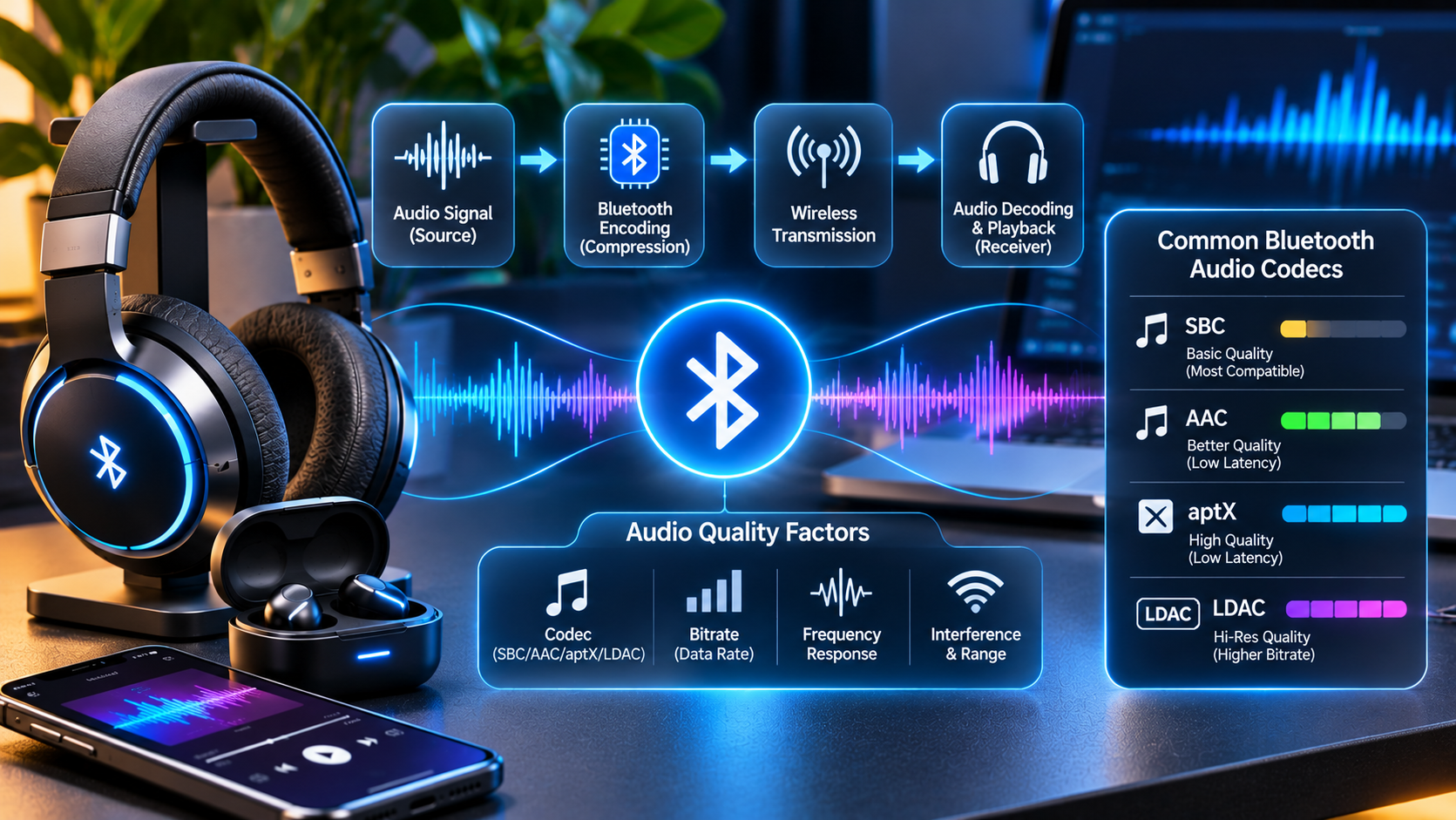
Bluetooth Audio Transmission Quality is a crucial aspect of our modern listening experiences, affecting everything from casual music enjoyment to professional audio applications. As wireless technology becomes increasingly prevalent, understanding the factors that influence audio quality is essential for maximizing our enjoyment of various audio content. From codecs to environmental conditions, the elements that contribute to an optimal Bluetooth audio experience are worth exploring.
In this discussion, we will delve into the key factors that impact Bluetooth audio transmission, the different codecs available, and how hardware influences overall sound quality. Whether you’re a casual listener or a dedicated audiophile, grasping these concepts can enhance your overall audio experience.
The Importance of Bluetooth Audio Transmission Quality in Modern Devices
In today’s digital age, Bluetooth technology plays a crucial role in connecting audio devices, enhancing the listening experience for users everywhere. With the proliferation of wireless headphones, speakers, and other gadgets, the need for high-quality audio transmission has never been more significant. Bluetooth audio transmission quality directly influences how we perceive music, podcasts, and calls, making it an essential aspect of modern audio devices.
Bluetooth technology enables the wireless transfer of audio signals between devices, allowing users to enjoy their favorite sounds without the constraints of cords. The significance of transmission quality becomes evident when considering how it impacts the listening experience across various music genres. For instance, genres like classical and jazz, which rely on intricate instrumentals and dynamic ranges, require higher fidelity to capture the nuances of sound. Conversely, genres such as pop or electronic, while still benefiting from good quality, may not demand the same level of detail. However, poor transmission quality can lead to issues such as audio lag, distortion, or even dropouts, which can be frustrating for any listener.
Factors Affecting Bluetooth Audio Quality
Several key factors contribute to the quality of Bluetooth audio transmission, each playing a pivotal role in the overall listening experience. Understanding these factors can help users make informed decisions when selecting audio devices.
- Codec Support: Codecs are essential for encoding and decoding audio data. The choice of codec can significantly impact audio quality. For example, aptX and AAC codecs offer high-definition sound quality compared to standard codecs like SBC, making them preferable for audiophiles who seek superior performance.
- Transmission Range: The effective range of Bluetooth technology typically extends up to 30 feet (10 meters), but this can vary depending on obstacles like walls or interference from other devices. A shorter range can lead to connectivity issues, affecting overall audio quality.
- Interference: Bluetooth operates in the 2.4 GHz frequency range, which is shared with other technologies like Wi-Fi and microwaves. This can lead to signal interference that negatively impacts audio performance, causing disruptions during playback.
- Device Quality: The quality of both the transmitting and receiving devices affects audio fidelity. High-quality headphones or speakers often incorporate better components that can reproduce sound more accurately, thus enhancing the overall experience.
- Battery Levels: The battery performance of Bluetooth devices can influence audio quality. A low battery might result in reduced transmission strength, leading to a decline in sound quality or connection stability.
“The choice of codec can significantly impact audio quality.”
By understanding these factors, users can optimize their Bluetooth audio experience, ensuring that they enjoy their music as it was intended—rich, clear, and immersive.
Key Factors Influencing Bluetooth Audio Transmission Quality
Bluetooth audio transmission quality is shaped by numerous factors which can significantly impact the listening experience. Understanding these characteristics is crucial for both consumers and manufacturers alike, as they navigate the intricacies of wireless audio technology. This discussion will delve into the primary factors that determine audio quality, focusing on bandwidth, latency, interference, and environmental influences.
Characteristics Influencing Audio Quality
Several key characteristics critically affect Bluetooth audio transmission. These include bandwidth, latency, and interference, each playing a distinct role in overall audio quality.
- Bandwidth: The amount of data that can be transmitted over a Bluetooth connection directly influences audio quality. Higher bandwidth allows for better audio resolution, enabling the transmission of high-fidelity sound. For example, aptX HD codec supports a bandwidth of 576 kbps, delivering superior audio compared to standard codecs.
- Latency: This refers to the delay between audio signal transmission and playback. High latency can lead to noticeable audio lag, especially during video playback, making it crucial for users to choose devices with low-latency codecs such as aptX Low Latency or AAC. For instance, a latency of 40ms is generally considered acceptable for a seamless experience.
- Interference: Bluetooth operates on the 2.4 GHz frequency, which is shared with many other devices like microwaves and Wi-Fi routers. This can lead to signal degradation and audio dropouts. Devices with better signal processing and noise cancellation features tend to perform better in environments with high interference.
Impact of Environmental Factors
Environmental factors play a significant role in Bluetooth audio transmission quality. Obstacles such as walls and large furniture can obstruct the signal, while varying signal strength can greatly affect performance.
- Obstacles: Physical barriers can attenuate the Bluetooth signal, resulting in lower audio quality or interruptions. For instance, a Bluetooth speaker placed in an open area can provide a far better experience compared to one hidden behind multiple walls.
- Signal Strength: The distance between the transmitting device and receiver affects signal strength. As the distance increases, the signal can weaken, which often results in reduced audio quality and possible disconnections. Generally, maintaining a distance of less than 30 feet is recommended for optimal performance.
Device Variability and Its Effects
Different devices, such as smartphones, speakers, and headphones, can have varied impacts on the quality of audio transmission.
- Smartphones: The Bluetooth version and codecs supported by a smartphone can determine audio quality. For example, newer models with Bluetooth 5.0 or higher support faster data rates and improved range compared to older versions.
- Speakers: High-quality Bluetooth speakers often come with advanced audio processing technologies that enhance sound reproduction and minimize latency. Brands like Bose and Sonos implement proprietary audio enhancements that can significantly improve the listening experience.
- Headphones: Quality headphones equipped with aptX or LDAC support can deliver a better audio experience by ensuring that more data is transmitted, allowing for richer sound. Additionally, noise-canceling features in headphones can help reduce the impact of environmental interference.
Comparison of Bluetooth Audio Codecs and Their Effects on Quality
Bluetooth audio transmission has evolved significantly, with various codecs designed to enhance audio quality while minimizing latency. Each codec has its unique strengths and weaknesses, affecting overall listening experience depending on device compatibility and the environment in which they are used. Understanding these factors can help users make informed choices for their audio needs.
Overview of Bluetooth Audio Codecs
Bluetooth audio codecs serve as the bridge between audio sources and playback devices, determining how sound is compressed and transmitted. The choice of codec can greatly impact audio fidelity, latency, and compatibility. Below is a comparison of several popular codecs:
- SBC (Subband Coding): SBC is the mandatory codec for all Bluetooth audio devices. It offers decent sound quality and is widely supported, but it often suffers from lower bitrates, resulting in a loss of audio detail.
- AAC (Advanced Audio Codec): AAC is favored by Apple devices and provides better sound quality at lower bitrates compared to SBC. However, it may not perform as well on non-Apple devices, leading to variability in audio quality.
- aptX: Developed by Qualcomm, aptX delivers near-CD quality audio with lower latency than SBC. It is widely supported on many Android devices but requires both the source and receiver to support the codec for optimal results.
- LDAC: LDAC, developed by Sony, allows higher bitrates (up to 990 kbps) for superior audio quality, particularly noticeable with high-resolution audio files. However, its effectiveness depends on both devices supporting it, and it may consume more battery power.
Codec Compatibility and Its Impact on Audio Quality
The compatibility of codecs between devices plays a significant role in determining audio quality. When devices from different brands or specifications are used together, the effective codec is often limited to the lowest common denominator. This means that even if one device supports a high-quality codec like LDAC, the audio will revert to a more basic codec such as SBC if the other device does not support LDAC.
“Incompatible codecs can downgrade audio quality significantly, emphasizing the importance of matching devices for optimal sound performance.”
Bitrate and Compression Influence on Listening Experience
Bitrate and compression impact the overall listening experience by dictating how much audio data is transmitted per second. Higher bitrates generally allow for better audio quality because more audio detail is preserved. However, higher bitrates can also lead to increased latency and battery consumption.
- Bitrate: Higher bitrate codecs, like LDAC, offer more data transfer, allowing for clearer sound reproduction, especially in complex audio tracks. Conversely, lower bitrate codecs can result in muddled sound, particularly with bass-heavy tracks.
- Compression: Lossy compression methods, like those used in SBC, remove certain audio frequencies to reduce file size, which can lead to a less faithful reproduction of the original sound. Lossless codecs, while less common in Bluetooth, retain all audio data for an authentic experience.
By understanding the capabilities and limitations of various Bluetooth audio codecs, users can choose devices and settings that optimize their audio experience. Keeping in mind device compatibility and the impact of bitrate and compression allows for a more informed selection tailored to personal listening preferences.
The Role of Hardware in Bluetooth Audio Quality
The hardware components in Bluetooth audio devices play a pivotal role in determining the overall audio quality experienced by users. From digital-to-analog converters (DACs) to amplifiers, each element contributes significantly to the clarity and fidelity of sound transmission. Understanding these components can help consumers make informed decisions when purchasing audio equipment and enhance their listening experiences.
Impact of DACs and Amplifiers
Digital-to-analog converters (DACs) are crucial in bridging the gap between digital audio files and analog sound output. A high-quality DAC can accurately convert digital signals into sound waves, preserving the nuances of the audio. This is especially important for high-resolution audio formats, where detail can be lost in lower-quality conversions. Similarly, amplifiers boost the audio signal before it reaches the speakers or headphones. The quality of amplifiers can significantly affect sound clarity and volume levels, ensuring that users enjoy a rich and immersive audio experience.
Antenna Design and Placement
The design and placement of antennas in Bluetooth devices are vital for maintaining optimal signal quality. Poorly designed antennas can lead to signal interference, dropouts, and reduced audio quality. A well-engineered antenna enhances the device’s range and stability, allowing for a seamless connection even in challenging environments. For example, devices that feature external antennas often experience better performance compared to those with internal antennas, particularly in crowded or interference-heavy settings. A good rule of thumb is to ensure that the antenna has a clear line of sight to the connected device, minimizing obstacles that could disrupt the signal.
Importance of Device Updates
Regular firmware and software updates are essential for maintaining the optimal performance of Bluetooth audio devices. These updates can address bugs, improve compatibility with new codecs, and enhance audio processing capabilities. For instance, a software update may introduce support for advanced audio codecs like aptX HD or LDAC, which can significantly improve audio quality over Bluetooth connections. Users should regularly check for updates to ensure their devices operate at peak performance, allowing them to enjoy the best possible sound experience.
User Experience and Perceptions of Bluetooth Audio Quality
When it comes to Bluetooth audio quality, user experience plays a critical role in shaping perceptions and preferences. Different individuals may prioritize various aspects of audio performance based on their unique needs and contexts, influencing how they evaluate the quality of their Bluetooth audio devices. Understanding these nuances can provide deeper insights into consumer behavior and technology adoption in the audio industry.
One major factor in user experience is the diversity of audio preferences among individuals. Music enthusiasts may seek out devices that offer high fidelity and rich sound profiles, while casual listeners might prioritize convenience and ease of use over audio fidelity. Studies indicate that the target audience’s age, lifestyle, and the specific scenarios in which they use Bluetooth audio devices significantly impact their perceptions of sound quality. For instance, younger consumers who frequently use Bluetooth headphones while commuting may value portability and battery life more than sound accuracy, often accepting a decrease in audio quality as a trade-off.
Survey Findings on User Experiences
Several surveys and studies have sought to quantify user experiences with Bluetooth audio devices. Insights gathered from these reports show a range of opinions and expectations among different user demographics.
– A notable study conducted by the Consumer Technology Association revealed that approximately 70% of users rated convenience as the most crucial factor when selecting Bluetooth audio devices, often placing less importance on audio quality.
– Another survey by SoundGuys found that 62% of participants were willing to compromise on sound quality for features such as noise cancellation and seamless connectivity.
– Research from Statista indicated that 55% of users noted issues such as latency and dropouts, influencing their perception of Bluetooth audio quality, particularly in professional or high-fidelity listening scenarios.
These findings highlight the ongoing debate about the balance between convenience and audio fidelity, showing a clear trend toward prioritizing practical features over pure sound quality.
Trade-offs Between Convenience and Audio Fidelity
Consumers often face trade-offs when selecting Bluetooth audio devices, weighing the benefits of convenience against the desire for high audio fidelity. This balancing act is influenced by various factors, including personal preferences and the intended use of the devices.
In many instances, users may opt for:
– Wireless Freedom: The lack of cords provides a sense of freedom, making Bluetooth devices ideal for workouts or travel.
– Portability: Compact designs often favor those who prioritize mobility over extensive sound profiling.
– Multi-Device Connectivity: Users appreciate the ability to connect seamlessly with multiple devices, enhancing convenience.
– Battery Life: The longevity of use without frequent recharging can outweigh the necessity for superior sound quality.
These trade-offs illustrate how user experiences are shaped by practical considerations, leading many to accept a loss in fidelity for the sake of everyday usability.
It is clear that in the realm of Bluetooth audio, user experience is often defined by personal priorities, with many consumers willing to sacrifice some degree of audio fidelity in exchange for the convenience and features that modern Bluetooth devices offer.
Future Innovations in Bluetooth Technology and Their Potential Impact on Audio Quality
As Bluetooth technology continues to advance, the future holds exciting prospects for enhancing audio transmission quality. The evolution of Bluetooth is being driven by the need for better audio experiences, particularly in environments where wireless connectivity is paramount. Innovations on the horizon promise not only to improve sound fidelity but also to revolutionize how users interact with their audio devices.
One of the key areas of development is in the realm of audio codecs, which are crucial for compressing and decompressing audio signals. The anticipated introduction of new codecs is set to redefine audio quality standards, especially in high-fidelity environments. Improved codecs will allow for higher bit rates and more efficient data compression, which can significantly enhance the clarity and richness of sound.
Advancements in Audio Codecs
The evolution of audio codecs is a critical factor influencing the overall audio quality in Bluetooth technology. Upcoming formats like LC3 (Low Complexity Communication Codec) are designed for better performance during audio streaming. This codec aims to provide superior sound quality at lower bit rates, making it ideal for various devices, including wearables and smartphones.
The potential benefits of these advancements include:
- Higher Fidelity Audio: New codecs promise to deliver a clearer, more dynamic sound, effectively capturing the nuances of music and audio content.
- Improved Efficiency: Enhanced data compression means that users can enjoy longer playback times without sacrificing audio quality.
- Compatibility Across Devices: As codecs evolve, they are designed to maintain compatibility across a wider range of devices, ensuring a seamless audio experience.
These codec advancements will not only elevate user satisfaction but also set new industry standards for audio performance in Bluetooth technology.
Multi-Device Connectivity and Lower Latency
The trend towards multi-device connectivity is reshaping how users interact with their audio systems. Improvements in Bluetooth technology are enabling multiple devices to connect simultaneously without compromising audio quality. This capability allows users to switch between devices with ease, enhancing convenience and flexibility.
Moreover, the push for lower latency in audio transmission is particularly crucial for applications such as gaming and live streaming. Innovations like Bluetooth 5.2 introduce features that significantly reduce the delay between audio and video, creating a more immersive experience for users.
The implications of these developments include:
- Enhanced User Experience: Low latency ensures that audio matches perfectly with visual elements, which is essential for gamers and content creators.
- Seamless Device Interaction: Users can effortlessly manage audio from different sources, optimizing their listening experience across multiple devices.
- Greater Accessibility: Multi-device support allows for increased accessibility for users with disabilities, enabling them to connect various assistive technologies seamlessly.
These innovations signify a shift in how audio is consumed, allowing for richer interactions and more personalized listening experiences.
Practical Tips for Enhancing Bluetooth Audio Transmission Quality
To enjoy an optimal Bluetooth audio experience, users need to focus on various factors that can significantly impact sound quality. By implementing a few practical tips and taking note of essential maintenance practices, users can ensure that their audio devices deliver rich and clear sound consistently.
One of the most effective ways to improve Bluetooth audio transmission quality is to be mindful of the environment and device settings. Simple adjustments can lead to noticeable enhancements in audio fidelity. Regularly checking and updating device firmware, as well as ensuring unobstructed connections, can elevate the listening experience to a new level.
Actionable Tips for Optimizing Bluetooth Audio Setups
Focusing on specific strategies can enhance Bluetooth audio quality. Users should consider the following approaches to optimize their setups:
- Keep devices within close range: Maintain a distance of less than 30 feet between the audio source and receiving device to minimize connection interruptions.
- Avoid physical obstructions: Ensure there are no walls or large objects blocking the signal between devices, as these can degrade sound quality.
- Use high-quality audio codecs: Check if your Bluetooth devices support advanced codecs like aptX, AAC, or LDAC for superior sound quality.
- Maintain a stable connection: Disconnect other unnecessary Bluetooth devices to reduce interference and maintain a clear audio connection.
- Adjust EQ settings: Use equalizer settings on your audio device or app to tailor the sound to your preferences, enhancing clarity and depth.
Troubleshooting Checklist for Connection and Sound Fidelity
Having a quick troubleshooting checklist can be beneficial when audio quality issues arise. Users can follow these steps to address common Bluetooth audio problems:
- Restart devices: A simple restart of both the audio source and receiving device can often resolve connectivity issues.
- Check battery levels: Ensure both devices have sufficient battery power, as low batteries can lead to poor sound performance.
- Update firmware: Regularly check for software updates on both devices to ensure optimal performance and bug fixes.
- Reset Bluetooth settings: If problems persist, resetting the Bluetooth settings on both devices may help re-establish a stable connection.
- Test with different devices: If issues continue, try connecting the audio source to another Bluetooth receiver to determine if the problem lies with a specific device.
The Importance of Regular Maintenance and Updates
Regular maintenance and updates play a crucial role in the longevity and performance of Bluetooth audio devices. By keeping devices updated and in good condition, users can preserve audio quality over time.
Routine checks for software updates can introduce new features and enhance existing capabilities, while cleaning device connectors and ensuring proper charging can prevent hardware issues.
“To maintain excellent audio performance, prioritize regular maintenance and stay current with updates for your Bluetooth devices.”
By incorporating these practical tips and adhering to the troubleshooting checklist, users can effectively enhance their Bluetooth audio transmission quality and enjoy a superior listening experience.
Last Point
In conclusion, the quality of Bluetooth audio transmission is determined by a blend of technology, environment, and personal preferences. As advancements continue to emerge in Bluetooth technology, users can look forward to improvements that enhance audio quality and connectivity. By understanding the factors at play and making informed choices, everyone can enjoy a richer listening experience that aligns with their unique audio tastes.
Questions and Answers
What is the best Bluetooth audio codec?
The best codec often depends on your device compatibility and listening preferences; however, LDAC and aptX are generally favored for their higher quality audio transmission.
Does distance affect Bluetooth audio quality?
Yes, distance can significantly impact audio quality; as you move further from the source, the signal can weaken, leading to interruptions and reduced sound fidelity.
Can environmental factors disrupt Bluetooth audio?
Absolutely, obstacles like walls or electronic interference from other devices can disrupt Bluetooth signals, affecting the overall audio quality.
How can I enhance my Bluetooth audio experience?
To improve your Bluetooth audio experience, ensure your devices are updated, minimize interference, and choose high-quality codecs and devices.
Is Bluetooth audio quality better than wired?
Wired connections typically offer superior audio quality due to reduced latency and no signal loss; however, Bluetooth technology is continually improving and can be competitive in many scenarios.