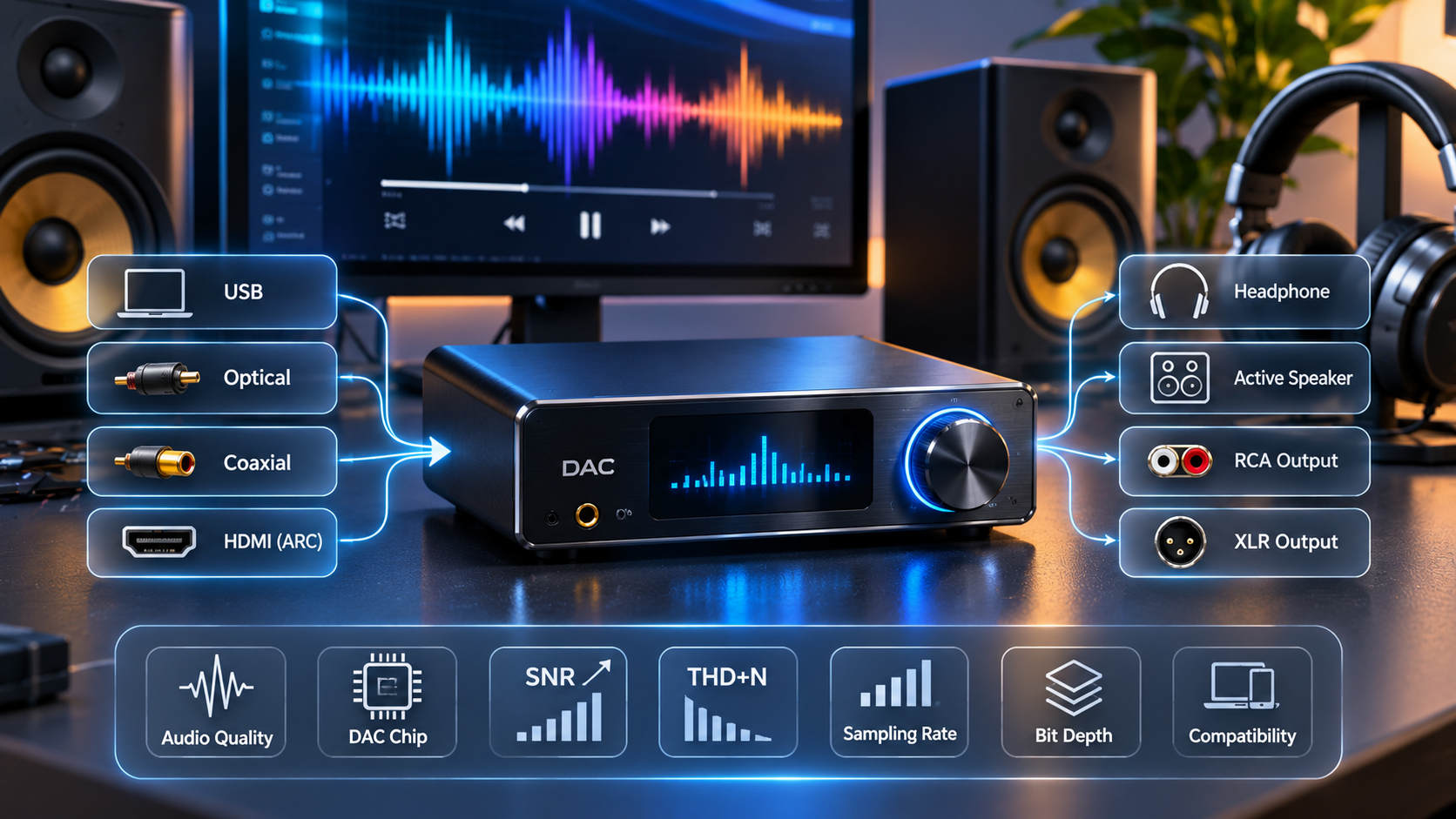
Digital Audio Converter Performance is a topic that resonates with both audiophiles and casual listeners alike, opening the door to an enhanced auditory experience. At its core, a digital audio converter (DAC) takes digital audio signals and transforms them into analog signals, enabling us to enjoy our favorite tunes in the full richness they deserve.
This conversion process is crucial as it directly impacts sound quality, influenced by factors like sample rates and bit depth. With a variety of DAC technologies available, understanding their nuances can significantly elevate your listening experience, whether you’re in a professional studio or simply enjoying music at home.
Understanding the Fundamentals of Digital Audio Converter Performance
Digital Audio Converters (DACs) play an essential role in the audio processing chain, bridging the gap between digital audio files and the analog world. Their primary function is to convert digital signals, often represented as binary code, into analog signals that can be understood and processed by speakers and headphones. This process is crucial for enjoying music and audio content in its intended quality, as most audio sources, such as streaming services and digital files, are stored in a digital format. The performance of a DAC significantly influences the overall audio experience, making it important to understand their workings and characteristics.
The conversion process involves several technical steps. Initially, the digital audio signal, which is sampled at discrete intervals, is processed by the DAC. The digital signal consists of a series of binary numbers indicating amplitude and timing. The DAC utilizes a method called pulse-code modulation (PCM) to translate these numbers into analog waveforms. This is achieved by generating a series of voltage levels that correspond to the digital values. The smoother and more accurate the conversion, the better the resulting sound quality. High-quality DACs employ advanced filtering techniques to reduce noise and distortion, thereby preserving the integrity of the audio signal.
Significance of Sample Rates and Bit Depth
Sample rates and bit depth are critical factors that influence audio quality and DAC performance. The sample rate, measured in Hertz (Hz), refers to the number of times per second an audio signal is sampled. Higher sample rates allow for capturing a wider frequency range, which is particularly important for high-fidelity audio formats. For instance, a sample rate of 44.1 kHz captures audio up to 22 kHz, while higher rates, like 96 kHz or 192 kHz, can capture even more detail and transient sounds.
Bit depth, on the other hand, determines the dynamic range and resolution of the audio signal. It defines how many discrete values can be used to represent each sample. Common bit depths include 16-bit, which is standard for CDs, and 24-bit used in professional audio production. A higher bit depth results in more precise sound reproduction, allowing for greater nuances and subtleties in audio.
The combination of sample rate and bit depth ultimately dictates the fidelity and clarity of the audio, with higher values leading to improved sound quality.
In conclusion, understanding the interplay between these parameters helps audiophiles and sound engineers select appropriate DACs to match their audio requirements, ensuring an optimal listening experience.
Evaluating the Impact of Different DAC Technologies on Performance
Digital-to-Analog Converters (DACs) play a crucial role in the audio landscape, converting digital audio signals into analog ones for playback. The technology behind these converters significantly impacts sound quality and usability, making it essential to understand the various types available, particularly Delta-Sigma and R2R (Resistor to Resistor). Each of these technologies exhibits unique characteristics that cater to different audio needs and preferences.
Comparison of Delta-Sigma and R2R DAC Technologies
Delta-Sigma DAC technology is widely regarded for its ability to deliver high-resolution audio with excellent dynamic range and low distortion. This technology uses oversampling and noise shaping techniques to convert signals, which results in a smooth and detailed sound signature. Delta-Sigma DACs are commonly found in consumer electronics, such as smartphones and home audio systems, due to their efficiency and low cost.
In contrast, R2R DACs utilize a more traditional approach that involves a ladder network of resistors to create voltage levels corresponding to the digital signals. This method is appreciated for its potential to produce an analog sound that many audiophiles find more natural and lifelike. However, R2R DACs tend to be more expensive to manufacture and may require precise calibration, making them less common in mainstream consumer products.
The strengths and weaknesses of each DAC technology become apparent when examining their sound quality and usability. For Delta-Sigma DACs, the strengths include:
- High resolution and detail, suitable for a wide range of audio applications.
- Lower manufacturing costs, making them accessible for various consumer products.
- Robust performance in a compact size, ideal for portable devices.
However, they may exhibit a more “digital” sound, which some purists may find less appealing. Conversely, R2R DACs offer:
- A more organic and analog-like sound, favored by audiophiles.
- The ability to handle specific audio formats with precision.
- Less dependency on digital processing, which can enhance the listening experience.
Yet, their weaknesses include higher costs and potential complexity in usage, which can limit their appeal for everyday consumers.
In summary, Delta-Sigma DACs excel in cost-efficiency and versatility, making them prevalent in consumer electronics. R2R DACs attract a niche market of audiophiles seeking superior sound quality, often used in high-end audio setups. Both technologies continue to evolve, pushing the boundaries of audio performance in both professional and domestic contexts.
Analyzing Factors Influencing Digital Audio Converter Performance
Digital Audio Converters (DACs) are pivotal in the audio reproduction chain, converting digital signals into analog form. Their performance is influenced by numerous factors that can significantly impact the quality of the audio output. Understanding these elements is essential for optimizing DAC performance and achieving high fidelity in sound reproduction.
Factors Affecting DAC Performance
Several key factors influence the performance of DACs, and addressing them can lead to improved audio quality. Key aspects include:
1. Power Supply Quality: The power supply plays a crucial role in DAC performance. An unstable or noisy power supply can introduce unwanted noise and distortion, adversely affecting audio clarity. High-quality, regulated power supplies designed for low noise and ripple are essential for optimal performance.
2. Clock Jitter: Clock jitter refers to variations in the timing of the clock signal that drives the DAC. This can lead to inaccuracies in the conversion process, resulting in artifacts and reduced audio quality. To mitigate jitter, employing high-quality clock generators and phase-locked loops (PLLs) can help, ensuring precise timing and reducing jitter effects.
3. Component Materials: The materials used in the DAC circuitry greatly impact performance. High-purity metals and high-quality capacitors can minimize signal degradation and distortion. Additionally, the selection of resistors and other passive components can influence the overall sound quality. Using components with low tolerance and high stability can result in clearer audio output.
4. Circuitry Design and Layout: The physical design of the DAC circuit is paramount. A well-thought-out layout that minimizes interference from external sources and ensures optimal signal paths can dramatically enhance performance. Grounding schemes, shielding, and trace routing should be carefully considered to reduce electromagnetic interference (EMI) and radio frequency interference (RFI).
5. Temperature Stability: The performance of electronic components can vary with temperature changes. Therefore, maintaining a stable operating temperature can be crucial for consistent DAC performance. Implementing heat sinks or active cooling solutions can help manage thermal effects.
In summary, optimizing DAC performance necessitates attention to the power supply, clock jitter, material choice, circuit design, and thermal management. By focusing on these factors, audio quality can be substantially enhanced, allowing for a more engaging listening experience.
The quality of components and the design of circuitry directly influence the accuracy and clarity of the audio output from a DAC.
The Role of Digital Audio Converters in High-Fidelity Audio Systems
Digital Audio Converters (DACs) play a pivotal role in the realm of high-fidelity audio systems. They serve as the bridge between digital audio sources and analog playback devices, converting digital signals to analog that can be understood by amplifiers and speakers. This process is crucial for achieving the utmost clarity and detail in sound reproduction, making DACs essential components in any high-end audio setup. With the increasing prevalence of digital music formats, the importance of high-quality DACs cannot be overstated; they can significantly enhance the listening experience by accurately translating the audio data.
The integration of DACs with other audio components like amplifiers and speakers is where the magic truly happens in high-fidelity audio systems. A DAC takes the digital audio stream from your source device—such as a computer, smartphone, or streaming device—and converts it into an analog signal. This analog signal then feeds into an amplifier, which boosts the signal’s power for driving speakers. High-quality DACs use advanced algorithms and superior components to minimize distortion and noise during conversion, ensuring that the audio’s integrity is maintained. This level of detail is crucial when paired with high-end speakers, as they can reveal subtleties and nuances in the music that lesser systems might miss.
In specific scenarios, the role of high-quality DACs becomes even more pronounced. For instance, audiophiles often use high-resolution audio files that contain far more detail than standard formats. In this context, a high-end DAC is vital for accurately reproducing this detail, making the music feel more immersive. Another example is in home theater setups, where a robust DAC can enhance movie soundtracks and sound effects, producing a more engaging viewing experience. Additionally, in professional environments such as recording studios, using high-quality DACs ensures that audio engineers can accurately monitor and mix sound, relying on the precision that these converters provide.
Furthermore, the differences in DAC technology can lead to varying sound signatures, which might appeal differently to listeners. Some DACs may impart a warmer sound, while others offer more analytical precision. This diversity allows users to select DACs that complement their particular audio preferences and setups, ensuring that the overall system delivers the best possible sound quality tailored to individual tastes.
Practical Considerations for Choosing a Digital Audio Converter
Choosing the right Digital Audio Converter (DAC) is crucial for enhancing your listening experience. With various options available, understanding the key features will help in making an informed decision tailored to personal preferences and audio equipment compatibility. A well-selected DAC can significantly improve sound quality, offering clarity and depth that can transform everyday listening into an immersive experience.
When selecting a DAC, it is essential to consider several key features that impact performance, usability, and compatibility with your existing audio gear. Below are the primary features to look for when making your choice.
Key Features for Selecting a DAC
The features to consider when choosing a DAC can make a significant difference in audio quality and usability. The following points Artikel important aspects to evaluate:
- Connectivity Options: Look for various input and output options such as USB, optical, coaxial, and Bluetooth. Compatibility with your devices is crucial for seamless operation.
- Audio Formats Supported: Ensure the DAC can handle high-resolution audio formats like FLAC, DSD, and others. This will maximize sound quality and fidelity.
- Price Range: Set a budget that reflects the quality you desire, as DACs can range from budget-friendly options to high-end models. Understand that often, you get what you pay for.
- User Reviews: Reading user feedback can provide insight into real-world performance and satisfaction, highlighting pros and cons that specifications might not reveal.
In addition to the features mentioned, a comparative table can help visualize the options available within different DAC models.
| Feature | Entry-Level DAC | Mid-Range DAC | High-End DAC |
|---|---|---|---|
| Connectivity Options | USB, Optical | USB, Optical, Coaxial, Bluetooth | USB, Optical, Coaxial, Bluetooth, AES/EBU |
| Price Range | $50 – $200 | $200 – $800 | $800+ |
| Audio Formats Supported | MP3, AAC | MP3, AAC, FLAC, DSD | All Major Formats, Including MQA |
| User Reviews | Generally Positive | Highly Rated for Performance | Exceptional Sound Quality |
Matching a DAC with other audio equipment is another critical aspect of optimizing audio performance. When integrating a DAC into your audio setup, consider the following guidance:
- Amplifier Compatibility: Ensure that the output of the DAC matches the input specifications of your amplifier to avoid any distortion or loss of quality.
- Speaker Impedance: Check the impedance ratings of your speakers in relation to the power output of the DAC for efficient performance.
- Source Quality: Use high-quality source files to take full advantage of the DAC’s capabilities. Streaming services that offer high-definition audio can enhance the experience.
- Cables and Connectors: Invest in quality cables that minimize signal loss. Poor cabling can negate the benefits of a high-quality DAC.
The Future of Digital Audio Converters and Emerging Technologies
As the digital audio landscape continues to evolve, digital audio converters (DACs) are also set for a transformation influenced by technological advancements and changing consumer preferences. The future of DACs is likely to be shaped by innovations in technology, especially with the growing intersection of artificial intelligence and machine learning. This evolution will not only enhance sound quality but also broaden the scope of audio applications.
The integration of artificial intelligence and machine learning in digital audio converters is poised to revolutionize their functionality. These technologies can analyze audio signals in real-time, allowing DACs to adapt to various audio environments and user preferences dynamically. This adaptability means that users could experience customized sound profiles tailored to their listening habits or the acoustics of their surroundings. Further, AI-driven noise reduction and sound enhancement algorithms are expected to bring about a new level of audio clarity, making even compressed digital formats sound richer and more immersive.
Impact of Consumer Preferences on Future DAC Development
Understanding consumer demand is crucial in shaping the development of future DACs. As audiophiles and casual listeners alike become more discerning about audio quality, manufacturers are likely to prioritize features that enhance the listening experience. Some anticipated trends include:
- Wireless Capabilities: With the rise of streaming services and portable music, the demand for high-quality wireless DACs will increase, prompting innovation in Bluetooth and Wi-Fi technologies.
- Multi-Functional Devices: Consumers are leaning towards devices that offer more than just audio conversion, such as integrated streaming, voice assistant capabilities, and customizable sound profiles.
- Sustainability: Eco-conscious consumers are influencing brands to adopt sustainable practices in manufacturing, leading to the development of DACs made from recycled materials.
The future of digital audio converters is not just about technical specifications; it’s also about creating an engaging and personalized audio experience. Companies that can successfully harness advancements in technology while staying attuned to consumer preferences will likely lead the market into this new era of digital audio.
Real-World Testing and Reviews of Popular Digital Audio Converters
In the realm of digital audio, choosing the right Digital Audio Converter (DAC) can significantly enhance audio quality and overall listening experience. This section delves into several popular DAC models, emphasizing their real-world performance across various applications and settings. From audiophiles to casual listeners, understanding these models helps in making informed decisions.
A detailed review of DACs provides insights into their specifications, performance outcomes, and user experiences. Several key factors come into play, including audio clarity, connection types, and versatility. Below, we explore different DAC models, showcasing their strengths through user testimonials and expert insights.
Top Digital Audio Converters
The following DAC models have been extensively tested and reviewed, each showcasing unique features and performance metrics.
- AudioQuest DragonFly Red: This compact USB DAC is praised for its portability and excellent sound quality. It delivers a high-resolution audio experience with its 24-bit/96kHz capabilities, making it suitable for both mobile and desktop setups. Users often note its ease of use and significant improvement over standard computer audio.
- Chord Mojo: Renowned for its impressive audio fidelity, the Chord Mojo supports various audio formats, including DSD and PCM. With its dual DACs and customizable sound options, it is a favorite among audiophiles. Many reviews highlight its robust build quality and detailed soundstage, making it a top choice for serious listeners.
- FiiO Q5s: This versatile DAC and amplifier combo offers Bluetooth connectivity, balanced outputs, and a range of inputs. The Q5s is frequently recommended for its ability to enhance the sound quality of both mobile devices and PCs. User feedback frequently points to its clear audio reproduction and solid battery life.
- iFi Zen DAC: Designed for desktop use, the iFi Zen DAC features a built-in headphone amplifier and supports high-resolution audio formats. Users appreciate its warm sound profile and impressive dynamic range, often comparing it favorably against more expensive models.
The performance of these DACs has been rigorously analyzed in various audio testing scenarios. For instance, subjective listening tests often reveal that users find the sound quality of the Chord Mojo superior in terms of clarity and detail, particularly in complex musical passages. Conversely, the AudioQuest DragonFly Red shines in mobile contexts where convenience is paramount.
User Testimonials and Expert Opinions
Real-world experiences from users and industry experts shed light on the practical benefits and drawbacks of these popular DAC models.
- AudioQuest DragonFly Red: Users rave about its transformative effect on listening experiences, particularly when paired with high-quality headphones. An expert review notes its “remarkable ability to extract detail from recordings,” making it a must-have for those on the go.
- Chord Mojo: Testimonials often describe it as a “game changer” for home audio setups. Experts emphasize its “unmatched sound quality” and versatility in handling various audio formats.
- FiiO Q5s: Users highlight its seamless Bluetooth pairing and powerful amplification. One reviewer states, “It improved the audio from my smartphone exponentially,” illustrating its effectiveness in boosting sound quality across devices.
- iFi Zen DAC: This model garners praise for its affordability and performance. Users appreciate its user-friendly interface and the warm sound signature, which an expert refers to as “an inviting approach to digital audio.”
In summary, these DAC models not only cater to different audio preferences but also adapt well to diverse listening environments, ensuring a worthwhile investment for users looking to enhance their audio experience.
Final Wrap-Up
In summary, the world of Digital Audio Converter Performance reveals an intricate balance of technology and artistry that shapes how we perceive sound. As we navigate through the advancements and various options available, it’s clear that selecting the right DAC not only enhances audio quality but also caters to individual preferences, paving the way for a more personalized listening experience.
Helpful Answers
What is a digital audio converter?
A digital audio converter (DAC) is a device that converts digital audio signals into analog signals, allowing playback through speakers or headphones.
Why does sample rate matter in DAC performance?
The sample rate determines how many times per second the audio signal is sampled, affecting the accuracy and quality of the sound reproduction.
How do different DAC technologies affect sound quality?
Different DAC technologies, such as Delta-Sigma and R2R, have unique strengths and weaknesses, leading to variations in sound quality and performance based on the application.
Can DAC performance be improved?
Yes, elements like power supply quality, reduced clock jitter, and proper circuitry design can significantly enhance DAC performance.
What should I consider when choosing a DAC?
Look for features such as connectivity options, supported audio formats, price, and how well it integrates with your existing audio setup.
Are more expensive DACs always better?
Not necessarily; while higher-priced DACs often offer better performance, personal preferences and specific use cases can determine the best choice for you.