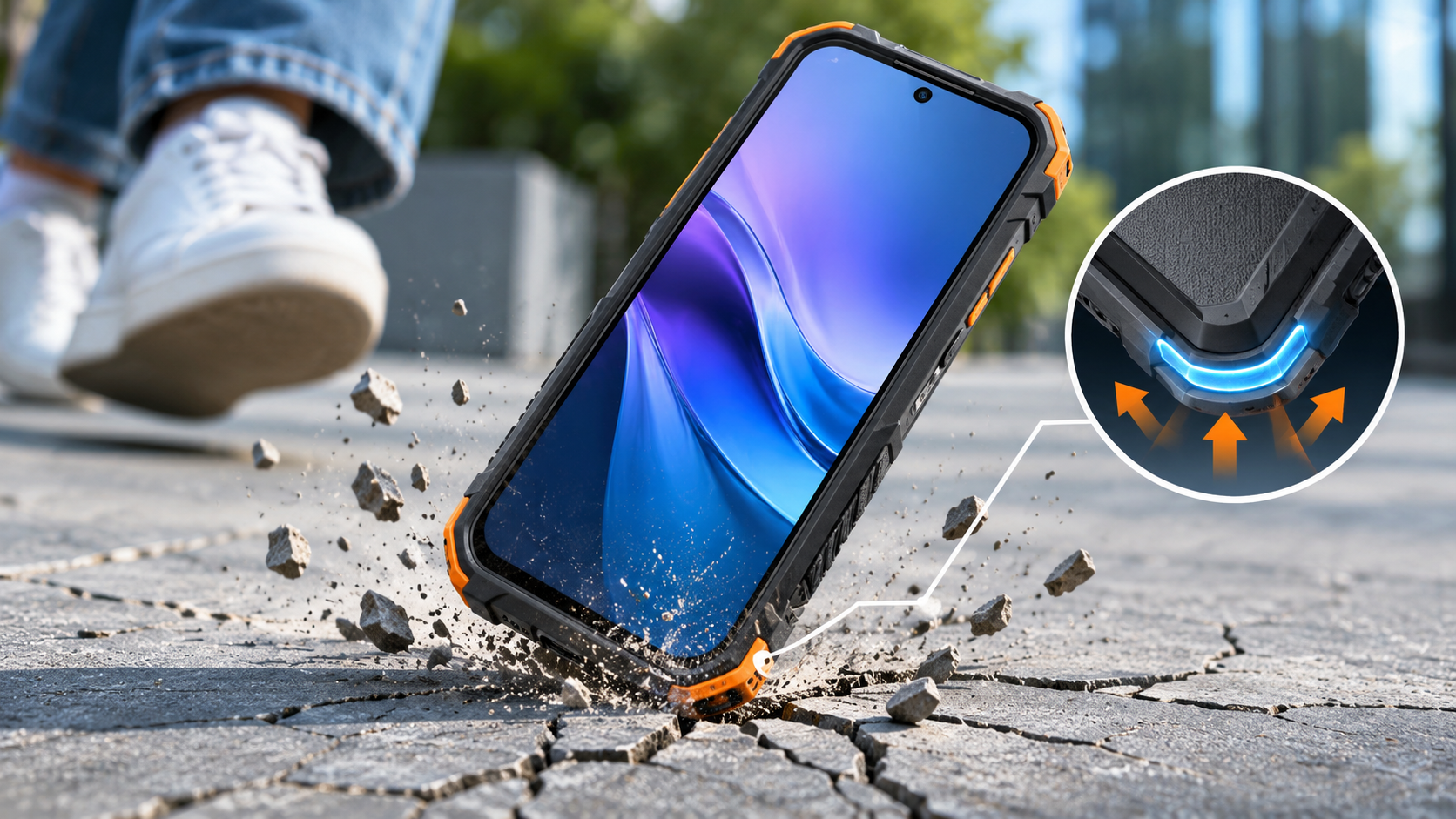
Smartphone Drop Protection is not just an added luxury; it’s a vital necessity in our tech-driven lives. Every day, we rely on our devices for communication, navigation, and entertainment, making them prone to accidental slips and falls. With repair costs skyrocketing and the emotional attachment we form with our gadgets, understanding how to protect them from drops is more important than ever.
From innovative case designs to DIY solutions, we have a plethora of options at our disposal. This exploration into drop protection methods and materials will empower you to make informed choices, ensuring your smartphone remains safe while you navigate your daily adventures.
The Importance of Smartphone Drop Protection in Everyday Life
Smartphones have become an essential part of our daily lives, serving not only as communication devices but as tools for managing schedules, capturing memories, and even for work purposes. The potential for accidental drops and impacts is ever-present, making smartphone drop protection not just an option but a necessity in today’s fast-paced world.
Protecting smartphones from drops is crucial because even a small fall can lead to significant damage. The modern smartphone is a sophisticated piece of technology, and just one impact can crack the screen or damage internal components, rendering it unusable. The financial implications of these incidents can be staggering, often totaling hundreds of dollars for repairs or replacement. According to a study by SquareTrade, approximately 50% of smartphone users admit to dropping their devices, which underscores the likelihood of needing protection.
Financial Implications of Smartphone Damage
Smartphone damage can lead to considerable financial burdens. Repair costs can vary widely based on the model and the extent of the damage. For example, replacing a cracked screen can cost anywhere from $100 to $300, depending on the device. In some instances, the total cost of repairs may exceed the value of the phone itself, pushing users toward the decision to purchase a new model.
The potential costs associated with smartphone damage can be broken down into the following categories:
- Repair Costs: These include services for screen replacements, battery issues, and other internal repairs.
- Replacement Costs: In some cases, users may find themselves compelled to buy a new phone altogether, often costing upwards of $700 for newer models.
- Insurance Premiums: Some users opt for insurance plans which, while providing peace of mind, add monthly costs that accumulate over time.
“Preventing smartphone damage through effective protection can save significant amounts of money in the long run.”
Emotional Connection to Devices
Smartphones often hold sentimental value for users, serving as repositories for precious memories and important communications. The attachment can stem from various factors, including personal photos, messages from loved ones, and even the personalization of the device through apps and wallpapers.
The emotional connection users have with their smartphones can be profound. Losing or damaging a phone can feel like losing a part of oneself. This emotional investment makes the preservation of these devices vital. An unfortunate incident, like a drop that leads to screen damage, not only disrupts daily life but also affects user morale, as they may lose access to cherished memories or vital information stored within the device.
To summarize, the importance of smartphone drop protection extends beyond mere functionality; it encompasses financial, emotional, and practical dimensions that underscore the necessity for protective measures in everyday life.
Common Smartphone Drop Protection Methods and Materials
Smartphones are integral to our daily lives, and protecting them from accidental drops is essential. Various materials and innovative technologies have emerged to mitigate damage during falls, enhancing the durability of smartphone cases. This overview highlights the most common methods and materials used for smartphone drop protection, focusing on their effectiveness and longevity.
Materials Used in Smartphone Cases
The effectiveness of a smartphone case greatly depends on the materials used in its construction. Here’s a look at the most commonly used materials and their properties:
- Silicone: Known for its flexibility and shock-absorbing capabilities, silicone cases provide a basic level of drop protection while being lightweight. Their soft texture prevents slipping from hands but may not withstand extreme drops.
- Polycarbonate: A more rigid option, polycarbonate is a type of plastic that offers superior impact resistance. Cases made from this material are often designed to absorb shock and safeguard vital components from damage, making them a preferred choice for heavy-duty protection.
- Rubber: Often combined with other materials, rubber cases excel in grip and impact resistance. They can effectively absorb vibrations and shocks from drops, but the durability may vary based on the thickness and quality of the rubber used.
Comparison of Effectiveness and Durability
When evaluating the materials based on their effectiveness and durability, it’s important to consider their performance in real-world scenarios. Each material has its strengths and weaknesses.
The balance between protection and usability is crucial when selecting a smartphone case.
| Material | Effectiveness | Durability |
|---|---|---|
| Silicone | Moderate protection, good for minor drops | Can degrade over time with exposure to heat |
| Polycarbonate | High impact resistance, ideal for significant falls | Long-lasting, resistant to scratches and cracking |
| Rubber | Good shock absorption, effective against bumps | Varies, but generally good when thick and high-quality |
Innovative Drop Protection Technologies
Recent advancements have introduced innovative technologies that enhance smartphone drop protection beyond traditional materials. These include:
- Airbags: Inspired by automotive technology, some smartphone cases now incorporate mini airbags that inflate upon impact, effectively cushioning the device and reducing the force of the drop.
- Shock-absorbing designs: Manufacturers are designing cases with unique geometries that disperse the force of an impact across a larger area, minimizing damage to the smartphone.
- Multi-layer constructions: Combining different materials, these cases offer improved protection by utilizing the strengths of each component, such as a hard outer shell with a soft inner lining to absorb shock.
The integration of these technologies makes modern smartphone cases more effective at preventing damage from drops, ensuring that your device remains intact even in challenging situations.
Evaluating Smartphone Case Effectiveness Against Drop Damage
Choosing the right smartphone case that effectively protects against drop damage is crucial for maintaining the longevity of your device. With smartphones becoming an integral part of our daily lives, ensuring their protection against accidental drops is essential. Understanding the key features that contribute to effective drop protection can help users make informed decisions when selecting a case.
Several key features are vital in assessing the reliability of a smartphone case against drop damage. These features not only enhance the protective capabilities of the case but also cater to different usage scenarios. Below are the essential characteristics to consider when evaluating smartphone cases:
Key Features for Reliable Drop Protection
The effectiveness of a smartphone case largely depends on its design and material composition. The following features play a significant role in ensuring robust protection against impacts:
- Material Quality: High-quality materials such as TPU (thermoplastic polyurethane), polycarbonate, or silicone provide excellent shock absorption and durability. Cases made from these materials are often more resilient to drops.
- Shock Absorption Technology: Many cases incorporate advanced shock-absorbing technologies, such as air pockets or gel layers, which help disperse impact forces upon contact.
- Raised Edges: Cases with raised edges around the screen and camera offer additional protection by preventing direct contact with surfaces when the phone is placed face down.
- Drop Rating: Look for cases that meet or exceed military drop test standards, such as the MIL-STD-810G, which indicates the case has been tested for durability against drops from specified heights.
- Fit and Accessibility: A well-fitted case not only provides better protection but also allows easy access to buttons and ports, ensuring a practical user experience.
Understanding industry standards and testing methods is crucial for evaluating the durability of smartphone cases. Manufacturers often adhere to various testing protocols to validate the effectiveness of their cases. The most recognized standards include:
Industry Standards and Testing Methods
These standards help consumers gauge the level of protection offered by different smartphone cases. Here are some key industry testing protocols:
- Military Standard (MIL-STD-810G): This test assesses a case’s ability to withstand drops from a height of 4 feet or greater, simulating real-world conditions.
- IEC 60529 (IP Rating): This rating measures a case’s resistance to dust and water, which can also impact durability in various environments.
- Drop Test Methods: Many manufacturers conduct internal drop tests, assessing how well their cases protect devices when dropped from various heights and angles.
Personal usage habits significantly influence the choice of smartphone protection methods. Different lifestyles and environments can dictate the level of protection required. Users need to consider their specific habits to select the most suitable case for their needs.
Influence of Personal Usage Habits
Understanding how daily routines affect smartphone wear and tear can guide users in their case selection. Below are some factors to consider:
- Activity Level: Individuals with active lifestyles, such as athletes or outdoor enthusiasts, may require more rugged cases capable of withstanding harsh conditions.
- Work Environment: Those working in construction or industrial settings might opt for cases with higher durability ratings to ensure protection against heavy impacts.
- Daily Handling: Regularly commuting or handling a smartphone in crowded spaces may lead to drops, necessitating a case with enhanced edge protection.
In summary, evaluating smartphone case effectiveness against drop damage involves understanding material quality, industry standards, and personal usage habits. Making informed decisions based on these criteria can significantly enhance the protection of your smartphone, ensuring it remains functional and aesthetically pleasing for years to come.
DIY Solutions for Enhancing Smartphone Drop Protection
Creating a protective barrier for your smartphone doesn’t have to come with a hefty price tag. With some creativity and readily available materials, you can enhance the drop protection of your device right at home. This DIY approach not only saves money but also allows for customization that fits your lifestyle and preferences.
Many commercial cases are designed to withstand impacts, but DIY solutions can be surprisingly effective, depending on the materials used. While they may not offer the same level of protection as high-end products, homemade options can significantly reduce the risk of damage from everyday drops. Here are some practical tips and ideas to get you started.
Materials and Tools for Crafting a Custom Protective Case
Before diving into the crafting process, it’s essential to gather the right tools and materials. This will streamline the project and ensure that you have everything at hand when inspiration strikes. Below is a list of items typically needed for creating a custom smartphone protective case:
- Cardboard or Plastic Sheets: Provides a sturdy base for crafting a protective shell.
- Bubble Wrap: Offers excellent cushioning to absorb shocks from falls.
- Fabric or Old T-Shirts: Can be used to create a soft outer layer that also adds grip.
- Scissors: Essential for cutting materials to the desired size and shape.
- Glue or Tape: Used to assemble and secure different parts of the case.
- Ruler or Measuring Tape: Ensures precise measurements for a snug fit.
- Marker: Helps in marking measurements and cutting lines on materials.
Using these materials, you can design a case that fits snugly around your smartphone, providing a barrier against drops and bumps. For instance, wrapping your device in bubble wrap before placing it inside a cardboard frame can create a lightweight yet effective protective layer. This method not only helps in safeguarding your phone but can also be a fun and creative project.
Custom DIY solutions for smartphone protection can effectively reduce damage from drops while allowing for a personal touch.
The Role of Screen Protectors in Comprehensive Drop Defense
Screen protectors serve as the first line of defense for your smartphone’s display, significantly contributing to overall drop protection strategies. While many users focus on robust cases to safeguard their devices, the importance of screen protectors should not be underestimated. They help to absorb impact, prevent scratches, and maintain the clarity of your screen, which is essential not only for aesthetics but also for functionality.
Screen protectors come in various materials, each with its own strengths and weaknesses. The two most common types are tempered glass and plastic film. Tempered glass protectors are made from processed glass that is hardened to resist scratches and impacts effectively. They offer high transparency and touch sensitivity, making them a popular choice among users who prioritize screen experience. On the other hand, plastic film protectors are thinner and lighter but may not provide the same level of impact resistance and can be more prone to scratches.
Comparison of Screen Protector Types
Understanding the differences between these screen protector types is crucial for making an informed choice. Here’s a brief overview of their characteristics:
- Tempered Glass:
Highly resistant to shattering and scratches, providing a strong barrier against drops.
- Thickness: Generally thicker, adding a layer of protection.
- Clarity: Maintains high screen clarity and touch sensitivity.
- Installation: Often easier to install without bubbles.
- Plastic Film:
Lightweight and flexible, these protectors offer basic scratch resistance.
- Thickness: Thinner, making them less protective against severe impacts.
- Clarity: May reduce screen clarity and touch responsiveness compared to glass.
- Installation: Can be challenging to install without trapping dust or bubbles.
Using screen protectors in conjunction with smartphone cases enhances overall protection. A well-chosen case can protect the device from shocks and drops, while a screen protector can prevent scratches and cracks on the display. This two-pronged approach ensures maximum safety for your smartphone, as both the body and the screen are equipped to handle everyday wear and tear.
The benefits of combining both protective elements are evident. For instance, during a drop, the case absorbs much of the shock, while the screen protector minimizes the risk of display damage. This layered protection is particularly beneficial in real-life scenarios. Consider a study that found that 60% of smartphone users experience screen damage within the first year of ownership. Protecting both the case and the screen can drastically reduce repair costs and prolong the device’s lifespan.
In summary, screen protectors play a vital role in a comprehensive drop defense strategy. They complement the protective capabilities of cases, ensuring that your smartphone remains functional and aesthetically pleasing even under challenging conditions.
The Impact of Smartphone Design on Drop Protection Capabilities
The design and structure of smartphones play a crucial role in their ability to withstand drops and accidental impacts. As manufacturers focus on creating sleek and aesthetically pleasing devices, the balance between style and durability becomes increasingly important. Understanding the implications of design choices on drop protection can help consumers make informed decisions when selecting their next smartphone.
The correlation between a device’s thinness and its vulnerability to drops is significant. Thinner smartphones often sacrifice structural integrity for a more streamlined appearance, which can lead to increased susceptibility to damage. When a device is designed to be ultra-slim, the materials used may lack the resilience needed to absorb shocks. This highlights the necessity for manufacturers to implement additional protective features, such as reinforced corners or shock-absorbing materials, to enhance durability without compromising design.
Design Features Enhancing Drop Resistance
Several design features contribute to improving drop resistance in smartphones. Understanding these elements can provide insight into how manufacturers are addressing the challenge of protecting their devices. Key features include:
- Reinforced Frames: Many modern smartphones utilize materials like aluminum or carbon fiber to create stronger frames which can better absorb impacts.
- Gorilla Glass: An advanced type of glass that is chemically strengthened to resist scratches and impacts, often used for screen protection.
- Rubberized Bumpers: Incorporating rubber elements around the edges helps to disperse the force of a drop, significantly lowering the chance of damage.
- Corner Protection: Some designs feature extra cushioning in the corners where impact is most likely to occur, providing an additional layer of defense against drops.
- Shock-Absorbing Materials: Manufacturers may use specialized polymers or foams within the device’s construction to absorb and dissipate energy from impacts.
The ongoing innovations in smartphone design reflect a growing awareness of consumer needs for both aesthetic appeal and robust protection. Manufacturers are increasingly prioritizing drop resistance in their design processes, often incorporating advanced engineering techniques and materials to enhance durability.
Smartphone drop protection continues to evolve as manufacturers strive to meet consumer demand for slimmer devices while ensuring they can withstand the rigors of daily use. By focusing on innovative design solutions and incorporating protective features, brands are successfully balancing the fine line between form and function.
Real-Life Examples of Drop Protection Success and Failure
In the world of smartphones, drop protection can often be the difference between a functioning device and a shattered screen. Understanding the nuances of drop protection through real-life examples allows users to appreciate both the successes and failures of various protective measures. This section will explore instances where smartphones have survived significant drops, as well as cases where protective cases failed to prevent damage.
Success Stories of Drop Protection
Many users have recounted experiences where their smartphones survived falls due to effective protective measures. One notable case involves a user whose iPhone 12 fell from a height of 10 feet onto a concrete surface. Despite the alarming height, the phone was encased in a high-quality rugged case that not only absorbed the impact but also provided a raised edge around the screen. The user reported that the only visible sign of the fall was a minor scuff on the case itself.
Another impressive example comes from a Samsung Galaxy S21 user who shared their experience on social media. The phone slipped out of their pocket while riding a bicycle and landed on the pavement. Thanks to a screen protector and a reinforced case, the device emerged unscathed, with no cracks or functional issues. These anecdotes highlight the importance of investing in robust protective gear for smartphones, as they can greatly enhance the chances of survival during accidents.
Failures of Drop Protection
Despite the advancements in smartphone technology and protective accessories, there are still instances where devices suffer severe damage even when encased. One such case involves a user whose Google Pixel 5, protected by a popular brand case, fell just three feet onto a carpeted floor. Surprisingly, the screen shattered upon impact. Investigations revealed that while the case was marketed as shock-absorbent, it lacked proper corner reinforcement, which is crucial for protecting devices during drops.
Similarly, a report surfaced regarding an iPhone XR that was equipped with a supposedly durable case. After a fall from a desk height, the device sustained significant damage, including a cracked screen and malfunctioning camera. It turned out that the case, despite its appealing design, had not undergone rigorous testing for drop protection. These failures emphasize that not all protective cases are created equal and that consumers should critically evaluate their choices.
Lessons Learned from Drop Protection Examples
The success and failure stories serve as valuable learning experiences for smartphone users regarding drop protection strategies.
- Choose Quality over Aesthetics: High-quality cases often prioritize protection over style. Users should look for cases that have been tested for drop resistance.
- Focus on Corner Protection: Most drops occur at an angle, making corner protection essential. Cases with reinforced corners can significantly reduce the risk of damage.
- Invest in Screen Protection: A screen protector can add an extra layer of security. Tempered glass protectors are known for their durability and can absorb impacts effectively.
- Be Mindful of Case Fit: A poorly fitting case can compromise protection. Ensure that the case fits snugly and does not allow for excessive movement of the device.
- Read Reviews: Before purchasing a case, check user reviews and ratings to determine its effectiveness in real-life scenarios.
These lessons underline the importance of making informed choices when selecting protection measures for smartphones to ensure maximum durability and longevity.
Future Innovations in Smartphone Drop Protection Technologies
As smartphone usage continues to rise, so does the demand for more effective drop protection technologies. The future of smartphone drop protection is poised for exciting innovations that not only enhance durability but also align with user preferences for lightweight, aesthetically pleasing designs. Emerging technologies, materials science advancements, and industry responses to consumer needs will play pivotal roles in shaping how smartphones withstand the rigors of daily life.
Advancements in materials science are paving the way for next-generation smartphone protection. Researchers are exploring innovative materials that are lighter, stronger, and more flexible than traditional options. One such innovation is the development of graphene, a single layer of carbon atoms with remarkable strength and elasticity. This material could significantly improve drop resistance by absorbing impact energy more efficiently than current protective layers. Furthermore, bio-inspired materials, modeled after the toughest structures in nature, like the shells of certain mollusks, are being studied for their potential to offer enhanced protection without added bulk.
Emerging Technologies in Smartphone Protection
The smartphone protection industry is witnessing several exciting technologies that promise to change the landscape of device safety. Understanding these emerging technologies helps consumers appreciate the innovations that will soon be available in the market.
- Smart Cases: These cases incorporate sensors that can detect a drop and engage protective mechanisms instantly, such as air cushions or a retractable frame to minimize impact.
- Liquid Armor: A type of nanotechnology that creates an invisible protective layer, offering enhanced protection against scratches and minor drops while maintaining the phone’s aesthetic appeal.
- Self-Healing Materials: Materials that can automatically repair minor scratches and dents, ensuring that devices maintain their integrity and appearance over time.
- Modular Designs: Phones that feature interchangeable components designed for enhanced durability, allowing users to replace damaged parts rather than the entire device.
User demands are evolving, with an increasing emphasis on lightweight and slim designs that do not compromise functionality. Consumers are looking for protective solutions that seamlessly integrate into their lifestyle without adding bulk. In response, manufacturers are investing in research and development to produce cases that offer robust protection while being aesthetically pleasing and lightweight. The industry is also becoming more eco-conscious, with a growing trend toward sustainable materials that do not sacrifice performance for environmental considerations.
“The future of smartphone drop protection will not only focus on preventing damage but also on enhancing the user experience through innovative designs and materials.”
Ultimate Conclusion
In conclusion, investing in Smartphone Drop Protection is a smart move that can save you both money and heartache. By understanding the various methods and materials available, you can choose the best protection for your device. Whether you opt for a commercial case, a DIY solution, or a combination of both, the goal is to keep your smartphone safe and sound, allowing you to enjoy all the incredible technology it offers without the constant worry of damage.
Top FAQs
What are the best materials for smartphone cases?
Silicone, polycarbonate, and rubber are among the best materials, each offering various levels of durability and impact resistance.
Do all smartphone cases provide adequate drop protection?
No, not all cases are created equal; it’s crucial to look for cases that meet industry standards for drop protection.
How can I enhance my smartphone’s drop protection without buying a new case?
You can use DIY materials such as foam padding or bubble wrap to temporarily cushion your device.
Are screen protectors really necessary for drop protection?
Yes, screen protectors, especially tempered glass, can significantly reduce the risk of screen cracks from drops.
How often should I replace my smartphone case?
Replace your case when it shows signs of wear, such as cracks or significant scuffs that may compromise its protective ability.