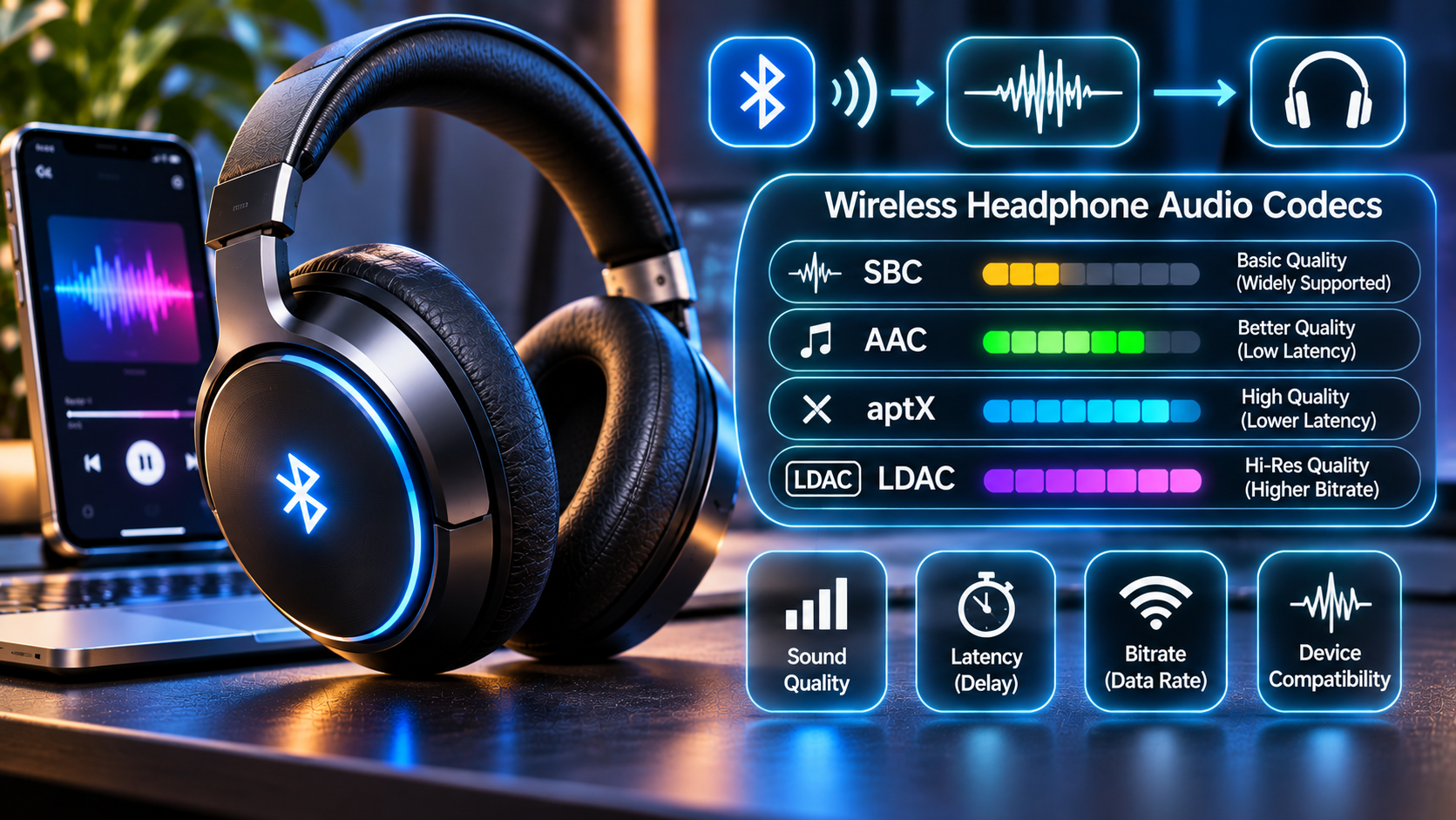
Wireless Headphone Codec Performance is a critical aspect of modern audio technology, shaping our listening experiences in profound ways. As we dive into the world of audio codecs, we discover their essential role in transmitting sound wirelessly, ensuring that the music, podcasts, and games we enjoy are delivered with optimal quality. Understanding how codecs work reveals not just the technicalities but also the impact they have on our daily use of wireless headphones.
From the choice of codec influencing sound quality to the intricate relationship between codecs and wireless transmission, there’s much more to uncover. Each codec has its unique strengths and weaknesses, making it essential for consumers to understand what to look for based on their specific needs, whether it be gaming, music listening, or casual podcast enjoyment.
Understanding Wireless Headphone Codecs and Their Importance
In the realm of wireless audio technology, codecs play a pivotal role in how sound is transmitted and perceived. Audio codecs are algorithms that encode and decode digital audio data, allowing for the compression and transmission of high-quality sound over wireless connections. As the demand for superior audio experiences grows, understanding codecs has become essential for both manufacturers and consumers.
The choice of codec significantly affects sound quality, as it dictates how audio is compressed and transmitted. Different codecs have varying compression methods, which can lead to differences in audio clarity, dynamic range, and overall listening experience. For instance, the aptX codec is known for delivering near-CD quality sound over Bluetooth, while the standard SBC codec, often used for basic Bluetooth audio, may result in a less detailed listening experience. This variance can be crucial for audiophiles who prioritize sound fidelity in their wireless headphones.
Impact of Codec Choice on Sound Quality
Selecting the appropriate codec is crucial for ensuring optimal sound quality in wireless headphones. Here are key considerations regarding the impact of codec choice:
– Lossless vs. Lossy Compression: Some codecs, like LDAC, support higher bitrates and can transmit lossless audio, preserving more details compared to lossy codecs. This results in richer sound with more nuances.
– Bitrate Variations: Codecs such as aptX HD offer higher bitrates, leading to less compression and better sound quality. Choosing a codec with a higher bitrate often translates to a more faithful reproduction of the original audio.
– Latency Issues: While some codecs provide excellent sound quality, they may introduce latency, affecting synchronization with video or live performances. Codecs like aptX Low Latency minimize this issue, making them preferable for gamers and video watchers.
– Compatibility and Ecosystem: The effectiveness of a codec also relies on the devices involved. For instance, using an LDAC-capable source device with compatible headphones maximizes audio quality.
“The codec choice can mean the difference between an immersive audio experience and a disappointing one.”
In addition to sound quality, codecs also play a vital role in wireless transmission. The relationship between codecs and wireless technology is deeply intertwined. Codec performance can influence the stability and range of wireless connections. A codec that effectively compresses audio data allows for smooth transmission even over less than ideal signal conditions, reducing dropouts and enhancing the overall user experience.
By understanding the intricacies of codecs, users can make informed decisions when selecting wireless headphones, ensuring they achieve the best audio quality compatible with their devices.
Comparing Different Wireless Headphone Codecs
Wireless headphone codecs play a crucial role in delivering sound quality and latency performance for various audio experiences. As the demand for high-quality audio increases, understanding the distinctions between different codecs becomes essential for consumers seeking the best options for their needs. This section delves into three popular wireless headphone codecs currently available on the market, evaluating their strengths and weaknesses in audio quality and latency, as well as their suitability for specific listening scenarios.
AAC Codec
The Advanced Audio Codec (AAC) is widely used, especially within Apple devices. It is favored for its efficient compression capabilities, allowing for high-quality sound even at lower bit rates. AAC typically provides a good balance between audio quality and latency, making it a popular choice for streaming music and podcasts.
- Pros:
AAC offers superior audio quality at lower bit rates, making it efficient for wireless streaming.
It is natively supported on iOS devices, ensuring seamless integration and performance.
- Cons:
While AAC performs well with Apple devices, compatibility can be inconsistent with Android devices.
The codec may experience higher latency in some scenarios compared to others.
SBC Codec
Subband Codec (SBC) is the standard codec for Bluetooth audio. While it does not match the audio quality of AAC or aptX, it is widely supported across all Bluetooth devices, making it a reliable choice. Its basic design ensures it can handle a range of audio streams, though it may not always deliver the best experience.
- Pros:
SBC is universally compatible with virtually all Bluetooth audio devices.
The codec is straightforward, leading to robust connectivity.
- Cons:
Audio quality can suffer at lower bit rates, leading to potential loss of detail.
SBC tends to have higher latency, which can be noticeable in gaming or video applications.
aptX Codec
aptX, developed by Qualcomm, is designed to provide better audio quality and lower latency than SBC, making it a preferred choice for audiophiles and gamers alike. With its high-resolution audio capabilities, aptX can deliver a more immersive listening experience, especially for music and gaming.
- Pros:
aptX provides near-CD quality audio with minimal latency.
It is particularly effective for gaming and watching videos, enhancing the overall experience.
- Cons:
Compatibility is limited to devices that explicitly support aptX.
It may not perform as well on lower-end devices or with older Bluetooth hardware.
In summary, selecting the right codec depends significantly on the intended use. For music enthusiasts using Apple devices, AAC offers a solid performance. For casual listeners with various devices, SBC ensures compatibility, albeit with some compromises on quality. Conversely, for gamers and audiophiles seeking low latency and high fidelity, aptX stands out as the optimal choice. Understanding these nuances helps users tailor their audio experiences to suit their specific needs.
Factors Influencing Codec Performance in Wireless Headphones
The performance of wireless headphone codecs is influenced by a myriad of factors that are crucial for delivering high-quality audio. Understanding these aspects can significantly enhance the listening experience, ensuring that users can enjoy their music or calls without any disruptions. This discussion delves into the technical specifications, the impact of distance from the audio source, and the environmental factors that can affect audio output.
Technical Specifications Affecting Codec Performance
The codec used in wireless headphones plays a pivotal role in determining audio fidelity. Key specifications include bit rate, sample rate, and the type of audio compression algorithm employed. A higher bit rate generally allows for more audio data to be transmitted, resulting in richer sound quality. For instance, codecs like aptX HD provide up to 24-bit/48kHz audio quality, which is significantly superior to standard Bluetooth codecs.
Moreover, the sample rate impacts how accurately the audio is reproduced. A codec with a high sample rate captures a wider range of frequencies, thus enabling clearer sound reproduction. The choice of audio compression method also matters; lossless codecs retain more audio data compared to lossy codecs, which discard information to reduce file size.
“The choice of codec can make or break the audio experience, influencing everything from clarity to depth.”
Distance from the Audio Source
The distance between the wireless headphones and the audio source is another critical factor influencing codec performance. As the distance increases, the strength of the Bluetooth signal typically diminishes, leading to potential audio dropouts or degradation in quality.
For instance, Bluetooth connections can maintain high-quality audio up to approximately 30 feet (10 meters), but beyond that, users may experience interruptions. This is especially relevant in environments where barriers like walls can obstruct the signal. Users often notice a decrease in sound quality or experience latency, which can be particularly problematic when watching videos or playing games.
Environmental Factors Influencing Wireless Audio Performance
Environmental factors also play a significant role in the performance of wireless audio systems. Interference from other electronic devices, such as microwaves, Wi-Fi routers, or even other Bluetooth devices, can disrupt the audio signal.
In urban settings, users may face additional challenges due to the high density of wireless signals, which can lead to congestion. Audio performance can also be affected by physical obstacles like walls or furniture, which can reflect or absorb signals, further complicating connectivity.
Understanding these environmental influences is crucial for optimizing audio performance. Users might consider the following strategies to mitigate interference:
- Keep the audio source and headphones within a clear line of sight.
- Avoid using the headphones in crowded areas filled with multiple wireless signals.
- Utilize devices with advanced noise-cancellation features to counteract ambient noise.
By addressing these factors, users can significantly enhance their wireless headphone experience, ensuring that they enjoy high-quality sound regardless of their environment.
The Evolution of Wireless Headphone Codecs
The development of wireless headphone codecs has been a significant journey, reflecting advancements in technology and user demands for higher-quality audio. From the initial designs focusing on basic functionality to today’s sophisticated codecs that deliver lossless audio wirelessly, the evolution of these technologies has transformed the listening experience.
The timeline of wireless audio codecs illustrates a steady progression in audio quality, efficiency, and connectivity. Each step in this evolution has been marked by technological advances, setting new standards for audio performance in wireless headphones.
Timeline of Wireless Audio Codec Development
The journey of wireless audio codecs features several key milestones that have greatly influenced how we experience sound through headphones. Here’s a brief overview of the significant developments in this domain:
- 1994: The introduction of the first Bluetooth specification (1.0) allowed for basic audio streaming, albeit with limited quality and high latency.
- 2004: The emergence of the A2DP (Advanced Audio Distribution Profile) standard enabled stereo audio streaming over Bluetooth, paving the way for improved sound quality.
- 2009: The launch of aptX codec marked a breakthrough in wireless audio quality, providing near-CD-quality sound streaming.
- 2015: The introduction of AAC (Advanced Audio Codec) in Bluetooth devices improved audio quality for iOS users, complementing the existing codecs.
- 2019: The arrival of LDAC by Sony allowed for high-resolution audio streaming over Bluetooth, enhancing the listening experience for audiophiles.
- 2020: The development of LC3 (Low Complexity Communication Codec) was finalized as part of the Bluetooth 5.2 standard, offering better performance, lower latency, and improved battery efficiency compared to its predecessors.
The technological advancements behind these codecs have contributed significantly to performance improvements. Key factors include enhanced compression algorithms, which allow for more efficient data transmission without compromising audio quality, and increased bandwidth capabilities of Bluetooth technology.
Significant Breakthroughs in Codec Technology
Several breakthroughs have fundamentally shaped modern wireless headphone experiences, influencing both performance and user satisfaction.
“The most impactful codecs not only enhance sound quality but also reduce latency, creating a seamless audio experience.”
The adaptations in wireless technology have played a crucial role as well. For instance, the shift from Bluetooth 4.2 to 5.0 provided higher data transfer rates, enabling codecs like LDAC and aptX HD to deliver richer sound without interruptions. The introduction of features like “fast pairing” has streamlined user interaction, making it easier to connect devices.
One notable example is the transition from standard Bluetooth audio to high-definition codecs like LDAC, which has opened the door for audiophiles to enjoy lossless audio quality wirelessly. As headphones become indispensable in our daily lives, these enhancements ensure that users receive not only convenience but exceptional sound fidelity that meets modern listening habits.
In summary, the evolution of wireless headphone codecs reflects a continuous effort to enhance audio quality, reduce latency, and improve user experience, marking a significant milestone in the audio industry.
Future Trends in Wireless Headphone Codec Technology
The landscape of wireless headphone technology is rapidly evolving, with codec innovations poised to redefine audio experiences. As we look toward the future, emerging codecs promise to enhance sound quality, efficiency, and user experience, ensuring that consumers enjoy the best possible audio performance wirelessly. This section explores the promising advancements and the challenges on the horizon.
Emerging Codecs and Their Impact
Several new codecs are gaining attention that could significantly influence wireless audio quality. For instance, the LC3 codec (Low Complexity Communication Codec), which is part of the Bluetooth 5.2 standard, is designed to offer better audio quality at lower bit rates compared to its predecessors. This means users can enjoy high-fidelity sound even in environments with limited bandwidth, resulting in more reliable streaming and longer battery life for devices.
Another codec making waves is the aptX Adaptive, which dynamically adjusts the bitrate depending on the audio content and the surrounding conditions. By doing so, it ensures optimal audio quality while minimizing latency, creating a seamless listening experience for users. Furthermore, advancements in lossless audio codecs, such as Apple’s ALAC and FLAC, are paving the way for higher-resolution streaming, catering to audiophiles and casual listeners alike.
Machine Learning and AI in Codec Optimization
The integration of machine learning and artificial intelligence into audio codecs is revolutionizing how these technologies perform. AI algorithms can analyze user behavior and audio environments to optimize codec performance in real-time. For example, they can adjust codec settings based on ambient noise levels or the type of music being played, ensuring the best possible listening experience.
Moreover, machine learning can help in compressing audio data more efficiently without sacrificing quality. By predicting audio data patterns, AI can reduce file sizes while maintaining a high level of fidelity, enhancing streaming experiences on various platforms. This innovative approach not only improves sound quality but also conserves battery life, an essential factor for portable devices.
Challenges in Future Codec Developments
While the future of wireless headphone codecs looks promising, several challenges must be addressed. One significant issue is the compatibility between different codecs and devices. As new codecs emerge, ensuring that they work seamlessly across various platforms and devices can be a logistical hurdle. Users may face situations where their headphones support advanced codecs, but their source devices do not, leading to suboptimal audio experiences.
Additionally, the increasing complexity of codecs may pose challenges in terms of processing power and battery consumption. As codecs become more sophisticated, the demand for processing power in headphones may increase, potentially leading to shorter battery life or requiring more resource-intensive components. Manufacturers must strike a balance between advanced audio technology and practical usability.
Lastly, the implementation of new codecs raises questions about licensing and royalties, which can impact consumer prices. As manufacturers adopt these advanced codecs, the costs may be passed on to consumers, making high-quality wireless audio less accessible.
User Experiences and Codec Performance in Everyday Use
User experiences provide invaluable insights into how wireless headphone codecs perform in daily scenarios. These real-world testimonials can paint a vivid picture of the advantages and limitations that various codecs present. By exploring these experiences, we can gain a better understanding of how codec performance impacts users’ enjoyment of audio content.
Codec performance is not uniform and can significantly differ based on the type of media being consumed. Activities such as listening to music, watching movies, or gaming may reveal distinct codec strengths and weaknesses. For example, music often benefits from codecs like aptX HD or LDAC, which support higher resolutions and deliver richer audio. Conversely, a codec such as SBC may suffice for casual listening, but it may not provide the same level of detail or clarity.
User Testimonials
Real experiences from users highlight the varying perceptions of codec performance. Feedback often showcases the strengths and shortcomings of specific codecs in different contexts.
“I switched from SBC to aptX HD, and the difference in sound clarity is night and day! Every note is more pronounced.”
Other users have found certain limitations in codec performance. Users have reported issues with latency when watching videos or gaming, which can disrupt the experience significantly.
“Using AAC for gaming was frustrating due to noticeable lag; switching to aptX solved those issues.”
The type of media also plays a crucial role in user satisfaction. Here are some common experiences associated with different media types and codecs:
- Music: Users prefer high-resolution codecs like LDAC for streaming quality audio, reporting a more immersive experience.
- Videos: Many users face synchronization issues with codecs like SBC, leading to a desire for low-latency options.
- Gaming: Gamers have voiced their preference for aptX Low Latency, as it enhances responsiveness during gameplay and minimizes delay.
Common issues users encounter with codec performance in real-world scenarios include connection dropouts, especially in crowded areas, and inconsistent audio quality. These challenges can hinder the overall experience, highlighting the importance of selecting the right codec for specific situations.
In conclusion, user experiences underscore the significance of codec performance in everyday use, revealing a complex interplay between audio quality, media type, and user preference. By understanding these dynamics, consumers can make informed choices about their wireless headphone usage.
Recommendations for Choosing Wireless Headphones Based on Codec Performance
Choosing the right wireless headphones can significantly enhance the listening experience, especially when codec performance is a key factor. Various audio codecs affect sound quality, latency, and compatibility with devices. Understanding these codecs and how they align with personal preferences and usage scenarios is crucial for making an informed decision.
When selecting wireless headphones, it’s essential to weigh several factors that influence overall performance and user satisfaction. These factors include codec compatibility, comfort, battery life, and sound quality. Each plays a vital role in ensuring that your listening experience meets your expectations and requirements.
Evaluation of Comfort and Fit
Comfort is paramount when it comes to headphones, particularly for extended listening sessions. A good fit can enhance sound isolation and overall enjoyment. Here are some aspects to consider:
- Ear Cushion Material: Look for soft, breathable materials like memory foam or silicone that provide comfort during long use.
- Weight: Lightweight models reduce fatigue during prolonged wear. Aim for headphones that are both lightweight and well-padded.
- Adjustability: Headphones that offer adjustable headbands can provide a more personalized fit for various head sizes.
Battery Life Considerations
Battery life is another crucial factor, especially for those who use headphones for long periods without access to charging. Assessing battery performance ensures uninterrupted listening. Consider the following:
- Playtime: Check the manufacturer’s specifications for battery life, usually measured in hours, and consider your typical usage patterns.
- Charging Time: Some headphones offer quick charge features that can be very convenient; look for models that charge fast but also have good overall battery life.
- Power Saving Features: Headphones with power-saving modes or auto-off features can help extend battery life when not in use.
Codec Compatibility and Performance
Codec compatibility is essential for ensuring that wirelessly connected devices communicate effectively, maintaining sound quality and reducing latency. Here’s how to navigate codec options:
- AptX and AptX HD: These codecs provide higher quality sound and lower latency, making them suitable for audiophiles and gamers alike.
- LDAC: Developed by Sony, LDAC allows for higher resolution audio streaming over Bluetooth, ideal for high-definition audio formats.
- SBC: While this is the standard codec, it may not deliver optimal performance for high-end audio; consider headphones that support advanced codecs for better sound quality.
Specifications to Assess Codec Performance
Understanding headphone specifications is vital for evaluating codec performance tailored to user needs. Focus on these key specifications:
- Frequency Response: A wider frequency range often indicates better sound quality. Look for headphones that cover at least 20Hz to 20kHz.
- Impedance: This affects how much power is needed for optimal performance. Lower impedance is generally better for portable devices.
- Driver Size: Larger drivers can produce richer sound. Aim for headphones with a driver size that balances portability and audio fidelity.
Final Thoughts
In summary, the exploration of Wireless Headphone Codec Performance highlights the significant advancements and choices available to audio enthusiasts today. As technology continues to evolve, understanding codecs will help users make informed decisions about their headphone purchases, ensuring they enjoy the best audio experience possible. With emerging trends and innovations on the horizon, the future of wireless audio remains bright and full of potential.
Questions and Answers
What is a codec in wireless headphones?
A codec is a technology that compresses and decompresses audio data to enable sound transmission over wireless connections.
How does codec choice affect battery life?
Certain codecs require more processing power, which can lead to increased battery consumption compared to more efficient options.
Can environmental factors impact codec performance?
Yes, interference from other devices and physical barriers can affect the efficiency and quality of audio transmission.
Are all codecs compatible with every headphone?
No, compatibility varies; it’s essential to check if your headphones support the codec you wish to use.
Is there a noticeable difference in audio quality between different codecs?
Yes, different codecs have varying compression rates and audio fidelity, which can lead to distinct differences in sound quality.