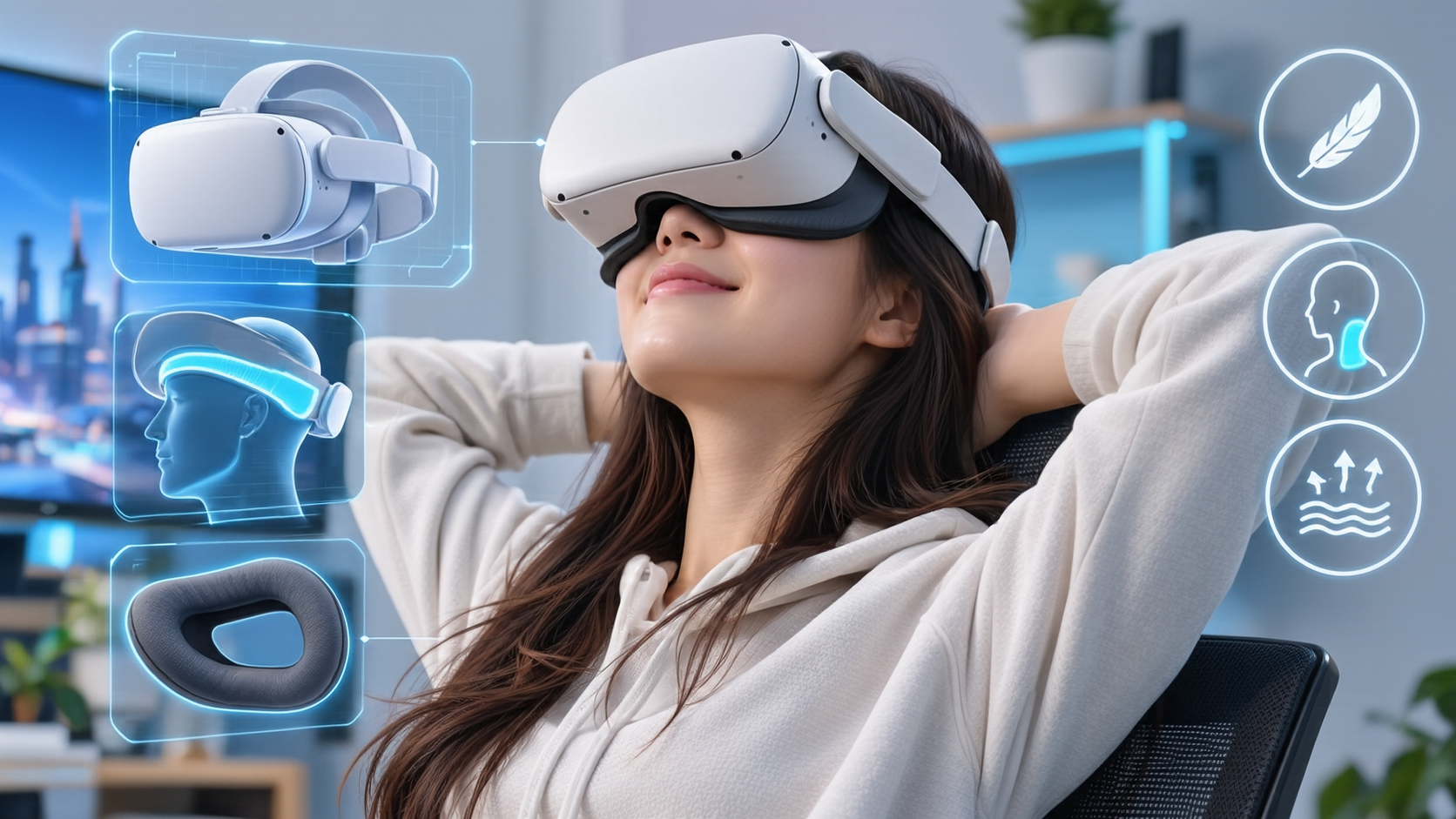
Virtual Reality Headset Ergonomics is a crucial aspect of creating immersive and comfortable experiences for users. As virtual reality technology continues to evolve, the importance of ergonomic design becomes increasingly vital. Proper ergonomics not only enhances user experience but also plays a significant role in the overall acceptance and success of VR headsets in the market.
This discussion dives into the essential features that contribute to a headset’s ergonomic design, illustrating how aspects like weight distribution, adjustable components, and the materials used can significantly improve comfort and usability. We’ll also explore common ergonomic issues users face and how feedback can drive the evolution of headset design.
The significance of ergonomic design in virtual reality headsets
The importance of ergonomic design in virtual reality (VR) headsets cannot be overstated. As VR technology continues to evolve, the focus on user experience takes center stage. Ergonomic considerations ensure that headsets are not only functional but also comfortable for prolonged use. This is crucial for creating immersive experiences without the detriments of physical discomfort or fatigue.
Proper ergonomic design addresses various aspects such as weight distribution, padding, and adjustability of the headset. These factors significantly enhance user experience, making it more enjoyable and less taxing on the body. For instance, a well-designed headset minimizes pressure points and neck strain, which can lead to users feeling fatigued or uncomfortable after only a short period of use. By ensuring that headsets fit well and distribute weight evenly, users are able to enjoy longer sessions without the discomfort that might lead them to abandon the experience.
Impact on user acceptance and market success
The relationship between ergonomic design and user acceptance is pivotal in the competitive landscape of VR headsets. A headset that prioritizes comfort and usability tends to receive better reviews and recommendations, which in turn drives market success. As the VR market expands, consumers become more discerning, often sharing their experiences online. An uncomfortable headset can quickly lead to negative feedback, impacting sales and brand reputation.
Notably, several successful VR headsets have incorporated ergonomic principles into their designs, setting benchmarks in the industry. For example, the Oculus Quest series has received praise for its lightweight design and comfortable fit, which has encouraged longer usage and higher user satisfaction. Such positive feedback is critical as it fosters a loyal customer base that is likely to invest in future products from the same brand.
Ergonomics also plays a role in accessibility, broadening the potential user base. By designing headsets that accommodate various head shapes and sizes, manufacturers can appeal to a more diverse audience. This inclusivity not only enhances user experience but also promotes greater acceptance of VR technology in different sectors, such as education, gaming, and professional training.
In conclusion, the significance of ergonomic design in virtual reality headsets extends beyond mere comfort; it directly influences user experience, acceptance, and overall market success. Brands that prioritize this aspect are more likely to thrive in an ever-competitive marketplace, ensuring that users can fully immerse themselves in virtual environments without physical limitations.
Key ergonomic features to look for in virtual reality headsets
When selecting a virtual reality headset, comfort and usability are paramount. The right ergonomic features can significantly enhance the user experience, making long sessions in virtual environments more enjoyable. In this discussion, we will explore essential ergonomic characteristics that improve comfort, usability, and overall satisfaction for VR users.
One of the primary considerations in headset design is weight distribution. A well-balanced headset minimizes strain on the neck and face, allowing users to immerse themselves in virtual experiences without discomfort. A headset that feels top-heavy or front-heavy can lead to fatigue, reducing the amount of time a user can wear it comfortably. Look for headsets that distribute their weight evenly across the forehead and temples, which can help users maintain a natural posture while wearing the device.
Padding materials also play a crucial role in enhancing comfort. High-quality foam or memory foam padding can provide not only cushioning but also a snug fit that prevents light leakage, enhancing immersion. Materials that are breathable and moisture-wicking can further improve the experience, especially during extended use. For instance, some headsets feature removable and washable padding, ensuring hygiene while maintaining comfort.
Adjustable components are vital for achieving a personalized fit. Many headsets come with adjustable straps that can be tightened or loosened to accommodate various head sizes and shapes. Additionally, features such as IPD (interpupillary distance) adjustment allow users to customize the lens position to align with their eyes, reducing eye strain and enhancing clarity. This ensures a more comfortable viewing experience, contributing to longer engagement times in VR.
The integration of these ergonomic features directly impacts user satisfaction. A headset designed with comfort in mind can lead to prolonged sessions without fatigue or discomfort, which is essential for applications ranging from gaming to training simulations. For example, in a study conducted by the Virtual Reality Developers Forum, participants using ergonomically optimized headsets reported higher satisfaction levels and longer usage times compared to those using less comfortable models.
In summary, when evaluating virtual reality headsets, focus on the significance of adjustable components, weight distribution, and padding materials. These ergonomic features enhance user comfort and usability, ultimately leading to a more enjoyable and immersive virtual reality experience.
Common ergonomic issues faced by virtual reality headset users
The rise of virtual reality (VR) has introduced exciting opportunities for immersive experiences, but it has also brought to light several ergonomic challenges that users frequently face. As users engage in extended sessions of VR gaming, training, or social interaction, the physical design of headsets plays a crucial role in user comfort and overall experience. Understanding these common ergonomic issues is essential for improving both user safety and enjoyment.
One of the primary ergonomic problems associated with VR headsets involves discomfort related to fit, weight distribution, and pressure points. When a headset does not fit properly, users may experience a range of symptoms that can negatively impact their VR experience. Poorly fitted headsets can cause excessive pressure on the forehead, temples, or the back of the head, leading to headaches, fatigue, and overall discomfort. Weight is another factor; heavier headsets can lead to neck strain after prolonged use, making it difficult for users to engage in extended VR sessions.
Symptoms related to poor fit, weight, and pressure points
The symptoms experienced by VR users can significantly affect their ability to enjoy and engage with VR content. Some of the common manifestations of poor ergonomics include:
- Headaches: Users often report headaches that arise after short periods of use, which can be attributed to improper fit and pressure points. A headset that is too tight or poorly aligned can increase tension around the head, leading to discomfort.
- Neck strain: Heavier headsets may cause neck fatigue, particularly if the weight is not evenly distributed. Users frequently mention feeling fatigued in their neck muscles after wearing a headset for even a limited duration.
- Facial discomfort: Pressure on the cheeks and forehead can cause soreness, especially when users wear headsets for extended periods. This discomfort can deter users from longer sessions, limiting their immersion.
- Eye strain: While primarily a visual issue, uncomfortable headsets can exacerbate eye strain. This strain can occur due to improper positioning of the lenses and a headset that does not allow proper distance from the eyes.
- Fatigue: General fatigue can result from the cumulative effects of headaches, neck pain, and facial discomfort, leading users to cut their VR sessions short.
User experiences vividly illustrate these ergonomic challenges. For instance, one user detailed their experience while using a popular VR headset for training simulations. They noted that after just 30 minutes, they began to feel a pulsating headache caused by the headset pressing too firmly against their temples. This discomfort forced them to take frequent breaks, ultimately reducing their effectiveness in training. Another user, who enjoyed VR gaming, reported that after an hour of gameplay, they felt significant strain in their neck, which made them reluctant to engage in longer gaming sessions. Such real-life accounts underscore the importance of addressing these ergonomic issues to enhance user experience and ensure that VR technology can be enjoyed in a safe and comfortable manner.
The role of user feedback in improving virtual reality headset ergonomics
User feedback plays a crucial role in enhancing the ergonomics of virtual reality (VR) headsets, ensuring that the design meets the needs and expectations of users. By integrating feedback mechanisms into the product design process, manufacturers can create headsets that not only deliver immersive experiences but also prioritize user comfort and usability. This approach fosters a continuous improvement cycle, allowing for iterative enhancements that result in better products.
User feedback mechanisms can be seamlessly integrated into product design processes through various strategies. One effective method is to utilize surveys and questionnaires post-testing, allowing users to share their experiences and pinpoint specific discomforts or usability issues. This feedback can be collected during beta testing phases, where the headset is used in real-world scenarios by a diverse group of individuals. Additionally, online forums and community discussions can serve as platforms for users to voice their opinions and suggest improvements. By analyzing this data, designers can identify patterns and make informed decisions on how to enhance ergonomic features.
User testing and iterative design importance
User testing is an essential component of the design process for VR headsets, enabling manufacturers to gather insights based on real-world experiences. The iterative design approach facilitates ongoing adjustments to ergonomic features, ultimately leading to a more refined and user-friendly product. This method emphasizes the value of trial and error, where feedback from initial designs informs subsequent iterations, honing in on what works best for users.
Key aspects of the user testing and iterative design process include:
-
Real-world insights: Testing in authentic settings allows users to provide feedback based on actual usage rather than theoretical scenarios.
-
Adjustments based on comfort: Iterative design enables manufacturers to modify the weight distribution, strap designs, and padding materials based on user comfort ratings.
-
Accessibility improvements: Insights from diverse user groups can lead to adaptations that cater to various head sizes and shapes, ensuring a wider audience can comfortably use the headset.
Examples of successful headset redesigns driven by user feedback are evident in the evolution of popular products. The Oculus Quest series, for instance, has seen multiple iterations that directly address user concerns about weight and comfort. Following initial feedback, the head strap design was revamped to distribute weight more evenly, reducing strain during extended use. Similarly, the Valve Index made significant improvements in the facial interface and padding, responding to user comments about comfort during long gaming sessions. These enhancements demonstrate the power of user feedback in shaping the future of VR headset ergonomics.
Comparative analysis of ergonomic designs across leading virtual reality headset brands
The world of virtual reality (VR) has evolved significantly, with various brands competing to deliver headsets that not only immerse users in stunning virtual environments but also ensure comfort during extended use. Ergonomics plays a crucial role in the user experience, influencing how long users can engage with VR content without discomfort. This analysis seeks to explore the ergonomic features of leading VR headset brands, highlighting their strengths and weaknesses to understand which brands prioritize user comfort.
Ergonomic Features Across Leading Brands
The following assessment provides a comparative analysis of the ergonomic designs implemented by major VR headset manufacturers, specifically focusing on the Oculus, HTC Vive, Sony PlayStation VR, and Valve Index headsets. Each brand has taken unique approaches to ergonomics, reflected in their design philosophies and user feedback.
- Oculus (Meta Quest series):
Oculus has made a name for itself by focusing on lightweight headsets that prioritize user comfort. The Meta Quest 2, for example, weighs approximately 503 grams, making it one of the lightest in the market. Its balanced design reduces neck strain during prolonged use. However, the default strap may not provide adequate support for all users, leading to some discomfort during extended sessions. - HTC Vive:
HTC’s Vive series, particularly the Vive Pro 2, is known for its adjustable head strap and excellent weight distribution. The Vive Pro 2 features a premium face cushion that enhances comfort and minimizes pressure points. This headset is heavier, weighing around 850 grams, which can be a downside for some users. The inclusion of a more substantial headset may lead to fatigue over time, especially for users with smaller frames. - Sony PlayStation VR:
Sony’s PlayStation VR has been designed with a unique halo-style strap that allows for a snug fit without excessive pressure on the face. Weighing in at approximately 610 grams, it effectively balances comfort and stability. However, users have reported that the headset can become uncomfortable after lengthy sessions due to heat build-up, as the padding is not as breathable as that of competitors. - Valve Index:
The Valve Index is celebrated for its modular design that allows users to customize fit and comfort through adjustable straps and different facial interfaces. While it weighs around 800 grams, it is often praised for its comfort due to the high-quality materials used and the excellent weight distribution. Nonetheless, its bulkiness can be a drawback for users looking for a more lightweight option.
The ergonomic strategies employed by these brands reflect their varying philosophies towards user comfort and usability. Oculus emphasizes lightweight design, while HTC focuses on premium materials and adjustability. Sony’s innovative strap design offers stability, albeit at the cost of breathability, and Valve’s customizability caters to a wide range of user preferences.
Overall, Oculus and Valve appear to prioritize user comfort more significantly, with Oculus leading in weight efficiency and Valve in customization. HTC and Sony provide high-level ergonomics but may require users to adapt to their heavier designs. This detailed comparison highlights the importance of understanding user needs in the ever-evolving landscape of virtual reality technology.
Future trends in virtual reality headset ergonomics
As the virtual reality (VR) industry continues to evolve, the focus on ergonomic design for VR headsets is becoming increasingly significant. Users are seeking devices that not only deliver immersive experiences but also prioritize comfort for prolonged use. Innovations in ergonomic design are emerging, driven by advancements in materials, technology, and customization options, all aimed at enhancing user comfort. This shift in focus is likely to shape the future landscape of VR headset ergonomics.
Advancements in materials and technology
Emerging trends indicate a move towards the use of lightweight, breathable materials that reduce fatigue during extended VR sessions. Manufacturers are now exploring advanced composites and flexible materials that can conform to various head shapes while ensuring durability. For instance, the integration of memory foam and gel padding is becoming standard practice, providing users with a plush feel that adapts to their unique contours.
Additionally, innovations in adjustable headbands and strap systems are gaining traction. These systems allow users to achieve a customized fit, ensuring that the weight distribution is optimized to prevent discomfort. Headsets with multiple adjustment points can significantly enhance comfort levels, as they cater to diverse head sizes and shapes.
Moreover, the development of smart technology, such as built-in sensors that monitor user posture, is becoming increasingly popular. These sensors can provide real-time feedback, alerting users when they are in a position that may lead to discomfort or strain. As VR becomes more integrated into everyday life, the demand for such technologies will likely rise, creating a new standard for ergonomic design.
Customization options for enhanced comfort
The trend towards personalization in VR headset design is becoming more pronounced. Future models are expected to offer a range of customization options that allow users to tailor their headsets for optimal comfort. For example, interchangeable face cushions and adjustable nose pads can accommodate various facial structures, enhancing the overall fit.
In addition to physical adjustments, software-based customization could play a vital role in ergonomic features. Headsets may soon come equipped with applications that let users track their comfort levels, suggest adjustments, and even offer wellness tips to promote healthy usage patterns. This proactive approach could redefine user experience, making it more intuitive and aligned with individual needs.
Future consumer expectations
Looking ahead, consumers will likely develop heightened expectations regarding ergonomics in VR headsets. As technology advances, users will seek headsets that seamlessly blend comfort with functionality. They will expect lightweight designs that do not compromise on performance and will demand longer battery life without added weight.
Additionally, consumers will likely prioritize devices that can accommodate long periods of use without causing strain. This means manufacturers must continually innovate to meet the growing demand for ergonomic solutions. Real-life examples are already emerging, as companies like Meta and HTC are leading the charge with user-friendly designs that emphasize comfort while providing cutting-edge virtual experiences.
Furthermore, as the VR market continues to expand into various sectors—such as gaming, education, and healthcare—user expectations will evolve to include not just comfort but also adaptability. The desire for headsets that can cater to different use cases and environments will drive future innovations, influencing how ergonomics are approached in the design process.
Customization and personalization of virtual reality headset fit
In the rapidly evolving world of virtual reality (VR), the importance of headset ergonomics cannot be overstated. A comfortable and well-fitted headset significantly enhances the user experience, enabling longer and more enjoyable sessions without discomfort. Adjustable sizing and personalized fit options are critical components of ergonomic design, allowing users to tailor their VR headsets to meet their unique physical requirements. This customization not only promotes comfort but also improves usability, as a properly fitted headset enhances immersion and reduces distractions caused by poor fit.
To achieve an optimal fit, users can explore various methods that allow for personalization of their VR headsets. Many modern headsets come equipped with adjustable features that cater to different head sizes and shapes. These features often include customizable straps, interchangeable padding, and modular components that enable users to modify the headset’s structure. For instance, adjustable straps can be lengthened or shortened to fit securely around the user’s head, preventing slippage during active use. Additionally, many manufacturers offer different sizes of facial interfaces, allowing users to select padding that conforms to their facial contours for a more comfortable experience.
Technological advancements facilitating customization
The landscape of VR headset customization has been revolutionized by several technological advancements aimed at enhancing user comfort and fit. The integration of 3D scanning technology, for example, has made it possible for users to create a digital model of their head and face. This model can be used to produce custom-fitted headsets and accessories, ensuring a snug and personalized fit.
Furthermore, some companies have adopted modular designs that allow users to swap out components easily. A prime example of this is the Valve Index headset, which features adjustable eye relief and customizable padding, allowing users to tailor the headset to their specific needs. Another noteworthy advancement is the use of memory foam in padding materials, which offers a personalized feel as the foam conforms to the user’s face over time.
To illustrate the impact of these advancements, consider the Oculus Quest 2, which includes adjustable straps and multiple facial interface options that cater to a variety of users. Companies are increasingly recognizing that the market demands headsets that accommodate a wide range of head shapes and sizes, leading to innovative designs that provide both comfort and functionality.
The ability to customize and personalize VR headsets not only enhances user satisfaction but also promotes longer usage sessions, which is essential for both recreational and professional applications in the VR space. With ongoing advancements in technology, the future of headset ergonomics looks promising, ensuring that every user can enjoy a tailored virtual reality experience.
The impact of weight distribution on virtual reality headset ergonomics
Weight distribution plays a crucial role in the overall ergonomics of virtual reality (VR) headsets. A well-designed headset should not only fit snugly but also distribute its weight evenly across the user’s head to enhance comfort and prevent strain. When the weight distribution is off balance, users may experience discomfort, leading to fatigue and neck strain, which can ultimately detract from the immersive experience that VR aims to provide.
In examining how weight distribution impacts user comfort, it’s essential to consider the physics of headset design. A headset that is too front-heavy can cause the user to tilt their head backward to compensate, leading to increased strain on the neck. Conversely, a rear-heavy design can push the headset forward, creating discomfort on the forehead and cheeks. According to ergonomic studies, maintaining a center of gravity close to the user’s head can significantly minimize these issues.
Best practices for achieving optimal weight distribution in headset design
Designers can implement several best practices to achieve optimal weight distribution in VR headsets. These practices focus on ensuring that the headset provides a secure, comfortable, and immersive experience while reducing the risk of strain and discomfort over prolonged use.
- Balanced Design: Distributing components such as batteries and lenses evenly throughout the headset can help achieve a harmonious weight balance.
- Adjustable Straps: Incorporating adjustable straps that allow users to customize the fit can help alleviate pressure points and enhance comfort.
- Lightweight Materials: Using lightweight materials for headset construction can significantly reduce overall weight, thereby enhancing comfort without compromising durability.
- Foam Padding: Adding high-density foam padding can help distribute pressure evenly across the forehead and cheeks, which can mitigate discomfort during extended use.
- Testing with Diverse User Groups: Conducting user testing with individuals of varying head sizes and shapes can provide valuable insights into optimal design adjustments for weight distribution.
User feedback illustrates the importance of weight distribution in VR headsets. For instance, a user of the Oculus Quest 2 expressed,
“The headset feels light and well-balanced. I can wear it for hours without feeling strain on my neck, which is a game-changer for long sessions.”
In contrast, another user of a heavier headset noted,
“I loved the visuals, but after 30 minutes, the front weight was unbearable, and I had to take breaks.”
These testimonials highlight that effective weight distribution not only enhances comfort but can also significantly impact the overall user experience in virtual reality environments.
Conclusive Thoughts
In conclusion, understanding Virtual Reality Headset Ergonomics allows manufacturers to create products that prioritize user comfort, ultimately resulting in longer usage times and greater satisfaction. As we look to the future, emerging trends in ergonomic design will continue to shape how users interact with VR, making it more accessible and enjoyable than ever before. The balance between innovative technology and user comfort will define the next generation of virtual reality headsets.
Quick FAQs
What are the benefits of an ergonomic VR headset?
An ergonomic VR headset enhances comfort, reduces fatigue, and allows for longer usage without discomfort.
How can I find the right fit for my VR headset?
Look for headsets with adjustable straps, customizable padding, and options for different sizes to ensure a snug fit.
Are there specific materials that improve headset ergonomics?
Yes, lightweight materials and breathable padding can significantly improve comfort and reduce pressure points on the head.
How does weight distribution affect VR experience?
Good weight distribution minimizes neck strain and discomfort, allowing users to enjoy VR for extended periods without fatigue.
Can user feedback really influence headset design?
Absolutely! User feedback is critical in identifying ergonomic issues and guiding improvements in headset design.