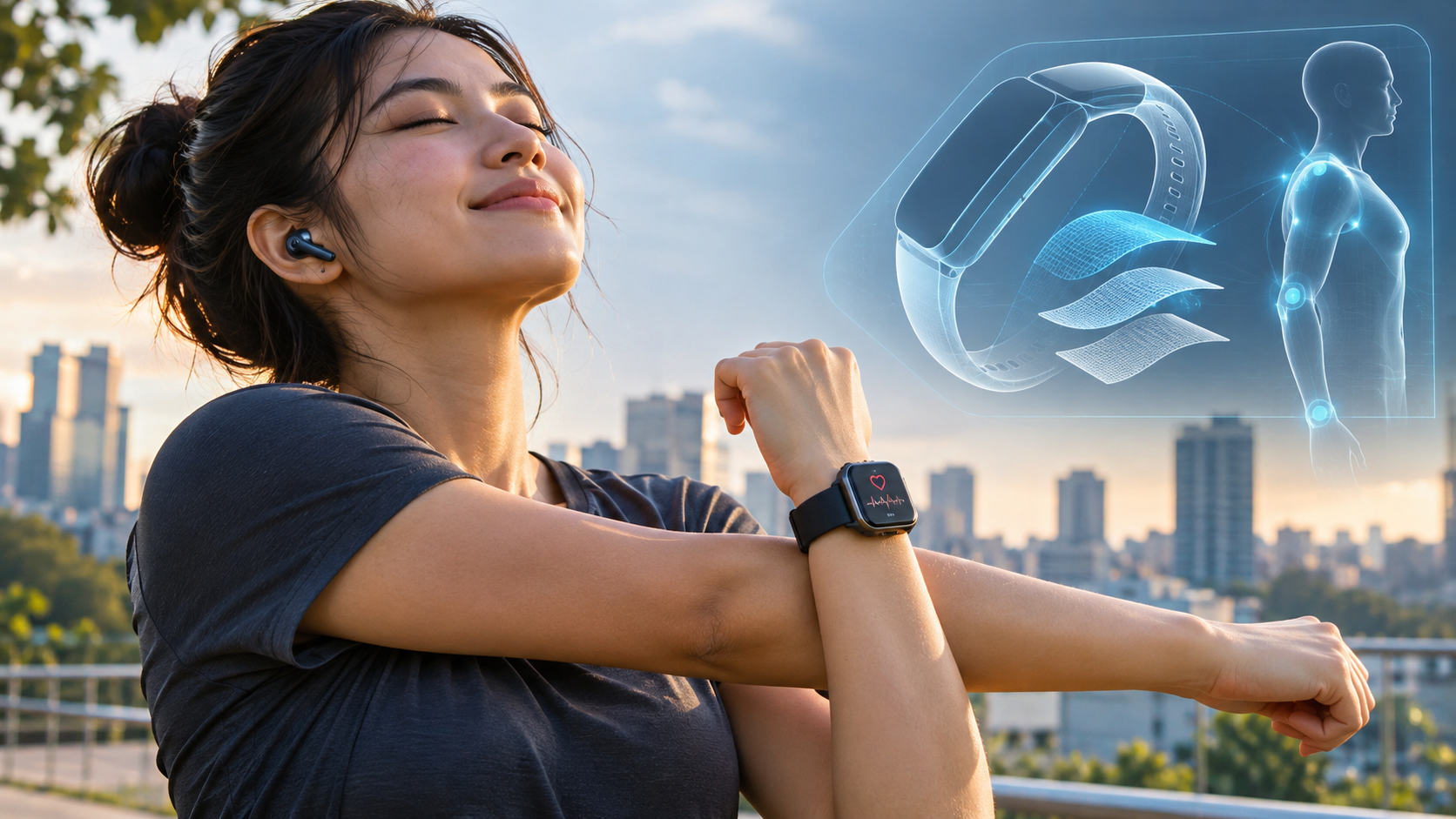
Wearable Device Ergonomics is a crucial aspect of modern technology that directly influences how we interact with our devices. As wearables become more integrated into daily life, understanding their ergonomic design becomes essential for improving user experience. Ergonomics not only enhances comfort but also promotes better health outcomes, making it vital for manufacturers to prioritize these principles in their designs.
By examining the intersection of user experience and health benefits, we can see how thoughtful ergonomic design can lead to devices that not only fit well but also support the user’s well-being. Identifying key ergonomic principles can guide creators in crafting wearables that cater to diverse needs and preferences.
Understanding the Importance of Ergonomics in Wearable Devices
The integration of wearable technology into daily life has brought about a significant shift in how we interact with devices. However, this evolution must be matched by a commitment to ergonomic design to enhance user experience and ensure comfort. Ergonomics in wearable devices plays a crucial role in promoting usability, which ultimately affects user satisfaction and health.
Ergonomics directly impacts user experience in wearable technology by influencing how comfortable and user-friendly a device is during extended use. Wearable devices, such as smartwatches, fitness trackers, and health monitors, are designed to be worn for long periods. If these devices are poorly designed, they can lead to discomfort or even pain, negatively affecting user interaction. An ergonomic approach ensures that the device contours to the body, allowing for natural movement and minimizing strain. For instance, a smartwatch designed with an adjustable strap and a lightweight body will feel less intrusive and more integrated into the user’s daily activities. This not only improves the overall user experience but also encourages consistent use, which is vital for the efficacy of health and fitness tracking features.
Health Benefits of Ergonomic Design in Wearables
The health benefits associated with ergonomic design in wearable devices are substantial. By prioritizing user comfort and reducing physical strain, ergonomic wearables can help mitigate the risk of musculoskeletal disorders, which are prevalent with prolonged use of poorly designed devices. Here are some key health benefits:
- Reduced Discomfort: Ergonomic wearables minimize pressure on sensitive areas, reducing the likelihood of skin irritation or discomfort that can occur with poorly fitting devices.
- Improved Posture: Devices designed with ergonomic principles encourage users to maintain a healthier posture, especially in wearable technologies that involve interaction with smartphones or tablets.
- Enhanced Well-being: An ergonomic design fosters a positive user experience, leading to increased engagement with health monitoring features, which can improve overall health management and awareness.
- Lower Injury Risk: By minimizing awkward angles and excessive strain, ergonomic designs decrease the risk of repetitive strain injuries associated with extended use of wearable technology.
Key principles of ergonomic design should be applied to wearable devices to ensure they meet user needs effectively. These principles include:
- User-Centered Design: Involving users in the design process to gather insights about their needs, preferences, and pain points.
- Comfort and Fit: Designing devices that conform to the natural shape of the body, allowing for adjustability to accommodate different users.
- Weight Distribution: Ensuring that the device’s weight is evenly distributed to reduce stress on any one part of the body.
- Accessibility: Making sure that features and controls are easily accessible, especially for users with different levels of dexterity.
By adhering to these ergonomic principles, developers can create wearable devices that not only enhance functionality but also prioritize the health and comfort of users, leading to a more enjoyable and sustainable interaction with technology.
Analyzing Common Ergonomic Issues in Wearable Devices
Wearable devices have surged in popularity, offering users a range of functionalities from fitness tracking to notifications. However, alongside their convenience, many users encounter discomfort and even health concerns due to poor ergonomic design. Understanding these common issues is crucial for both manufacturers and users aiming for a more comfortable experience.
Users of wearable devices often report discomfort in various forms, stemming largely from design flaws that overlook ergonomic principles. Common complaints include skin irritations, wrist pain, and discomfort from prolonged use. For example, fitness trackers that are too tight can lead to restricted circulation, while smartwatches with bulky designs may cause chafing or pressure points on the wrist. These discomforts can escalate to more serious health outcomes if not addressed, such as repetitive strain injuries or chronic pain syndromes.
Specific Ergonomic Issues by Device Type
Different types of wearable devices present unique ergonomic challenges. Understanding these specific issues can help users make informed decisions and manufacturers to improve their designs. Below is a categorized list of ergonomic issues linked to specific device types.
- Smartwatches:
- Weight and bulkiness can lead to wrist fatigue after extended use.
- Buttons and crowns that are poorly positioned may cause hand strain.
- Excessive vibration alerts can lead to sensory overload and discomfort.
- Fitness Trackers:
- Inadequate strap adjustability can create pressure points on the wrist.
- Small display screens can cause users to lean forward, straining the neck.
- Materials that irritate the skin can lead to rashes or allergic reactions.
- Smart Glasses:
- Weight distribution issues can lead to headaches from prolonged wear.
- Adjustability may be limited, causing discomfort around the nose and ears.
- Increased screen time can lead to eye strain and fatigue.
- Wearable Health Monitors:
- Uncomfortable straps may lead to skin irritation or abrasions.
- Poorly designed interfaces can cause users to adopt awkward hand positions.
- Continuous wear may create dependency and lead to anxiety over health metrics.
Understanding the ergonomic challenges presented by different wearable devices is essential for enhancing user comfort and health outcomes. By addressing these issues through thoughtful design improvements, manufacturers can significantly enhance user experience and mitigate potential health risks.
The Role of User Feedback in Designing Ergonomic Wearables
User feedback is paramount in the design of ergonomic wearables, as it directly informs improvements and user satisfaction. Understanding user experiences and preferences allows designers to create more functional, comfortable, and intuitive devices. When designers prioritize feedback, they not only enhance usability but also foster a sense of ownership among users, ultimately leading to higher adoption rates.
User feedback can significantly influence ergonomic design choices by highlighting areas that require improvement or features that users find beneficial. Designers can gather insights into how users interact with the devices, any discomfort experienced during use, and suggestions for additional features. This information shapes critical design aspects, such as fit, weight distribution, and interface design, ensuring that the final product meets the actual needs of users rather than assumptions made during initial development phases.
Methods for Gathering User Feedback
Gathering effective user feedback during the design process involves a combination of qualitative and quantitative methods. Each method provides unique insights that contribute to a comprehensive understanding of user needs.
- Surveys: Administering targeted surveys can provide quantitative data on user satisfaction, preferences, and pain points. Well-crafted surveys can reach a broad audience and reveal trends across user demographics.
- User Interviews: Conducting in-depth interviews allows designers to explore user experiences and motivations deeply. This qualitative feedback is invaluable for understanding nuanced user needs and expectations.
- Focus Groups: Bringing together a group of users to discuss their experiences with wearable devices can generate rich discussions and insights. Focus groups encourage interaction and may uncover issues that individual interviews might miss.
- Usability Testing: Observing users as they interact with prototypes provides direct feedback on ergonomic design elements. This method allows designers to see firsthand how users engage with the device and identify areas for improvement.
- Online Platforms: Utilizing forums, social media, and product review sites can help gather spontaneous user feedback. Monitoring these platforms allows designers to stay informed about user experiences and concerns post-launch.
The following table summarizes various types of feedback and their potential impact on device design:
| Type of Feedback | Potential Impact on Device Design |
|---|---|
| Comfort Feedback | Informs adjustments to shape, material, and weight distribution to enhance user comfort during prolonged use. |
| Usability Feedback | Guides improvements in interface design and navigation, making the device more intuitive for users. |
| Feature Requests | Identifies additional functionalities that users desire, leading to more comprehensive and competitive products. |
| Aesthetic Preferences | Influences design choices regarding color, texture, and overall style to align with user tastes. |
| Performance Issues | Highlights flaws or limitations in device functionality, prompting necessary technical revisions. |
Innovations in Ergonomic Design for Next-Generation Wearables
The future of wearable devices is swiftly evolving, with a significant focus on ergonomic design that enhances both user comfort and functionality. As technology advances, brands are embracing innovative approaches that not only improve the usability of wearables but also ensure that they can be worn for extended periods without causing discomfort. This shift towards ergonomic design is crucial in making wearables more appealing to a broader audience, thereby increasing their adoption rates.
Recent trends in ergonomic design for wearable devices emphasize user-centric approaches that prioritize comfort, adjustability, and seamless integration into daily life. One of the most notable advancements is the use of adaptive materials that conform to the body’s shape. This includes the integration of soft-touch materials and flexible designs that reduce pressure points. Furthermore, manufacturers are increasingly employing 3D printing technologies to create customized wearables that fit individual anatomical profiles, thereby enhancing the overall user experience.
Technological Advancements Enhancing Ergonomic Features
Several technological advancements are paving the way for better ergonomic features in wearable devices. These enhancements not only improve comfort but also boost functionality and performance. Key innovations include:
– Biometric Sensors: Modern wearables often incorporate advanced biometric sensors that monitor users’ physiological parameters while minimizing bulk and awkwardness. These sensors are designed to fit snugly against the skin, ensuring accurate readings without compromising comfort.
– Lightweight Materials: The use of materials like carbon fiber and advanced polymers significantly reduces the weight of wearables. Lighter devices are easier to wear for longer periods, which is particularly important for fitness and health monitoring applications.
– Modular Designs: Brands are exploring modular designs that allow users to customize their devices based on personal preference and usage scenarios. This adaptability means users can select components that best suit their ergonomic needs, making wearables more versatile and user-friendly.
– Smart Adjustments: Some next-generation wearables now feature smart adjustment mechanisms that adapt to the user’s movements. For instance, smart bands can tighten or loosen based on activity levels, providing a more secure fit without manual readjustments.
Prominent brands are stepping up in the realm of ergonomic design, setting benchmarks for others to follow. Companies like Apple have integrated a host of ergonomic features into their Apple Watch series, including customizable bands and a lightweight design that enhances comfort. Fitbit, known for its fitness trackers, has also prioritized ergonomics by developing flexible straps and lightweight materials, allowing users to wear their devices during intense workouts or throughout the day without discomfort. These examples illustrate the growing commitment of brands to create wearables that not only serve functional purposes but do so with user comfort at the forefront.
The Future of Wearable Device Ergonomics in Health and Fitness
As the demand for wearable technology continues to grow, the focus on ergonomics within these devices becomes increasingly vital. Ergonomics in wearable devices, especially those designed for health and fitness, significantly impacts user interaction, comfort, and ultimately, the accuracy of health tracking metrics. This connection between design, comfort, and usability has direct implications for the effectiveness of these devices, as well as for user engagement and adherence to fitness regimens.
Advancements in ergonomic design can transform how accurately wearable devices track health metrics. For instance, a fitness tracker that fits snugly on the wrist without causing discomfort will likely yield more precise heart rate readings compared to one that slips or rubs against the skin. This is crucial because even slight movements can interfere with sensor readings, leading to inaccurate data. Ergonomics also plays a role in battery life and usability; well-designed devices are not only comfortable to wear but also allow for prolonged use without fatigue. The integration of soft materials, adjustable fittings, and lightweight designs can enhance user experience, encouraging regular usage, which is vital for maintaining accurate tracking over time.
Comparison of Ergonomics in Fitness Wearables and Medical Wearables
The importance of ergonomics varies between fitness wearables and medical wearables. Fitness wearables, such as smartwatches and fitness trackers, prioritize user engagement and motivation. They are typically designed for everyday use, combining style and functionality. Therefore, comfort and aesthetics play a significant role in their design to ensure users are encouraged to wear them consistently. Ergonomics in this context directly affects the user’s willingness to engage with the device, which in turn influences health outcomes through regular activity tracking.
Conversely, medical wearables focus heavily on accuracy and reliability, as they often monitor critical health metrics for chronic conditions. These devices must balance comfort with the necessity of precise measurements, often resulting in more utilitarian designs. The priority here is to ensure that users can wear them for extended periods without discomfort while still guaranteeing accurate data collection. This difference highlights how ergonomic considerations must be tailored based on the intended use of the device.
To illustrate the importance of ergonomics, the following points Artikel how future developments can prioritize user comfort and usability:
- Adaptive Designs: Wearable technology should focus on adaptive designs that conform to individual body types, ensuring a secure fit without discomfort. This can include customizable straps or modular components that adjust based on user preferences.
- Material Innovations: Advances in material science can lead to the development of lighter, breathable fabrics that reduce skin irritation and heat buildup, thus enhancing overall user comfort during exercise or extended wear.
- Intuitive Interfaces: Future wearables should feature intuitive user interfaces that allow for easy navigation and data access, minimizing the need for extensive user manuals and reducing time spent interacting with the device.
- Feedback Mechanisms: Integration of haptic feedback or visual indicators can enhance user engagement, providing instant notifications and encouraging users to take action based on real-time data.
- User Testing: Incorporating iterative user testing into the design process ensures that devices meet the real-world needs of diverse populations, making ergonomic adjustments based on user feedback.
By emphasizing these aspects, future wearables can successfully balance the demands of ergonomics with the need for accurate health tracking, paving the way for devices that are not only functional but also seamlessly integrate into daily life.
Best Practices for Consumers When Choosing Ergonomic Wearables
Choosing ergonomic wearables is a critical decision for anyone looking to enhance comfort and functionality in their daily activities. As technology continues to evolve, selecting the right device involves understanding how it fits your lifestyle while also prioritizing your health and well-being. This guide Artikels some key criteria to help consumers navigate their options when shopping for ergonomic wearables.
When considering ergonomic wearables, there are several important criteria to evaluate. Comfort should be at the forefront of your decision-making process. A device that is too tight or cumbersome can lead to discomfort, which in turn can negate the benefits of the technology. It is also essential to consider the material and design of the wearable. High-quality materials that are breathable, lightweight, and durable will contribute to a more pleasant experience.
Criteria for Evaluating Ergonomics
Among the factors to consider, here are some specific features that indicate good ergonomic design in wearables:
– Adjustability: Look for wearables that offer adjustable straps or fitting options to accommodate different body types.
– Lightweight Design: A lightweight wearable helps prevent fatigue during extended use.
– Breathable Materials: Fabrics that allow for airflow can reduce sweating and skin irritation.
– Intuitive Interface: Devices with an easy-to-navigate interface minimize the cognitive load and enhance usability.
– Customizable Settings: Ergonomic wearables that enable users to customize settings according to their preferences ensure a more personalized fit.
– Impact Resistance: Devices that are built to withstand accidental drops or impacts can enhance longevity and reliability.
– Battery Life: A long battery life means less frequent charging, which is a convenience feature often overlooked.
– User Reviews: Positive feedback from other users can provide insights into long-term comfort and effectiveness.
Testing the ergonomics of a wearable before purchase is crucial. Whenever possible, visit a store to physically try on the device. Pay attention to how it feels during movement and if it stays securely in place. If in-store testing isn’t available, look for return policies that allow you to test the wearable at home for a period. Customer reviews can also be invaluable in providing insights on how the wearable performs in real-life situations and any potential discomfort issues.
Consider these criteria as essential checkpoints when choosing your next ergonomic wearable. Investing time in this selection process will yield benefits in comfort and usability that can significantly enhance your overall experience.
Case Studies of Successful Ergonomic Wearable Devices
In recent years, the importance of ergonomics in wearable technology has gained significant traction. This is due to the increasing reliance on devices that not only enhance user experience but also promote health and well-being. By focusing on ergonomics, designers can create products that minimize discomfort and maximize usability, leading to overall user satisfaction. The following case studies showcase two successful ergonomic wearable devices that have set benchmarks in design and functionality.
Case Study: Fitbit Charge 4
The Fitbit Charge 4 exemplifies how thoughtful ergonomic design can lead to a highly rated wearable device. One of the standout features of this fitness tracker is its adjustable wristband, which is designed to fit a wide variety of wrist sizes comfortably. The band material is lightweight, ensuring that users can wear it for extended periods without irritation. Additionally, the device’s interface is user-friendly with a touchscreen that is easy to navigate, allowing users to access workout stats, heart rate monitoring, and notifications quickly.
Design strategies that contributed to the success of the Fitbit Charge 4 include:
- Adaptive Band Design: The flexible wristband contours to the wrist, reducing pressure points and enhancing comfort during both physical activities and day-to-day wear.
- Streamlined Interface: The touchscreen display is simple and intuitive, minimizing the need for excessive button pressing or navigation, which can lead to user frustration.
- Durable Materials: The materials used are sweat-resistant and durable, making the device suitable for various environments, from the gym to everyday life.
Case Study: Apple Watch Series 6
The Apple Watch Series 6 also stands out due to its ergonomic considerations. This smartwatch incorporates a sleeker design with rounded edges, providing a comfortable fit for users with various wrist shapes. Its Always-On Retina display allows users to quickly check the time and notifications without needing to raise the wrist, which can be particularly beneficial during active moments. The device also includes a feature that allows for easy adjustments to the strap, further enhancing user comfort.
Key design strategies that led to the Apple Watch Series 6’s ergonomic success are:
- Customizable Fit: The Apple Watch offers various band options and sizes, ensuring that users can find a fit that suits their personal style and comfort preferences.
- Intuitive Controls: The combination of touch and voice controls allows for quick access to features while minimizing the need for cumbersome gestures.
- Lightweight Materials: The watch is constructed with lightweight aluminum or stainless steel, which helps prevent fatigue during prolonged use.
| Device | Ergonomic Features | User Satisfaction Rating (out of 10) |
|---|---|---|
| Fitbit Charge 4 | Adjustable band, lightweight design, user-friendly interface | 8.5 |
| Apple Watch Series 6 | Customizable fit, intuitive controls, lightweight materials | 9.0 |
Concluding Remarks
In conclusion, the evolution of Wearable Device Ergonomics is shaping the future of technology by prioritizing user comfort and health. As we look ahead, it is clear that advancements in ergonomic design will play a significant role in enhancing the functionality and appeal of wearable devices. The ongoing dialogue between users and designers will be essential in paving the way for innovative solutions that meet the demands of today’s tech-savvy consumers.
Question Bank
What is the main benefit of ergonomic design in wearables?
The main benefit is increased comfort, which can lead to better user satisfaction and reduced risk of injury.
How can I test the ergonomics of a wearable device before buying?
Try the device on for a short period, check for adjustability, and ensure it feels comfortable during movement.
Are there specific features that indicate a well-designed ergonomic wearable?
Look for adjustable straps, lightweight materials, breathable designs, and user-friendly interfaces.
Do all wearables prioritize ergonomics equally?
No, some devices prioritize style or functionality over ergonomics, leading to potential discomfort for users.
How does user feedback impact wearable ergonomics?
User feedback is essential for identifying discomfort and improving design in future iterations of wearable devices.