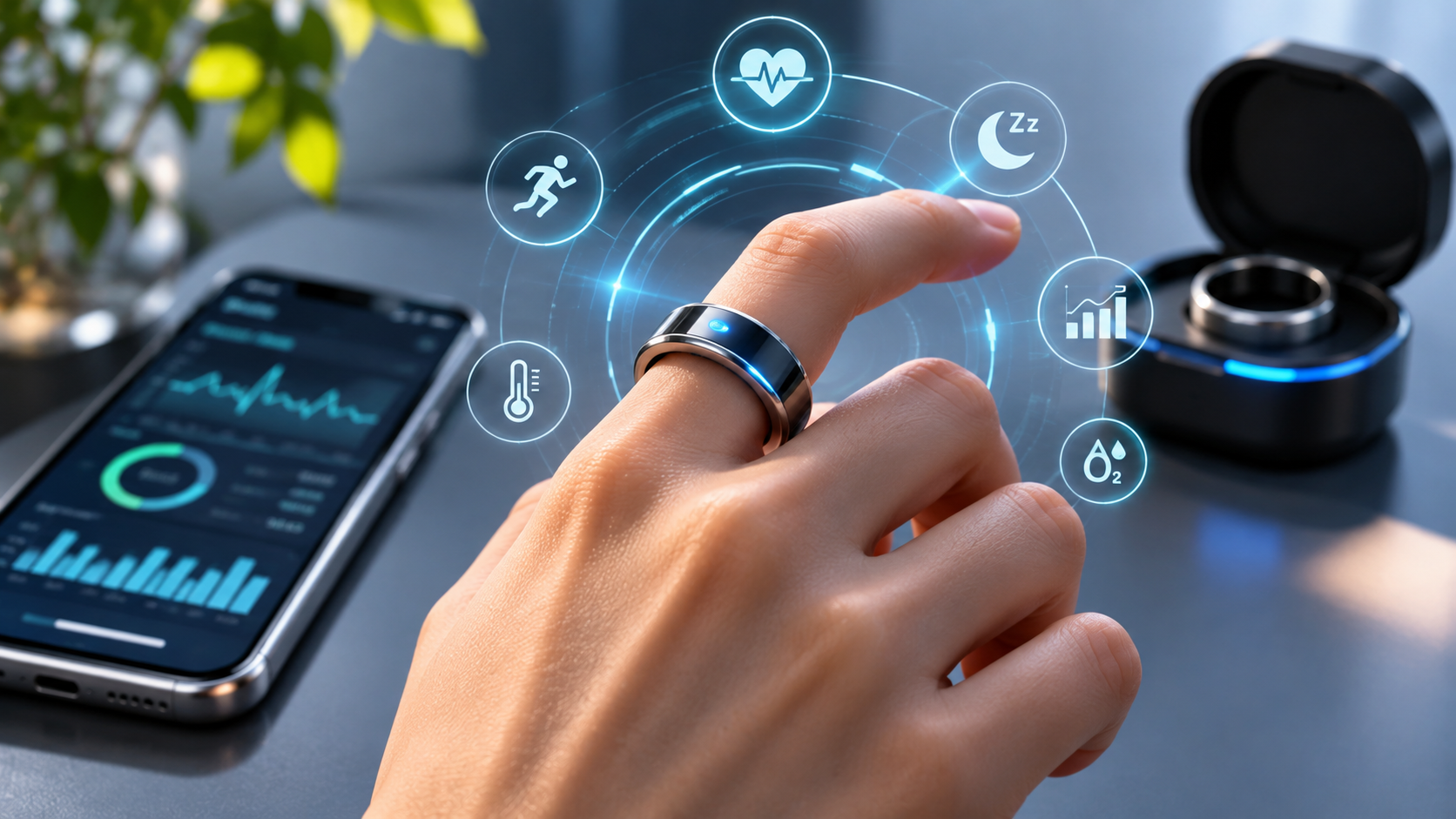
Smart Ring Sensor Technology has emerged as a groundbreaking advancement in the realm of wearable devices, capturing the attention of tech enthusiasts and health-conscious consumers alike. These sleek, discreet gadgets not only enhance personal style but also integrate cutting-edge technology to monitor health metrics and improve daily life. With the growing demand for convenient and multifunctional wearables, smart rings are positioning themselves as essential tools for both fitness tracking and personal security.
As we delve deeper into the evolution and features of smart ring sensors, it becomes evident that their development has been shaped by both technological innovation and changing consumer preferences. From their inception to the sophisticated models available today, smart rings have continually adapted to meet the needs of users looking for effective ways to manage their health and lifestyle.
The Evolution of Smart Ring Sensor Technology
The journey of smart ring sensor technology is a testament to human ingenuity and the relentless pursuit of convenience and connectivity. From simple accessories to sophisticated health monitoring devices, smart rings have undergone significant transformations, shaped by advancements in technology and changing consumer preferences. This narrative explores the historical development of smart rings, highlighting pivotal milestones that have defined their evolution.
The emergence of smart wearable technology began in the early 2000s with devices like fitness trackers and smartwatches capturing consumer interest. However, the evolution of smart rings specifically took shape in the late 2010s when technological advancements allowed for more compact and efficient sensors suitable for wearables. This period marked a significant shift, as consumers began to seek more discreet and multifunctional devices that could seamlessly integrate into their lifestyles.
Three pivotal moments that shaped the advancement of smart ring technology include:
1. Miniaturization of Sensors: The development of miniaturized sensors has been a game-changer. Advancements in microelectronics allowed for the creation of tiny sensors that could monitor heart rate, activity levels, and even sleep patterns, paving the way for smart rings to offer a range of health metrics without compromising on size or wearability.
2. Connectivity Enhancements: The introduction of Bluetooth Low Energy (BLE) revolutionized how devices communicate. This technology enabled smart rings to connect effortlessly with smartphones, facilitating real-time data transfer and enhancing user experience. As smartphones became ubiquitous, the synergy between smart rings and mobile devices became essential, further driving consumer interest.
3. Rise of Health Consciousness: The increasing focus on personal health and fitness in recent years has significantly influenced consumer preferences. With more individuals prioritizing their well-being, the demand for easy-to-use health monitoring devices surged. Smart rings emerged as a compelling solution, offering continuous health tracking without the bulk of traditional wearables.
The transformation in consumer preferences has been striking, as users began to value functionality, style, and convenience. Traditionally, wearables were bulky and overt, but the demand for sleek, stylish designs has shaped the market. Consumers now desire devices that not only provide health insights but also complement their personal style. As a result, companies have innovated designs that merge aesthetics with advanced functionality, making smart rings an appealing option for a broader audience.
In summary, the evolution of smart ring sensor technology encapsulates a blend of technological innovations and shifting consumer demands, resulting in devices that are both practical and fashionable.
Core Functions and Features of Smart Ring Sensors
Smart ring sensors are rapidly emerging as a versatile solution for wearable technology. These compact devices boast a range of functionalities that cater to both health monitoring and lifestyle management. Unlike traditional wearables, smart rings offer unique advantages without compromising on style or comfort. They represent the next step in personal technology, blending form and function seamlessly.
The primary functionalities of smart ring sensors encompass a variety of health tracking and notification features. These rings typically include heart rate monitoring, sleep tracking, and activity logging. By utilizing advanced sensors, smart rings can provide real-time data on user health metrics, allowing for more informed decisions regarding fitness and wellness. Furthermore, many smart rings connect to smartphones to deliver notifications for calls, messages, and other alerts, ensuring users stay connected without needing to pull out their devices.
Distinct Features of Smart Rings
When comparing smart rings to traditional wearable devices like smartwatches or fitness bands, several key features set them apart. The following aspects highlight why smart rings are becoming increasingly popular:
- Size and Design: Smart rings are significantly smaller and more discreet than most other wearables. This compact design allows for continuous wear without feeling cumbersome.
- Battery Life: Many smart rings boast exceptional battery longevity, often lasting days or even weeks on a single charge, a stark contrast to the daily charging habits required by larger devices.
- Durability: Constructed from robust materials, smart rings are often water and dust resistant, making them suitable for various activities, including swimming and workouts.
- Health Metrics: Advanced smart rings can track metrics like blood oxygen levels and stress indicators, providing a more comprehensive health overview compared to basic fitness bands.
- Customization: Many models offer customizable designs and colors, allowing users to express personal style while enjoying the benefits of wearable technology.
Smart ring sensors also compare favorably with other health tracking devices on the market. Unlike fitness trackers that may focus on specific metrics, smart rings integrate multiple functionalities into one device. For instance, while a typical smartwatch may include fitness tracking, notifications, and applications, a smart ring consolidates many of these features in a more compact, stylish form.
In terms of usability, smart rings can be worn alongside other accessories without clashing, making them suitable for both casual and formal occasions. With innovations in technology, smart ring sensors are continually evolving, providing a more holistic approach to health monitoring, thus paving the way for future advancements in personal health technology.
The Technology Behind Smart Ring Sensors
Smart ring sensors represent a convergence of cutting-edge technologies designed for health monitoring, fitness tracking, and seamless interaction with various connected devices. These gadgets are compact yet powerful, housing sophisticated components that enable their multifaceted functionalities. The integration of sensors, batteries, and connectivity is pivotal for the overall performance and utility of smart rings, making them a notable innovation in wearable technology.
The core functionality of smart rings hinges on several key technological components. At the heart of these devices are the sensors, which can include accelerometers, gyroscopes, heart rate monitors, and even temperature sensors. These sensors collect data on a variety of metrics, such as physical activity, sleep patterns, and physiological responses. This data is crucial for both personal health insights and broader health applications. The accuracy and sensitivity of these sensors are paramount, as they directly impact the reliability of the collected data.
The battery life of smart rings is another vital aspect. Given their compact nature, manufacturers often employ lithium polymer or lithium-ion batteries, which provide a balance between size and capacity. Most smart rings are designed to last several days on a single charge, depending on the usage and features activated. The implementation of energy-efficient components and smart power management algorithms ensures that these devices maintain functionality without frequent recharging.
Integration of AI and IoT in Smart Rings
The integration of advanced technologies like Artificial Intelligence (AI) and the Internet of Things (IoT) significantly enhances the performance and user experience of smart rings. AI algorithms process the data collected by the sensors to provide actionable insights and personalized recommendations. For instance, AI can analyze sleep data to suggest optimal sleep patterns or assess activity levels to recommend tailored fitness goals. Machine learning models can also adapt to user habits, improving the accuracy of predictions and suggestions over time.
Moreover, the IoT connectivity allows smart rings to communicate with smartphones, cloud services, and other smart devices. This connectivity facilitates real-time data sharing and remote monitoring, creating an interconnected ecosystem where users can receive notifications, alerts, and updates seamlessly. Smart rings can also integrate with health monitoring systems and fitness apps, providing a holistic view of an individual’s health.
Overall, the combination of high-quality sensors, efficient battery technology, and smart connectivity powered by AI and IoT positions smart rings as a versatile tool for modern living, bridging the gap between technology and personal health management.
Applications of Smart Ring Sensors in Daily Life
Smart ring sensors are revolutionizing the way we interact with technology, seamlessly integrating into our daily lives. These compact devices serve various functions, from health monitoring to enhancing personal security, showcasing their versatility in everyday applications. Their unobtrusive design allows users to benefit from sophisticated technology without the bulk of traditional wearables, making them an appealing option for many.
One area where smart ring sensors are making significant strides is in health and fitness. Equipped with advanced sensors, these rings can track vital statistics such as heart rate, sleep patterns, and physical activity. For instance, athletes are increasingly adopting smart rings to monitor their performance metrics during training. The data collected can provide insights into recovery times, helping athletes optimize their workouts effectively. Additionally, the ability to monitor sleep quality assists users in making necessary lifestyle adjustments, ultimately promoting better health outcomes.
Healthcare Innovations
The healthcare industry is witnessing innovative applications of smart ring sensors that enhance patient monitoring and improve outcomes. These rings can be used to track chronic conditions by continuously monitoring parameters like blood oxygen levels and glucose levels. For example, individuals with diabetes can benefit from a smart ring that alerts them to changes in their glucose levels in real-time, allowing for immediate adjustments in their management plans.
Moreover, smart rings are being utilized in telemedicine. Patients can wear these rings to provide doctors with continuous health data during virtual consultations. This constant flow of information enables healthcare professionals to make more informed decisions, leading to better patient care. Furthermore, data privacy is a significant concern; many smart rings feature built-in encryption, ensuring that sensitive health data remains secure.
Personal Security Enhancements
Beyond health, smart ring sensors also play a pivotal role in enhancing personal security. These devices can serve as keyless entry systems for homes and cars. Users can unlock their doors or vehicles simply by wearing the ring, which communicates with the security system through Bluetooth technology. This convenience reduces the need to carry keys or cards, minimizing the risk of misplacing them.
In addition, smart rings can incorporate features like panic buttons or emergency alerts. In threatening situations, users can discreetly signal for help without drawing attention. The ring can send alerts to predetermined contacts or emergency services with just a simple gesture. This application empowers users, providing them with an added layer of safety.
Smart rings represent a convergence of technology and lifestyle, offering practical solutions that blend into daily routines without hindrance.
The versatility of smart ring sensors across health, fitness, and security illustrates their potential to redefine how we manage our well-being and safety in an increasingly digital world. As technology continues to evolve, these devices are bound to become integral to everyday life, enhancing convenience and peace of mind for users everywhere.
The Impact of Smart Ring Sensors on Health Monitoring
Smart ring sensors are increasingly recognized as a game changer in health monitoring systems. With their sleek design and advanced technology, these wearable devices are not just fashionable accessories but also powerful tools for tracking vital health metrics. They provide users with real-time data about their health, enabling informed decisions and promoting a proactive approach to wellness.
The significance of smart ring sensors lies in their ability to monitor various health parameters seamlessly. As individuals increasingly seek to take control of their health, smart rings offer an unobtrusive method to gather essential data. Users can track a range of metrics that are crucial for maintaining and improving health. The most common health metrics monitored by smart rings include heart rate, sleep patterns, activity levels, and stress indicators. These metrics provide insights that can lead to better personal health management.
Common Health Metrics Tracked by Smart Rings
Understanding the metrics that smart rings track can help users appreciate the full potential of this technology. Each metric offers valuable implications for health management:
- Heart Rate: Continuous heart rate monitoring allows users to observe their cardiovascular health, recognize irregularities, and engage in effective fitness planning.
- Sleep Quality: Sleep metrics provide insights into sleep patterns, duration, and disturbances, encouraging users to optimize their sleep hygiene for better overall health.
- Activity Levels: Activity tracking promotes physical movement by recording steps and exercise, motivating users to maintain an active lifestyle.
- Stress Levels: Monitoring stress through physiological signals can alert users to take necessary breaks or practice relaxation techniques, contributing to mental well-being.
The potential of smart ring technology extends beyond mere tracking; it has the capacity to revolutionize personal health management. By integrating data collected from smart rings with health apps, users can analyze trends over time, set personalized health goals, and receive tailored recommendations. Furthermore, this technology opens pathways for remote health monitoring by healthcare professionals, enabling early intervention in case of health concerns.
Smart rings also enhance community health awareness by allowing users to share their data with trusted circles or health practitioners, fostering a more collaborative approach to health management. With the ongoing advancements in sensor technology, including improved accuracy and battery life, the future of smart rings appears promising, paving the way for a healthier society.
Challenges and Limitations of Smart Ring Sensor Technology
Smart ring sensor technology is gaining traction for its ability to provide health and fitness tracking in a compact form. However, developers and manufacturers face significant challenges that hinder widespread adoption and effectiveness. These challenges range from technical limitations to user perception.
One of the primary challenges in smart ring technology is ensuring long battery life while maintaining performance. As smart rings are small and require miniaturized components, fitting a robust battery that can support extensive use without frequent recharging is difficult. Additionally, the accuracy of the data collected by these sensors often falls short compared to larger devices like smartwatches. This can be particularly problematic in health applications where precise readings are crucial for monitoring vital signs or fitness metrics.
Key Limitations of Smart Ring Sensors
Several limitations impact the functionality and acceptability of smart ring sensors in the consumer market. These include:
– Battery Life: The compact design limits battery capacity, often resulting in rings that require daily charging, which can deter users accustomed to longer-lasting devices.
– Data Accuracy: Many smart rings struggle to provide data that meets the accuracy and reliability levels of other wearables, such as smartwatches and fitness bands. In areas such as heart rate monitoring, inaccuracies can lead to consumer mistrust.
– User Adoption Rates: Despite their innovative features, many potential users remain skeptical of smart rings due to limited functionality compared to other devices, leading to slower adoption rates.
To address these challenges, manufacturers are exploring innovative solutions. For instance, using advanced battery technologies such as solid-state batteries could enhance longevity and safety. Additionally, integrating machine learning algorithms may improve data accuracy through better processing of sensor information. Furthermore, enhancing the user interface and app experience can increase user engagement and satisfaction, potentially driving adoption.
Innovation in battery technology and data processing is essential for the evolution of smart ring sensors.
Future Trends in Smart Ring Sensor Technology
The next decade is poised to witness remarkable advancements in smart ring sensor technology, which will elevate the functionality and acceptance of these innovative devices. As we move further into the digital age, the integration of smart rings into everyday life will become increasingly seamless, thanks to ongoing technological innovations and shifting consumer needs.
Anticipated breakthroughs in materials science, miniaturization of components, and enhanced sensor capabilities are likely to drive the evolution of smart rings. The incorporation of advanced biosensors will enable these devices to monitor a wider array of health metrics, including blood glucose levels and hydration status. Furthermore, the integration of artificial intelligence (AI) will facilitate real-time data analysis, allowing users to receive personalized health insights and recommendations. A study by Global Market Insights forecasts that the wearable technology market, which includes smart rings, could exceed $100 billion by 2026, underscoring the expected surge in adoption.
Impact of Technological Breakthroughs on Consumer Adoption
As technology progresses, the consumer adoption of smart ring sensors will likely be influenced by several key factors. The following elements are anticipated to play a significant role:
- Enhanced Functionality: With more sophisticated sensors, rings can perform multiple functions, such as health monitoring, payment solutions, and activity tracking, making them more appealing to users.
- Improved Battery Life: Advances in battery technology will lead to longer-lasting devices, alleviating concerns about frequent charging and increasing user convenience.
- Data Privacy and Security: As data security concerns grow, advancements in encryption technologies will ensure that user data remains protected, building consumer trust.
- Fashion and Customization: The future of smart rings will likely include customizable designs that allow users to express their style while enjoying the benefits of technology.
- Affordability: As production costs decrease due to advances in manufacturing, smart rings are expected to become more affordable, attracting a broader audience.
Changing user demands will also shape the future of smart ring sensors. Health-conscious consumers are increasingly looking for devices that provide comprehensive wellness solutions. As such, smart rings will need to evolve to include features that cater to mental health, such as stress monitoring and sleep quality assessment. Additionally, the rise of remote work and digital interaction has spurred interest in devices that facilitate communication and productivity. As these trends continue, manufacturers will need to innovate to create smart rings that integrate seamlessly with other smart devices, providing a cohesive user experience.
“The convergence of wearable technology and daily life will pave the way for smart rings to become essential tools for modern living.”
In summary, as the landscape of smart ring sensor technology evolves, the next decade is set to bring significant enhancements that will not only expand their functional capabilities but also align closely with consumer preferences and societal trends. This ongoing transformation will undoubtedly position smart rings as a valuable component of the digital lifestyle.
Ethical Considerations Surrounding Smart Ring Sensor Data
Smart ring sensors are innovative gadgets that promise to enhance user convenience and health monitoring. However, with the benefits come significant ethical concerns, particularly surrounding data privacy and security. As these devices collect sensitive personal data, users must grapple with the implications of this information being collected, stored, and potentially shared.
The ethical implications center primarily on how personal data is collected and used. Smart rings often gather data related to health metrics, location, and daily habits. This information can be incredibly valuable for improving health and lifestyle, yet it raises concerns about privacy. Users may be uneasy about the extent of data collection, especially if they perceive a lack of transparency from manufacturers and service providers.
Key Concerns of Personal Data Collection
Users have several concerns regarding the collection and usage of their personal data by smart ring sensors. Understanding these concerns is crucial for fostering trust and ensuring responsible use of technology. Some key concerns include:
- Data Ownership: Users often question who owns the data collected by their smart rings. Is it the user, the manufacturer, or the developers of the software that processes this data?
- Data Sharing: Concerns arise about how personal data may be shared with third parties, including advertisers and insurance companies. Users want clarity on whether their health data can influence health insurance premiums.
- Security Risks: The potential for data breaches poses a significant threat. If sensitive health information is compromised, it could lead to identity theft or misuse of personal data.
- Lack of Transparency: Users often feel that there is insufficient transparency regarding how their data is used. Without clear privacy policies, users may be left in the dark about the risks involved.
Enhancing user awareness and data protection is pivotal in addressing these concerns. Manufacturers and developers can implement various measures to safeguard personal data. Regularly updated privacy policies, user-friendly consent forms, and robust encryption methods can help protect user data. Furthermore, educational initiatives aimed at informing users about the importance of data privacy, as well as best practices for securing their information, can empower them to make informed decisions about their smart ring usage.
By prioritizing ethical considerations and fostering a culture of transparency and security, the industry can build stronger relationships with users, ensuring that technology serves to enhance their lives without compromising their privacy.
Closing Summary
In summary, Smart Ring Sensor Technology represents a remarkable convergence of fashion, functionality, and health monitoring. As these devices continue to evolve, they hold the potential to revolutionize how we track our health and enhance our lives. By addressing current challenges and embracing future trends, smart rings are poised to become a staple in the wearable tech landscape, appealing to a wider audience and integrating seamlessly into everyday life.
Question Bank
What health metrics can smart rings track?
Smart rings can track several health metrics including heart rate, sleep patterns, activity levels, and stress indicators.
Are smart rings waterproof?
Many smart rings are designed to be water-resistant, but the level of water resistance may vary by model, so it’s best to check the specifications.
How do smart rings charge their batteries?
Smart rings typically charge using a magnetic charger or docking station, and some models may offer wireless charging capabilities.
Can smart rings connect to smartphones?
Yes, most smart rings connect to smartphones via Bluetooth, allowing users to sync data and access features through companion apps.
What is the battery life of a smart ring?
The battery life of a smart ring can vary widely depending on usage, typically ranging from a few days to a week on a single charge.