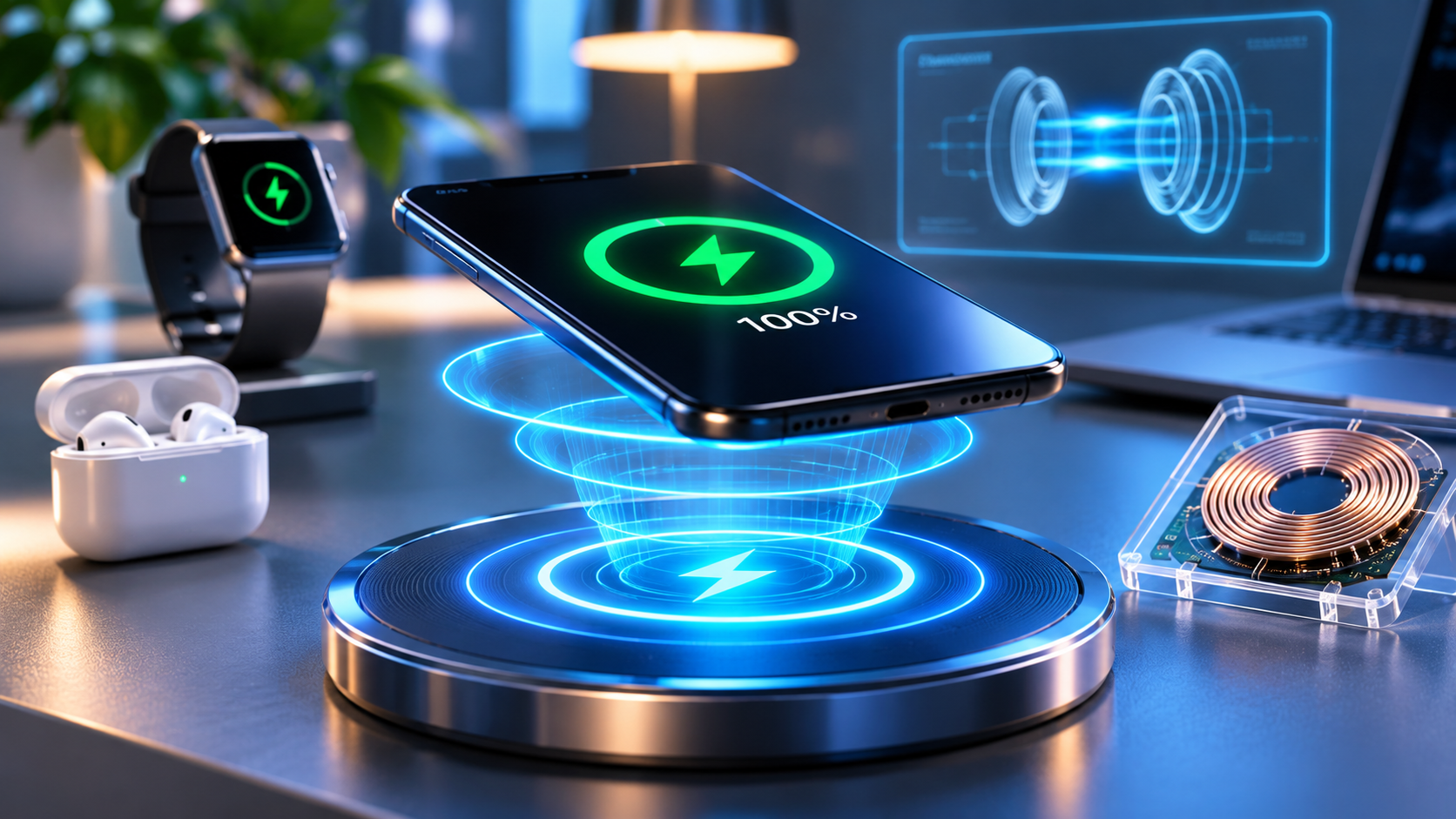
Wireless Power Transfer Technology is revolutionizing how we power our devices, moving us beyond the limitations of traditional charging methods. This fascinating technology utilizes electromagnetic fields to transmit energy without physical connections, paving the way for more seamless and convenient experiences in our everyday lives. From smartphones to electric vehicles, wireless power is not just a futuristic concept but a reality that is steadily gaining traction across various sectors.
As we delve into the fundamentals, we uncover various methods such as inductive and resonant inductive coupling, showcasing their applications in devices we rely on daily. The advantages of this technology are compelling, promoting safety and reducing wear on connectors, while its potential for enhancing user convenience cannot be overstated.
Understanding the Fundamentals of Wireless Power Transfer Technology
Wireless power transfer technology represents a revolutionary evolution in how devices are powered. This technology eliminates the need for physical connectors or wires, providing convenience and a more versatile approach to powering electronic devices. By utilizing electromagnetic fields, wireless power transfer allows energy to be transmitted from a power source to a device without direct connectivity. This is becoming increasingly popular in various applications, from charging smartphones to powering electric vehicles.
At the core of wireless power transfer are electromagnetic fields, which are generated by the flow of electric current. These fields can transfer energy through space, enabling the charging of devices without any physical contact. The basic principle involves two components: a transmitter, which generates the electromagnetic field, and a receiver, which captures this energy and converts it back into a usable form. The efficiency of this process can vary based on the methods used for transmission and the distance between the transmitter and receiver.
Types of Wireless Power Transfer Methods
There are multiple methods of wireless power transfer, each with unique characteristics and applications. Understanding these methods helps illustrate the versatility of this technology.
1. Inductive Coupling:
Inductive coupling is the most common method used for short-range wireless power transfer. It operates on the principle of electromagnetic induction, where a primary coil generates a magnetic field that induces a current in a secondary coil within proximity. This method is widely used in applications like wireless charging pads for smartphones and electric toothbrushes.
2. Resonant Inductive Coupling:
This method improves upon basic inductive coupling by using resonant circuits, which enhance the efficiency of energy transfer over greater distances. By tuning both the transmitter and receiver to the same resonant frequency, energy can be transferred more effectively. This technique is utilized in applications such as wireless charging for electric vehicles and certain medical devices.
The practical applications of wireless power transfer technology are rapidly expanding. Common examples in daily life include:
– Smartphones: Many modern smartphones support wireless charging through inductive coupling, allowing users to simply place their device on a charging pad.
– Wearable Devices: Fitness trackers and smartwatches often use wireless charging technologies for ease of use.
– Electric Vehicles: Some electric vehicles are now equipped with resonant inductive charging systems, enabling them to charge while parked over a charging pad, enhancing convenience for drivers.
– Home Appliances: Kitchen gadgets like wireless kettles and coffee makers are also beginning to adopt this technology, eliminating the hassle of cords.
The advancements in wireless power transfer technology continue to foster innovation and efficiency across various sectors, paving the way for a future where devices can be powered seamlessly and effortlessly.
Exploring the Advantages of Wireless Power Transfer Technology
Wireless Power Transfer (WPT) technology represents a significant evolution in how we supply energy to devices. By eliminating the need for physical connections, it offers numerous advantages over traditional wired systems, enhancing user experience and device performance in various domains. This technology is rapidly gaining traction, particularly in consumer electronics, where convenience and efficiency are paramount.
Significant Benefits of Wireless Power Transfer
The transition from wired to wireless power systems introduces several key benefits which can fundamentally change how we interact with technology. Here are three significant advantages:
- Convenience and Flexibility: Wireless power transfer technology allows for seamless charging without the hassle of connecting cables. Users can simply place their devices on a charging pad or in proximity to a charging station, making it easier to power smartphones, tablets, and wearables without fumbling with cords.
- Enhanced Safety: Wireless charging reduces the risk of electrical shocks and short circuits that can occur with traditional wired connections. Since there are no exposed connectors, the chance of accidental contact with live circuits is minimized, thereby promoting a safer environment for both users and devices.
- Reduced Wear on Connectors: Regularly connecting and disconnecting cables can lead to wear and tear on device ports, potentially resulting in costly repairs. WPT technology mitigates this issue by eliminating the need for constant physical connections, extending the lifespan of both devices and their charging ports.
Promoting Convenience in Consumer Electronics
The integration of wireless power transfer technology into consumer electronics is significantly enhancing user convenience. Imagine a desk where multiple devices, from smartphones to laptops, can charge simultaneously without the clutter of cables. This technology enables a more organized and aesthetically pleasing environment while allowing users to keep their devices powered without interruption.
For instance, in public spaces like cafes and airports, wireless charging stations are becoming increasingly common, allowing users to charge their devices effortlessly while they work or relax. Such implementations not only cater to the need for convenience but also enhance user satisfaction and engagement.
Potential for Enhanced Safety and Reduced Wear on Connectors
Safety and longevity are crucial considerations in device design, and wireless power transfer technology excels in these areas. The absence of physical connectors means there are fewer opportunities for debris accumulation, which can often lead to malfunctions in wired systems. Furthermore, the innovative design of WPT systems can include features such as automatic shut-off mechanisms which prevent overheating, further enhancing safety.
In addition, the reduction in mechanical stress on device ports due to the lack of frequent plugging and unplugging extends the life of electronic devices. For example, devices like electric toothbrushes and smartwatches now benefit from wireless charging, promoting a hassle-free user experience while ensuring that the ports remain intact.
Analyzing the Challenges Faced by Wireless Power Transfer Technology
The advancement of wireless power transfer (WPT) technology presents exciting possibilities for a future with more convenience and efficiency in charging devices. However, despite its potential, several challenges hinder its widespread adoption. These challenges encompass both technical limitations and regulatory hurdles that need addressing to pave the way for greater integration into our daily lives.
One of the primary technical challenges is the efficiency of energy transfer. Wireless power systems generally have lower efficiency levels compared to traditional wired charging methods. While wired chargers can achieve efficiencies of 90% or higher, WPT systems often range from 60% to 80%, depending on the technology used and the distance between the transmitter and receiver. Factors such as energy dispersion and conversion losses contribute to this inefficiency. Additionally, the technology is still evolving; advancements are continually made, but achieving the high efficiency of wired charging remains a significant hurdle.
Impact of Distance and Alignment on Energy Transfer
The effectiveness of wireless energy transfer is heavily influenced by the distance between the transmitter and receiver, as well as their alignment. Optimal energy transfer occurs when the two components are closely aligned, but even slight misalignments can dramatically decrease efficiency. Here are some key insights into this phenomenon:
– Distance Sensitivity: The efficiency of WPT diminishes significantly as the distance increases. For instance, a WPT system might efficiently transmit power at a few millimeters but struggles to maintain that efficiency at greater distances, often requiring the use of resonant inductive coupling to improve performance over longer ranges.
– Alignment Precision: The precise alignment of the transmitter and receiver is crucial. A misalignment of just a few degrees can lead to substantial energy loss. In practical applications, this necessitates the design of systems that can tolerate minor misalignments without significantly compromising efficiency.
– Adaptive Systems: Some modern WPT systems are being designed with adaptive capabilities that can adjust the power transfer based on the distance and alignment. This approach aims to optimize the energy transfer even in less-than-ideal conditions.
In summary, while wireless power transfer technology holds great promise for modern convenience, its adoption is hampered by challenges related to efficiency, distance sensitivity, and alignment precision. Addressing these issues will be vital for the technology to realize its full potential and integrate seamlessly into everyday use.
Investigating the Future of Wireless Power Transfer Technology
The future of wireless power transfer (WPT) technology holds immense potential as it evolves to meet the increasing demand for efficient energy solutions across various applications. With advancements in materials, design, and innovative applications, WPT technology is poised to reshape energy distribution and consumption in the next decade. Understanding these trends will be crucial for industries and consumers alike.
Upcoming Innovations in Wireless Power Transfer Technology
The next decade is likely to witness groundbreaking innovations in wireless power transfer technology. These advancements will focus on enhancing efficiency, expanding range, and increasing user convenience. Innovations could include:
- Resonant Inductive Coupling: This method, already in use, is expected to become more sophisticated, allowing for higher power levels over greater distances, which would be beneficial for applications such as electric vehicles and consumer electronics.
- Optical Wireless Power Transfer: Utilizing lasers or LEDs, this technology could provide a new medium for energy transfer, targeting applications in spaces where traditional methods fall short.
- Enhanced Efficiency through AI: Artificial intelligence could optimize power management systems, leading to smarter grids that adjust energy distribution in real-time based on demand.
Advancements in Materials and Design
Materials and design play a critical role in the efficiency and cost-effectiveness of wireless power transfer systems. Emerging materials and innovative designs are set to revolutionize how power is transmitted wirelessly:
- Superconductors: The use of high-temperature superconductors can significantly reduce energy losses during transfer, enhancing the overall efficiency of wireless systems.
- Flexible Electronics: As materials become more adaptable, devices can be integrated into a wider range of products, from wearables to smart furniture, increasing versatility and accessibility.
- Modular Designs: Future WPT systems may adopt modular approaches, allowing for easy upgrades and repairs, which can reduce long-term costs for consumers and businesses.
Potential New Markets for Wireless Power Transfer Technology
As wireless power transfer technology matures, it is expected to penetrate several new markets and sectors, which could dramatically alter the landscape of energy usage:
- Electric Vehicles (EVs): WPT could become a standard method for charging EVs, facilitating convenient charging at home or public spaces without the need for physical connections.
- Healthcare: Medical devices could utilize WPT for seamless charging, minimizing the need for battery replacements and enhancing patient comfort.
- Smart Homes and IoT: The integration of WPT in smart home devices can enable continuous operation without the hassle of plugging and unplugging, fostering a more connected living experience.
“The evolution of wireless power transfer technology is a pivotal development that will redefine energy consumption in a variety of sectors, leading to enhanced convenience and efficiency.”
Evaluating Different Applications of Wireless Power Transfer Technology
Wireless Power Transfer (WPT) technology has made significant strides in recent years, proving its versatility across various sectors. From powering everyday gadgets to supporting complex infrastructures, its applications are continually expanding. This section delves into specific examples in industries such as automotive and healthcare, along with emerging applications that could harness this innovative technology.
Applications in Automotive and Healthcare Industries
In the automotive industry, wireless power transfer is revolutionizing electric vehicle (EV) charging. Manufacturers are developing systems that allow EVs to charge while parked over charging pads, eliminating the need for cumbersome cables. For instance, companies like Tesla and BMW are actively testing dynamic wireless charging systems that can power vehicles while they are in motion on specially equipped roadways. This innovation not only enhances convenience for drivers but also reduces range anxiety associated with electric vehicles.
Healthcare has also seen significant benefits from wireless power transfer technology. Medical devices, such as implants and sensors, often require reliable power sources. Wireless charging systems can keep these devices charged without invasive procedures. For example, certain pacemakers now utilize WPT to receive power wirelessly, thereby minimizing the need for surgical replacements. Additionally, WPT can facilitate the charging of medical equipment in hospitals, allowing for greater mobility and efficiency without the clutter of cords.
Emerging Applications of Wireless Power Transfer Technology
Several emerging applications stand to benefit from the advancements in wireless power transfer technology. These include:
- Consumer Electronics: With the rise of smart devices, WPT can eliminate the need for wires in charging smartphones, tablets, and wearables, leading to more streamlined and user-friendly experiences.
- Home Automation: Smart home devices can utilize WPT to maintain continuous operation without the hassle of plugging and unplugging, enhancing connectivity in home environments.
- Industrial Automation: Robotics and machinery can be integrated with wireless power systems to ensure uninterrupted operation, especially in environments where traditional wiring may present hazards or challenges.
- Remote Sensors: In agricultural and environmental monitoring, WPT can power remote sensors deployed in hard-to-reach areas, thus enabling continuous data collection without the need for battery replacements.
Role of Wireless Power Transfer in Smart Cities and IoT Devices
The integration of wireless power transfer technology is crucial in the development of smart cities, where connectivity and efficiency are paramount. In smart city infrastructures, WPT can power streetlights, traffic signals, and surveillance systems wirelessly, reducing energy costs and enhancing city efficiency.
IoT devices, which often require constant power supply, can significantly benefit from WPT. These devices, ranging from smart meters to interconnected home appliances, will enjoy the convenience of being continuously powered without the need for physical connections. This not only simplifies the deployment of IoT networks but also enhances the sustainability of smart city initiatives.
“Wireless power transfer technology is set to redefine how we think about energy usage in urban environments, making cities more efficient and responsive.”
Comparing Global Adoption Rates of Wireless Power Transfer Technology
Wireless power transfer technology (WPT) is revolutionizing the way we charge and power devices. As this technology gains momentum, it is essential to understand how different regions around the globe are adopting it. The variation in adoption rates can be attributed to several factors, including cultural perceptions, economic capabilities, and technological infrastructure. Exploring these differences provides valuable insights into the future of WPT.
The adoption rates of WPT vary significantly across different countries and regions, often influenced by local policies, consumer preferences, and market readiness. For instance, countries like South Korea and Japan have shown remarkable enthusiasm for WPT, largely due to their advanced technological infrastructure and consumer readiness to embrace innovative solutions. In contrast, regions with less economic stability or technological advancement, such as certain areas in Africa and South America, are slower to adopt this technology.
Regional Insights into Adoption Rates
Understanding the nuances of WPT adoption across different regions helps to illustrate the varied landscape. Here are some noteworthy examples that highlight these differences:
- North America: In the United States, the adoption of wireless charging stations for electric vehicles is on the rise, with companies like Tesla investing in WPT technology. According to a report from the International Energy Agency (IEA), approximately 15% of new electric vehicle owners used wireless charging solutions in 2022.
- Asia: South Korea leads in WPT adoption, with an estimated 30% of smartphone users utilizing wireless charging pads. This is spurred by strong consumer demand and robust infrastructure development, as noted in a study by the Korea Institute of Science and Technology.
- Europe: In Germany, significant investments have been made into integrating WPT in public transportation systems. A pilot project in Berlin has successfully deployed wireless charging for buses, reducing downtime and increasing efficiency.
- Africa: Adoption in Africa remains limited due to economic challenges and lower technological infrastructure. However, initiatives in countries like Kenya are exploring solar-powered wireless charging stations for mobile devices, aiming to reach off-grid communities.
Cultural and economic factors play a vital role in determining how quickly a region adopts WPT technology. In regions where innovation is highly valued, such as in Japan, there tends to be greater acceptance of new technologies. Conversely, cultural attitudes towards technology and economic constraints can hinder adoption in other areas. For example, in developing nations, the focus is often on basic utility and affordability, making advanced technologies like WPT less accessible.
“The speed of wireless power transfer adoption is not solely a matter of technological capability but is intricately linked to the cultural and economic landscape of each region.”
Through a detailed examination, it becomes clear that while some regions race ahead in the integration of wireless power transfer technology, others lag due to various hurdles. Each region’s approach to WPT is shaped by its unique circumstances, creating a diverse global landscape of adoption.
Understanding the Environmental Impact of Wireless Power Transfer Technology
Wireless Power Transfer (WPT) technology is not just a futuristic convenience; it plays a pivotal role in promoting sustainability and reducing the environmental footprint associated with traditional energy consumption. As we delve into its environmental implications, it’s essential to highlight how WPT can drastically alter the landscape of energy use, waste production, and resource management.
One of the most significant contributions of wireless power transfer to sustainability is the potential reduction of electronic waste. Traditional electronics often rely on a plethora of physical connectors and cables, which can lead to substantial waste when devices become obsolete or when connectors wear out. Wireless charging eliminates the need for these physical components, which may seem minor, but collectively, they contribute significantly to global e-waste. According to the Global E-waste Monitor, approximately 53.6 million metric tons of e-waste were generated in 2019, a figure that continues to rise. By adopting WPT systems, we can expect a notable decrease in the number of connectors discarded each year, which not only reduces waste but also lessens the burden on recycling systems.
Energy Efficiency of Wireless Power Transfer Systems
The energy efficiency of wireless power systems is another critical aspect of their environmental impact. Traditional energy sources often suffer from significant energy losses during transmission, typically due to resistance and conversion processes. In contrast, advanced wireless power technologies have evolved to exhibit higher efficiency rates.
– Research indicates that some wireless charging systems can achieve efficiency levels of over 90%, rivaling that of wired connections. This increased efficiency leads to reduced energy consumption overall, which is crucial in the context of climate change and the need for sustainable energy solutions.
– For instance, consider the case of electric vehicles (EVs) using wireless charging pads. Tests have shown that such systems not only provide convenience but also promote increased adoption of EVs by simplifying the charging process, thus enhancing the overall energy profile of transportation.
In summary, the environmental implications of WPT technology are profound. The reduction of electronic waste through the elimination of physical connectors and the notable energy efficiency improvements compared to traditional systems illustrate its potential to support global sustainability efforts. As WPT technology continues to evolve, its positive environmental impact becomes increasingly critical in addressing our planet’s energy challenges.
Designing Wireless Power Transfer Solutions for Specific Use Cases
Designing effective wireless power transfer (WPT) solutions requires a detailed understanding of the specific use cases they serve. With the evolution of technology, applications such as electric vehicles (EVs) and home appliances demand customized approaches to WPT systems. This section delves into the intricacies of designing WPT systems attuned to these distinct requirements, ensuring compatibility, efficiency, and safety.
Wireless Power Transfer for Electric Vehicles
The design of a WPT system for electric vehicles involves multiple considerations ranging from power requirements to electromagnetic field regulations. A successful WPT system should facilitate efficient energy transfer while ensuring safety for both users and the environment. Key components include transmitter and receiver coils, control circuitry, and integration with the vehicle’s power system.
Important design factors include:
- Power Output: The system must support sufficient power output, typically ranging from 3.7 kW to 22 kW, depending on the vehicle’s charging capabilities.
- Efficiency Rates: Targeting efficiency rates of over 90% minimizes energy loss during transmission, which is crucial for battery longevity and charging time.
- Alignment Tolerance: Systems should accommodate various vehicle positions with tolerance levels of up to 15 cm to facilitate user convenience.
- Safety Standards: Compliance with international safety standards (such as ISO 15118) is paramount to ensure user and system safety.
- Cooling Systems: Thermal management is essential, particularly in high-power applications, to prevent overheating of components.
“Efficiency rates above 90% are essential for minimizing energy loss in wireless power transfer systems.”
Customizing Wireless Power Solutions for Home Appliances and Consumer Electronics
Home appliances and consumer electronics present unique challenges for wireless power transfer solutions. These devices often vary in size, power consumption, and user interaction, necessitating tailored designs for optimal performance.
When customizing WPT solutions for these applications, consider the following specifications:
- Power Rating: Most small electronics require lower power ratings, typically ranging from 5W to 15W, allowing for compact design elements.
- Charging Distance: Effective charging should occur within a short range (generally a few centimeters), which influences coil design and positioning.
- Form Factor: The design should seamlessly integrate with the existing aesthetics of the device, ensuring user-friendliness without compromising functionality.
- Communication Protocols: Implementing protocols such as Qi or AirFuel enhances interoperability among devices, improving user experience.
- Cost-Effectiveness: The design should balance performance with production costs to maintain market competitiveness.
“Integrating WPT solutions with existing device aesthetics enhances user-friendliness while maintaining functionality.”
These technical specifications play a vital role in ensuring that wireless power transfer systems not only meet user expectations but also adhere to industry standards for safety and efficiency. Each application demands a unique approach, reflecting the diverse landscape of wireless power technologies today.
Closing Notes
In summary, Wireless Power Transfer Technology holds immense promise for the future, with innovations on the horizon that could transform how we interact with our electronic devices. As we face challenges in efficiency and regulatory standards, the potential for this technology to contribute to a more sustainable and interconnected world remains bright. With emerging applications in automotive and healthcare industries, the journey of wireless power is just beginning, and we can expect to see its influence expand in the years to come.
Questions and Answers
What is Wireless Power Transfer Technology?
It is a method of transmitting electrical energy without wires, using electromagnetic fields.
How efficient is wireless power transfer compared to wired charging?
While wired charging is generally more efficient, recent advancements are closing the gap, making wireless options increasingly viable.
What devices commonly use this technology?
Common devices include smartphones, electric toothbrushes, and some electric vehicles.
Are there safety concerns with wireless power transfer?
Generally, wireless power systems are considered safe, but regulatory standards are essential to ensure proper implementation.
Can wireless charging work through obstacles?
Wireless charging efficiency decreases with distance and obstructions, so alignment is important for optimal performance.