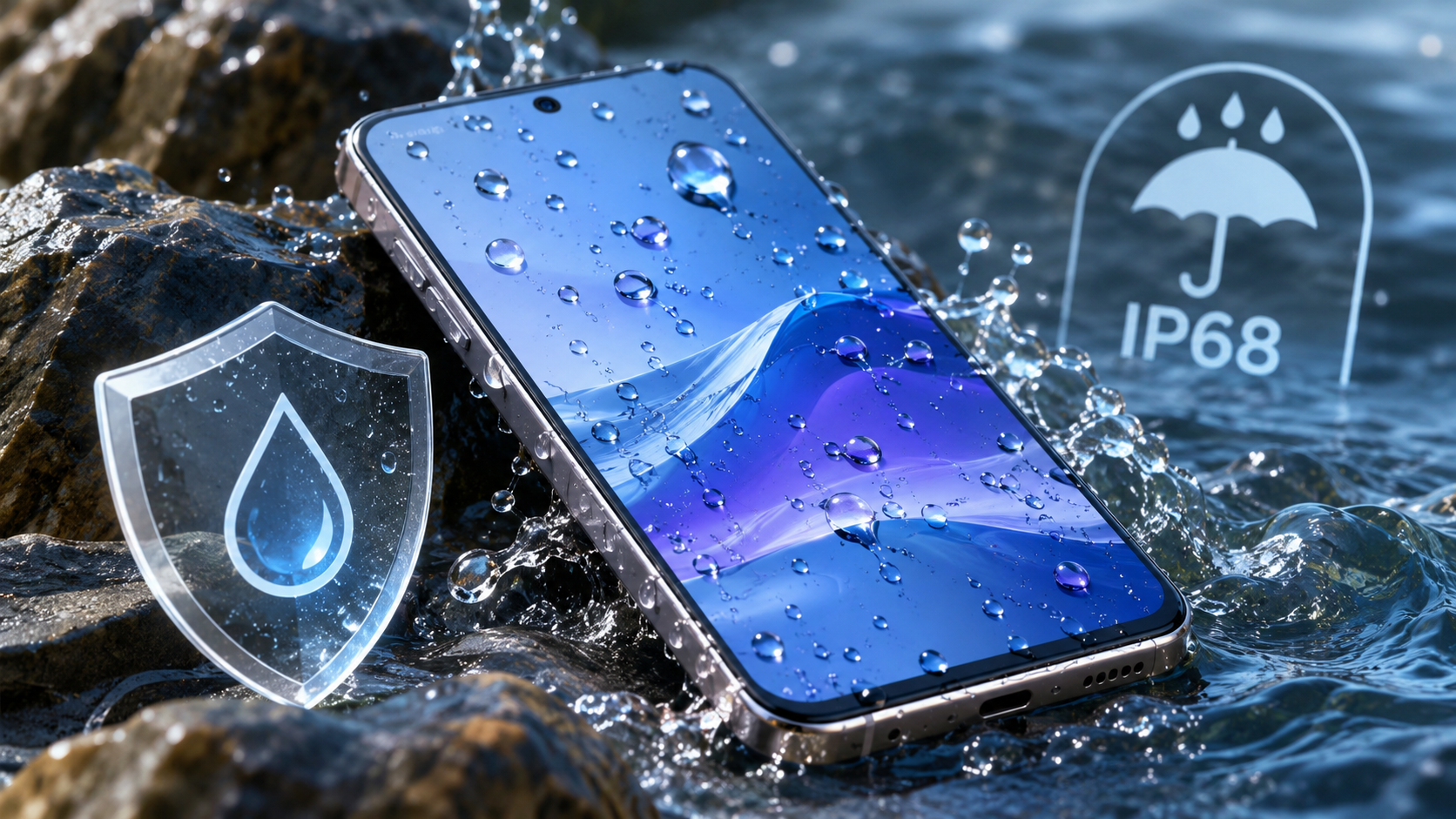
Mobile Device Water Resistance has become a crucial factor for consumers and manufacturers alike, reflecting the increasing need for durability in our everyday technology. With mobile devices being a constant companion, the risk of water damage looms large, making it essential to understand how water resistance features can enhance performance and longevity. Today’s devices come equipped with varying degrees of water resistance, and knowing what that means can save users from costly repairs and replacements.
As we dive into the intricacies of water resistance, we will explore the Ingress Protection ratings, debunk common myths, and assess testing methods. Furthermore, tips for maximizing device protection and glimpses into future technology will shed light on the evolving landscape of mobile devices.
The Importance of Water Resistance in Mobile Devices
In today’s fast-paced world, mobile devices play an essential role in our daily lives. With the increasing reliance on smartphones for communication, entertainment, and work, the significance of water resistance has surged. Consumers expect their devices to withstand accidental spills, splashes, and even brief immersions in water. For manufacturers, integrating water-resistant features is not just about meeting consumer demand; it’s also about enhancing overall device durability and attractiveness in a competitive market.
Water exposure can significantly impact the performance and longevity of mobile devices. When water seeps into a smartphone, it can damage internal components such as the battery, circuit boards, and cameras. This damage often leads to malfunctions that may not be immediately noticeable but can worsen over time. For instance, corrosion can occur on metal components, leading to short circuits. Even devices that seem to dry out may not fully recover, as the residual moisture can continue to cause deterioration. A study by SquareTrade found that water damage accounts for approximately 30% of smartphone failures, indicating how crucial it is for devices to have robust water resistance features.
Statistics on Water Damage in Mobile Devices
Understanding the prevalence of water damage in mobile devices highlights the importance of water resistance. Numerous statistics reveal how common mishaps can lead to costly repairs or replacements. For example:
- According to a report from Phone Insurance, nearly 60% of smartphone users have experienced some form of damage due to water exposure.
- Insurance statistics from Asurion indicate that around 1 in 5 claims filed for smartphone damage involve water-related incidents, making it one of the leading causes of device failure.
- Apple reported that water damage is a significant factor in their warranty claims, leading to increased repair costs and customer dissatisfaction.
These figures underline the importance of considering water resistance when purchasing a mobile device. A water-resistant phone, rated with an IP67 or IP68 certification, can withstand immersion in water for varying durations and depths, providing peace of mind for users. This innovation not only enhances consumer confidence but also contributes to the long-term viability of the device in an often unpredictable environment.
Moreover, manufacturers that prioritize water resistance are likely to see a positive impact on their brand reputation and customer loyalty. Devices that endure the rigors of daily life – from accidental drops into pools to unexpected rain showers – are more appealing to consumers in search of reliability. As the market evolves, embracing water resistance will remain a vital aspect of mobile device design and consumer satisfaction.
Understanding Ingress Protection Ratings for Devices
Ingress Protection (IP) ratings provide essential information about the level of protection a mobile device has against dust and water ingress. This system helps consumers make informed decisions when selecting devices that can withstand various environmental conditions. Understanding these ratings is crucial for users who want to ensure their devices remain functional and intact during outdoor use or in challenging environments.
The IP rating system uses a two-digit code. The first digit represents the degree of protection against solid objects, while the second digit indicates the level of protection against liquids. Each digit ranges from 0 to 6 for solids and 0 to 9 for liquids. The higher the number, the better the protection. For example, an IP68 rating signifies complete protection against dust and the ability to withstand immersion in water beyond 1 meter for an extended period.
Examples of IP Ratings
Understanding the significance of different IP ratings helps consumers evaluate mobile devices based on their specific needs. Here are some common IP ratings and what they signify regarding water and dust resistance:
- IP67: Dust-tight and can withstand immersion in water up to 1 meter for 30 minutes. Commonly found in devices such as the Apple iPhone 7 and Samsung Galaxy S8.
- IP68: Dust-tight with resistance to continuous immersion in water beyond 1 meter. Devices like the iPhone 12 and Samsung Galaxy S21 have this rating, making them ideal for swimming or other water activities.
- IP55: Limited dust ingress and protection against low-pressure water jets from any direction. Typically seen in rugged phones like the Samsung Galaxy XCover series.
- IP54: Dust protected but not entirely dust-tight, with protection against splashing water from any direction. This rating is often found in some mid-range smartphones.
Comparison of IP Ratings in Popular Mobile Devices
When comparing the IP ratings of popular mobile devices, it is evident how these ratings influence user choice. Consumers often prioritize durability, especially if they engage in outdoor activities or work in environments prone to exposure to dust and water.
Here is a comparison of the IP ratings of some well-known devices:
| Device | IP Rating | Protection Level |
|---|---|---|
| Apple iPhone 13 | IP68 | Dust-tight; withstands immersion in water over 1 meter |
| Samsung Galaxy S21 | IP68 | Dust-tight; withstands immersion in water over 1 meter |
| Google Pixel 6 | IP68 | Dust-tight; withstands immersion in water over 1 meter |
| OnePlus 9 | IP68 | Dust-tight; withstands immersion in water over 1 meter |
| Samsung Galaxy A52 | IP67 | Dust-tight; withstands immersion in water up to 1 meter |
The high ratings of devices like the iPhone 13 and Samsung Galaxy S21 appeal to users seeking high durability standards. Conversely, those with lower ratings typically serve budget-conscious consumers who may not require extensive water or dust protection.
Understanding IP ratings helps users choose the right device tailored to their lifestyle and environmental challenges.
Common Misconceptions About Water Resistance in Mobile Phones
Water resistance is a crucial feature for many mobile device users, yet numerous misconceptions can lead to confusion and uninformed purchasing decisions. Understanding these myths can help consumers make wiser choices when selecting their next smartphone. In this segment, we will explore prevalent misconceptions regarding water resistance in mobile devices and how they impact consumer behavior and manufacturer marketing strategies.
Misconceptions Surrounding Water Resistance Ratings
One of the most common myths is that all water-resistant devices are completely waterproof. Many consumers believe that a device with an IP68 rating can withstand any underwater scenario. In reality, the IP68 rating indicates that while a phone can be submerged in water up to a certain depth for a specified duration—typically 1.5 meters for up to 30 minutes—this does not guarantee protection against all types of water exposure. For instance, saltwater or chlorinated water can be more damaging than regular freshwater, and manufacturers often advise against submerging devices in such elements.
Another misconception is that water resistance is permanent. While manufacturers apply coatings and seals to protect devices, wear and tear over time can diminish these protective features. Users may mistakenly believe their phones remain just as resilient after months or years of use, leading to unintended damage. Regular exposure to soaps, shampoos, and other chemicals can also compromise the integrity of water-resistant seals.
Lastly, there’s a belief that water resistance means the phone is safe from all liquid damage. In reality, the water resistance rating only covers specific types of water exposure and conditions. Spills from beverages like coffee or soda may still cause significant harm. Many manufacturers emphasize this limitation in their user manuals, urging users to avoid unnecessary risks with their devices.
Impact of Misconceptions on Consumer Behavior
These misconceptions significantly influence purchasing decisions, often leading consumers to prioritize water resistance features without fully understanding their limitations. This can result in frustration when expectations are not met. For example, a consumer might purchase a high-end smartphone based solely on its water resistance rating, only to find that it fails under circumstances they assumed would be safe.
Additionally, misconceptions about water resistance may also affect how consumers view warranties and insurance policies. Many users may feel secure in their purchase and neglect to consider additional coverage options, assuming their device is foolproof. However, when faced with liquid damage that falls outside the scope of the warranty, they may discover the hard way that their device is not as protected as they believed.
Manufacturer Marketing Strategies Addressing Myths
In response to these prevalent myths, manufacturers are increasingly transparent in their marketing. They often include detailed explanations of IP ratings, emphasizing the conditions under which the water resistance applies. For instance, advertisements and product packaging may clearly state that while a device is water-resistant, it is not waterproof, helping manage consumer expectations.
Furthermore, companies frequently share real-world scenarios and tests to demonstrate how their devices perform under various conditions. This can include videos showcasing water resistance tests, which help illustrate the practical limits of the technology. By providing this information, manufacturers aim to educate consumers, fostering a better understanding of their products’ capabilities and limitations.
Additionally, tech reviews and influencer endorsements often highlight both the benefits and drawbacks of water-resistant features, further reinforcing accurate information in the marketplace. By actively addressing misconceptions, manufacturers not only enhance consumer trust but also promote informed decision-making among potential buyers.
Testing Methods for Mobile Device Water Resistance
Testing the water resistance of mobile devices is crucial in ensuring their durability and reliability in real-world scenarios. Manufacturers and consumers alike benefit from understanding how these devices perform when exposed to water. Various methods are employed to assess water resistance, each with its own significance in providing standardized results and informing consumers.
Standardized testing procedures ensure consistency and reliability in results, allowing consumers to make informed decisions based on comparable data. Organizations such as the International Electrotechnical Commission (IEC) establish these standards, which are widely recognized in the industry. The most commonly used rating system is the Ingress Protection (IP) rating, which specifies the level of protection against dust and water. Important details about these testing methods are conveyed through clear labeling on product packaging and marketing materials, helping to set consumer expectations accurately.
Common Testing Methods for Water Resistance
Understanding the testing methods used for assessing mobile device water resistance helps consumers appreciate the reliability of their devices. The following methods are commonly employed:
| Testing Method | Description | Effectiveness in Real-World Scenarios |
|---|---|---|
| IP Rating Test | Measures the degree of protection against solid objects and water. | Provides a clear standard; IP67 indicates immersion up to 1 meter for 30 minutes. |
| Submersion Testing | Devices are submerged in water at varying depths to evaluate performance. | Simulates real-life accidental drops in water; results vary based on device design. |
| Pressure Testing | Devices are subjected to high-pressure water jets to test seals and components. | Useful for assessing performance in wet conditions, like rain or splashes. |
| Temperature Cycling | Devices undergo temperature fluctuations while exposed to humidity. | Evaluates how thermal expansion and contraction affect water seals over time. |
“An IP67 rating signifies a device can withstand complete submersion in water up to 1 meter for 30 minutes, which is a critical benchmark for consumers.”
These testing methods collectively provide valuable insights into how mobile devices will function in everyday environments, giving consumers peace of mind when using their devices around water.
Tips for Maximizing Water Resistance in Everyday Use
Even though many mobile devices come equipped with impressive water resistance ratings, it’s wise to take extra precautions to safeguard your device from potential water damage. Understanding the limitations of these ratings and being mindful of daily activities can greatly enhance your protection against water exposure.
Water resistance ratings such as IP67 or IP68 suggest that a device can withstand certain levels of exposure to water, but these ratings do not make your device impervious to water damage. Everyday situations, such as being caught in the rain, accidental splashes, or using your phone in the bathroom, can still pose risks. Here are some practical tips to help users maximize their mobile device’s water resistance and avoid mishaps.
Common Risk Situations and Mitigation Strategies
Many daily activities inadvertently put mobile devices at risk of water exposure. Here are some common situations and how to mitigate those risks effectively:
- Using your phone in the rain: If you need to use your device outdoors during rain, consider using a water-resistant pouch or case designed specifically for this purpose.
- Bathroom use: Bathrooms can be steamy and damp. Keep the device away from sinks and showers, or use a shelf or designated area to minimize exposure.
- Beach trips: Sand and water can be destructive. Use a waterproof case when taking your device to the beach, and avoid placing it directly on the sand.
- During sports or workouts: If you’re exercising outdoors, opt for a sports armband or holder that has water-resistant features, particularly for activities like running or cycling in wet conditions.
- Accidental spills: Maintain a habit of placing your device away from drinks and food at the dinner table or in cafes to reduce the risk of spills.
Accessories and Practices for Enhanced Water Resistance
Various accessories and practices can significantly improve your mobile device’s water resistance. Consider the following tips to create an additional layer of protection:
- Waterproof cases: Invest in high-quality waterproof cases that provide full enclosure and protection, particularly for outdoor or extreme activities.
- Screen protectors: While primarily for scratches, certain screen protectors can also add a level of water resistance to the display.
- Port covers: Use port covers to ensure that charging ports and headphone jacks remain sealed when not in use.
- Carrying pouches: Keep your device in a water-resistant pouch when traveling to protect against unexpected rain or splashes.
- Regular maintenance: Check seals and gaskets for wear and tear regularly to ensure the device remains water-resistant over time.
By taking precautionary measures and being aware of potential risks, you can significantly enhance your mobile device’s water resistance and avoid costly repairs.
The Future of Water Resistance Technology in Mobile Devices
As mobile devices become integral to our daily lives, their ability to withstand the elements continues to be a critical focus for manufacturers. Water resistance technology is evolving, driven by consumer demand for more resilient gadgets that can handle unexpected spills or rainy weather. This progression not only enhances user experience but also expands the usability of mobile devices in diverse environments.
Significant innovations are emerging in materials science and design strategies that aim to improve water resistance in future mobile devices. One notable advancement is the development of hydrophobic coatings that can repel water at a molecular level, allowing devices to remain functional even when submerged. These coatings, often made from advanced polymers, can be applied to internal components to shield them from moisture without compromising the device’s design or function.
Advancements in Materials and Design
Several recent breakthroughs highlight the potential for enhanced water resistance capabilities in mobile devices. Key advancements include:
- Nano-coatings: These ultra-thin layers can be applied to circuit boards and connectors, providing a waterproof barrier that protects sensitive electronics from short-circuiting due to exposure to water.
- Flexible materials: Innovations in flexible electronics allow manufacturers to create devices that not only withstand splashes but are also resistant to bending and other forms of stress that could compromise water seals.
- Sealed designs: Companies are increasingly adopting designs that feature fewer openings, utilizing gaskets and adhesives to create tighter seals while maintaining aesthetics and functionality.
- Smart engineering: Manufacturers are integrating pressure sensors that can detect water intrusion, automatically sealing the device or alerting users to potential damage.
The trend towards improved water resistance is likely to reshape the mobile device market significantly. As consumer preferences shift towards more durable and robust products, manufacturers are expected to compete not just on the basis of features and performance, but also on their ability to offer superior water resistance. For instance, brands like Apple and Samsung are already incorporating higher IP ratings in their latest models, indicating a shift towards prioritizing durability alongside innovation.
“Improved water resistance not only enhances device longevity but also opens new markets in outdoor and extreme environments.”
As the competition heats up, we might see a future where devices are marketed explicitly for their water-resistant capabilities, similar to how rugged smartphones are positioned today. Such a shift would not only cater to adventure enthusiasts but also appeal to the everyday user seeking peace of mind against accidental spills or sudden downpours.
User Experiences and Real-World Performance of Water Resistant Devices
Many users have turned to water-resistant mobile devices as a safeguard against accidental spills, splashes, and even submersion. The appeal of these devices lies not only in their protection against water but also in the assurance they provide for everyday use in various environments. However, while manufacturers often promote their products with impressive water resistance ratings, real-world experiences can vary significantly.
User feedback on water-resistant devices reveals a landscape of satisfaction mixed with caution. Many users have put their devices to the test in everyday scenarios, from poolside selfies to rainy day commutes. Below, we explore a collection of testimonials and compare these anecdotal experiences against the manufacturers’ claims to better understand the performance of popular water-resistant models.
User Testimonials of Water-Resistant Devices
To gain insight into the real-world capabilities of water-resistant devices, we gathered user testimonials that reflect diverse experiences across different brands and models. The following table summarizes reported performances in various water exposure situations, highlighting both satisfaction and challenges faced by users.
| Brand & Model | Water Resistance Rating | User Experience | Reported Scenarios |
|---|---|---|---|
| Apple iPhone 13 | IP68 | Highly effective, survived a full submersion in a pool. | Accidental drops in water while taking photos. |
| Samsung Galaxy S21 | IP68 | Excellent, withstood heavy rain and splashes without issues. | Rainy outdoor events. |
| Google Pixel 6 | IP68 | Satisfactory, but showed signs of moisture after prolonged exposure. | Outdoor swimming pool use. |
| OnePlus 9 Pro | IP68 | Generally good, but had issues after washing the device under running water. | Accidental kitchen spills. |
| Sony Xperia 5 II | IP65/IP68 | Very reliable, worked perfectly during beach outings. | Sand and saltwater exposure. |
“Despite the IP68 rating on my Pixel 6, I wouldn’t recommend exposing it to water longer than necessary. It’s good for splashes but not so much for swimming!” – User Review
This table illustrates a range of experiences that provide valuable context regarding water resistance ratings. While many users report successful experiences, there are notable exceptions where devices did not perform as expected. The gap between manufacturer claims and user experiences highlights the importance of understanding the limitations of water resistance features, emphasizing that while these devices offer a level of protection, they should be treated with care in real-world situations.
Final Thoughts
In conclusion, understanding Mobile Device Water Resistance is not just about technical specifications; it’s about making informed choices as consumers. Awareness of water resistance ratings, common misconceptions, and real-world performance can empower users to select devices that best suit their lifestyles. As technology continues to advance, the future looks promising for water-resistant devices, potentially transforming our relationship with mobile technology.
Questions Often Asked
What does IP rating stand for?
IP rating stands for Ingress Protection rating, which indicates how well a device is protected against solid and liquid intrusions.
Can water-resistant devices be used in saltwater?
While some devices are rated for water resistance, exposure to saltwater can still cause damage due to corrosion and other factors.
Does water resistance mean my device is waterproof?
No, water resistance indicates a level of protection against water exposure, but it does not guarantee that a device is completely waterproof.
How can I check my device’s water resistance level?
You can check your device’s water resistance level by looking up its IP rating in the manufacturer’s specifications or user manual.
Are there accessories that can enhance water resistance?
Yes, accessories like waterproof cases and pouches can provide additional protection against water damage.