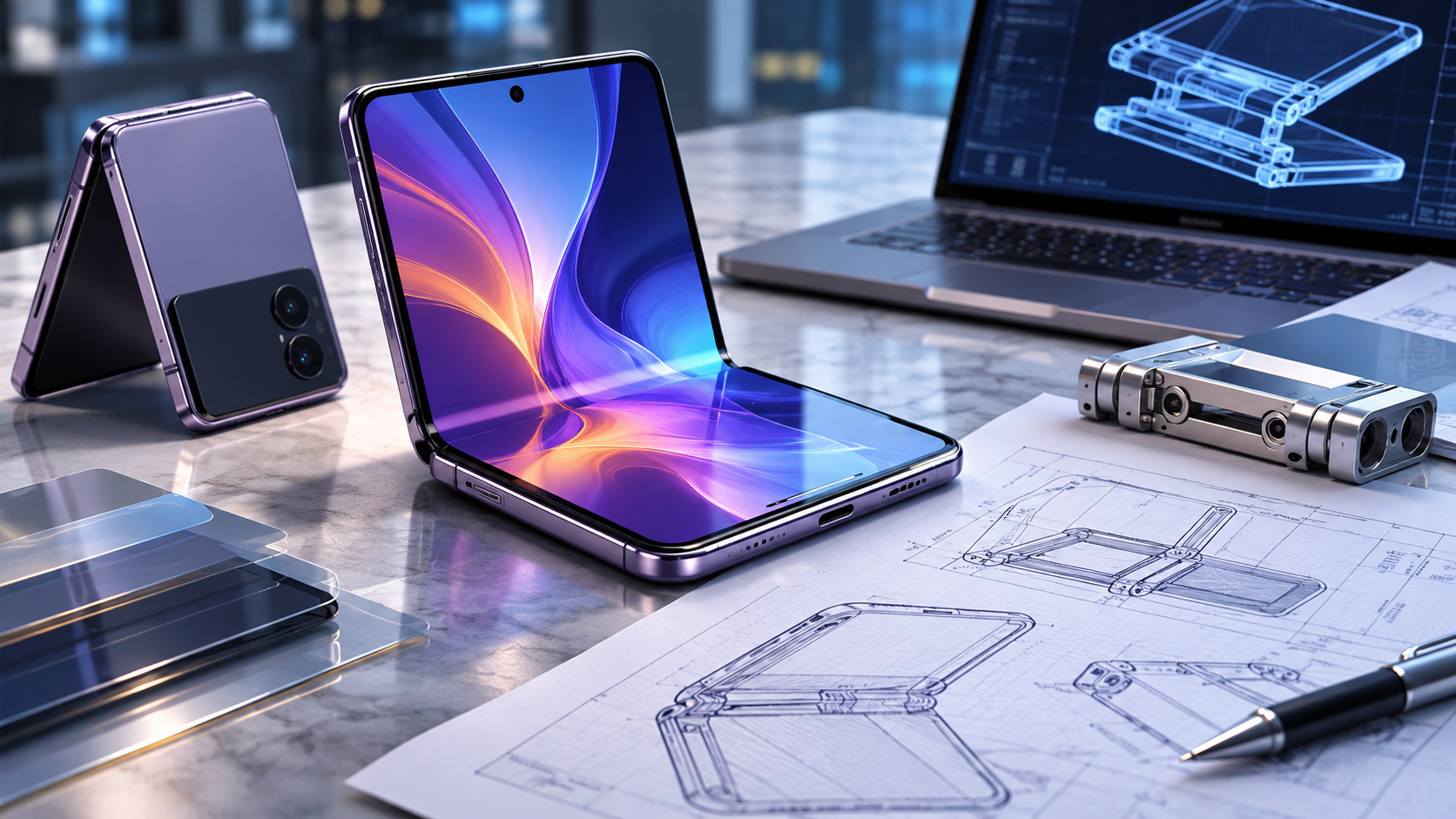
Kicking off with Foldable Smartphone Engineering, this innovative technology represents a significant leap forward in the mobile device landscape. Over the past decade, we have witnessed remarkable advancements that have transformed how we interact with our smartphones, blending functionality with unique design. As manufacturers strive to push the boundaries of what’s possible, foldable smartphones are not just novelties but are becoming essential tools for everyday life.
The journey of foldable technology has been fueled by a combination of engineering prowess, material science, and user feedback, reflecting the dynamic nature of the industry. This emerging segment is redefining user experiences and setting new benchmarks for the design and performance of mobile devices.
The evolution of foldable smartphone engineering over the past decade is noteworthy.
The journey of foldable smartphone engineering has been a fascinating one, showcasing how innovation can reshape our interaction with personal devices. Over the last decade, advancements in technology, materials, and design philosophies have converged, allowing for the emergence and eventual acceptance of foldable smartphones in the consumer market. These devices have transitioned from mere concepts into practical and widely adopted gadgets, influencing how we perceive functionality and portability in smartphones.
Technological advancements have played a critical role in the evolution of foldable smartphones. The introduction of flexible OLED (Organic Light Emitting Diode) displays marked a significant milestone. Unlike traditional glass screens, OLED technology allows the screen to bend without breaking, which is essential for foldable designs. Furthermore, improvements in hinge technology have enabled manufacturers to create more durable and reliable mechanisms that can withstand repeated folding without compromising performance. Additionally, advancements in battery technology have allowed for the integration of more powerful batteries within slim profiles, maintaining efficiency while accommodating new form factors.
The timeline of key industry milestones has greatly impacted consumer adoption of foldable smartphones. One notable event was the unveiling of the Samsung Galaxy Fold in 2019, which was one of the first mainstream foldable smartphones. This device sparked significant interest, showcasing the potential for a tablet-sized screen to fold into a pocket-friendly smartphone. Following this, Huawei introduced the Mate X, which offered a different approach to the foldable design, demonstrating that there are multiple possibilities in this emerging category. These events highlighted the competitive landscape and pushed other manufacturers to explore foldable technology, leading to a cascade of innovations.
The role of major manufacturers has been pivotal in advancing foldable technology. Companies like Samsung, Huawei, and Motorola have not only invested heavily in research and development but have also focused on refining user experience. For instance, Samsung has launched multiple iterations of the Galaxy Fold series, each time improving upon the design, durability, and functionality based on user feedback and technological advancements. Similarly, Motorola reimagined its iconic Razr brand into a foldable smartphone, appealing to nostalgia while introducing modern features.
Overall, the evolution of foldable smartphones reflects a blend of creative engineering and consumer demand for versatility in mobile technology. As manufacturers continue to refine these devices, it is evident that foldable smartphones are not just a passing trend but a significant step in the ongoing evolution of how we use technology in our daily lives. As the market expands, the focus will likely shift towards enhancing durability, functionality, and user experience, paving the way for broader consumer adoption across diverse demographics.
The materials used in foldable smartphones play a crucial role in their functionality.
The advent of foldable smartphones has transformed the landscape of mobile devices, necessitating innovations not just in design but also in materials. The choice of materials is fundamental to the overall performance, durability, and usability of these devices. Understanding the properties of these materials helps us appreciate their role in enhancing the functionality of foldable smartphones.
Foldable screens utilize a range of materials that impact their overall performance and durability. Key materials include flexible OLED displays, ultra-thin glass (UTG), and various polymers. Each of these materials comes with its own set of advantages, contributing to a balance between flexibility, strength, and display quality.
Types of materials used in foldable screens
The materials used in foldable screens are carefully selected to ensure superior performance while maintaining flexibility. Below are common materials employed in the production of foldable smartphone screens along with their properties:
- Flexible OLED Displays:
Flexible OLED technology allows for thin, lightweight screens that can bend without breaking.
Advantages include high color accuracy and contrast, lightweight construction, and the ability to achieve a compact design.
- Ultra-Thin Glass (UTG):
Ultra-Thin Glass is engineered to provide a protective layer that is both flexible and durable.
This material enhances scratch resistance and delivers a premium feel, resembling traditional glass while offering bendability.
- Polymer Materials:
Polymers are integral in achieving flexibility while maintaining clarity and touch sensitivity.
They are often used for protective layers and encapsulation, providing durability against impacts and environmental factors.
Material choices significantly influence the durability and performance of foldable smartphones. For instance, while flexible OLED displays may offer vibrant colors and deep blacks, they must be paired with robust protective materials like ultra-thin glass to prevent damage from everyday use. This synergy between materials ensures that foldable devices can withstand the rigors of daily handling while delivering high-quality performance.
Comparison of various materials
To further illustrate the differences among the materials used in foldable smartphones, the following comparison table highlights their properties and applications:
| Material | Properties | Applications |
|---|---|---|
| Flexible OLED | Thin, lightweight, high contrast, flexible | Foldable screens, curved displays |
| Ultra-Thin Glass | High durability, scratch-resistant, flexible | Protective cover for foldable screens |
| Polymer Materials | Impact-resistant, flexible, light | Protective layers, flexible touch screens |
Material selection is vital in ensuring that foldable smartphones are both functional and resilient, allowing users to enjoy the benefits of advanced technology without compromising on quality or durability.
The engineering challenges faced during the design of foldable smartphones are significant.
The evolution of smartphones has led to the introduction of foldable devices, which promise a blend of portability and expansive displays. However, this innovation comes with a series of engineering challenges that require inventive solutions. Engineers face a unique set of technical hurdles throughout the design and manufacturing process of foldable smartphones, making the creation of these devices a complex endeavor.
One of the primary challenges lies in ensuring the durability of the folding mechanism. Unlike traditional smartphones, foldable devices must withstand constant opening and closing without compromising their structural integrity. Additionally, the materials used for the display need to be flexible yet resilient enough to resist scratches and other forms of damage. Engineers also face issues related to compact component design, battery life optimization, and heat dissipation in a flexible format.
Specific engineering hurdles and their solutions
Understanding the common challenges faced allows for a better appreciation of the innovative solutions developed within the industry. Below are various technical hurdles and the strategies implemented to address them:
- Durability of hinges: Engineers developed sophisticated hinge designs that use multiple materials to minimize stress on the fold point, ensuring longevity.
- Flexible display technology: The introduction of ultra-thin glass (UTG) has allowed for a more robust display while maintaining flexibility. Companies like Samsung and Huawei have pioneered the use of this material.
- Water and dust resistance: Innovative sealing technologies are being used to protect the sensitive components from environmental factors. IP ratings are being reassessed to accommodate foldable designs.
- Battery efficiency: Engineers are exploring new battery technologies, including layered batteries that fit seamlessly into the device’s design while providing adequate power.
- Heat dissipation: Advanced thermal management systems, including heat pipes and spreaders, are incorporated to ensure efficient heat distribution across the device.
The journey toward perfecting foldable smartphones is ongoing, with engineers consistently adapting and innovating to overcome the inherent challenges. The shift from traditional flat devices to foldable formats represents not only a change in design but also a significant leap in engineering prowess.
User experience in foldable smartphones is shaped by design and functionality.
The advent of foldable smartphones has ushered in a new era of mobile technology, fundamentally altering how users interact with their devices. The unique form factor not only enhances portability but also expands the functional possibilities of smartphones. As a result, the user experience is greatly influenced by both the design elements and the underlying functionality of these innovative devices.
The foldable format significantly changes user interaction by providing a larger display area without increasing the overall size of the device. When a smartphone is unfolded, users can enjoy a tablet-like experience that is ideal for multitasking, content consumption, and gaming. This transition from a compact to an expansive interface means that activities like video streaming or video conferencing become more immersive and engaging. Furthermore, the ability to run multiple applications side by side encourages productivity, as users can easily switch between tasks without the need to close apps.
Importance of software adaptation for foldable smartphones
The success of foldable smartphones is heavily reliant on the software optimized for the unique hardware. Software adaptation is crucial for ensuring that applications can take full advantage of the foldable display. Developers are tasked with rethinking app interfaces and user experiences to accommodate various screen orientations and sizes.
Key aspects of software adaptation include:
- Responsive Design: Applications must dynamically adjust their layout based on whether the device is opened or closed, providing a seamless user experience.
- Multi-Window Functionality: Users benefit from features that allow multiple apps to be open simultaneously, utilizing the larger screen effectively.
- Enhanced Touch Interactions: Gestures and touch interactions need to be refined to accommodate the foldable format, ensuring intuitive navigation and accessibility.
Software updates often include enhancements that improve the overall performance of foldable features, allowing manufacturers to respond to user needs and preferences.
Influence of consumer feedback on future designs
Consumer feedback plays a pivotal role in shaping the trajectory of foldable smartphone design. As users share their experiences, manufacturers gain invaluable insights that guide future iterations of these devices. Feedback regarding durability, usability, and overall functionality is particularly important in a rapidly evolving market.
Some notable influences include:
- Durability Concerns: Initial consumer concerns about hinge mechanisms and screen durability have led manufacturers to invest in more robust materials and designs, such as Gorilla Glass or improved hinge technology.
- User Interface Improvements: Feedback on navigation issues has prompted software developers to create more user-friendly interfaces that cater specifically to the foldable format.
- Feature Requests: Consumers often express desires for additional features, such as improved cameras or longer battery life, which manufacturers may prioritize in subsequent models.
By actively listening to users, manufacturers can refine their products and maintain a competitive edge in the foldable smartphone market.
The impact of foldable smartphones on the mobile technology market is profound and ongoing.
The emergence of foldable smartphones has significantly reshaped consumer expectations and market trends within the mobile technology landscape. As manufacturers push the envelope on device capabilities, consumers are increasingly seeking versatile, multifunctional devices that enrich their daily lives. Foldable smartphones, with their ability to combine the portability of a smartphone with the screen real estate of a tablet, have become a focal point for innovation and competition in the industry.
The introduction of foldable technology has not only elevated consumer demand for larger displays but has also accelerated the adoption of innovative features such as multitasking capabilities and enhanced usability. Users now expect devices that can adapt to various contexts, whether for work, entertainment, or productivity. This shift has compelled smartphone manufacturers to rethink their design philosophies and marketing strategies, leading to a dynamic and evolving marketplace.
Shifts in Consumer Expectations and Market Trends
The foldable smartphone segment has catalyzed a significant transformation in consumer preferences. The demand for devices that offer both functionality and style has soared, leading to the following trends:
- Increased interest in multi-functional devices that serve multiple purposes.
- Growing anticipation for innovative features that enhance user experience, such as improved multitasking and app compatibility.
- Consumer willingness to invest in premium-priced devices that deliver advanced technology and unique designs.
The ability of foldable phones to offer an immersive display experience has also been a game-changer. With larger screens providing enhanced viewing experiences for streaming and gaming, consumers are increasingly considering foldable options when upgrading their devices.
Key Competitors and Their Strategies
Several key players have entered the foldable smartphone market, each employing distinct strategies to capture consumer interest and market share. The primary competitors include Samsung, Huawei, and Xiaomi, with each brand showcasing unique approaches:
- Samsung: As a pioneer in the foldable space, Samsung leverages its brand strength and technological expertise. Its Galaxy Z Fold and Z Flip models have set industry standards, offering premium build quality and robust ecosystems.
- Huawei: Huawei’s Mate X series has emphasized a different folding mechanism with outward-facing screens, presenting a unique design that appeals to consumers seeking cutting-edge aesthetics.
- Xiaomi: Xiaomi has adopted a value-driven approach, offering competitive pricing while integrating high-end features into its foldable devices, attracting budget-conscious consumers without compromising quality.
These competitors not only focus on hardware innovations but also invest heavily in marketing campaigns that highlight the functionality and lifestyle appeal of foldable smartphones.
Market Forecasts and Future of Foldable Technology
Market forecasts indicate a robust growth trajectory for foldable smartphones over the next several years. As technology matures and prices become more accessible, adoption rates are expected to rise dramatically. The following points illustrate potential growth in this segment:
- Projected increase in foldable smartphone shipments from around 10 million units in 2022 to an estimated 50 million units by 2025, as per industry analysts.
- Anticipation of new advancements in foldable technology, including enhanced durability, improved battery life, and expanded application support, which will drive consumer interest.
- Potential for foldable technology to extend beyond smartphones into other devices, such as laptops and tablets, creating a cohesive ecosystem of foldable products.
As foldable smartphones continue to evolve, the market is poised for ongoing disruption, with increased competition and innovation shaping the future landscape of mobile technology. The shift toward foldable devices reflects a broader trend in consumer electronics, where adaptability, portability, and multifunctionality are becoming paramount.
Innovative applications of foldable smartphone technology are constantly emerging.
The advent of foldable smartphone technology has revolutionized how users interact with their devices, leading to a plethora of innovative applications across various sectors. The flexibility and adaptability of foldable designs are enabling unique use cases that enhance user experience and open new avenues for functionality. This innovation is not just limited to consumer electronics but is also making significant inroads into diverse industries.
One of the most exciting aspects of foldable smartphones is their ability to transform traditional interactions into more engaging and efficient experiences. The unique form factors allow for multitasking and creative uses that were previously unimaginable. As we explore how different industries are leveraging these capabilities, it becomes clear that foldable technology is setting the stage for a new era of mobile computing.
Unique Use Cases Enabled by Foldable Designs
The versatility of foldable smartphones is leading to some remarkable applications. Below are examples of how different industries are harnessing this technology to enhance their offerings and improve operational efficiency.
| Application | Industry |
|---|---|
| Enhanced multitasking with split-screen capabilities for productivity apps | Technology |
| Interactive display for retail environments, allowing customers to explore products in-depth | Retail |
| Foldable screens used for in-car navigation and control, providing a seamless user experience | Automotive |
| Portable medical devices that fold for easy storage while maintaining functionality | Healthcare |
| Dynamic advertising displays that can be folded and transported easily for events | Advertising |
| Communication devices for field workers that provide enhanced visibility and usability | Construction |
The applications listed above demonstrate the versatility of foldable smartphones across various sectors, each leveraging the unique capabilities of this technology to meet specific needs. With foldable designs, industries can adopt more efficient workflows and create innovative products that enhance consumer engagement and satisfaction.
“The future of mobile technology is not just in how devices look, but how they interact with our daily lives.”
As the technology continues to evolve, we can expect even more groundbreaking applications to emerge, further integrating foldable smartphones into our day-to-day activities and professional environments.
Sustainability considerations in foldable smartphone engineering are becoming increasingly important.
The rise of foldable smartphones has opened up new possibilities in mobile technology, but with these advancements comes a heightened focus on sustainability. As manufacturers work towards creating innovative devices, the environmental implications of their production processes and materials must also be scrutinized. This discussion highlights the environmental impacts associated with foldable smartphones, the methods being employed to enhance sustainability, and the integration of circular economy practices in this evolving landscape.
Environmental Impact of Foldable Devices
Foldable smartphones present both challenges and opportunities when it comes to their environmental footprint. Compared to traditional smartphones, the production of foldable devices often involves more complex components and materials, which can lead to increased energy consumption and resource depletion. Key factors contributing to their environmental impact include:
- Material Use: Foldable smartphones may require new materials, such as flexible displays and specialized hinges, which can be resource-intensive to produce.
- Energy Consumption: The manufacturing process for foldable models often demands more energy due to additional steps in assembly and testing.
- Waste Generation: As a newer technology, foldable devices may not have well-established recycling processes, leading to higher waste generation rates compared to conventional smartphones.
“Understanding the intricate balance between innovation and sustainability is crucial for the future of smartphone engineering.”
Methods for Enhancing Sustainability in Production
To combat the environmental concerns related to foldable smartphones, manufacturers are implementing various strategies aimed at increasing sustainability throughout the production cycle. These methods include:
- Eco-Friendly Materials: Companies are exploring biodegradable plastics and recycled metals to reduce the ecological impact of their devices.
- Energy-Efficient Manufacturing: Investments in renewable energy sources and more efficient machinery help lower carbon footprints during production.
- Design for Disassembly: Foldable smartphones are being designed with easier disassembly in mind, allowing for more efficient repairs and recycling.
Circular Economy Practices in Foldable Technology
The concept of a circular economy is gaining traction within the tech industry, aiming to minimize waste and make the most of available resources. In the realm of foldable smartphones, several practices are being integrated:
- Take-Back Programs: Many manufacturers are establishing take-back initiatives, encouraging consumers to return old devices for refurbishment or recycling.
- Refurbished Devices: A growing market for refurbished foldable smartphones helps extend the lifecycle of devices, reducing the need for new materials.
- Modular Components: The use of modular designs allows for easier upgrades and repairs, promoting longevity and reducing electronic waste.
As the foldable smartphone market continues to grow, ongoing efforts to prioritize sustainability will be essential in ensuring that innovation does not come at the cost of our planet. With a commitment to improving production processes and adopting circular economy practices, the industry can pave the way for a more responsible technological future.
The future of foldable smartphone engineering holds exciting possibilities.
The realm of foldable smartphones is undergoing rapid transformation, driven by advancements in technology and changing consumer preferences. As manufacturers strive to create devices that are more versatile, portable, and user-friendly, the engineering behind foldable smartphones is set to evolve dramatically. This evolution promises an array of innovative features that could redefine how we interact with our devices.
Research and development play a crucial role in the advancement of foldable smartphone technology. The focus on materials science, battery innovation, and user interface design is necessary to overcome the challenges that have so far limited the potential of foldable devices. As engineers and designers collaborate to create solutions that enhance durability and functionality, the next generation of smartphones is poised to offer remarkable enhancements beyond what we currently see in the market.
Anticipated trends and innovations in foldable smartphone technology
In the coming years, we can expect several exciting trends and innovations that will shape the future of foldable smartphones. These developments are likely to focus on improving usability, increasing durability, and enhancing overall user experience.
Significant features and improvements anticipated in future foldable smartphone models include:
- Enhanced durability with improved hinge mechanisms that withstand more bending cycles without wear.
- Flexible OLED displays that offer higher resolution and brightness, providing an immersive viewing experience.
- Increased battery life through innovative battery technologies and energy-efficient components.
- Lightweight materials that reduce bulk while maintaining strength and performance.
- Advanced multitasking capabilities that allow users to run multiple apps simultaneously with ease.
- Integration of AI-driven features that personalize user experiences and enhance device functionality.
- 5G compatibility as standard, enabling faster data speeds and improved connectivity.
- New form factors such as tri-fold designs or rollable screens that offer even more versatility and screen real estate.
As research in foldable technology progresses, it is clear that these devices will not only become more sophisticated but also adapt to the evolving needs of consumers. The advancements in display technology and materials will pave the way for foldable smartphones that are not only practical but also essential in our increasingly mobile-centric lifestyle.
The future of foldable smartphone engineering is not just about bending screens; it’s about redefining the entire user experience.
Summary
In summary, Foldable Smartphone Engineering is at the forefront of technological innovation, promising to revolutionize the mobile market. With continual advancements in materials, design, and user experience, the future of foldable devices looks bright. As manufacturers adapt to changing consumer demands and embrace sustainability practices, we can expect foldable smartphones to play a pivotal role in shaping the next generation of mobile technology.
FAQ Explained
What are the main benefits of foldable smartphones?
Foldable smartphones offer larger screens in a compact form factor, enhanced multitasking capabilities, and innovative design flexibility.
How do foldable smartphones compare in durability to traditional phones?
While foldable smartphones are designed to be durable, their longevity largely depends on the materials used and how users handle them. New testing methods aim to improve their resilience.
Are foldable smartphones more expensive than regular smartphones?
Generally, foldable smartphones tend to be more expensive due to the advanced technology and materials required for their construction.
What role do software adaptations play in foldable smartphones?
Software adaptations are crucial for optimizing user experience, enhancing functionality, and ensuring smooth transitions between different screen modes.
What is the future outlook for foldable smartphone technology?
The future of foldable smartphones includes advancements in screen durability, improved battery life, and more diverse use cases across various industries.