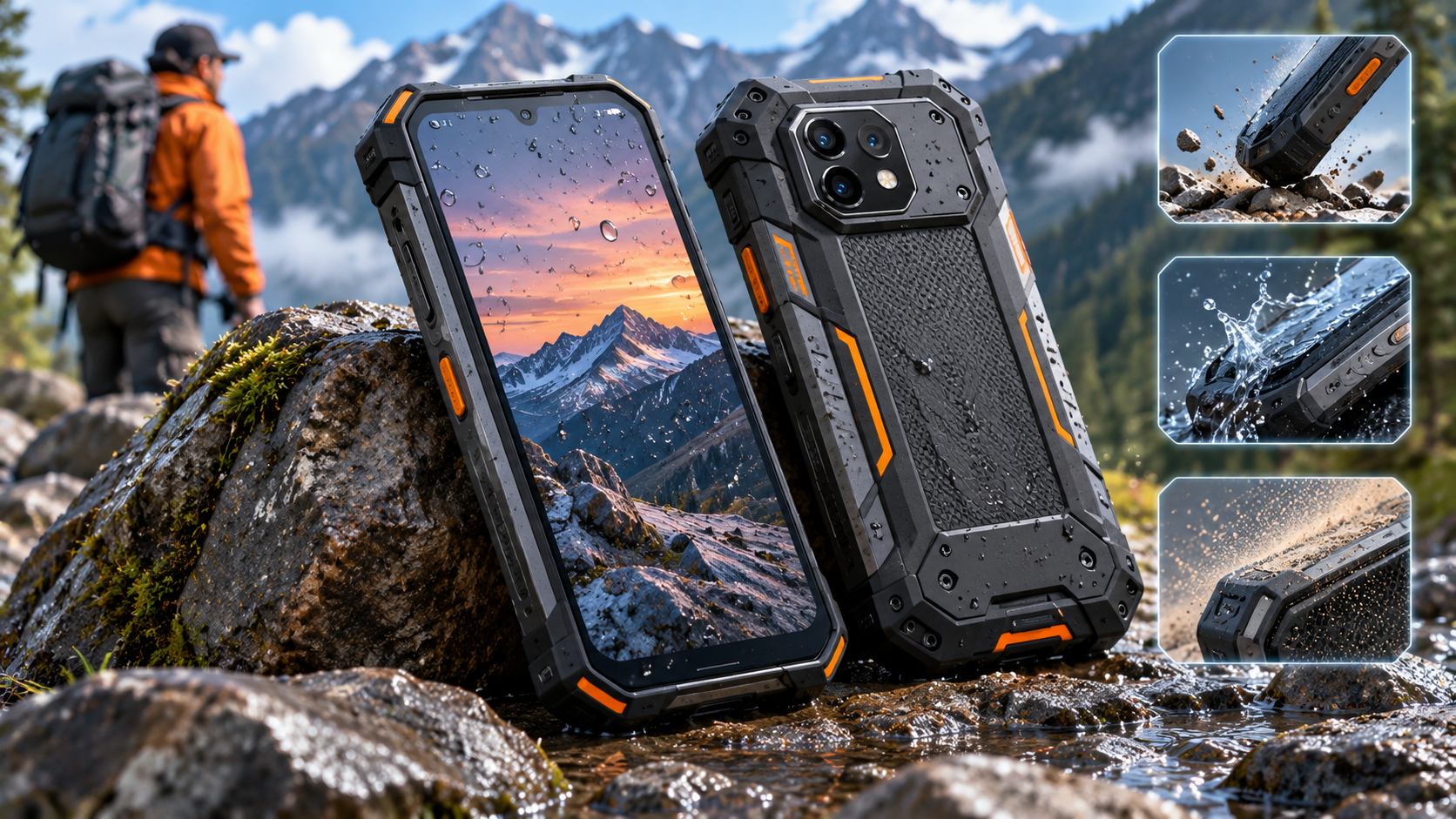
Rugged Smartphone Design encapsulates a fascinating journey through the evolution of mobile technology, showcasing how these devices have transformed to meet the demands of users in challenging environments. With a rich history that spans decades, rugged smartphones have emerged as essential tools for professionals in various sectors, from construction sites to outdoor adventures. This article delves into the key features, target audience, design challenges, and future trends surrounding rugged smartphones, providing a thorough understanding of this unique segment of the mobile market.
From early bulky models to sleek modern designs, the evolution of rugged smartphones is marked by significant technological advancements that have redefined user experience. As we explore the intricate details of this niche, we will uncover the driving forces behind their popularity and the innovative features that set them apart from standard models.
The Evolution of Rugged Smartphone Design Over the Years
Rugged smartphones have undergone significant transformation since their inception, designed to withstand the rigors of demanding environments while delivering essential functionality. Early models primarily focused on basic durability against drops and water exposure, often sacrificing aesthetics and advanced features for robustness. Over the years, however, the evolution of rugged smartphone design has seen a remarkable shift towards combining resilience with modern aesthetics and innovative technology.
The journey from bulky, utilitarian devices to sleek, feature-rich rugged smartphones illustrates how user expectations and technological advancements have shaped this niche market. The introduction of materials such as Gorilla Glass for screens and advanced polymer composites has revolutionized durability, allowing manufacturers to produce phones that can endure extreme conditions without the weight and bulk of earlier models. Improved manufacturing processes have also made it possible to create lightweight yet strong devices that are easier to carry without compromising on performance.
Major Technological Advancements Influencing Rugged Smartphone Design
Several key technological advancements have played a pivotal role in redefining rugged smartphone design. These include:
- Enhanced Display Technology: The advent of high-definition displays and Gorilla Glass has made screens not only more resilient against scratches and impacts but also visually appealing. This has allowed users to enjoy vibrant visuals in rugged conditions.
- Water and Dust Resistance Standards: The introduction of IP ratings (Ingress Protection) has become a benchmark for rugged smartphones, ensuring that devices can withstand harsh elements like water and dust. Models that achieve IP68 ratings are designed to be submerged in water for extended periods without damage.
- Advanced Battery Technology: The integration of high-capacity batteries and efficient power management systems has led to longer usage times. Rugged smartphones today often feature fast-charging capabilities, making them more practical for users who rely on their devices in the field.
- Improved Connectivity Features: Modern rugged phones come equipped with advanced connectivity options, including 5G capabilities, allowing users to stay connected in remote areas where traditional networks may be unreliable.
- Software Enhancements: The evolution of operating systems has also influenced rugged designs. Features like GPS tracking, push-to-talk capabilities, and enhanced security protocols cater to the specific needs of users in demanding environments.
User experience has significantly impacted the evolution of rugged smartphone features. The integration of user feedback has driven manufacturers to include ergonomic designs, intuitive interfaces, and customizable functionality that meet the demands of professionals in construction, military, and outdoor activities. Enhanced camera technology has also become a focus, providing users with quality imaging even in rugged scenarios. This shift emphasizes not only the need for durability but also a seamless experience that rivals standard smartphones. As rugged smartphones continue to evolve, they embody a balance between toughness and modern technology, catering to an increasingly discerning user base.
Key Features that Define Rugged Smartphones Today
Rugged smartphones are specifically designed for durability and resilience in harsh conditions, making them the go-to choice for outdoor enthusiasts, construction workers, and anyone needing a reliable device in challenging environments. These devices are engineered to withstand elements that would typically damage standard smartphones, integrating several key features that define their performance and usability.
Essential Features of Rugged Smartphones
Modern rugged smartphones stand out not just for their robust exterior but also for their advanced technology. A few key features contribute to their durability and functionality, including waterproofing, drop resistance, and dustproof ratings. These attributes are not merely beneficial; they are essential for ensuring that the device will continue to operate effectively under adverse conditions.
- Waterproofing: Many rugged smartphones boast impressive waterproof ratings, commonly following the IP68 standard. This means they can withstand submersion in water up to a certain depth for a specific duration. This feature is critical for users who work in wet environments or enjoy outdoor activities like hiking or boating, ensuring their devices remain functional even in rain or when accidentally dropped in water.
- Drop Resistance: With materials such as reinforced glass and sturdy frames, rugged smartphones are designed to survive falls from significant heights. Many models are tested to endure drops from at least six feet without sustaining damage. The ability to withstand such impacts is crucial for field workers who may inadvertently drop their devices while on the job.
- Dustproof Ratings: The dustproof characteristic ensures that the phones can operate in dusty environments without compromising performance. A high dustproof rating (like IP68) means that the device is completely sealed against dust ingress, making it suitable for construction sites or desert terrains.
Battery life and performance play a significant role in rugged smartphone functionality as well. Users of rugged devices often rely on them in remote locations where charging options may be limited. Therefore, manufacturers equip these phones with high-capacity batteries designed to last longer than traditional smartphone batteries.
Moreover, rugged smartphones often feature optimized processors to enhance performance while conserving battery life, allowing users to run demanding applications without frequent recharges. For instance, many rugged devices incorporate efficient energy management systems that adapt to user habits, extending battery life even further.
“In environments where every charge counts, a rugged smartphone’s battery performance can make all the difference, ensuring users stay connected when it matters most.”
With these defining features, rugged smartphones emerge as reliable companions for individuals requiring durability and performance in their devices. Their design not only prioritizes resilience but also incorporates advanced technology to meet the varying needs of users in challenging settings.
The Target Audience for Rugged Smartphones
Rugged smartphones have carved out a unique niche in the technology market, designed specifically for users who require durability and reliability in demanding environments. These devices are engineered to withstand extreme conditions, making them ideal for a variety of user groups. As we explore the primary audiences for rugged smartphones, we will look beyond mere functionality to address the specific needs of industries that benefit from the unique features these devices offer.
Primary User Groups and Their Needs
Rugged smartphones cater to several primary user groups, including professionals in the construction industry, outdoor enthusiasts, military personnel, and emergency responders. Each of these groups has distinct requirements that rugged smartphones are tailored to meet.
For the construction industry, where workers are frequently exposed to harsh conditions, rugged smartphones offer features such as drop resistance, water and dust protection, and long battery life. Construction workers often operate in environments filled with dust, debris, and moisture, which can damage regular smartphones. By utilizing rugged devices, professionals can ensure that their communication remains uninterrupted and that vital applications remain accessible, enhancing overall productivity on job sites.
Outdoor adventurers, such as hikers, climbers, and explorers, also find rugged smartphones indispensable. These devices are designed to endure extreme weather conditions—be it heavy rain, snow, or high humidity. A rugged smartphone equipped with GPS navigation and offline maps can be a lifesaver for outdoor enthusiasts who often venture into areas with limited connectivity. The ability to take photos and videos in challenging conditions without worrying about water damage further adds to the appeal of these devices.
In military applications, rugged smartphones serve critical roles. Soldiers operate in environments where durability is essential not just for protection against the elements, but also to maintain communication with their units and command centers. Features such as encryption and secure communications are vital for operational security. Furthermore, many rugged smartphones are built to meet military standards for shock and vibration resistance, ensuring they can withstand the rigors of combat situations.
Emergency responders, including firefighters and paramedics, also benefit from rugged smartphones. In emergencies, clear communication and quick access to information can save lives. These smartphones often include features like loudspeaker functions, high visibility displays, and compatibility with various emergency response applications, enabling first responders to perform their duties efficiently, even in chaotic environments.
The integration of these rugged features not only enhances safety for these user demographics but also significantly boosts productivity. By ensuring that devices remain operational under extreme stress, rugged smartphones empower users to focus on their tasks without the fear of equipment failure, ultimately leading to better outcomes in critical situations.
“Rugged smartphones are not just devices; they are essential tools that enhance safety and productivity across various demanding industries.”
Design Challenges in Creating Rugged Smartphones
Creating rugged smartphones involves a unique set of engineering challenges that revolve around the need for extreme durability without compromising functionality. Engineers must innovate to ensure that these devices withstand harsh environments including extreme temperatures, moisture, dust, and physical impacts while maintaining performance and usability. This balancing act requires not only advanced technology but also an understanding of user needs in challenging conditions.
One of the core challenges in designing rugged smartphones is integrating advanced protection features without adding excessive bulk. Rugged smartphones often utilize reinforced glass, rubberized edges, and specialized coatings to provide protection against drops and scratches. However, ensuring that these features do not impede the device’s usability or aesthetic appeal is crucial. For example, while thicker protective casings may enhance durability, they can also make the device cumbersome for everyday use.
Balancing Durability and Aesthetics
Striking a balance between durability and aesthetics is critical in rugged smartphone design. The goal is to create a device that not only withstands tough conditions but also appeals to users who value style and modern design. A rugged phone must look less like a piece of industrial equipment and more like a desirable gadget.
To achieve this, manufacturers employ sleek contours and ergonomic designs while ensuring that protective features remain effective. The use of materials that are both lightweight and robust helps maintain an appealing profile. For instance, some brands use aluminum alloys or carbon fiber composites that provide strength without the added weight of traditional materials.
Materials Contributing to Ruggedness
The choice of materials is pivotal in ensuring the ruggedness of smartphones. Common materials used in rugged smartphone construction include:
- Gorilla Glass: This chemically strengthened glass is highly resistant to scratches and impacts, making it ideal for rugged devices.
- Polycarbonate: This plastic is lightweight yet incredibly tough, often used for the phone’s body to resist drops and impacts.
- Rubberized coatings: These are applied to edges and corners to absorb shocks and prevent damage during falls.
- Aluminum and Titanium: Both metals offer excellent strength-to-weight ratios. They are often used in the frames of rugged smartphones to enhance durability.
Each of these materials contributes uniquely to the phone’s overall ruggedness, ensuring that it can endure the rigors of outdoor adventures or industrial environments. By selecting the right combination of these materials and integrating innovative design techniques, manufacturers can create smartphones that not only survive but thrive in extreme conditions.
Comparing Rugged Smartphones with Standard Models
Rugged smartphones have carved out a niche in the mobile device market, appealing to users who prioritize durability and resilience over sleek design and advanced features. While standard models emphasize aesthetics and cutting-edge technology, rugged smartphones focus on functionality in extreme conditions. This analysis will compare the two categories, highlighting their respective advantages and disadvantages for various user scenarios.
Rugged smartphones are built to withstand harsh environments, equipped with features that ensure they can survive drops, water, dust, and even extreme temperatures. On the other hand, standard smartphones often excel in performance metrics such as processing power, camera quality, and display resolution. Below is a comparative analysis of both types, illustrating the strengths and weaknesses based on different user needs.
Advantages and Disadvantages of Rugged and Standard Smartphones
Understanding the key differences in advantages and disadvantages helps users make informed decisions based on their specific situations. The following Artikels the main points of comparison:
- Durability: Rugged smartphones are constructed from tough materials, often rated with IP68 for water and dust resistance and MIL-STD-810G for drop resistance. Standard smartphones, while increasingly durable, typically lack this level of ruggedness and may require protective cases for similar protection.
- Performance: Standard models generally have superior processing power and graphics capabilities, catering to gaming and high-performance applications. Rugged models may have adequate performance but usually prioritize battery life and durability over raw processing specs.
- Features: Rugged phones may include specialized features like thermal imaging, push-to-talk capabilities, or even built-in flashlights, which can be invaluable in certain work environments. Standard smartphones offer advanced camera systems, high-resolution screens, and a wider selection of apps.
- Battery Life: Rugged smartphones often have larger batteries to sustain prolonged use in harsh conditions, making them suitable for outdoor adventures. Standard smartphones may offer fast charging and other battery-saving technologies but can struggle with longevity during heavy usage.
- Price: Rugged smartphones can be more expensive due to their specialized design and materials, while standard models can range widely in prices, often offering budget-friendly options.
Performance metrics that differentiate rugged smartphones from their non-rugged counterparts include:
- Drop Test Ratings: Rugged smartphones usually pass stringent drop tests, ensuring they can handle falls from significant heights.
- Ingress Protection Ratings: The IP rating signifies how well a device can resist dust and moisture, with rugged models generally achieving higher ratings.
- Temperature Resistance: Rugged devices are often tested to function in extreme temperatures, making them suitable for outdoor professionals.
- Battery Capacity: Rugged smartphones typically feature batteries with higher mAh ratings, enabling extended use without frequent recharging.
“Choosing between rugged and standard smartphones ultimately depends on lifestyle and needs—while rugged models excel in toughness, standard models shine in performance and versatility.”
Future Trends in Rugged Smartphone Design
Rugged smartphones have evolved significantly, combining durability with modern technology to meet the demanding needs of users in extreme environments. As we look ahead, several trends are likely to shape the future of rugged smartphone design, driven by advancements in technology and the evolving preferences of consumers.
Emerging technologies are set to play a crucial role in enhancing the capabilities of rugged smartphones. Artificial Intelligence (AI) and the Internet of Things (IoT) are two pivotal forces that may redefine how these devices function.
Impact of AI and IoT on Rugged Smartphones
AI integration is poised to elevate user experience by enabling advanced features such as predictive maintenance and real-time analytics. For instance, rugged smartphones equipped with AI can analyze user behavior, optimizing battery usage and automatically adjusting settings based on environmental conditions. This not only extends the device’s lifespan but also enhances efficiency in high-pressure situations, such as construction sites or outdoor expeditions.
The IoT is also set to revolutionize rugged smartphones. By connecting with various sensors and smart devices, these smartphones can serve as centralized control hubs. For example, a rugged smartphone used in agriculture could connect to soil sensors, weather stations, and irrigation systems, allowing farmers to monitor conditions and manage their crops more effectively. The synergy of AI and IoT in rugged smartphones will lead to increased functionality, transforming them into versatile tools for professional users.
As the design of rugged smartphones progresses, user feedback is becoming increasingly central to development. Manufacturers are now leveraging detailed insights from consumers who use these devices in extreme conditions. This input is critical for creating features that truly meet user needs and preferences.
User Feedback Shaping Rugged Smartphone Design
Understanding how users interact with rugged devices provides invaluable data for manufacturers. Common feedback highlights the necessity for improved ergonomics, customizable features, and enhanced battery life.
To illustrate, surveys have revealed that users often prioritize ease of use and comfort when handling rugged smartphones, particularly in physically demanding environments. As a result, future designs are likely to incorporate ergonomic grips and lightweight materials to improve user experience without compromising durability.
Moreover, customization options are becoming a focal point in rugged smartphone development. Users appreciate the ability to tailor features and applications to fit their specific work environments, whether it’s adjusting screen brightness for visibility in bright sunlight or enabling specific software for industry-related tasks. Manufacturers are increasingly recognizing these preferences, leading to the creation of modular devices that allow users to swap out components based on their needs.
Battery life remains a critical concern for users of rugged smartphones. Frequent feedback indicates that extended battery life is essential, especially for those in remote areas. As manufacturers innovate, we can expect advancements in battery technology, such as solar charging capabilities and energy-efficient processors, to become standard features in rugged smartphones.
In summary, the future of rugged smartphone design is undoubtedly bright, with AI and IoT paving the way for smarter, more integrated devices. Coupled with direct user feedback that continuously informs design choices, rugged smartphones are set to evolve into even more robust tools, meeting the diverse needs of users in challenging environments.
Environmental Considerations in Rugged Smartphone Production
Producing rugged smartphones presents unique environmental challenges and opportunities, particularly as the demand for durable devices grows. While these smartphones are designed to withstand extreme conditions, the production process can lead to significant ecological footprints. Understanding these impacts is critical for manufacturers and consumers alike.
The environmental impact of rugged smartphone production stems largely from the materials used and the energy consumed during manufacturing. Traditional smartphones often rely on lightweight plastics and metals, but rugged devices frequently utilize more robust materials like reinforced glass and high-grade metals, which can require more energy-intensive processes. This raises concerns about resource extraction, including mining for metals like lithium, cobalt, and nickel, which are essential for batteries and electronic components. The extraction process can disrupt ecosystems and contribute to pollution and greenhouse gas emissions. As such, it is essential for companies to adopt sustainable practices to mitigate these effects.
Sustainable Materials and Practices in Manufacturing
To counteract the environmental impacts, many manufacturers are increasingly focusing on sustainable materials and practices. The use of recycled materials in the production of rugged smartphones has started to gain traction. For instance, some brands are incorporating recycled aluminum into their chassis, significantly reducing the energy required for production compared to virgin materials. Additionally, bioplastics derived from renewable resources are being explored to replace conventional plastics in certain components, lessening dependency on fossil fuels.
Companies are also implementing energy-efficient manufacturing processes to reduce their overall carbon footprint. By investing in renewable energy sources, such as solar and wind power, manufacturers can minimize their reliance on fossil fuels during production. Furthermore, adopting lean manufacturing principles helps to reduce waste and optimize resource use, ensuring that materials are used efficiently throughout the production cycle.
The challenge of electronic waste (e-waste) is another critical concern in the rugged smartphone market. With the rapid advancement of technology, devices can quickly become obsolete, leading to increased waste. Many manufacturers are taking proactive steps to address this issue by promoting recycling initiatives. For instance, some companies offer buy-back programs that encourage customers to return their old devices for recycling. This not only helps to keep hazardous materials out of landfills but also allows the recovery of valuable resources for reuse in new products.
Additionally, educational campaigns aimed at informing consumers about the importance of proper e-waste disposal are being launched. By encouraging recycling and responsible disposal, manufacturers are fostering a culture of sustainability that can have a lasting impact on the electronic industry as a whole. As the rugged smartphone market continues to evolve, the integration of sustainable practices and materials will be vital for minimizing environmental impacts and promoting a circular economy in technology.
The Role of User Feedback in Rugged Smartphone Design
User feedback plays a crucial role in shaping the features and designs of rugged smartphones. As these devices cater to users who often find themselves in challenging environments, understanding their experiences and suggestions is vital for manufacturers aiming to create products that truly meet their needs. Listening to the voices of users not only enhances product functionality but also fosters brand loyalty and improves overall user satisfaction.
Feedback from users helps identify which features are most important in rugged smartphones. For example, many users have emphasized the need for improved battery life. In response, manufacturers have implemented larger batteries and energy-efficient processors. Additionally, feedback regarding the grip and texture of the device has led to the integration of more ergonomic designs and materials that provide better handling. The ruggedness of a smartphone is not solely about durability; it also encompasses usability in real-world scenarios.
User Experience-Driven Design Changes
Manufacturers regularly implement design changes based on user experiences and suggestions. One notable example is the evolution of waterproofing standards. Users frequently reported issues with the reliability of waterproof claims, leading companies like CAT and Samsung to conduct rigorous testing and improve their waterproof certifications. This resulted in devices that not only withstand water immersion but also effectively resist dust and dirt penetration.
Another significant design change was prompted by user feedback regarding the screen’s durability. Users expressed concerns about screen fragility in tough environments, leading to the adoption of enhanced glass technology such as Gorilla Glass. The integration of this technology has drastically reduced instances of screen breakage, addressing a common pain point among users.
User testing is an integral part of the development phase for rugged smartphones. Manufacturers often conduct comprehensive field tests, where a select group of users utilizes the device in real-life conditions. This process allows developers to gather valuable insights about the device’s performance under various stresses, such as extreme temperatures, drops, and exposure to elements. Focus groups and surveys are also employed post-testing to refine features and functionalities based on user impressions, ensuring the final product aligns closely with user expectations.
Final Review
In conclusion, the world of Rugged Smartphone Design is as dynamic as the environments in which these devices are used. As we look ahead, the fusion of emerging technologies with user feedback promises to shape the next generation of rugged smartphones, ensuring they continue to meet the needs of their dedicated user base. By balancing durability with cutting-edge features, rugged smartphones are not only surviving but thriving in today’s fast-paced technological landscape.
Popular Questions
What makes a smartphone rugged?
A rugged smartphone is designed with enhanced durability features such as waterproofing, dust resistance, and drop protection to withstand extreme conditions.
Are rugged smartphones heavier than standard phones?
Typically, rugged smartphones are a bit heavier due to the materials used for added protection, but advancements in technology are improving their weight without sacrificing durability.
Can rugged smartphones be used for regular tasks?
Yes, rugged smartphones can perform all regular tasks such as calling, texting, and running apps while offering added durability for tough environments.
How do rugged smartphones compare in battery life?
Rugged smartphones often have larger batteries to support extended use in field settings, leading to longer battery life compared to standard models.
Are rugged smartphones more expensive than regular smartphones?
Generally, rugged smartphones can be more expensive due to their specialized features and materials, but prices vary based on brand and specifications.