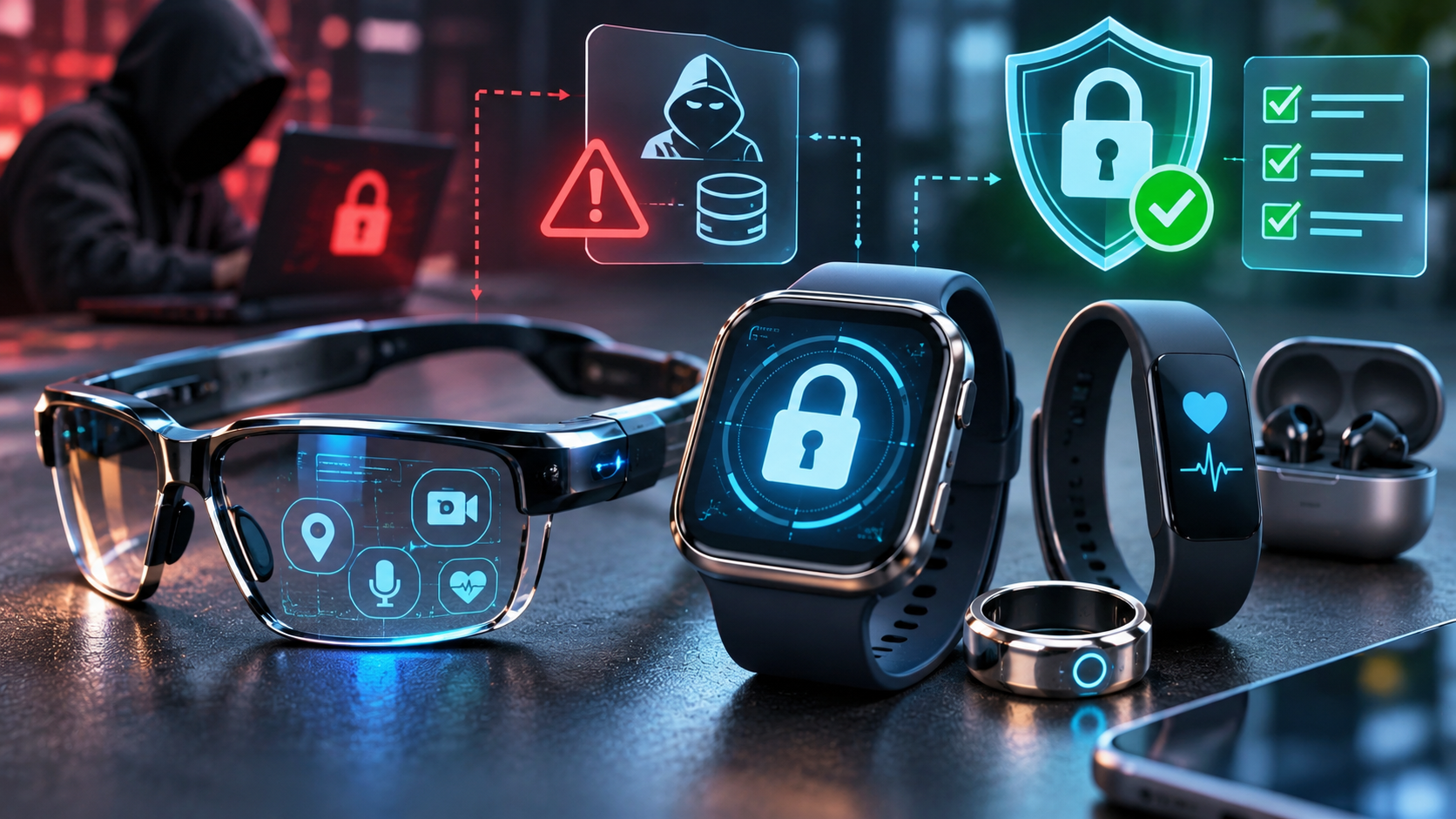
Wearable Device Privacy Risks are becoming increasingly relevant as technology integrates more deeply into our daily lives. These devices, ranging from fitness trackers to smartwatches, collect vast amounts of personal data that can significantly impact users’ privacy. As wearables evolve, they offer benefits but also introduce new challenges regarding data security and privacy management.
The historical development of wearable technology showcases a fascinating journey marked by innovation and consumer adoption. From early devices to today’s advanced models, advancements in technology have dramatically shaped user habits and expectations, making it crucial to navigate the accompanying privacy risks. Understanding these risks is essential for users to make informed decisions about their wearable devices.
Understanding the Evolution of Wearable Devices
The journey of wearable devices has been transformative, marking a significant shift in how technology interacts with our daily lives. From basic fitness trackers to advanced smartwatches, wearable technology has continually evolved to enhance user experience and engagement. This evolution reflects not only advancements in technology but also changes in user habits, preferences, and the overall approach to health and fitness.
Wearable devices have a rich history, beginning as simple tools that monitored physical activity. The concept can be traced back to the 1960s with the introduction of the first pedometers. However, it wasn’t until the 2000s that wearable technology began to gain mainstream attention, largely due to advancements in microelectronics and wireless communications. This era saw the emergence of fitness trackers and smartwatches, which combined traditional functionalities with digital capabilities. As technology progressed, so did the complexity and utility of these devices, integrating features such as heart rate monitoring, GPS tracking, and smartphone notifications.
Technological Advancements Driving Wearable Technology
Several key technological advancements have significantly contributed to the rise of wearable technology. These innovations have transformed how users engage with their devices and have expanded the functionalities available to them.
Firstly, the development of compact sensors has allowed for more accurate and diverse data collection. Devices can now track not only steps but also heart rate, sleep patterns, and even stress levels, providing users with a comprehensive view of their health.
Secondly, advancements in battery technology have played a crucial role. Longer-lasting batteries enable users to wear devices without frequent charging, thus promoting continuous monitoring and engagement.
Additionally, the integration of artificial intelligence and machine learning into wearable devices has enhanced their capabilities. For example, smartwatches can now analyze user data to provide personalized health recommendations, making the technology more intuitive and user-friendly.
Key milestones in the history of wearable devices include the launch of the Fitbit in 2009, which popularized fitness tracking, and Apple’s introduction of the Apple Watch in 2015, which redefined the smartwatch category. These devices have not only set trends but have also influenced consumer habits, encouraging users to adopt healthier lifestyles through increased awareness and motivation.
The evolution of wearable devices continues to shape how we approach personal health management, making technology an indispensable part of our daily routines.
Identifying Privacy Risks Associated with Wearable Devices
Wearable devices have surged in popularity, offering users a range of functionalities from fitness tracking to health monitoring. However, with their increasing use comes a host of privacy risks that users may not fully comprehend. The very features that make wearable devices appealing can also expose users to significant privacy threats, as sensitive data is constantly collected, stored, and potentially shared without adequate safeguards.
Wearable devices typically gather extensive amounts of personal data, raising substantial privacy concerns. For instance, devices like smartwatches and fitness trackers collect data such as heart rate, sleep patterns, physical activity levels, and even location information. This data, when aggregated, can create comprehensive profiles of users, revealing not just their health metrics but also their daily routines, preferences, and even emotional states.
In addition to health data, wearable devices often interface with mobile apps and cloud services, creating additional layers of vulnerability. The potential for data breaches increases as these platforms may not always implement robust security measures. For example, if a fitness tracker storing a user’s health metrics is compromised, the hacker gains access to sensitive information that could lead to identity theft or unauthorized medical interventions.
Types of Privacy Risks with Wearable Devices
The privacy risks associated with wearable devices can be categorized into several key types, each with its own implications for users. Understanding these risks is crucial for maintaining personal privacy.
- Data Exposure: Wearables frequently transmit data to cloud services for analysis. If these services experience a data breach, sensitive user information may be exposed.
- Location Tracking: Many wearable devices utilize GPS for location tracking. This information can be exploited, leading to stalking or unwanted surveillance.
- Third-party Data Sharing: Users often unknowingly consent to share their data with third-party applications, which can lead to information being sold or misused.
- Lack of Encryption: Some wearable devices do not encrypt data, making it easier for hackers to intercept and exploit sensitive information during transmission.
The consequences of data breaches involving wearable technologies can be severe. Users may face financial loss, identity theft, or even reputational damage if their health data is misused. In extreme cases, compromised health data can lead to discrimination by employers or insurance companies. As wearable technology continues to evolve, the importance of understanding and mitigating these privacy risks becomes increasingly crucial for users aiming to protect their personal information.
The Role of Data Encryption in Protecting Wearable Device Privacy
Wearable devices have become an integral part of our daily lives, collecting vast amounts of personal information ranging from health metrics to location data. As these devices gather sensitive information, ensuring the privacy and security of that data becomes paramount. Data encryption plays a crucial role in safeguarding personal information collected by wearable technology, serving as the first line of defense against unauthorized access and breaches.
Data encryption transforms readable information into an unreadable format using algorithms, ensuring that only authorized users with the correct decryption keys can access the original data. This technique is essential in protecting sensitive data stored within wearable devices, as it mitigates risks associated with data theft, especially in an era where cyber threats are increasingly sophisticated. Once encrypted, even if a hacker gains access to the data, they will find it nearly impossible to interpret without the appropriate keys.
Encryption Methods Used in Wearable Technology
Various encryption methods are employed in wearable devices, each with its effectiveness and suitability. Understanding these methods can provide insights into how different manufacturers prioritize user privacy. Below are some commonly used encryption methods in this field:
1. Advanced Encryption Standard (AES): AES is one of the most widely used encryption standards globally. It provides a high level of security and is used by various wearable devices to encrypt user data, ensuring confidentiality.
2. RSA Encryption: Used for secure data transmission, RSA employs a public-key cryptographic system where data is encrypted with a public key and can only be decrypted with a corresponding private key. This method is often applied in the initial key exchange between devices.
3. Elliptic Curve Cryptography (ECC): ECC offers similar security to RSA but with smaller key sizes, making it more efficient for devices with limited processing power and battery life. It is becoming increasingly popular in wearable technology.
4. Transport Layer Security (TLS): This protocol is used to secure communications over a network, often in conjunction with other encryption methods. TLS ensures that data sent between wearable devices and servers remains private and secure.
The effectiveness of these encryption methods can vary based on the implementation and the specific use case. For instance, while AES provides robust security, its performance can be impacted by the device’s hardware capabilities. Therefore, manufacturers must balance security and performance to ensure a seamless user experience.
Comparative analysis of encryption standards followed by various wearable device manufacturers reveals discrepancies in their approach to data privacy. Companies like Apple and Fitbit have invested heavily in AES encryption, coupled with robust security features, providing users with confidence in their data protection. Conversely, some lesser-known brands may use outdated or less effective encryption methodologies, increasing the risk of data breaches.
In summary, data encryption is a cornerstone of wearable device privacy, protecting personal information from unauthorized access and ensuring user trust in these increasingly popular technologies.
User Awareness and Education Regarding Wearable Device Privacy
As wearable devices continue to integrate into daily life, their convenience comes with significant privacy concerns. Users must be educated on how to protect their sensitive information while enjoying the benefits these technologies offer. By understanding best practices for privacy, individuals can engage with wearable technology more safely and confidently.
Informed consent is a cornerstone of privacy in the context of wearable technology. Users have the right to understand how their data is collected, stored, and shared. This awareness is crucial in making informed decisions about the wearable devices they choose to use. Companies must be transparent about their data policies, allowing users to actively participate in safeguarding their personal information. The importance of this transparency cannot be overstated; it fosters trust between users and manufacturers, ultimately leading to a more secure digital environment.
Best Practices for Ensuring Privacy with Wearable Devices
Adopting best practices can greatly enhance privacy protection. Below are essential strategies users should consider when using wearable technology:
- Review Privacy Settings: Regularly check and adjust privacy settings on wearable devices and associated apps to limit data sharing.
- Understand Data Collection: Familiarize yourself with what data your device collects and how it’s used. This knowledge empowers users to make informed choices.
- Utilize Strong Passwords: Protect accounts linked to wearable devices with unique, strong passwords and enable two-factor authentication when available.
- Limit App Permissions: Only grant necessary permissions to apps connected to your wearable; avoid sharing excessive information.
- Stay Updated: Keep the device firmware and applications updated to safeguard against vulnerabilities that could compromise data security.
In addition to best practices, users can access a variety of resources to further their understanding of privacy risks associated with wearable devices. Educational materials can help users navigate the complexities of data security and informed consent.
- Government Resources: Websites like the Federal Trade Commission (FTC) provide guidance on consumer privacy rights and best practices.
- Industry Reports: Organizations such as the Electronic Frontier Foundation (EFF) publish comprehensive analyses and recommendations regarding wearable technology privacy.
- Webinars and Workshops: Many technology advocacy groups offer online sessions aimed at educating users about privacy risks and digital safety.
- Privacy Advocacy Groups: Organizations like the Privacy Rights Clearinghouse provide resources and information specific to personal data protection.
“Understanding your privacy rights is crucial when engaging with wearable technology.”
Legal and Regulatory Framework Surrounding Wearable Device Privacy
The rise of wearable devices has transformed personal health monitoring and data collection, leading to significant legal and regulatory considerations regarding user privacy. As these devices collect sensitive personal data, the necessity for robust legal frameworks to protect user privacy has become increasingly urgent. Various laws and regulations are now in place to safeguard the data collected by these devices, but gaps remain that expose users to potential privacy breaches.
Current Laws and Regulations
Several legal frameworks govern the privacy of data collected by wearable devices. In the United States, the Health Insurance Portability and Accountability Act (HIPAA) provides critical protections for medical data, including information generated by wearables in a healthcare context. Meanwhile, the Federal Trade Commission (FTC) enforces privacy protections through its authority over deceptive and unfair business practices. One significant regulation, the General Data Protection Regulation (GDPR), is effective in the European Union and emphasizes user consent, data minimization, and the right to access personal data.
The California Consumer Privacy Act (CCPA) offers additional rights for consumers, allowing them to know what personal data is collected and the ability to delete it. These laws collectively aim to establish a baseline of protection, ensuring that consumers are informed about their data usage.
Gaps in Existing Regulations
Despite the existing legal frameworks, several gaps leave users vulnerable to privacy breaches. For instance, many wearable devices do not fall under HIPAA when used for non-medical purposes, meaning they may not be subject to strict privacy safeguards. Additionally, there is a lack of comprehensive regulations specifically targeting the Internet of Things (IoT), which includes a broad range of wearables.
Furthermore, the enforcement of existing laws can be inconsistent, with many companies opting for vague privacy policies that complicate user understanding. The rise of data brokers further complicates the landscape, as they can buy and sell personal information without explicit user consent, undermining existing protections.
International Approaches to Wearable Device Privacy
Internationally, approaches to wearable device privacy regulations vary significantly in effectiveness. The GDPR stands out as a robust framework, granting users extensive rights and imposing heavy fines for non-compliance. Countries like Canada have implemented the Personal Information Protection and Electronic Documents Act (PIPEDA), which shares similarities with GDPR but lacks some of its stringent provisions.
In contrast, countries with less comprehensive regulations may expose users to increased risks. For example, nations lacking specific data protection laws can lead to widespread data misuse and exploitation. Comparatively, regions with proactive regulatory measures have demonstrated greater effectiveness in protecting user privacy and ensuring accountability among wearable device manufacturers.
Ultimately, as wearable technology continues to advance, the need for a cohesive and comprehensive global regulatory approach to privacy will become increasingly vital to safeguard user data across borders.
Future Trends in Wearable Device Privacy and Security
As wearable devices continue to evolve, so do the associated privacy and security risks. The future landscape of these devices is likely to be shaped by a confluence of technological advancements and shifting user expectations. Understanding how these elements interplay is crucial for both manufacturers and consumers as they navigate the intricacies of personal data protection in this digital age.
One of the most anticipated advancements in the realm of wearable device privacy is the integration of enhanced encryption technologies. Manufacturers are increasingly exploring advanced algorithms that are more robust and resistant to hacking attempts. For instance, quantum encryption is on the horizon, promising unparalleled levels of security for data transmitted from devices to cloud servers. This type of encryption uses the principles of quantum mechanics to safeguard information, making it virtually impossible for unauthorized users to intercept or decipher the data.
Advancements in artificial intelligence (AI) and machine learning (ML) will also play a pivotal role in enhancing privacy protection. These technologies can analyze user behavior patterns to identify anomalies that may indicate a security breach. By employing predictive analytics, manufacturers could preemptively safeguard user data even before a breach occurs, offering a layer of protection that is reactive as well as proactive.
Emerging Trends in User Privacy Expectations
As consumers become more aware of their digital footprints, expectations around privacy in wearable technology are also evolving. Users are increasingly demanding greater transparency from manufacturers regarding data collection and usage practices. They expect clear communication about what data is being gathered, how it is stored, and who has access to it. This transparency trend is prompting companies to adopt more user-friendly privacy policies and to integrate privacy-by-design principles into their products from the ground up.
Moreover, there is a notable shift towards user-controlled data. Consumers are seeking solutions that empower them to manage their data actively. For instance, features enabling users to opt-in or out of certain data-sharing functionalities are gaining traction. This trend reflects a broader societal push for individual autonomy over personal information, compelling manufacturers to adapt their strategies accordingly.
In response to these emerging expectations, manufacturers are planning to enhance user privacy in the next generation of wearable technology. This includes the implementation of decentralized data storage solutions, such as blockchain, which allows for greater control over personal data. By distributing data across a network rather than storing it in a single location, the risks associated with data breaches can be significantly mitigated. Additionally, wearable devices are likely to incorporate more user-friendly consent management tools, allowing users to make informed decisions about their data in real time.
Overall, the future of wearable device privacy and security is set to evolve dramatically, driven by technological advancements and changing user expectations. The proactive measures manufacturers take today will define their success in navigating the complex privacy landscape of tomorrow.
Ending Remarks
In summary, addressing Wearable Device Privacy Risks requires a collaborative effort among manufacturers, users, and regulatory bodies. As technology continues to advance, it is vital for users to stay informed about potential privacy breaches and the measures they can take to protect their personal information. By prioritizing data protection and embracing best practices, users can enjoy the benefits of wearable technology while safeguarding their privacy.
Q&A
What data do wearable devices collect?
Wearable devices typically collect data such as heart rate, physical activity, sleep patterns, location, and personal health metrics.
How can I protect my privacy when using wearables?
To protect your privacy, regularly review privacy settings, limit data sharing, and use strong passwords or biometric locks.
Are all wearable devices equally secure?
No, security varies by manufacturer; it’s important to research and choose devices with robust encryption and privacy features.
Can wearable devices be hacked?
Yes, like any internet-connected device, wearables can be vulnerable to hacking if not properly secured.
What should I do if my data is compromised?
If your data is compromised, change your passwords immediately and report the incident to the device manufacturer and relevant authorities.