Online payment systems have transformed the way we conduct transactions in our increasingly digital world. As more consumers turn to the internet for shopping and services, understanding how these payment systems work is essential for both businesses and buyers. This landscape is marked by the convenience of making purchases at the click of a button, yet it also poses questions about security and efficiency.
At their core, online payment systems enable the transfer of funds electronically between consumers and businesses, eliminating the need for physical cash or checks. Unlike traditional payment methods, online payments offer speed and convenience, but they also come with their own set of challenges, such as security concerns and processing fees. In this overview, we will explore the various aspects of online payment systems, including their functionality, security measures, the rise of mobile payments, and emerging trends that are shaping the future of financial transactions.
Understanding the Basics of Online Payment Systems
Online payment systems have revolutionized the way transactions are conducted in today’s digital economy. These systems enable individuals and businesses to engage in financial exchanges over the internet, facilitating quick and secure payment processing. With the rise of e-commerce and digital marketplaces, understanding how these systems function is essential for both consumers and merchants alike.At their core, online payment systems work by enabling users to send and receive money electronically, often using credit cards, debit cards, or digital wallets.
When a customer makes a purchase online, the transaction is securely processed through a payment gateway. This gateway acts as a bridge between the customer’s bank and the merchant’s bank, ensuring that sensitive information is encrypted and transmitted safely. The process typically involves the following steps: a customer selects items for purchase, enters payment details, and submits the transaction. The payment gateway verifies the information, processes the payment, and confirms the transaction to the merchant and the customer.
Differences Between Traditional Payment Methods and Online Payments
The shift from traditional payment methods, such as cash and checks, to online payments has brought along a mix of advantages and disadvantages. Understanding these distinctions can help users make informed choices about their transaction methods.Traditional payment methods require physical presence, which can be limiting in today’s fast-paced world. In contrast, online payments offer convenience, allowing transactions to occur anytime and from anywhere with internet access.
Here are some notable differences:
| Payment Method | Advantages | Disadvantages | Examples |
|---|---|---|---|
| Cash | Immediate transaction completion | No tracking, risk of loss | Physical currency |
| Checks | Easy to track for budgeting | Longer processing times | Personal checks |
| Credit/Debit Cards | Wide acceptance, rewards programs | Potential for fraud, interest charges | Visa, MasterCard |
| Digital Wallets | Fast, secure transactions | Dependency on technology | PayPal, Apple Pay |
Online payment systems enhance the shopping experience by providing flexibility, efficiency, and security, while traditional methods may still be preferred for certain transactions due to their reliability and ease of use. The ongoing evolution of payment technologies continues to shape how we conduct financial transactions in both online and offline environments.
Analyzing Security Measures in Online Payments
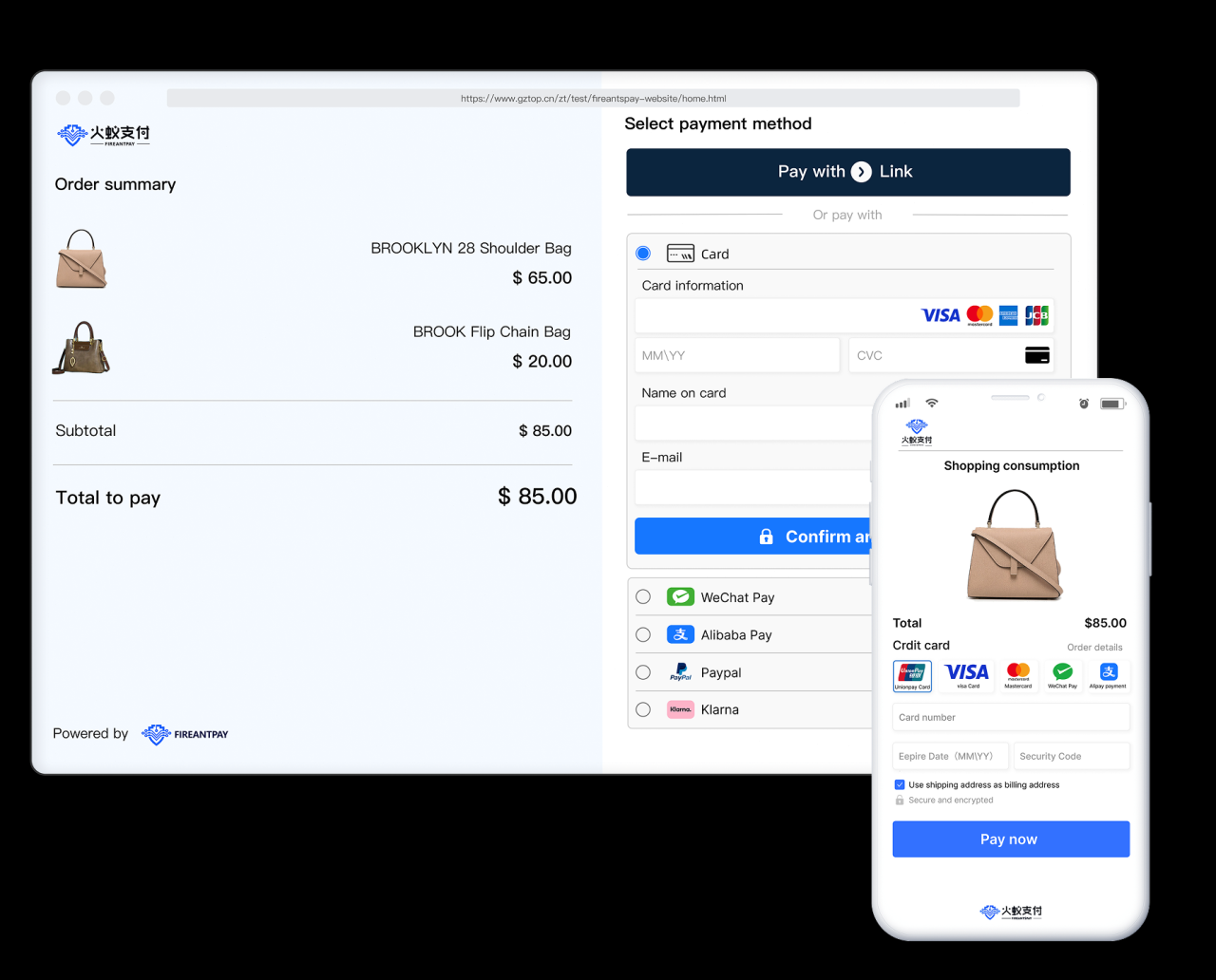
The rapid growth of e-commerce has made secure online payments a top priority for both consumers and businesses. With sensitive information being shared over the internet, understanding the security measures that protect these transactions is crucial. This analysis delves into the various protocols designed to ensure the safety of online payments, highlighting encryption, authentication methods, and practical tips for consumers and businesses alike.
Security Protocols in Online Payments
Online payments are protected through various security protocols that work together to ensure the integrity and confidentiality of transactions. Two fundamental aspects of online payment security are encryption and authentication. Encryption transforms sensitive data into an unreadable format, making it inaccessible to unauthorized users. The most common encryption standard is the Advanced Encryption Standard (AES), which is widely used to secure payment data during transmission.
Another critical encryption method is Transport Layer Security (TLS), which protects the data exchanged between a user’s browser and a website, ensuring that personal and financial information remains private.
Authentication methods add another layer of security. Multi-factor authentication (MFA) requires users to provide two or more verification factors to gain access to their accounts, significantly reducing the likelihood of unauthorized transactions. For example, after entering a password, a user might receive a code via SMS that they must also enter to complete a transaction. This dual verification process enhances security by ensuring that even if a password is compromised, unauthorized access can still be prevented.
Consumers can take proactive steps to protect their online payments. Key practices include:
- Always checking for HTTPS in the web address, ensuring that the site is secure.
- Utilizing strong, unique passwords for different accounts and changing them regularly.
- Monitoring bank statements and transaction histories for any unauthorized activity.
- Being cautious about public Wi-Fi networks, which can expose transactions to potential threats.
Red flags to watch for include unexpected emails or messages asking for personal information, websites that do not display security certificates, and deals that seem too good to be true. Recognizing these signs can help consumers avoid falling victim to cyber threats.
To enhance payment security, businesses should adopt the following best practices:
- Implement TLS for all online transactions to encrypt sensitive data.
- Use secure payment gateways that are PCI DSS compliant to handle payment processing.
- Regularly update software and security systems to protect against vulnerabilities.
- Educate employees on recognizing phishing attempts and other cyber threats.
- Offer customers the option for multi-factor authentication during logins and transactions.
By staying informed and adhering to these security measures, both consumers and businesses can contribute to a safer online payment environment, reducing the risk of fraud and enhancing trust in e-commerce transactions.
The Role of Mobile Payments in Modern Transactions
The rise of mobile payments has revolutionized the way consumers engage in transactions. With the rapid adoption of smartphones and advancements in technology, mobile payment methods have become a staple in modern commerce. This shift has drastically changed customer purchasing behaviors, making transactions more convenient, quicker, and often more secure. Consumers increasingly prefer the ease of tapping their phones instead of fumbling for cash or cards, indicating a significant shift in how we think about money management and purchasing.Mobile payment systems utilize innovative technologies such as Near Field Communication (NFC) and Quick Response (QR) codes to facilitate seamless transactions.
NFC allows devices to communicate wirelessly over short distances, enabling users to make payments by simply tapping their smartphone against a payment terminal. This technology enhances the user experience by reducing wait times and minimizing the steps required to complete a purchase. On the other hand, QR codes provide an accessible way to conduct transactions by scanning a code with a smartphone camera, directing users to a payment page without needing specialized hardware.
This versatility means that mobile payments can easily be integrated into various business models, from retail to services.
Comparative Analysis of Popular Mobile Payment Platforms, Online payment
When considering mobile payment solutions, it’s essential to evaluate their features and user-friendliness. Below is a comparative analysis of some of the leading mobile payment platforms:
| Platform | Features | User-Friendliness |
|---|---|---|
| Apple Pay |
|
Highly user-friendly, especially for Apple device users |
| Google Pay |
|
Intuitive interface and easy to set up |
| PayPal |
|
Simple to navigate with extensive online resources |
| Venmo |
|
Very user-friendly, especially for younger demographics |
This table highlights the diverse features and varying levels of user-friendliness among different platforms, illustrating how consumers can choose the best service tailored to their needs. The implications of mobile payments extend beyond mere convenience; they have transformed expectations around speed, security, and accessibility in the retail environment. Through these advancements, customers are now accustomed to instantaneous transactions, reshaping their purchasing habits and preferences.
Evaluating the Impact of Online Payment Fees on Businesses
In today’s digital economy, online payment processing has become essential for businesses of all sizes. However, the associated fees can significantly influence operational costs and profitability. Understanding these fees is crucial for businesses to manage their budgets effectively and maintain healthy profit margins.Online payment processing fees can vary widely and typically include transaction fees, monthly fees, chargeback fees, and cross-border fees.
Transaction fees are often charged as a percentage of the sale plus a flat fee per transaction. For example, a common fee structure might be 2.9% + $0.30 per transaction. This means for a $100 sale, the business would pay $3.20 in fees. Monthly fees might be flat charges for maintaining the account, while chargeback fees arise when customers dispute a transaction.
Cross-border fees apply to international transactions and can further add to the cost. The cumulative effect of these fees can be substantial, especially for businesses with tight margins or high sales volumes.
Comparative Analysis of Online Payment Processor Fees
Different online payment processors present varied fee structures, which can substantially impact a business’s bottom line. For instance, PayPal might charge higher transaction fees than Stripe, which offers a flat rate that can be more favorable for businesses with larger average transaction amounts. Businesses must analyze these costs in the context of their sales volume and pricing strategies. For example, a small e-commerce store processing $10,000 a month in sales might find PayPal’s fees to be manageable, while a larger retailer processing $100,000 may benefit more from a service like Square, which offers tiered pricing as sales increase.
Understanding the fee structure of each processor allows businesses to forecast their expenses more accurately.To minimize online payment fees while still offering convenient options for customers, businesses can adopt several creative strategies.
- Negotiate Fees: Larger businesses with substantial transaction volumes can often negotiate lower fees with their processors.
- Choose the Right Processor: Selecting a processor that aligns with the business’s sales model can significantly reduce costs.
- Encourage Alternative Payment Methods: Offering methods like ACH payments or direct debit can lower transaction costs.
- Implement a Minimum Purchase Requirement: Setting a minimum threshold for credit card transactions can help offset fees.
- Leverage Subscription Models: Subscription services can provide predictable revenue and potentially lower transaction fees.
By understanding the nuances of online payment fees and considering strategic options, businesses can enhance their profitability without sacrificing customer convenience.
“Understanding payment fees is as critical as managing overall business finances.”
Exploring Future Trends in Online Payment Technologies

The digital payment landscape is rapidly evolving, driven by technological advancements and changing consumer behaviors. As we enter an era where convenience and security are paramount, emerging technologies such as blockchain, cryptocurrencies, and artificial intelligence are transforming the online payment industry. Understanding these trends is essential for businesses and consumers alike, as they shape the future of financial transactions.Blockchain and cryptocurrencies are becoming increasingly relevant in online payments.
Blockchain technology offers a decentralized, transparent, and secure method of recording transactions, which significantly enhances trust between parties. Cryptocurrencies, such as Bitcoin and Ethereum, allow for peer-to-peer transactions that can bypass traditional banking systems, reducing fees and processing times. Additionally, the emergence of stablecoins—cryptocurrencies pegged to stable assets—promises to mitigate volatility and make cryptocurrency transactions more appealing for everyday use.
As regulatory frameworks evolve, we can expect wider acceptance of these digital currencies by businesses and consumers, potentially reshaping how we think about money.
Artificial Intelligence in Payment Processing and Fraud Detection
Artificial intelligence is playing a pivotal role in optimizing payment processing and enhancing security through advanced fraud detection mechanisms. By analyzing vast amounts of transaction data, AI algorithms can identify unusual patterns that may indicate fraudulent activity. This capability allows for real-time monitoring and quicker responses to potential threats, significantly reducing losses for businesses and consumers.The integration of AI not only improves security but also streamlines the payment experience.
Chatbots and virtual assistants are being employed by many companies to handle customer inquiries and facilitate transactions seamlessly. Furthermore, machine learning models are continuously improving, enabling systems to adapt to new fraud tactics and enhance predictive capabilities.To illustrate the expected advancements in online payment systems over the next decade, the following table summarizes key trends:
| Trend | Description |
|---|---|
| Increased Use of Cryptocurrencies | More businesses will accept cryptocurrencies for payment, driven by consumer demand and regulatory support. |
| Adoption of Biometric Authentication | Payment systems will integrate biometric verification (fingerprints, facial recognition) to enhance security. |
| Integration of AI for Personalization | AI will enable personalized payment experiences, predicting consumer preferences and tailoring offers. |
| Expansion of Contactless Payments | Contactless payment methods will gain traction as consumers prefer fast, convenient transaction options. |
| Regulatory Developments | Governments will establish clearer regulations for cryptocurrencies, impacting their use in online transactions. |
The future of online payment technologies promises to be dynamic and innovative, driven by the convergence of blockchain, artificial intelligence, and evolving consumer expectations. As companies stay ahead of these trends, they will not only enhance their operational efficiencies but also improve customer satisfaction by offering secure, fast, and user-friendly payment options.
Understanding Consumer Behavior Towards Online Payments
The rise of online payment methods has transformed the consumer landscape, with digital solutions becoming increasingly prevalent in our daily transactions. Analyzing consumer behavior towards these payment options reveals not only the psychological factors that influence trust and adoption but also the preferences that shape their choices. Understanding these dynamics is crucial for businesses aiming to enhance customer experience and foster loyalty.A significant psychological factor influencing consumers’ trust in online payments is perceived security.
Many customers are concerned about the safety of their financial information, leading them to carefully evaluate the security measures implemented by payment providers. According to a study from the Journal of Retailing and Consumer Services, 62% of consumers reported that security features were the primary determinant in their choice of payment method. Additionally, familiarity and previous positive experiences with online transactions play a vital role in shaping consumer confidence.
Those who have successfully used online payments in the past are more likely to embrace these methods in the future.Recent studies indicate a growing preference for various online payment options among consumers. A report by Statista revealed that 54% of consumers preferred digital wallets, such as PayPal and Apple Pay, due to their convenience and speed. Furthermore, the rise of contactless payment technology has contributed significantly to the shift towards online payments, with 43% of consumers expressing satisfaction with the ease of tapping to pay.
Factors driving these preferences include convenience, transaction speed, and the ability to track spending efficiently.Demographic factors significantly influence online payment usage. The following list Artikels key demographics and their impact on consumer preferences for online payment methods:
- Age: Younger consumers (ages 18-34) are more likely to use online payment methods, with 73% preferring digital wallets over traditional cash.
- Income: Higher-income consumers show a greater inclination towards online payments, with 68% of those earning over $75,000 opting for digital solutions.
- Education: Educated consumers are more confident in using online payment methods, with 60% of college graduates preferring digital payments.
- Location: Urban dwellers (55%) are more likely to adopt online payments compared to those in rural areas (35%), driven by better internet infrastructure.
- Gender: Studies show that men are 15% more likely to use online payment systems than women, often due to varying comfort levels with technology.
The interplay of these demographic factors coupled with psychological influences creates a complex landscape for online payment adoption. Recognizing these elements can help businesses tailor their strategies to better meet consumer needs, thereby enhancing their market position.
Final Thoughts
In conclusion, the evolution of online payment systems has made transactions simpler and more accessible, though it is crucial for users to stay informed about security practices and potential fees. As technology continues to advance, the landscape of online payments will evolve even further, presenting new opportunities and challenges. By understanding these dynamics, businesses and consumers can navigate the online payment ecosystem more effectively.
FAQ Overview
What are online payment systems?
Online payment systems are platforms that facilitate electronic transactions between buyers and sellers over the internet.
Are online payments safe?
Yes, when using reputable payment systems with encryption and security protocols, online payments can be very safe.
What are common online payment methods?
Common online payment methods include credit cards, digital wallets like PayPal, bank transfers, and cryptocurrencies.
How are online payment fees structured?
Online payment fees can vary by provider, typically including transaction fees, monthly fees, and percentage-based charges on sales.
What should I do if my online payment fails?
If a payment fails, check your account balance, ensure your payment information is correct, and contact customer support if needed.