Payment gateway serves as a crucial bridge that enables secure online transactions between consumers and merchants. In an increasingly digital landscape, understanding how payment gateways operate is essential for anyone involved in e-commerce. These platforms not only handle transactions but also implement security measures and enhance user experience, making them indispensable in the world of online shopping.
As businesses lean towards digital payment solutions, the functionality of payment gateways becomes even more vital. They help in processing credit card payments, facilitate currency conversion for international sales, and ensure a smooth checkout experience, which is critical for customer satisfaction. With various options available globally, from Stripe to PayPal, each payment gateway comes with its unique features that cater to different business needs.
Understanding the Concept of Payment Gateways
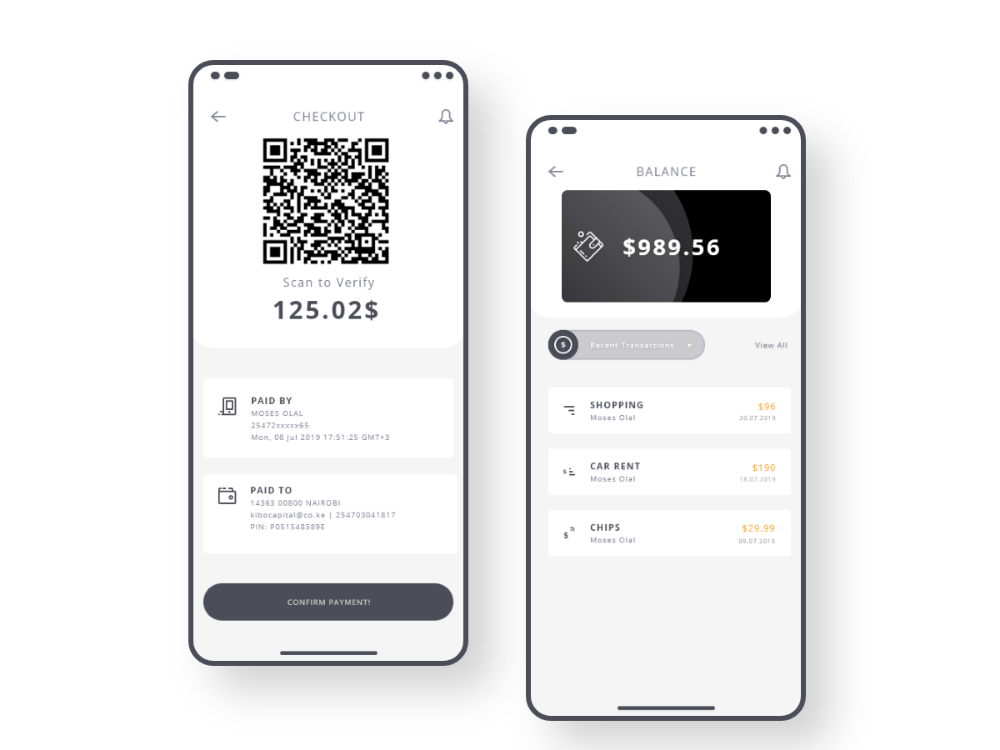
In an increasingly digital world, payment gateways serve as a critical component for facilitating transactions in e-commerce. A payment gateway acts as a bridge between a customer’s payment method and the merchant’s bank. It securely processes credit card and debit transactions, enabling businesses to accept payments online or via mobile devices. This technology not only ensures a seamless transaction experience but also plays a pivotal role in maintaining the security of sensitive financial data.The functionality of a payment gateway in online transactions involves several key steps.
Initially, when a customer decides to make a purchase, they enter their payment information on the merchant’s website. The payment gateway encrypts this information to keep it secure. Once encrypted, the data is sent to the payment processor, which communicates with the customer’s bank to verify whether the funds are available. Upon receiving confirmation, the payment processor sends a response back to the payment gateway, which then informs the merchant whether the transaction was approved or declined.
This entire process typically occurs in a matter of seconds.
Role of Payment Gateways in E-Commerce
Payment gateways are essential for e-commerce as they facilitate smooth and secure transactions while enhancing customer trust. They support various payment methods, including credit and debit cards, digital wallets, and bank transfers, catering to a wide range of consumer preferences. The integration of payment gateways enables businesses to offer a streamlined checkout process, reducing cart abandonment and improving overall sales conversion rates.Popular payment gateways worldwide come with unique features that cater to different business needs.
Here are a few notable ones:
- PayPal: Widely recognized for its user-friendly interface and extensive global reach, PayPal allows businesses to accept payments in multiple currencies and offers buyer protection, enhancing customer confidence.
- Stripe: Known for its robust API, Stripe provides customizable payment solutions for developers. It supports recurring billing and integrates well with various e-commerce platforms, making it ideal for subscription-based services.
- Square: This gateway is popular among small businesses, offering a comprehensive suite of tools for payment processing and inventory management. Its point-of-sale (POS) solutions are tailored for both online and in-person transactions.
- Authorize.Net: As one of the oldest gateways, Authorize.Net excels in its reliability and customer service. It offers advanced fraud detection tools and supports a variety of payment methods, appealing to diverse merchant needs.
These payment gateways not only streamline the payment process but also enhance security, ensuring that customer data is protected against fraud and breaches. The evolution of payment gateways continues to shape the future of digital commerce, enabling businesses to thrive in a competitive landscape.
The Importance of Security in Payment Gateways
In today’s digital economy, where online transactions are a norm, the security of payment gateways has become paramount. These gateways serve as the bridge between consumers and merchants, facilitating the transfer of sensitive information such as credit card details. Any compromise in security can lead to significant financial losses and a breakdown of trust between consumers and businesses. Payment gateways implement a variety of security measures to protect sensitive information.
One of the key strategies is the use of encryption protocols, such as Secure Sockets Layer (SSL) and Transport Layer Security (TLS), which ensure that data transmitted during transactions is unreadable to unauthorized entities. Additionally, tokenization is employed, where sensitive data is replaced with a unique identifier or token, adding another layer of security. Furthermore, transaction monitoring systems track unusual patterns or activities, helping to identify potential fraud in real-time.
Security Measures in Payment Gateways
Several important security measures are foundational to the operation of secure payment gateways. Understanding these measures highlights their critical role in maintaining transaction integrity and consumer trust.
- Encryption: All data exchanged between the consumer and the payment gateway is encrypted, ensuring that sensitive information cannot be intercepted during transmission.
- Tokenization: Instead of sending actual credit card numbers, gateways use tokens, which are useless to hackers without the corresponding decryption system.
- Fraud Detection Systems: Sophisticated algorithms detect suspicious activities and flag them for further investigation, often in real-time.
- Two-Factor Authentication (2FA): This adds an extra layer of security by requiring users to verify their identity through a secondary method, such as a text message or authentication app.
- Regular Security Audits: Payment gateways undergo frequent assessments to identify and rectify vulnerabilities, ensuring compliance with security standards.
Data breaches in payment processing can have severe implications for both consumers and businesses. When sensitive information is compromised, it can lead to identity theft, financial fraud, and erosion of customer confidence. For businesses, the aftermath of a data breach often includes costly remedial actions, legal fees, and potential fines from regulatory bodies. Rebuilding a tarnished reputation can take years, if it’s achievable at all.
Compliance Standards for Payment Gateways
Payment gateways must adhere to stringent compliance standards to ensure the protection of consumer data. The Payment Card Industry Data Security Standard (PCI DSS) is a critical framework that mandates security measures for organizations that handle credit card transactions.A summary of the PCI DSS standards includes:
- Building and Maintaining a Secure Network: This includes installing and maintaining a firewall configuration to protect cardholder data.
- Protecting Cardholder Data: Ensures that cardholder information is encrypted and securely stored.
- Implementing Strong Access Control Measures: Access to cardholder data must be restricted to only those individuals whose job requires it.
- Regularly Monitoring and Testing Networks: Organizations are required to track and monitor all access to network resources and cardholder data.
- Maintaining an Information Security Policy: A documented security policy must be maintained that addresses security vulnerabilities.
“Adhering to compliance standards like PCI DSS is not just a regulatory necessity but a fundamental aspect of securing consumer trust in the digital marketplace.”
Comparing Different Types of Payment Gateways
When it comes to processing payments online, businesses have a variety of payment gateways to choose from, each with its own unique characteristics and benefits. Understanding the differences between these types of gateways is crucial for making informed decisions that can impact a business’s efficiency, security, and customer satisfaction.
Differences Between Hosted and Self-Hosted Payment Gateways
Hosted payment gateways redirect customers to a secure third-party website to complete their transactions. In contrast, self-hosted gateways keep customers on the merchant’s site throughout the payment process. This distinction has significant implications for user experience, security, and the level of control a business has over the payment process.
- Hosted Payment Gateways:
-
Higher security levels as sensitive data is managed by the gateway provider.
- Streamlined integration process, requiring less technical knowledge.
- Potential for reduced liability for data breaches.
-
- Self-Hosted Payment Gateways:
-
Greater control over the user experience by keeping customers on the merchant’s site.
- Ability to customize the payment process to match the business brand.
- Higher responsibility for security, including compliance with PCI standards.
-
Comparison of Integrated Payment Gateways Versus Third-Party Payment Gateways
Integrated payment gateways are built directly into a merchant’s website or e-commerce platform, while third-party payment gateways operate separately from the website, often requiring customers to navigate away from the merchant’s site to complete their transactions. This section highlights the key differences impacting businesses.
- Integrated Payment Gateways:
-
Seamless transactions enhance customer experience by reducing bounce rates.
- More control over transaction data and customer interaction.
- Potentially slower to implement due to the need for custom development.
-
- Third-Party Payment Gateways:
-
Quick setup with minimal technical expertise required.
- Greater flexibility, allowing for easy adaptations to different platforms.
- Customers might feel uncertain navigating away from the merchant site.
-
Advantages and Disadvantages of Various Types of Gateways for Businesses
Each payment gateway type comes with its own set of advantages and disadvantages, which can influence the decision-making process for businesses looking to optimize their payment processing systems.
- Advantages:
- Hosted Gateways: Less technical maintenance, lower compliance burden.
- Self-Hosted Gateways: Customization options, better branding opportunities.
- Integrated Gateways: Enhanced user experience, streamlined data management.
- Third-Party Gateways: Quick integration, easy scalability as business grows.
- Disadvantages:
- Hosted Gateways: Less control over the checkout experience.
- Self-Hosted Gateways: Increased security risks and potential for data breaches.
- Integrated Gateways: Higher initial costs and development time.
- Third-Party Gateways: Possible trust issues with customers due to redirection.
The Impact of Payment Gateways on Customer Experience
The role of payment gateways in the online shopping experience cannot be understated. They serve as the bridge between customers and merchants, facilitating transactions and ensuring that sensitive information is securely handled. A seamless payment process can be the difference between a completed purchase and an abandoned cart, making the choice of payment gateway crucial for enhancing customer satisfaction.Payment gateways significantly influence the checkout process and overall user experience by affecting speed, reliability, and security.
Customers today expect a quick and efficient payment process; any delays during checkout can lead to frustration and potential loss of sales. An intuitive interface, minimal steps to complete a transaction, and assurance of data protection all contribute to a positive user experience.
Importance of Payment Gateway Speed and Reliability
The speed and reliability of a payment gateway are critical factors affecting customer satisfaction. A swift and dependable payment process not only enhances the user experience but also builds trust in the brand. Below are some key aspects regarding speed and reliability:
Immediate Feedback
Customers appreciate instant confirmation of their transaction status; delays can lead to uncertainty.
Reduced Cart Abandonment
According to research, 70% of shopping carts are abandoned, often due to cumbersome payment processes. Fast payment gateways help to mitigate this issue.
Trust in Security
Reliable payment gateways provide a secure environment for transactions, which reassures customers that their financial information is protected.
“A fast and reliable payment gateway can significantly reduce cart abandonment rates, leading to increased sales.”
Customer testimonials often highlight their experiences with payment gateways, emphasizing how these factors enhance their shopping journey. For instance:
- A customer reported that using a particular payment gateway led to a 50% increase in their online purchase frequency due to the quick checkout process.
- A small business owner noted that after switching to a more reliable payment gateway, they received fewer complaints about transaction failures, resulting in better customer retention.
Customer experiences with different payment gateways vary widely. Some may find a particular gateway frustrating due to slow processing times or technical difficulties, while others may praise the seamless and enjoyable experience provided by a competing service. By focusing on speed and reliability, businesses can foster a positive relationship with their customers, encouraging repeat business and loyalty.
Payment Gateway Integration for E-commerce Platforms
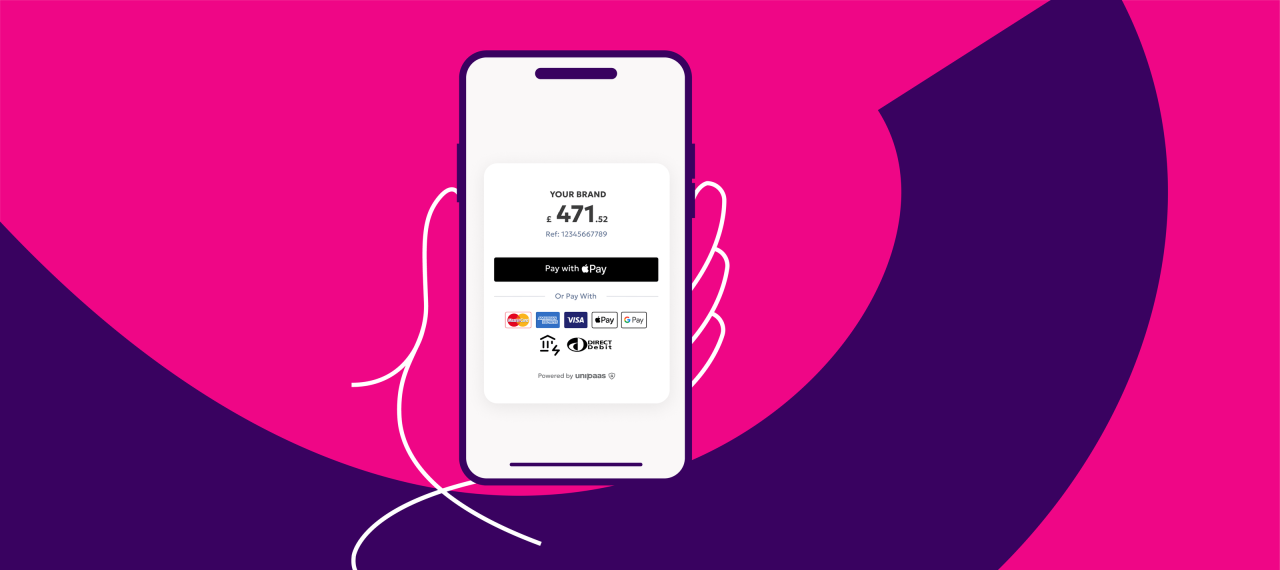
Integrating a payment gateway into your e-commerce website is a crucial step that facilitates online transactions, making it possible for customers to purchase products securely. This process not only enhances user experience but also boosts sales by providing multiple payment options. Understanding the steps involved, the essential features to consider, and the common challenges faced can significantly streamline this integration.
Steps for Integrating a Payment Gateway
The integration of a payment gateway involves several key steps that ensure a seamless transaction process for users. Below is a concise Artikel of these steps:
- Research and Select a Payment Gateway: Evaluate different payment gateway providers based on transaction fees, supported payment methods, and security features.
- Create an Account: Sign up with the chosen payment gateway provider and obtain the necessary API keys and credentials.
- Integrate the API: Use the provider’s documentation to implement the payment gateway’s API into your e-commerce website. This typically involves adding code to your checkout page.
- Test the Integration: Conduct thorough testing in a sandbox environment to ensure that transactions process correctly without any errors.
- Go Live: After successful testing, switch to the live environment and monitor transactions to ensure everything functions properly.
Essential Features to Consider When Selecting a Payment Gateway
Choosing the right payment gateway is vital for ensuring a smooth transaction experience. Here are key features to evaluate:
“Security, user experience, and compatibility are paramount when selecting a payment gateway.”
- Security Measures: Look for features like SSL encryption, PCI compliance, and fraud detection tools.
- Payment Options: Ensure the gateway supports various payment methods, including credit cards, digital wallets, and bank transfers.
- Integration Ease: The gateway should easily integrate with your existing e-commerce platform and other tools.
- Transaction Fees: Understand the fee structure to avoid unexpected costs that could affect your profitability.
- Customer Support: Reliable customer support is essential for resolving any issues that may arise during or after integration.
Common Challenges and Potential Solutions in the Integration Process
Integrating a payment gateway can come with its share of challenges. Being aware of these issues can help you prepare effective solutions:
“Anticipating integration challenges enables businesses to deploy proactive solutions.”
- Technical Difficulties: Issues may arise from coding errors or server configurations. Collaborating with a developer familiar with the platform can aid in resolving these problems swiftly.
- Security Concerns: Ensuring the payment process is secure can be challenging. Regularly updating security protocols and using reputable gateways can mitigate risks.
- Compatibility Issues: Sometimes, the payment gateway may not sync well with the e-commerce platform. It’s essential to choose a gateway that is known for compatibility with your specific setup.
- Customer Experience: A complicated checkout process can deter customers. Streamlining the user interface and minimizing required steps can enhance user satisfaction.
- Regulatory Compliance: Navigating laws such as GDPR and PCI regulations can be complex. Consulting legal experts or using gateways that handle compliance can simplify this process.
Future Trends in Payment Gateway Technologies
As the digital landscape evolves, payment gateway technologies are undergoing significant transformations. The integration of emerging technologies such as blockchain and artificial intelligence (AI) is reshaping how transactions are processed and secured. Moreover, the surge in mobile payment solutions is driving innovation in gateway functionalities, providing businesses with new ways to enhance customer experiences. This exploration delves into these advancements and their implications for the future of payment gateways.
Emerging Technologies Shaping Payment Gateways
New technologies are rapidly influencing the structure and operation of payment gateways. Key among these are blockchain and artificial intelligence, both of which offer unique advantages. Blockchain technology introduces decentralized transaction validation, enhancing security and transparency. It enables peer-to-peer transactions without the need for intermediaries, reducing costs and processing times. AI, on the other hand, leverages machine learning algorithms to analyze transaction data, enabling real-time fraud detection and personalized customer experiences.
Together, these technologies are paving the way for more secure, efficient, and user-friendly payment systems.
Impact of Mobile Payment Solutions
The rise of mobile payment solutions, such as Apple Pay and Google Wallet, is significantly impacting the functionality of payment gateways. As consumers increasingly prefer to shop via their smartphones, payment gateways must adapt to support seamless mobile transactions.Mobile payment systems emphasize speed and convenience, allowing users to complete transactions with minimal effort. This trend has prompted payment gateways to improve their interfaces, streamline processes, and enhance security measures.
Businesses are thus encouraged to adopt mobile-optimized gateways to meet consumer demands and ensure a competitive edge in the market.
Potential of Cryptocurrencies in Payment Gateway Systems
Cryptocurrencies are gaining traction as a viable payment method, posing both opportunities and challenges for payment gateway systems. As digital currencies like Bitcoin and Ethereum become more mainstream, businesses are exploring how to integrate them into their payment solutions.The incorporation of cryptocurrencies can reduce transaction fees and facilitate cross-border payments, as these transactions often bypass traditional banking fees. However, businesses must navigate the volatility associated with cryptocurrencies and comply with regulatory frameworks.
The successful integration of digital currencies into payment gateways can lead to enhanced customer loyalty and open new revenue streams.
“The future of payments is not just about convenience; it’s about enabling new forms of commerce that were previously impossible.”
The Role of Payment Gateways in Global Transactions
Payment gateways are essential in facilitating international trade by providing a secure and efficient means for businesses and consumers to process transactions across borders. They play a pivotal role in enabling cross-border transactions, handling various currencies, and ensuring that payment processes are seamless for users worldwide.Payment gateways act as intermediaries between customers and merchants, simplifying the complexities involved in global transactions.
They manage currency conversion, allowing businesses to accept payments in multiple currencies while providing customers with real-time conversion rates. This capability is crucial for catering to a diverse clientele and enhancing the shopping experience.
Challenges Faced by Businesses with International Payment Gateways
When utilizing international payment gateways, businesses encounter several challenges that can impede their global operations. Understanding these challenges is crucial for optimizing payment processes and enhancing customer satisfaction. Key issues include:
- Currency Fluctuations: Businesses must navigate the unpredictable nature of foreign exchange rates, which can affect profit margins when transactions are converted to the business’s primary currency.
- Regulatory Compliance: Different countries have varying regulations regarding online payments and data protection. Businesses must ensure compliance with local laws to avoid legal complications.
- Transaction Fees: International transactions often incur higher fees, which can deter small businesses from expanding their reach into global markets.
- Fraud Prevention: The risk of fraud increases with cross-border transactions, necessitating robust security measures to protect sensitive customer data.
- Payment Method Preferences: Consumers in different regions have distinct preferences for payment methods, which can complicate the payment process if not adequately accommodated.
Examples of Payment Gateways Specializing in Global Transactions
Several payment gateways are designed specifically to facilitate global transactions, each offering unique features that address the needs of international businesses. These include:
- PayPal: A widely recognized payment gateway that supports multiple currencies and offers buyer protection, making it a popular choice for cross-border transactions.
- Stripe: Known for its developer-friendly APIs, Stripe provides businesses with the ability to accept payments in over 135 currencies, along with integrated fraud prevention tools.
- Adyen: Catering to large enterprises, Adyen offers a unified platform that supports various payment methods worldwide and provides in-depth analytics for transaction performance.
- Wise (formerly TransferWise): Focused on providing low-cost international transfers, Wise allows businesses to send and receive payments at real exchange rates, making it a favorable option for cost-conscious companies.
- 2Checkout (now Verifone): This payment gateway offers a range of services for global e-commerce, including support for over 45 currencies and localized payment methods.
“Payment gateways are not merely transaction facilitators; they are strategic partners in global commerce, ensuring secure, efficient, and seamless financial interactions.”
Last Recap
In summary, payment gateways are essential tools that significantly impact both businesses and consumers. Their role in facilitating secure, efficient online transactions cannot be overstated, as they enhance the overall shopping experience and promote trust in e-commerce. As technology evolves, the future of payment gateways looks promising, with innovations that will continue to shape the way we conduct transactions online.
FAQ Section
What is a payment gateway?
A payment gateway is a technology that processes credit card payments for online and brick-and-mortar businesses.
How does a payment gateway work?
When a customer makes a purchase online, the payment gateway encrypts their card details and transmits the transaction to the bank for approval.
Are payment gateways secure?
Yes, reputable payment gateways use advanced encryption and comply with security standards to protect sensitive information.
What are hosted and self-hosted payment gateways?
Hosted gateways redirect customers to a secure page for payment, while self-hosted ones keep customers on your website during the process.
Can payment gateways integrate with any e-commerce platform?
Most payment gateways offer integrations with popular e-commerce platforms, but it’s essential to check compatibility.
What fees are associated with using a payment gateway?
Fees vary by provider and can include transaction fees, monthly fees, or setup fees, so it’s important to review the pricing structure.