Currency exchange rates play a crucial role in the complex web of global trade, influencing how countries interact economically. These rates determine how much one currency is worth in relation to another, affecting everything from import and export prices to investment decisions. Understanding the nuances of currency exchange rates is essential for anyone involved in international business, as they can impact profit margins, cost structures, and even consumer behavior.
With factors ranging from economic indicators to political events shaping these rates, a clear grasp of this topic is vital for navigating the financial landscape.
This exploration dives deep into the significance of currency exchange rates, their volatility, and the mechanisms behind them, while also providing practical insights into how individuals and businesses can better manage their currency exposure. By examining the interplay between global markets and currency values, we can appreciate the broader implications of these rates on trade and investment.
Understanding the Importance of Currency Exchange Rates in Global Trade
The significance of currency exchange rates in global trade cannot be overstated. These rates determine how much one currency is worth in relation to another, directly affecting how businesses and consumers engage in international transactions. In a world where globalization has made trading across borders commonplace, understanding the nuances of currency exchange becomes essential for both companies and individuals involved in buying or selling goods and services internationally.Currency exchange rates play a crucial role in shaping the dynamics of international trade.
A favorable exchange rate can make a country’s exports cheaper and imports more expensive, thereby influencing consumer choices and business strategies. For instance, when the Euro strengthens against the Dollar, European products become pricier for American consumers, which can lead to a decline in demand for European goods in the United States. Conversely, U.S. exports become more affordable for European buyers, potentially increasing sales for American businesses.
These fluctuations impact trade balances and economic stability.
Factors Influencing Currency Exchange Rates
Several factors govern the fluctuations in currency exchange rates in different markets. Understanding these elements is vital for companies engaging in international trade. The primary factors include:
- Interest Rates: When a country’s central bank raises interest rates, it typically attracts foreign capital, leading to an appreciation of its currency. For example, if the U.S. Federal Reserve increases rates, the Dollar may strengthen as investors seek higher yields.
- Inflation Rates: Low inflation in a country generally leads to a strong currency because it signifies a stable economy. For instance, Japan has maintained low inflation rates, contributing to the Yen’s stability in global markets.
- Political Stability: Countries with less political risk attract more foreign investors, bolstering their currency value. For example, stable governments in Scandinavia often result in stronger currencies compared to those in politically turbulent regions.
- Economic Indicators: Employment rates, GDP growth, and retail sales data are key indicators that impact currency values. A robust economic report can boost investor confidence, leading to currency appreciation.
- Market Speculation: Traders’ perceptions of future currency movements can also influence exchange rates. Speculative trading can lead to rapid fluctuations based on anticipated political or economic events.
The impact of fluctuating exchange rates is evident in real-world scenarios. For businesses that import goods, an unfavorable exchange rate can increase costs, squeezing profit margins. For instance, an American retailer importing electronics from Japan may face higher expenses if the Yen appreciates against the Dollar. This may lead to higher prices for consumers or reduced profits for the retailer.
Furthermore, consumers traveling abroad can feel the pinch when their home currency weakens, making vacations and international purchases more expensive.On the other hand, businesses that export goods benefit from a favorable exchange rate. For instance, a U.S. company selling agricultural products abroad may see increased sales if the Dollar weakens against foreign currencies, as their products become more competitively priced.
The interplay of these factors illustrates the intricate relationship between currency exchange rates and global trade dynamics, highlighting the importance of staying informed in an ever-evolving financial landscape.
The Role of Central Banks in Determining Currency Values
Central banks play a pivotal role in shaping the values of currencies through various mechanisms. By influencing monetary policy, interest rates, and market expectations, they can stabilize or alter currency values in response to economic conditions. Their primary objectives often include controlling inflation, fostering employment, and ensuring a stable financial system. This balance is crucial, as currency values have far-reaching effects on international trade, investment, and overall economic health.Central banks employ several mechanisms to control currency values within their economies.
One primary method is through open market operations, where the central bank buys or sells government securities to regulate the money supply. When a central bank purchases securities, it injects liquidity into the economy, potentially lowering interest rates and decreasing currency value. Conversely, selling securities can tighten the money supply, boosting currency value. Additionally, central banks can influence exchange rates directly through interventions in the forex market, altering currency supply and demand dynamics.
Interest Rates and Currency Exchange Rates
The relationship between interest rates and currency exchange rates is crucial for understanding currency valuation. When central banks adjust interest rates, they directly impact the attractiveness of a currency to investors. Higher interest rates offer better returns on investments denominated in that currency, leading to increased demand and thus, a stronger currency value. On the other hand, lower interest rates tend to have the opposite effect, making a currency less appealing to foreign investors.For instance, if a central bank raises its interest rates, it often results in the currency appreciating against others, as investors seek higher yields.
Conversely, if rates are cut, the currency may depreciate. This relationship can be illustrated through the following points:
- Higher interest rates generally lead to stronger currency values due to increased capital inflow.
- Lower interest rates can result in currency depreciation, as capital may flow out in search of better returns.
- The expectations of future interest rate changes can also influence current exchange rates significantly.
Central Bank Responses to Currency Fluctuations
Central banks are tasked with responding to currency fluctuations and potential economic crises to maintain stability. They monitor exchange rates closely and may implement various strategies to mitigate adverse effects. When significant fluctuations occur, central banks can intervene in the foreign exchange market by buying or selling their currency to stabilize it.In times of economic crises, such as during a financial meltdown or significant geopolitical events, central banks may resort to unconventional measures.
For example, quantitative easing involves purchasing large quantities of financial assets to inject liquidity into the economy, effectively lowering interest rates and supporting currency values. Additionally, central banks may collaborate with other central banks to coordinate interventions, ensuring a unified approach to stabilizing currencies.Key strategies for managing currency fluctuations include:
- Direct market intervention to stabilize or influence currency values.
- Adjustment of interest rates to attract or repel foreign investment.
- Communication of future policy intentions to guide market expectations and behavior.
Effective central bank policies are crucial for maintaining economic stability and influencing currency values in response to global financial conditions.
Methods for Individuals to Monitor Currency Exchange Rates Effectively
With the globalization of trade and travel, understanding currency exchange rates has become essential for individuals engaging in international transactions. Monitoring these rates can help in making informed decisions regarding foreign investments, travel budgeting, or simply shopping online from international retailers. Fortunately, technology offers numerous ways to keep track of these rates in real-time.Effective monitoring of currency exchange rates can be accomplished through various strategies that leverage technological advancements.
By utilizing dedicated platforms and apps, individuals can access up-to-the-minute information and make timely decisions based on currency fluctuations. These tools not only provide current rates but also historical data, which is vital for understanding market trends.
Reliable Online Platforms and Mobile Apps for Currency Exchange Information, Currency exchange rates
The availability of various online platforms and mobile apps makes it easier for individuals to stay updated on currency exchange rates. Below is a selection of reliable resources:
- XE
-A well-known platform that provides real-time exchange rates, historical charts, and a currency converter. XE also offers a mobile app for easy access on the go. - OANDA
-This platform is popular among traders and provides comprehensive exchange rate information, along with currency conversion tools and analytics. - Google Finance
-A simple yet effective tool where users can quickly search for current exchange rates by entering currency pairs directly into the search bar. - Currency Converter Plus
-A user-friendly mobile app that offers real-time exchange rates and allows users to track multiple currencies at once. - Forex.com
-Primarily a trading platform, it also provides robust market analysis and is suitable for those looking to engage in currency trading.
Accessing these tools regularly can empower individuals to make informed financial decisions based on accurate and timely information.
Setting Up Alerts for Currency Rate Changes
Establishing currency alerts is a proactive approach to managing personal finances, especially for those involved in regular foreign transactions. Setting up alerts allows users to receive notifications when specific currency pairs reach desired rates, providing the opportunity to act immediately.To set up effective currency alerts, individuals can follow these steps:
- Choose a Reliable Platform: Select a preferred app or website that offers alert features, such as XE or OANDA.
- Create an Account: Register on the platform to access customizable features including alerts.
- Identify Currency Pairs: Determine which currencies you want to monitor. For instance, if you frequently exchange USD to EUR, set an alert for that particular pair.
- Set Target Rates: Input the target exchange rates at which you’d like to be notified. This could be a rate that favors your buying or selling position.
- Choose Notification Preferences: Decide how you want to receive alerts—via email, SMS, or app notifications—ensuring you never miss an opportunity.
By implementing these strategies, individuals can effectively track and respond to currency exchange rate fluctuations, ultimately enhancing their financial management skills.
“Effective monitoring of currency exchange rates can lead to informed decision-making and potential savings in international transactions.”
The Impact of Political Events on Currency Fluctuations
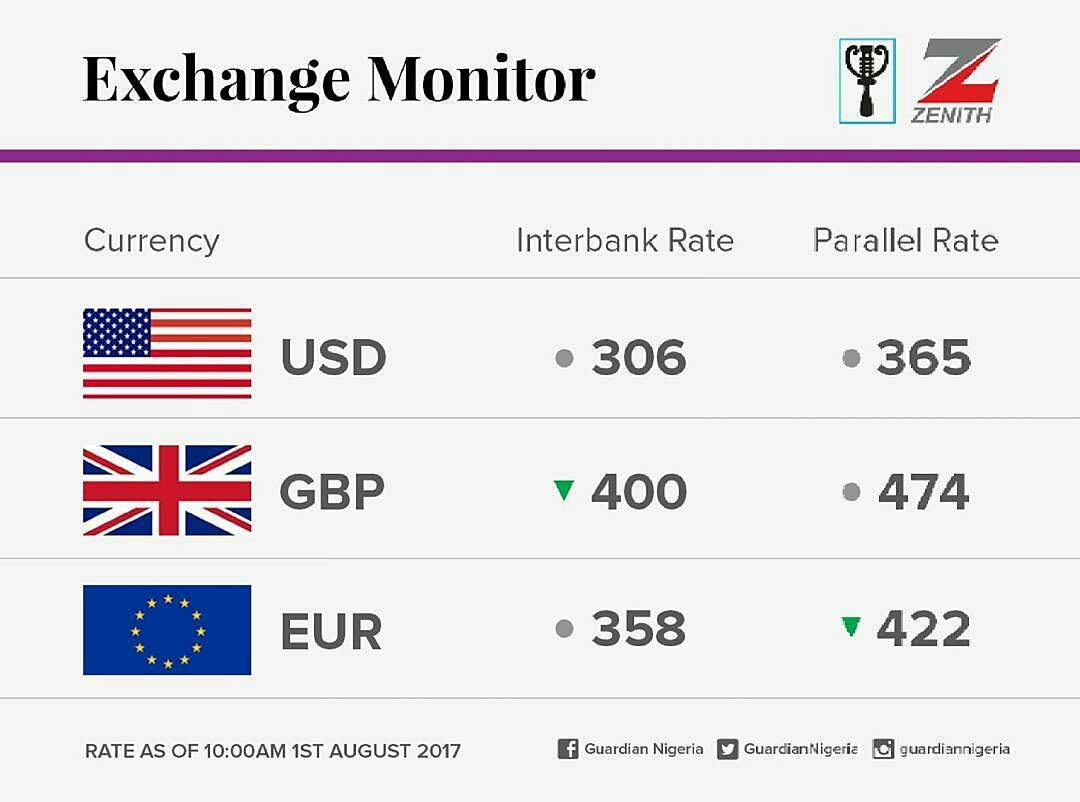
Political events can significantly sway currency exchange rates, impacting economies around the globe. These fluctuations often stem from changes in governance, policy decisions, or social unrest. Understanding these impacts is crucial for investors and traders alike as they navigate the complex world of forex markets.Political stability or instability plays a vital role in influencing investor sentiment. When a country experiences political turmoil, such as protests, coups, or unstable elections, it can lead to a lack of confidence among investors.
For instance, during the Brexit referendum in 2016, the British pound saw substantial fluctuations as investors reacted to the uncertainty surrounding the UK’s potential exit from the EU. This uncertainty prompted swift reactions in currency markets, showcasing how sensitive exchange rates can be to political developments.
Examples of Political Events Affecting Currency Rates
Several notable political events have led to significant shifts in currency values. The following examples illustrate this phenomenon:
- The 2016 U.S. Presidential Election: The election of Donald Trump initially caused volatility in the U.S. dollar as markets reacted to the uncertainty surrounding his policies. Following his victory, the dollar strengthened due to expectations of tax cuts and increased infrastructure spending.
- The Greek Debt Crisis: Ongoing political strife regarding austerity measures severely affected the euro’s value. As negotiations stalled, investor confidence waned, leading to rapid fluctuations in the euro against other currencies.
- The Hong Kong Protests (2019): Widespread protests against the government led to fears of economic instability in Hong Kong, causing its currency to weaken against major currencies like the U.S. dollar.
Investor sentiment is particularly sensitive to the anticipated outcomes of elections and governmental policies. A stable political environment tends to attract foreign investment, leading to currency appreciation. In contrast, uncertainty can result in capital flight, where investors pull their money out of a country, causing the local currency to depreciate. For example, during the Brazilian elections in 2018, the Brazilian real fluctuated dramatically as investors reacted to the potential economic implications of the candidates’ policies.Government policies, especially those related to trade, taxation, and regulation, also bear significant weight on currency values.
When a government announces a change in fiscal policy, such as increased tariffs or tax reforms, it can either boost or dampen investor confidence. For instance, the announcement of tariffs by the U.S. in 2018 against China led to immediate reactions in both countries’ currencies as markets adjusted to the anticipated economic repercussions.
The relationship between political events and currency fluctuations underscores the importance of monitoring global political landscapes for informed investment decisions.
Understanding Currency Exchange Rate Mechanisms
Currency exchange rates play a crucial role in international trade and finance, impacting everything from import and export prices to foreign investment decisions. Two primary systems govern the fluctuations of these exchange rates: fixed and floating exchange rate systems. Understanding these mechanisms is essential for individuals, businesses, and policymakers as they navigate the complexities of global finance.Fixed exchange rate systems maintain a country’s currency value at a specific value relative to another currency or a basket of currencies.
This system is often used by countries aiming for stability and predictability in international trade. In contrast, floating exchange rates fluctuate based on market forces, such as supply and demand, allowing for more flexibility but potentially increased volatility.
Differences Between Fixed and Floating Exchange Rate Systems
In a fixed exchange rate system, the government or central bank intervenes in the foreign exchange market to maintain the currency’s value. This often involves buying or selling foreign reserves to stabilize the currency. For instance, Hong Kong maintains a fixed exchange rate to the US dollar, which has helped provide stability in its economy and attract foreign investment.Conversely, floating exchange rates are determined by market forces without direct government or central bank intervention.
This can lead to more significant fluctuations during economic shifts. For example, the US dollar is a floating currency that responded to various economic indicators, including interest rates and inflation, leading to fluctuations in value against other currencies.
Advantages and Disadvantages of Fixed Exchange Rate Systems
Fixed exchange rate systems offer several advantages, including:
-
Stability in international prices
-Businesses can plan better with predictable exchange rates, fostering trade.
-
Reduced risk of currency crises
-By maintaining a stable rate, countries can avoid sudden depreciations.
-
Encouragement of foreign investment
-Investors seek stable environments, making fixed systems attractive.
However, they also come with disadvantages:
-
Limited monetary policy flexibility
-Governments may struggle to respond to economic changes when tied to a fixed rate.
-
Potential for currency speculation
-If investors believe a currency is overvalued, they may speculate against it, leading to crises.
-
Need for large foreign reserves
-Maintaining a fixed system requires significant reserves to defend the currency.
Advantages and Disadvantages of Floating Exchange Rate Systems
Floating exchange rate systems have their own set of pros and cons. The advantages include:
-
Monetary policy independence
-Central banks can adjust interest rates to respond to domestic economic conditions.
-
Automatic adjustment to trade imbalances
-The currency value will adjust based on supply and demand, helping to correct trade deficits.
-
Reduced risk of speculative attacks
-As the currency value is market-determined, it is less prone to sudden attacks from speculators.
On the downside, floating exchange rates can lead to:
-
Increased volatility
-Currency values can change rapidly, making international transactions riskier.
-
Unpredictability for businesses
-Companies may struggle with planning and budgeting due to fluctuating rates.
-
Possible inflationary pressures
-A depreciating currency can lead to higher import prices, fueling inflation.
Reactions to Economic Changes and Shocks
Fixed exchange rate systems tend to react slowly to economic shocks. For example, during the 1997 Asian financial crisis, countries with fixed systems, like Thailand, faced severe pressure as they could not devalue their currencies quickly. The government had to use foreign reserves to maintain the fixed rate, ultimately leading to a crisis when reserves dwindled.Floating exchange rates, on the other hand, can respond more dynamically to economic changes.
For instance, during the 2008 financial crisis, the US dollar appreciated as investors sought safe-haven assets in uncertain times. This rapid adjustment helped alleviate some pressure on the economy by allowing the dollar’s value to reflect the heightened demand for safety.In summary, both fixed and floating exchange rate systems have distinct characteristics that influence their effectiveness in various economic scenarios.
Understanding these mechanisms is crucial for anyone involved in or studying global finance.
Analyzing Historical Trends in Currency Exchange Rates
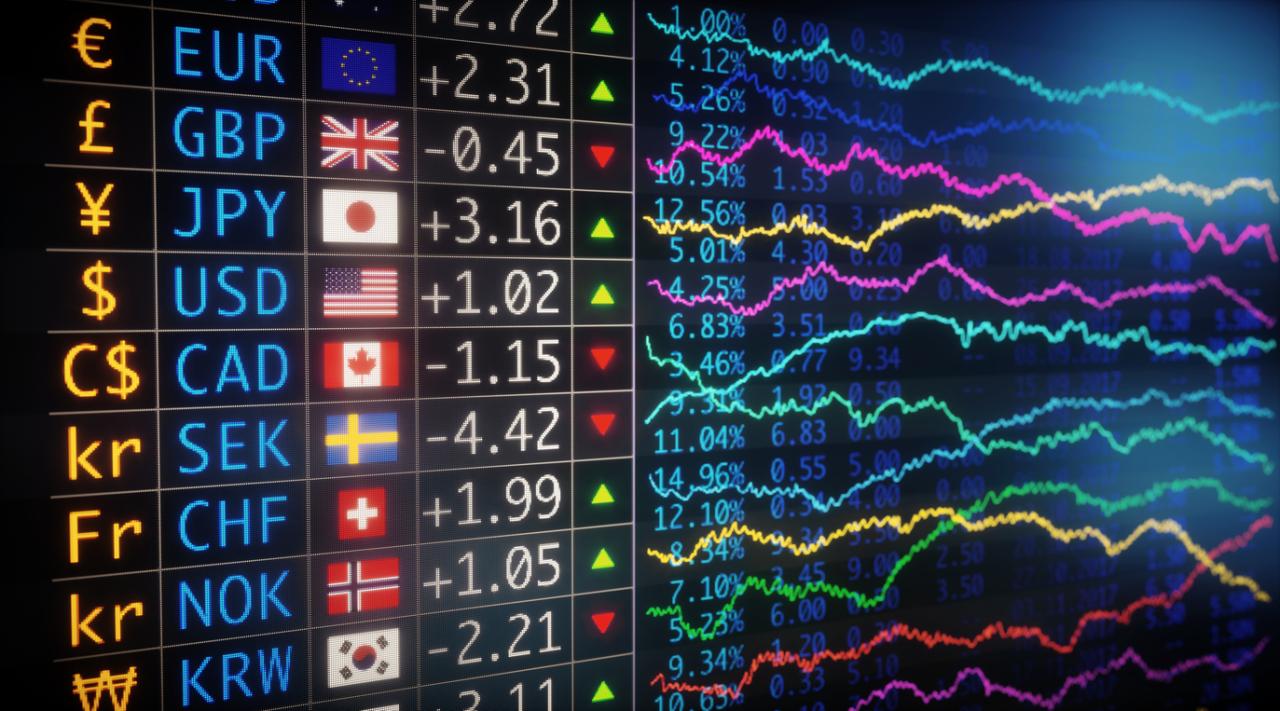
Understanding historical trends in currency exchange rates is crucial for traders, investors, and policymakers. Historical data provides insights into how currencies have fluctuated over time, influenced by various economic, political, and social factors. By analyzing these trends, one can gain a clearer picture of current market dynamics and make informed predictions about future movements.Examining historical data reveals patterns and cycles that are essential for grasping how trends develop and evolve.
Economic cycles, geopolitical events, and policy changes can significantly impact currency values, and understanding these influences helps in forecasting future trends.
Key Historical Events Influencing Currency Exchange Rates
A timeline showcasing key historical events that have shaped currency exchange rates is essential for contextualizing current trends. Events such as economic crises, major political decisions, and shifts in monetary policy can have lasting impacts on currency values. Below is a timeline of influential events:
- 1971: The United States officially abandons the gold standard, leading to floating exchange rates and increased volatility.
- 1985: The Plaza Accord is signed by five nations to devalue the U.S. dollar, impacting global exchange rates significantly.
- 2008: The global financial crisis results in dramatic shifts in currency values, with safe-haven currencies like the Swiss franc and Japanese yen appreciating.
- 2020: The COVID-19 pandemic prompts unprecedented monetary stimulus, leading to fluctuations in various currencies and economic uncertainties worldwide.
Analyzing these events allows traders and economists to identify potential patterns and trends that recur over time, offering valuable insights into future movements.
Economic Cycles and Long-Term Currency Trends
Economic cycles greatly influence long-term currency trends, impacting exchange rates through supply and demand factors, interest rates, and inflation. Growth periods often strengthen a currency as investment increases, while recessions typically lead to currency depreciation due to reduced economic activity and capital flight.The relationship between economic indicators and currency values is critical. For example, during periods of economic expansion, central banks may raise interest rates to combat inflation, attracting foreign investment and strengthening the domestic currency.
Conversely, during economic downturns, lower interest rates can lead to currency depreciation as capital seeks higher returns elsewhere.Understanding these economic cycles can aid in making future predictions about currency values. For instance, during the prolonged economic recovery following the 2008 financial crisis, the U.S. dollar strengthened as the Federal Reserve maintained an accommodative monetary policy while other central banks struggled with low growth.
“Historical data serves as a compass, guiding traders through the ever-changing landscape of currency exchange rates.”
By focusing on historical trends and economic cycles, one can better anticipate shifts in currency values and navigate the complexities of the foreign exchange market more effectively.
The Influence of Global Economic Indicators on Currency Exchange Rates
The relationship between global economic indicators and currency exchange rates is profound and multifaceted. Economic indicators such as Gross Domestic Product (GDP), inflation rates, and employment statistics serve as reliable metrics to gauge the health of an economy. These indicators not only reflect the economic performance of a country but also play a pivotal role in influencing currency values on the foreign exchange market.The interplay between various economic indicators can significantly affect currency valuations.
For instance, an increase in GDP typically indicates a growing economy, which can enhance investor confidence and lead to a stronger currency. Conversely, high inflation erodes purchasing power and can lead to weakening of the currency. Employment rates also play a crucial role; a declining unemployment rate usually signals economic strength, attracting foreign investment and buoying the currency. Understanding how these indicators are interrelated is essential for comprehending their collective effect on exchange rates.
Interrelationship of Economic Indicators
The interrelationship between GDP, inflation, and employment creates a complex network influencing currency values. Each indicator can either complement or counteract the effects of the others, shaping market perceptions and investment decisions. Below are key points illustrating this interrelationship:
- GDP Growth: A robust GDP growth often leads to higher consumer spending and investment, which can drive demand for a country’s currency.
- Inflation Rates: Rising inflation typically prompts central banks to increase interest rates in an effort to control price levels, which can attract foreign investors looking for higher returns.
- Employment Data: High employment rates can indicate economic stability, which enhances currency strength. However, if employment increases too rapidly, it can lead to inflationary pressures.
The collective impact of these indicators can lead to significant fluctuations in currency values. For example, the US dollar often strengthens in response to positive GDP growth and employment figures, while any sign of rising inflation could lead to volatility as investors reassess their positions.An illustrative case is the recent fluctuations of the Turkish Lira. In 2021, the Lira experienced significant depreciation due to soaring inflation rates, which reached above 20%.
Despite positive GDP growth, the erosion of purchasing power led to decreased foreign investment and a weakening currency. This scenario exemplifies how adverse inflation can overshadow positive economic growth, thereby affecting currency exchange rates.Similarly, the Eurozone faces challenges when inflation spikes alongside stagnant GDP growth. Such scenarios can create uncertainty in the forex market, leading to fluctuations in the Euro’s value against other currencies.
Investors closely monitor these economic indicators to assess risks and opportunities in currency trading.
Currency Exchange Rates and Their Influence on Travel and Tourism
Traveling to new destinations can be an exhilarating experience, but fluctuating currency exchange rates can play a significant role in shaping the overall cost and enjoyment of a trip. Understanding how these rates affect travel expenses is crucial for tourists seeking to maximize their budget while enjoying their adventures abroad. From accommodation to dining and activities, different countries’ rates can directly influence tourism demand and spending habits.Currency exchange rates determine how much of one currency you can obtain with another, affecting travel expenses.
A stronger currency means travelers can enjoy more for their money, while a weaker currency may lead to higher costs for visitors. As exchange rates fluctuate, they can impact travelers’ decisions on where to go. For example, if the dollar strengthens against the euro, European destinations may become more appealing for American tourists, increasing the demand for travel to places like France or Italy.
Conversely, if a popular destination’s currency weakens, it could become more attractive for budget-conscious travelers.
Strategies for Minimizing Costs Through Currency Exchange
Understanding and employing effective strategies for currency exchange can significantly reduce travel costs. Here are some practical tips for travelers to maximize their spending power:
Monitor Exchange Rates
Keeping an eye on exchange rates in advance can help travelers choose the best times to exchange money. Various financial websites and apps provide real-time updates on currency values.
Use Local ATMs
Withdrawing cash from ATMs in the destination country can often yield better rates than currency exchange offices. However, it’s essential to check with your bank regarding fees associated with international withdrawals.
Avoid Airport Exchanges
Currency exchange services at airports often charge higher fees and offer less favorable rates. It’s advisable to exchange only a small amount for immediate expenses and seek better rates elsewhere.
Bring Multiple Payment Options
Having a combination of cash and credit/debit cards can provide flexibility. Some cards offer no foreign transaction fees, which can save money during travels.
Research Local Payment Methods
In some countries, using local mobile payment systems can be more economical than cash, and it may even provide discounts for certain services.Popular destinations where currency exchange rates significantly impact tourist spending include countries like Japan, where the yen’s fluctuation can make a noticeable difference in transportation and dining costs. Similarly, Southeast Asian countries such as Thailand and Vietnam often attract tourists when their currencies are weaker, enhancing the overall affordability of travel experiences.
Travelers who understand and manage currency exchange can turn potential pitfalls into opportunities for enhanced experiences and savings.
The Future of Currency Exchange Rates in the Age of Digital Currencies
The landscape of currency exchange is undergoing a significant transformation, driven by the emergence of digital currencies. As cryptocurrencies gain traction and central bank digital currencies (CBDCs) are introduced, the traditional mechanisms of currency exchange may face profound changes. This exploration delves into the potential impacts of these developments on the future of currency exchange rates.
Impact of Cryptocurrencies on Traditional Currency Exchange Rates
The rise of cryptocurrencies has introduced a new dynamic to how currencies are valued and exchanged. Unlike traditional fiat currencies, cryptocurrencies operate on decentralized networks, which can lead to increased volatility and price fluctuations. Key factors influencing these changes include:
- Market Sentiment: Cryptocurrencies often respond to market trends, news, and investor sentiment more rapidly than traditional currencies, leading to potential mismatches in value.
- Speculation: The speculative nature of many cryptocurrencies can cause significant short-term volatility, impacting their perceived value against fiat currencies.
- Cross-Border Transactions: Cryptocurrencies facilitate faster and cheaper cross-border transactions, which could reduce reliance on traditional foreign exchange methods.
“The integration of cryptocurrencies into the financial ecosystem may redefine currency valuation as we know it.”
Influence of Central Bank Digital Currencies (CBDCs)
Central banks worldwide are exploring CBDCs as a response to the growing popularity of private digital currencies. CBDCs can influence current exchange rate systems in several ways:
- Stability: CBDCs are backed by governments, potentially offering a more stable alternative to volatile cryptocurrencies, which could stabilize exchange rates.
- Regulation: With CBDCs, central banks regain control over monetary policy, leading to more predictable currency value fluctuations.
- Interoperability: CBDCs may foster greater integration between national currencies, facilitating smoother international trade and investment.
“CBDCs could represent a paradigm shift in monetary systems, enhancing trust and efficiency in currency exchange.”
Future Landscape of Currency Exchange
The convergence of digital currencies and evolving technologies is likely to create a new paradigm for currency exchange. As financial ecosystems adapt, several trends are expected to shape the future:
- Enhanced Technology: Blockchain and other emerging technologies will provide more secure, transparent, and efficient transaction methods, reducing the need for intermediaries.
- Real-Time Transactions: Digital currencies can enable real-time currency exchanges, fundamentally altering the speed and efficiency of global trade.
- Global Currency Markets: The integration of various digital currencies may lead to the establishment of a more fluid and interconnected global currency market.
“The future of currency exchange will likely be characterized by rapid innovation and transformation, driven by digital developments.”
Conclusion
In summary, currency exchange rates are more than just numbers; they represent the pulse of global trade and economic health. The fluctuations and trends in these rates can lead to significant changes in international relations and business strategies. As we move forward, the evolution of digital currencies and ongoing economic developments will only add layers of complexity to this already dynamic field.
Staying informed and adaptable is key for anyone looking to thrive in an increasingly interconnected world.
FAQ Corner
What factors can cause currency exchange rates to fluctuate?
Currency exchange rates can fluctuate due to various factors, including economic indicators, political stability, interest rates, and market speculation.
How often do currency exchange rates change?
Currency exchange rates can change frequently, often multiple times within a single day, depending on market activities and economic news.
Is it better to exchange currency at banks or airports?
Generally, banks offer better exchange rates compared to airports, where fees and commissions can significantly impact the amount received.
What is the bid-ask spread in currency exchange?
The bid-ask spread is the difference between the buying price (bid) and selling price (ask) of a currency, reflecting the liquidity and transaction costs involved.
Can I lock in a currency exchange rate?
Yes, many financial institutions offer the option to lock in an exchange rate for a future transaction, providing some protection against fluctuations.