Financial independence is a goal that resonates deeply with many individuals seeking a life free from the constraints of financial stress. It embodies the ability to make choices based on preference rather than obligation, allowing for a lifestyle defined by personal values and aspirations. Today, financial independence is more relevant than ever, as more people aim to achieve a sustainable balance between work and personal life, driven by both economic necessity and the pursuit of happiness.
This concept has evolved significantly over the years, transitioning from a privilege of the wealthy to an achievable aspiration for the average person. With a greater understanding of budgeting, investing, and passive income, individuals can effectively distinguish between mere wealth accumulation and genuine financial independence—where true freedom lies not in having money itself, but in having the time and flexibility to live life on one’s own terms.
Understanding the Concept of Financial Independence
Financial independence is the state of having enough personal wealth to live without needing to actively work for basic necessities. This financial status enables individuals to make choices that enrich their lives, such as pursuing passions, volunteering, or traveling, without the constraints of a conventional job. Essentially, it’s about having your finances structured in a way that allows freedom and flexibility, rather than simply amassing wealth for its own sake.Historically, the notion of financial independence can be traced back to early economic theories and practices, where land ownership was synonymous with wealth and security.
In many cultures, owning property meant being financially secure, giving individuals the ability to support their families and communities without relying on others. This idea evolved through the ages, especially during the industrial revolution, which introduced wage labor and shifted focus towards earning a steady income rather than owning physical assets. The 20th century saw the rise of the middle class, where the concept of saving and investing became more mainstream.
Today, with the advent of technology and the gig economy, financial independence has transformed once again. Individuals now seek diverse income streams, such as investments, side hustles, and passive income sources, to achieve this freedom. Understanding the difference between financial independence and wealth accumulation is crucial. While wealth accumulation focuses on the total net worth—assets minus liabilities—financial independence is more about cash flow and lifestyle sustainability.
An individual can have a high net worth but still be financially dependent if their assets are tied up in non-liquid forms or if their income cannot cover living expenses without ongoing work. In contrast, a person may achieve financial independence with a modest income through smart budgeting, living within their means, and strategically investing. In conclusion, financial independence is not merely about how much money one has, but rather how effectively one can manage their finances to create a life of freedom and choice.
The evolution of this concept reflects changing societal norms and economic structures, highlighting its relevance in today’s world where traditional employment paths are increasingly supplemented by alternative income opportunities.
The Importance of Financial Independence for Individuals
Financial independence plays a crucial role in enhancing personal well-being and mental health. It allows individuals not just to survive but to thrive, providing a sense of security that significantly reduces stress levels associated with financial uncertainty. Achieving financial independence means having the ability to make choices aligned with one’s values, leading to increased satisfaction in both personal and professional aspects of life.The significance of financial independence extends beyond mere monetary security; it profoundly influences lifestyle choices.
Individuals who attain financial freedom can prioritize their passions and interests without the constraints of financial obligations. They can invest in experiences that enrich their lives, such as travel, education, and hobbies, rather than being tied down by debt or the need to constantly work for survival. This liberating aspect fosters a healthier lifestyle and promotes overall happiness.
Impact on Lifestyle Choices
Financial independence opens a wealth of opportunities for individuals, allowing them to curate a lifestyle that reflects their personal values and aspirations. With financial security, choices regarding career paths, living arrangements, and even relationships can be approached with confidence. Below are some of the lifestyle aspects that are positively influenced by financial independence:
- Career Flexibility: Individuals can pursue careers based on passion rather than financial necessity. This leads to greater job satisfaction and fulfillment.
- Healthier Living Environments: Financial independence enables individuals to choose where they live based on their preferences rather than affordability, often leading to healthier surroundings.
- Quality of Relationships: With reduced financial stress, individuals can nurture relationships that matter most and invest time in social connections that enhance well-being.
- Investment in Personal Development: Financial freedom allows individuals to allocate resources toward education, skill development, and wellness, fostering continual growth.
Fostering Freedom and Personal Growth
Attaining financial independence nurtures freedom in various aspects of life, paving the way for personal growth. When individuals are not constrained by financial worries, they can explore new opportunities and pursue personal and professional goals more freely. This freedom enhances creativity and innovation, allowing individuals to think beyond conventional boundaries.Financial independence often leads to a mindset shift where individuals view challenges as opportunities rather than obstacles.
They become more resilient, willing to take calculated risks, and learn from experiences without the fear of financial repercussions. For example, consider entrepreneurs who leave traditional jobs to start their own ventures; they often do so because their financial independence allows them the safety net to explore their ideas without the risk of immediate financial failure.
“Financial independence is not just about having money; it’s about having the freedom to make choices.”
In summary, the journey towards financial independence is transformative. It promotes a sense of well-being and empowers individuals to live life on their own terms, ultimately leading to a richer and more fulfilling existence.
Strategies to Achieve Financial Independence
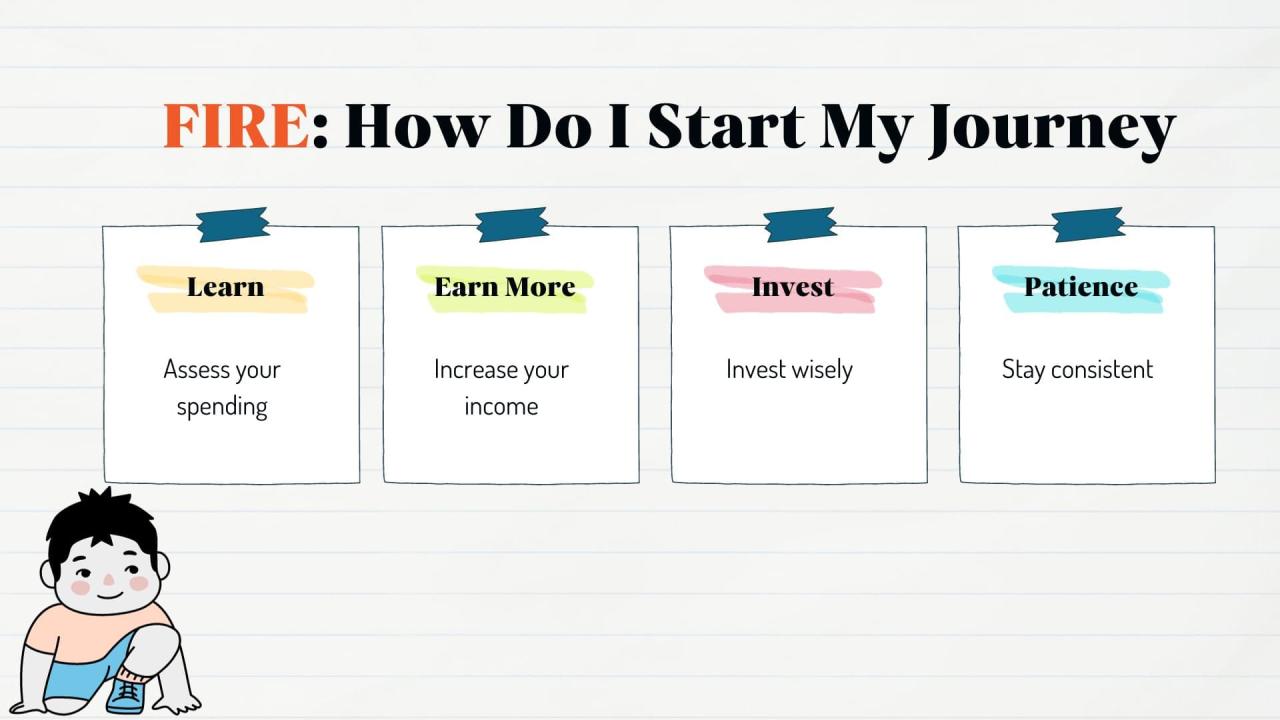
Achieving financial independence is a goal that requires careful planning, disciplined saving, and strategic investing. Individuals who aspire to financial freedom should consider various strategies that align with their personal circumstances and financial goals. By implementing these strategies, one can pave the way for a secure and independent financial future.A robust savings and investment plan serves as the cornerstone of financial independence.
Establishing a clear roadmap will guide individuals in making sound financial decisions. This plan should be tailored to one’s income, expenses, and future aspirations.
Creating a Savings and Investment Plan
An effective savings and investment plan is essential for building wealth over time. Below is a step-by-step guide to help individuals create a personalized plan:
1. Set Financial Goals
Begin by identifying short-term and long-term financial goals. This could include saving for retirement, a home, or education.
2. Assess Current Financial Situation
Review existing income, expenses, assets, and liabilities. Understanding your financial landscape helps in identifying areas for improvement.
3. Create a Budget
Establish a realistic budget that allocates funds for savings, investments, and essential expenses. This ensures that spending aligns with your financial goals.
4. Build an Emergency Fund
Aim to save at least three to six months’ worth of living expenses in a readily accessible account. This provides a safety net for unforeseen circumstances.
5. Determine Investment Strategy
Decide on an investment approach that fits your risk tolerance and financial goals. This might include stocks, bonds, mutual funds, or real estate.
6. Automate Savings and Investments
Setting up automatic transfers to savings and investment accounts can simplify the process and ensure consistent contributions over time.
7. Monitor and Adjust
Regularly review your financial plan and make adjustments as needed. This could involve increasing contributions, changing investment strategies, or re-evaluating financial goals.
Importance of Budgeting
Budgeting is a critical component of attaining financial independence. It allows individuals to track their income and expenditures, ensuring that they live within their means. A well-structured budget serves as a financial roadmap, guiding spending decisions and highlighting areas where savings can be made.Implementing effective budgeting techniques can significantly enhance your financial stability. Here are some methods to consider when creating a budget:
- The 50/30/20 Rule: Allocate 50% of your income to needs, 30% to wants, and 20% to savings and debt repayment. This simple framework helps in maintaining balance.
- Zero-Based Budgeting: Assign every dollar of income a specific purpose, resulting in a budget that totals zero at the end of the month. This encourages accountability and reduces waste.
- Envelope System: Use cash envelopes for different spending categories. When the cash runs out, spending in that category stops, promoting discipline in financial management.
- Tracking Expenses: Regularly track spending to identify patterns. This reveals potential areas for cuts and encourages mindful spending behaviors.
“A budget is more than just a collection of numbers; it is an embodiment of our values and priorities.”
By embracing these budgeting techniques, individuals can enhance their financial literacy, make informed decisions, and ultimately work towards achieving financial independence.
Common Misconceptions about Financial Independence
Many people view financial independence as an unattainable dream, often fueled by misunderstandings and myths. These misconceptions can create barriers that prevent individuals from taking meaningful steps toward achieving financial freedom. Understanding the realities of financial independence can empower you to make informed decisions about your financial future.One prevalent myth is that financial independence is only possible for the wealthy or those with high incomes.
This misconception overlooks the fact that financial independence is more about smart financial management than earning a large salary. It involves budgeting, saving, and investing wisely, regardless of your income level.
Myth: Financial Independence Requires a High Income
The belief that only high earners can achieve financial independence can discourage individuals from pursuing their financial goals. In reality, many people on modest incomes have successfully attained financial independence through disciplined saving and investing strategies. Here are key points to consider:
- Budgeting: Creating a structured budget allows individuals to identify areas where they can save money, irrespective of their income level.
- Investing Early: Starting to invest early, even small amounts, can result in substantial growth over time due to compound interest.
- Frugality: Living below your means and making conscious spending choices can significantly boost your savings rate.
“It’s not about how much you make; it’s about how much you keep and grow.”
Myth: Financial Independence Means Never Working Again
Another common misconception is that achieving financial independence means you must completely stop working. In truth, many financially independent individuals choose to continue working, but often in roles that they are passionate about rather than out of necessity.
- Work Optional: Financial independence can provide the freedom to choose projects or jobs that align with your interests.
- Side Hustles: Many people engage in side hustles or freelance work that brings them joy while supplementing their income.
- Retirement Redefined: Financial independence can allow for a flexible approach to retirement, enabling you to work part-time or pursue hobbies that generate income.
“Financial independence allows you to work because you want to, not because you have to.”
Myth: Financial Independence is a One-Size-Fits-All Approach
Many believe that there is only one way to achieve financial independence, often following popular trends or advice from influencers. However, personal finance is highly individualistic, and what works for one person may not work for another.
- Personal Goals: Your financial independence plan should reflect your unique goals, lifestyle, and values.
- Tailored Strategies: Customizing your investment and saving strategies based on your circumstances can lead to better outcomes.
- Continuous Learning: Staying informed about personal finance and adapting your strategies as your life changes is crucial to success.
“Your financial journey is unique; embrace it with a personalized plan.”
Myth: Financial Independence is Only About Money
Lastly, a common myth is that financial independence solely revolves around accumulating wealth. While financial resources are vital, true independence also encompasses emotional and mental well-being.
- Work-Life Balance: Financial independence can lead to a balanced lifestyle where personal fulfillment and well-being take precedence.
- Time Freedom: Having financial security grants you the time to invest in relationships and personal growth, not just wealth accumulation.
- Legacy Planning: Financial independence enables individuals to focus on creating a legacy, whether through charitable giving or supporting loved ones.
“Financial independence is as much about living well as it is about having money.”
The Role of Passive Income in Financial Independence
Passive income is a financial concept that refers to earnings derived from ventures in which a person is not actively involved on a day-to-day basis. This form of income is significant for anyone on the journey to financial independence, as it allows individuals to generate revenue without the necessity of continuous effort. Achieving financial independence means that one has sufficient income to cover their living expenses without having to rely on employment.
Thus, passive income acts as a cornerstone in building a sustainable financial future.Creating passive income streams can take various forms, each catering to different interests and skill sets. Below are some common examples of passive income sources along with brief descriptions on how to establish them:
Examples of Passive Income Streams
To understand the potential of passive income, it’s essential to explore various avenues available for generating such income. Here are several noteworthy examples:
- Real Estate Investments: Purchasing rental properties can provide a consistent monthly income. To create this stream, one needs to research potential properties, secure financing, and manage tenants or hire a property management service.
- Dividend Stocks: Investing in stocks that pay dividends offers a way to earn income while holding onto your investment. Research reputable companies known for their dividend payments and consider a diversified portfolio to reduce risk.
- Peer-to-Peer Lending: Engaging in platforms that allow individuals to lend money to others at interest rates can yield attractive returns. Thoroughly assess borrowers’ credit scores and platform reliability before investing.
- Online Courses: If you possess expertise in a particular area, creating and selling online courses can generate ongoing revenue. Use platforms like Udemy or Teachable to host your courses and promote them through social media.
- Affiliate Marketing: By promoting other companies’ products or services through your website or social media, you can earn commissions on sales. Build a niche audience and carefully select products that align with their interests.
While the allure of passive income is strong, it’s essential to recognize the challenges associated with building these streams. Many individuals face obstacles when attempting to create and maintain passive income sources. Understanding these challenges can help mitigate risks and enhance the chances of success.
Challenges in Building Passive Income
Creating passive income streams does not come without its difficulties. Here are common challenges faced along with strategies to overcome them:
- Initial Investment of Time and Money: Many passive income sources require a significant upfront investment of either. To counter this, consider starting small, learning the ropes, and gradually increasing your involvement as you gain confidence and resources.
- Market Fluctuations: Investments can be volatile, and passive income might fluctuate. Diversifying income streams can help stabilize earnings during market downturns.
- Maintenance and Management: Some passive income sources require ongoing management, such as rental properties. Hiring professionals for property management or utilizing automated tools for online businesses can alleviate some of this burden.
- Knowledge Gaps: Lack of expertise can hinder success. Investing time in learning through courses or mentorship can enhance your understanding of the areas you wish to invest in.
Building a sustainable passive income portfolio requires strategic planning and a willingness to learn and adapt. By navigating these challenges, individuals can effectively pursue financial independence through the power of passive income.
The Psychological Aspect of Financial Independence
Striving for financial independence goes beyond mere numbers and investments; it significantly impacts mental and emotional well-being. Pursuing this goal can evoke a range of feelings, from excitement to anxiety, as individuals navigate their financial journeys. Understanding these psychological implications is crucial for maintaining a balanced life while working towards financial freedom.The pursuit of financial independence often alters not just personal finances but also interpersonal relationships and societal perceptions.
As individuals prioritize their financial goals, they may find themselves reassessing their relationships with friends and family. This evolution can lead to both positive and negative effects, impacting social engagements, communication dynamics, and even lifestyle choices. Recognizing these shifts is essential for a harmonious journey toward financial independence.
Emotional Implications of Financial Independence
The emotional rollercoaster involved in the quest for financial independence can manifest in various ways. One significant aspect is the growing sense of autonomy and empowerment that accompanies financial control. Individuals who achieve financial independence often report heightened feelings of self-worth and personal achievement. However, this journey can also bring forth feelings of stress, fear, and uncertainty, especially during economic fluctuations or unexpected financial setbacks.To navigate these emotional challenges effectively, consider the following strategies that promote a healthy mindset:
- Set Realistic Goals: Establishing achievable, short-term goals can help alleviate anxiety and provide a sense of progress. Celebrate small wins to maintain motivation.
- Practice Mindfulness: Engaging in mindfulness exercises, such as meditation or journaling, can reduce stress levels and enhance emotional clarity.
- Establish a Support Network: Surrounding yourself with like-minded individuals who understand the journey fosters encouragement and shared experiences.
- Acknowledge Emotions: Recognizing and addressing feelings of fear or doubt is essential. Open discussions about these feelings can diminish their power and lead to constructive actions.
Influence on Interpersonal Relationships
The pursuit of financial independence can reshape relationships in various ways. Friends and family may react differently to an individual’s newfound focus on financial goals, leading to shifts in social dynamics. For instance, some may offer support and encouragement, while others might react with skepticism or jealousy. This can lead to feelings of isolation or misunderstanding.To mitigate potential negative impacts on relationships, consider these approaches:
- Communicate Openly: Sharing your financial aspirations with loved ones helps foster understanding and support. It can also invite them to join you in personal finance discussions.
- Be Mindful of Lifestyle Changes: As your financial situation changes, so might your lifestyle. Be sensitive to how these changes affect those around you, and strive to maintain connections.
- Encourage Joint Financial Discussions: Engaging in conversations about finances can demystify money matters and promote a collective approach to financial literacy among friends and family.
Societal Perceptions of Financial Independence
Societal views on financial independence are often shaped by cultural norms and values. In many societies, financial success is equated with personal worth and social status. This perception can add pressure on individuals striving for independence, leading to anxiety or the feeling of inadequacy if they do not meet such standards.To navigate societal pressures, individuals can:
- Focus on Personal Values: Align financial goals with personal beliefs and values rather than societal expectations. This alignment can foster a more authentic and fulfilling journey.
- Redefine Success: Understand that financial independence looks different for everyone. Embrace your unique path, irrespective of societal comparisons.
- Engage with Community Resources: Participating in financial education programs or support groups in your community can provide perspective and reduce feelings of isolation.
“Financial independence is not just about wealth; it’s about the freedom to live life on your terms.”
Financial Independence Across Different Life Stages
Achieving financial independence is a journey that varies significantly depending on one’s age and life circumstances. Understanding how financial goals transform as we progress through different life stages is crucial in developing effective strategies to achieve these objectives. This section delves into the unique financial independence goals for young adults, midlifers, and retirees while offering tailored strategies for each group.
Financial Independence for Young Adults
Young adults often find themselves at the beginning of their financial journey, balancing student loans, initial job salaries, and the desire for independence. At this stage, the primary focus is typically on establishing a strong financial foundation.To achieve financial independence, young adults can consider the following strategies:
- Budgeting Skills: Learning to budget effectively helps manage income and expenses, setting the groundwork for future financial health.
- Emergency Fund: Building an emergency fund of at least three to six months’ worth of expenses provides a financial safety net.
- Invest Early: Starting to invest early, even small amounts, can take advantage of compound interest over time. Consider options like IRAs or employer-sponsored retirement plans.
Financial Independence for Midlifers
As individuals enter their middle age, financial independence goals often shift towards more substantial wealth accumulation and retirement planning. This stage typically involves higher earnings but also increased responsibilities, including family and homeownership.Midlife financial strategies include:
- Retirement Savings Optimization: Maximize contributions to retirement accounts, especially if there’s an employer match, to secure future financial stability.
- Debt Reduction: Prioritize paying down high-interest debt, which can free up funds for savings and investments.
- Investment Diversification: Review and adjust investment portfolios to balance risk and return based on market conditions and life goals.
Financial Independence for Retirees
For retirees, the focus on financial independence often revolves around managing resources to sustain a comfortable lifestyle without employment income. This phase demands careful planning to ensure that savings last through retirement.Key strategies for retirees include:
- Withdrawal Strategy: Develop a sustainable withdrawal strategy from retirement accounts to ensure funds last throughout retirement, often following the 4% rule as a guideline.
- Healthcare Planning: Plan for healthcare costs, which can be a significant expense in retirement. Consider long-term care insurance and Medicare options.
- Legacy Planning: Establish an estate plan to manage assets and plan for wealth transfer to heirs, ensuring that financial independence can continue for future generations.
Reassessing Financial Independence Goals
Life circumstances can change unexpectedly, necessitating a reevaluation of financial independence goals. Regular assessments help ensure that financial plans remain aligned with personal objectives, whether due to career shifts, family changes, or economic fluctuations.To effectively reassess financial goals, consider:
- Annual Reviews: Conduct annual financial reviews to evaluate progress towards goals and make necessary adjustments.
- Adapt to Life Changes: Be prepared to adapt financial strategies in response to significant life changes such as marriage, children, or job loss.
- Seek Professional Advice: Consulting with a financial advisor can provide valuable insights and help refine strategies for achieving financial independence over time.
The Impact of Economic Factors on Financial Independence
Understanding financial independence is heavily influenced by the broader economic environment. Economic factors such as inflation rates, unemployment trends, interest rates, and market fluctuations play a crucial role in shaping individual financial strategies. By recognizing these influences, individuals can better navigate their journeys toward financial independence and make informed decisions.Economic trends directly impact personal financial situations, from employment opportunities to investment potential.
For example, during an economic downturn, individuals may face job losses, reduced incomes, or increased living costs, which can hinder their path to financial independence. Conversely, in a thriving economy, job growth and rising wages can support individuals in achieving their financial goals more effectively. Staying informed about financial markets and economic indicators is vital, as this knowledge allows individuals to adapt their strategies accordingly.
Monitoring Economic Indicators
Staying updated on various economic indicators is essential for individuals seeking financial independence. These indicators can provide insights into the current economic climate and forecasts that can influence personal finances. Here are some key indicators to monitor:
- Inflation Rate: This measures the rate at which the general level of prices for goods and services is rising. High inflation can erode purchasing power, impacting savings and investments.
- Unemployment Rate: This percentage indicates how many people are unemployed but actively seeking work. A high unemployment rate can suggest a struggling economy, which may affect job security and income stability.
- Interest Rates: Central banks influence interest rates through monetary policy. Higher interest rates can affect borrowing costs for loans and mortgages, impacting financial planning and investment strategies.
- Stock Market Performance: Fluctuations in stock prices can influence investment portfolios. Understanding market trends is crucial for making informed investment decisions.
Individuals can adapt their financial strategies based on these economic changes. For instance, during periods of rising interest rates, individuals might prioritize paying off high-interest debts and consider locking in fixed-rate loans. In contrast, during economic growth phases, individuals might feel more comfortable investing in stocks or real estate, taking advantage of favorable market conditions.
“Being proactive about understanding economic factors can empower individuals to make strategic financial decisions that align with their long-term goals.”
Real-life examples highlight how adapting financial strategies based on economic conditions can yield favorable outcomes. For instance, during the COVID-19 pandemic, many individuals pivoted to remote work, which led to savings in commuting costs. Some utilized these savings to invest in the stock market, taking advantage of lower prices during the initial market downturn. Others chose to focus on building an emergency fund as job security became uncertain.By being aware of and responsive to economic factors, individuals can better position themselves to achieve financial independence and navigate challenges that may arise along the way.
Final Wrap-Up

In summary, financial independence represents much more than just accumulating wealth; it signifies a profound shift towards personal empowerment and a fulfilling life. As we’ve explored, the journey requires strategic planning, a commitment to ongoing education, and the willingness to debunk common myths that may deter progress. By prioritizing financial wellness, individuals can unlock their potential for personal growth and freedom, ultimately crafting a life that aligns with their true passions and goals.
Essential FAQs
What is the main difference between financial independence and being wealthy?
Financial independence focuses on having enough income to cover living expenses without active work, while wealth refers to the total assets one possesses, which may not guarantee financial freedom.
Is financial independence achievable for everyone?
Yes, with proper planning, education, and disciplined financial practices, financial independence is attainable for most individuals, regardless of their starting point.
How long does it typically take to achieve financial independence?
The timeline varies greatly depending on individual circumstances, including income, expenses, savings rates, and investment strategies, but it generally requires several years of consistent effort.
Do I need to be rich to pursue financial independence?
No, financial independence can be pursued by anyone willing to budget, save, and invest wisely, regardless of current wealth.
What role does mindset play in achieving financial independence?
A positive mindset is crucial; it helps individuals stay motivated, overcome setbacks, and remain committed to their financial goals.