Budgeting tools have become essential allies in navigating personal finances, helping individuals track expenses and allocate resources more effectively. With a myriad of options available, from user-friendly apps to comprehensive software, finding the right tool can transform financial management from a daunting task to an empowering journey.
This exploration into budgeting tools highlights the various types available, their unique features, and the importance of selecting the best fit for your financial goals. With the right budgeting tool, you can gain better insights into your spending habits, enabling you to make informed decisions for a secure financial future.
Various types of budgeting tools available in the market

Budgeting is an essential aspect of personal finance management, and various tools are available to help individuals and families keep their finances on track. Each type of budgeting tool has its unique features, advantages, and drawbacks, catering to different preferences and financial situations. This overview will explore the main categories of budgeting tools: apps, spreadsheets, and software programs, along with popular examples and their characteristics.
Budgeting Apps
Budgeting apps are increasingly popular due to their convenience and accessibility, allowing users to manage their finances directly from their smartphones. These apps typically offer features such as expense tracking, budget creation, and financial goal setting.
- Mint: Mint is a widely used budgeting app that allows users to track spending, create budgets, and manage bills all in one place. Its unique feature is the ability to link multiple bank accounts and credit cards, providing a comprehensive view of finances. However, some users may express concerns over data security.
- YNAB (You Need A Budget): YNAB focuses on proactive budgeting by encouraging users to allocate every dollar to a specific category. Its unique approach helps improve financial awareness, but it comes with a subscription fee that may deter some users.
- EveryDollar: Developed by financial guru Dave Ramsey, EveryDollar simplifies budgeting with a user-friendly interface. It offers both free and premium versions but lacks some advanced features found in other apps.
Spreadsheets
Spreadsheets are a versatile option for those who enjoy a hands-on approach to budgeting. They allow for extensive customization and can be tailored to meet individual needs.
- Google Sheets: This cloud-based spreadsheet tool allows users to create personalized budgeting templates, collaborate with others, and access data from anywhere. Its flexibility is a significant benefit, but users must be comfortable with spreadsheet formulas to utilize its full potential.
- Microsoft Excel: Excel is a powerful spreadsheet program that offers various budgeting templates and advanced data analysis tools. Its complexity can be a drawback for beginners who may find it overwhelming.
Software Programs
Budgeting software programs provide comprehensive features for individuals looking to manage their finances more thoroughly. These programs often include reporting tools, investment tracking, and more detailed analysis.
- Quicken: Quicken is a robust software solution that allows users to manage not only budgets but also investments and bills. Its detailed reporting features are beneficial for in-depth financial analysis. However, it requires a subscription, which some might find costly.
- Personal Capital: This software combines budgeting with investment tracking, making it unique in its ability to provide a holistic view of one’s financial health. While it’s great for tracking net worth, some users may find its investment-focused features unnecessary for basic budgeting.
Choosing the right budgeting tool depends on individual preferences, financial goals, and the level of complexity desired in personal finance management.
Budgeting tools come in various forms, each offering distinct features and benefits. Understanding these different categories will help individuals select the tool that best fits their financial lifestyle and objectives.
The importance of selecting the right budgeting tool for personal finance management
Finding the right budgeting tool is a crucial step in managing personal finances effectively. With numerous options available, selecting a tool that aligns with individual needs can greatly enhance financial oversight, saving time and reducing stress. Understanding the features that matter most can empower users to make informed decisions.User experience plays a significant role in the choice of a budgeting tool.
The interface should be intuitive and user-friendly, allowing individuals to navigate easily without excessive effort. Moreover, compatibility with various devices—such as smartphones, tablets, and desktops—ensures that users can manage their finances anytime, anywhere. Financial goals, whether they involve saving for a vacation, repaying debt, or investing for the future, should drive the selection process. A tool that caters to specific goals can provide tailored insights, fostering better financial habits.
Factors influencing budgeting tool selection
Several factors come into play when choosing a budgeting tool. Understanding these can help individuals identify the right fit for their financial journey.
- User Interface: A visually appealing and easy-to-use interface can significantly enhance the budgeting experience, making it less intimidating for users.
- Features and Flexibility: Tools that offer customizable features and flexibility to accommodate changing financial situations are highly advantageous.
- Integration: The ability to link bank accounts and credit cards for real-time tracking is critical for accurate budgeting.
- Support and Resources: Access to educational resources, such as articles, forums, and customer support, can aid users in making the most of their budgeting tool.
Different budgeting tools cater to various financial needs and preferences. For instance, some applications target minimalists seeking a simple interface with basic functionalities, while others provide comprehensive features for detailed financial analysis. Tools like Mint or YNAB (You Need A Budget) offer robust tracking and goal-setting capabilities, whereas spreadsheet templates appeal to those who prefer manual entries and customization.
Choosing between free and paid budgeting tools
When deciding between free and paid budgeting tools, it’s essential to weigh the advantages and limitations of each option. Free budgeting tools often provide basic functionalities, which can be sufficient for individuals with straightforward financial needs. However, these tools may lack advanced features, such as personalized financial advice or in-depth reporting.Paid budgeting tools typically offer enhanced features, including advanced analytics, better customer support, and more robust security measures.
For example, tools like EveryDollar and Personal Capital come with premium options that allow users to access exclusive features, enhancing the overall budgeting experience.
“Investing in a quality budgeting tool can lead to greater financial clarity and progress toward your financial goals.”
In summary, selecting the right budgeting tool requires careful consideration of personal preferences, financial goals, and the specific features offered by each tool. Making an informed choice between free and paid options can significantly impact personal finance management, ultimately leading to improved financial health.
A step-by-step guide to setting up a budgeting tool effectively
When embarking on the journey of setting up a budgeting tool, it’s essential to approach the task with a clear plan. A well-structured budgeting tool can serve as your financial compass, guiding you towards better spending habits and financial health. This guide will walk you through the initial steps, customization options, and precise methods to input and track your financial data accurately.
Initial steps to consider when starting with a budgeting tool
Before diving into the customization of your budgeting tool, it’s crucial to lay a solid foundation. These initial steps will help you understand your financial landscape better:
- Determine your financial goals: Identify what you want to achieve, whether it’s saving for a vacation, paying off debt, or building an emergency fund.
- Gather financial documents: Collect your bank statements, bills, pay stubs, and any other financial records. This information will be instrumental in creating a comprehensive budget.
- Choose the right budgeting tool: There are various budgeting tools available, both digital and paper-based. Select one that aligns with your comfort level and meets your specific needs.
Customization of the budgeting tool for individual budgeting needs
Customizing your budgeting tool allows it to reflect your unique financial situation. Tailoring the tool enhances its effectiveness and ensures your budgeting aligns with your personal financial goals. Here are some key aspects to customize:
- Set up categories: Break down your expenses into categories such as housing, transportation, food, entertainment, and savings. This categorization helps in monitoring spending patterns.
- Adjust budget limits: Based on your financial goals and past spending habits, set realistic budget limits for each category. Ensure these limits encourage responsible spending without being overly restrictive.
- Use visuals: Incorporate graphs or pie charts to visualize your spending. Visual aids can provide immediate insights into where your money is going, making it easier to adjust when necessary.
Inputting financial data and tracking expenses accurately
Accurate data entry is vital for an effective budgeting tool. Following a systematic approach to input your financial data and track your expenses will enhance the reliability of your budget. Here’s how to manage this process effectively:
- Record income accurately: Input all sources of income, including salary, freelance work, or side jobs. Ensure to note the frequency of each income source to project your monthly earnings accurately.
- Track all expenses: Document every expenditure promptly, whether it’s a one-time purchase or recurring payments. Utilize expense tracking apps or spreadsheets to log these details daily.
- Review and adjust regularly: Schedule monthly reviews of your budget to assess performance against your goals. Adjust categories and limits accordingly to accommodate any changes in income or expenses.
“A budget is telling your money where to go instead of wondering where it went.” – John C. Maxwell
Comparing manual budgeting versus automated budgeting tools
Manual budgeting and automated budgeting tools represent two distinct approaches to financial planning and management. Understanding the differences between these methods is essential for individuals and businesses looking to optimize their budgeting process. While manual budgeting often emphasizes personal control and understanding, automated tools offer efficiency and precision, catering to a diverse range of users.The primary distinction between manual budgeting and automated tools lies in the method of execution.
Manual budgeting involves traditional techniques such as pen-and-paper budgeting, spreadsheets, or simple accounting ledgers. In contrast, automated budgeting tools utilize software applications or online platforms that automatically track income and expenses, generating reports and insights with minimal user input.
Key Differences and Considerations
When evaluating manual budgeting versus automated tools, several factors come into play. Below are the pros and cons of each method concerning time efficiency and accuracy.
Time Efficiency
Manual budgeting often requires significant time investment, especially at the beginning stages. Users must input data, track transactions, and reconcile accounts manually. Conversely, automated tools streamline these processes, significantly reducing the time spent on budgeting.
- Manual Budgeting: Time-consuming for data entry and reconciliation, especially for complex budgets.
- Automated Tools: Save time through automated data gathering and real-time updates, allowing users to focus on analysis rather than entry.
Accuracy
The accuracy of budgeting methods can vary widely based on the user’s attention to detail. Manual methods are prone to human error, particularly if calculations become complex. Automated tools generally enhance accuracy through programmed algorithms and real-time data integration.
- Manual Budgeting: Higher risk of error due to manual calculations and potential oversight in data entry.
- Automated Tools: Minimized errors through automation, although reliance on technology can lead to inaccuracies if data sources are incorrect.
Preferred Scenarios for Each Method
Certain situations may favor either manual budgeting or automated tools, depending on individual circumstances and preferences.
- Manual Budgeting: Ideal for individuals who prefer hands-on control over their finances, such as those starting their budgeting journey or aiming to deepen their financial understanding.
- Automated Tools: Beneficial for busy professionals or businesses with complex finances, where instant insights and reduced time commitment are essential for decision-making.
“Choosing the right budgeting method depends not only on the user’s skill level and time availability but also on the complexity of their financial situation.”
How to use budgeting tools to achieve financial goals
Budgeting tools are essential companions on the journey to financial success. They provide a structured approach to managing your finances, helping you set and achieve your financial goals. By utilizing these tools, you can gain clarity on where your money is going, enabling you to make informed decisions that align with your aspirations. This discussion highlights how to effectively use budgeting tools for setting realistic financial goals, analyzing spending patterns, and maintaining accountability and motivation in your financial planning.
Setting Realistic Financial Goals and Tracking Progress
Establishing realistic financial goals is the cornerstone of effective budgeting. Begin by defining short-term and long-term objectives, whether it’s saving for a vacation, paying off debt, or planning for retirement. Budgeting tools serve as a platform to track these goals, allowing you to visualize your progress over time. Tools often include features like goal tracking and financial projections. For instance, if you set a goal to save $5,000 for a vacation within a year, you can allocate a specific amount monthly, say $417.
This breakdown simplifies the process and keeps you focused.
“Goals should be SMART: Specific, Measurable, Achievable, Relevant, and Time-bound.”
Analyzing Spending Patterns and Adjusting Budgets
Understanding your spending habits is vital for effective budgeting. Budgeting tools provide insights into where your money is spent, helping to identify trends and areas for improvement. By reviewing spending patterns, you can distinguish between essential and discretionary expenses. For instance, if a monthly review reveals that you consistently spend $200 on dining out, you can decide to cut this expense by 50% to allocate funds towards savings.
Tools often feature categorization of expenses, making it easier to spot trends and adjust budgets accordingly.
“Regular analysis of spending is key to staying on track with your financial goals.”
Maintaining Accountability and Motivation
Staying accountable and motivated is crucial for successful financial planning. Budgeting tools often include features that allow for sharing your goals with trusted friends or family members, creating a support system. By sharing your progress, you establish a sense of accountability, which can motivate you to stick to your budget.Moreover, tools that offer gamification elements, such as rewards for reaching certain milestones, can enhance your motivation.
For instance, some applications allow you to earn points for staying under budget, which can be redeemed for rewards. This makes the budgeting process more engaging and encourages you to remain committed to your financial goals.
“Accountability and motivation are essential for maintaining momentum in your financial journey.”
The role of budgeting tools in improving financial literacy
Budgeting tools have become essential instruments in the modern financial landscape, particularly when it comes to enhancing financial literacy among users. These tools not only help individuals track their spending but also serve as educational resources that promote better understanding and management of personal finances. By introducing users to fundamental financial concepts, budgeting tools empower them to make informed decisions that can lead to greater financial stability.Budgeting tools often come equipped with features designed to enhance users’ grasp of various financial topics.
For instance, many tools offer interactive graphs and charts that visualize income versus expenses, helping users understand their spending patterns. This visual representation makes it easier for individuals to see where their money is going, thus fostering an awareness that is crucial for informed financial planning. Additionally, some budgeting applications include built-in calculators for savings goals, loan repayments, and investment projections.
These calculators provide practical examples of financial scenarios, allowing users to experiment with different variables.
Features that enhance understanding of financial concepts
The following features within budgeting tools can significantly enhance users’ understanding of financial concepts, making them invaluable educational resources:
- Goal Setting: Many budgeting tools allow users to set and track financial goals. This feature teaches users the importance of budgeting for future needs, such as saving for a vacation or a down payment on a house.
- Expense Categorization: Budgeting tools often categorize expenses into various groups (e.g., housing, food, entertainment). This categorization helps users understand where they allocate their funds and identifies areas for potential savings.
- Spending Alerts: Real-time alerts for overspending in certain categories help users stay accountable and understand the consequences of their financial choices, reinforcing the concept of impulse control.
- Educational Resources: Some budgeting tools provide articles, videos, and tutorials on financial literacy topics. These resources can range from understanding credit scores to effective investing strategies, equipping users with knowledge that extends beyond just budgeting.
- Scenario Simulations: Advanced budgeting tools may include features that allow users to simulate different financial scenarios. For example, users can see how increasing their savings rate affects long-term goals, enabling them to grasp the impact of their financial decisions over time.
Consistent use of budgeting tools significantly influences financial decision-making. Users who regularly engage with these tools can develop a deeper understanding of their financial situation, which empowers them to make proactive choices rather than reactive ones. For instance, by tracking their spending patterns over time, individuals can identify unnecessary expenses and adjust their budgets accordingly. This habit not only leads to better financial health but also builds confidence in handling personal finances.
As users become more educated about their financial habits, they are likely to make more informed decisions regarding investments, savings, and debt management, ultimately contributing to their long-term financial well-being.
Integrating budgeting tools with other financial management systems
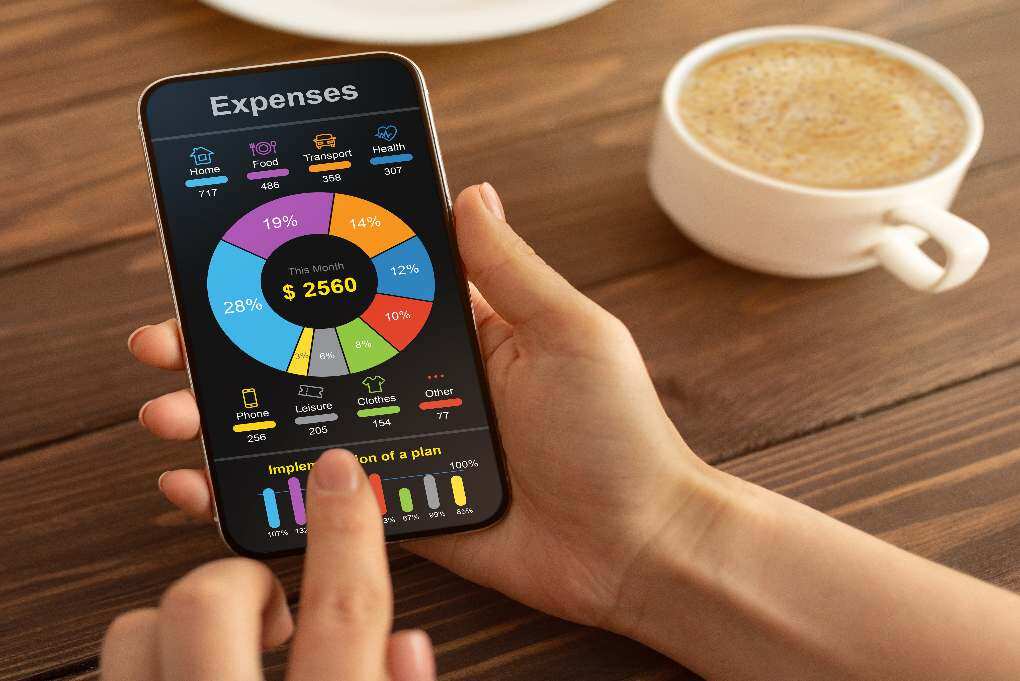
Integrating budgeting tools with other financial management systems can significantly enhance your financial oversight. By connecting budgeting tools to bank accounts and investment platforms, you create a more streamlined approach to tracking your income, expenses, and investments, which ultimately leads to better financial decision-making.The primary advantage of integrating budgeting tools with your bank accounts is the automatic syncing of transactions.
This feature minimizes manual entry, reducing errors and saving time. Similarly, linking to investment platforms allows you to track your assets in real-time, providing insights into how your investments impact your overall financial health. This integration fosters a comprehensive view of your financial status, allowing you to see not just what you earn and spend, but also how your investments contribute to your net worth.
Examples of software that integrate well with budgeting tools
Several software solutions stand out for their ability to seamlessly integrate with budgeting tools, enhancing the overall financial management experience. Below are some noteworthy examples:
- Mint: This budgeting tool connects directly to your bank and investment accounts, allowing real-time tracking of transactions and investments. Mint offers insights into spending habits and helps identify areas where you can save.
- YNAB (You Need A Budget): YNAB not only helps with budgeting but also integrates with bank accounts for automatic updates. Its proactive approach encourages users to allocate funds effectively, enhancing financial planning.
- Personal Capital: This platform focuses on investments, offering robust tools for tracking your portfolio alongside budgeting features. By connecting your accounts, it provides a holistic view of your financial situation.
- Quicken: Quicken allows users to manage both budgeting and investments in one place. Its integration capabilities with bank accounts and investment platforms provide comprehensive financial reporting.
Integration of these tools leads to more informed financial decisions, as users can analyze their spending habits alongside their investment performance, ultimately guiding them toward achieving their financial goals. By leveraging these integrations, individuals can ensure their financial management is as efficient and effective as possible.
Common mistakes to avoid when using budgeting tools
Budgeting tools are designed to simplify financial management, yet many users encounter pitfalls that can undermine their effectiveness. Understanding these common mistakes is crucial for maximizing the potential of any budgeting tool. By identifying and correcting these errors, users can create a more accurate and efficient budgeting experience.One frequent mistake is underestimating expenses. Users often overlook variable costs such as groceries, entertainment, and unexpected bills.
This leads to an unrealistic budget that does not reflect actual spending habits. To counter this, it’s vital to track all expenses over a few months to get a comprehensive view of spending patterns. This insight allows for more accurate projections in budgeting tools.
Neglecting Regular Updates
Failing to regularly update budgeting tools can lead to outdated financial data, which can skew budget accuracy. Many users set up their budget and forget about it, leading to discrepancies between budgeted and actual amounts. Regular updates are essential for maintaining an accurate financial picture. Here are some strategies to ensure your budgeting tool remains current:
- Schedule monthly reviews of your budget to ensure all transactions are recorded.
- Utilize automatic syncing features if available, which can pull in bank transactions in real-time.
- Adjust budget categories to reflect changes in income or expenses throughout the year.
“A budget is not just about limiting spending; it’s about making your money work for you.”
Another common error is setting unrealistic financial goals. Users may aim to save an enormous percentage of their income without considering their lifestyle needs or obligations. This often leads to frustration and abandonment of the budgeting process altogether. Instead, it’s advisable to set achievable goals that can be gradually adapted as financial situations improve. A balanced approach could involve:
- Starting with small, manageable savings goals before increasing them as habits solidify.
- Incorporating rewards for meeting financial milestones to maintain motivation.
- Reviewing and adjusting goals based on life changes such as job changes or family growth.
Ignoring Financial Trends
Another significant mistake is neglecting to analyze financial trends. Many users may focus solely on immediate expenses without recognizing broader financial patterns that could impact future budgeting. Ignoring trends can lead to missed opportunities for savings or investments. To enhance the understanding of financial health, consider:
- Reviewing spending over the past year to identify peak spending months and adjust future budgets accordingly.
- Comparing current expenses with historical data to spot anomalies or areas for improvement.
- Using charts and graphs available in many budgeting tools to visualize data trends effectively.
Personal anecdotes often highlight these pitfalls. For instance, a friend of mine became frustrated with budgeting when he consistently overspent on coffee. After tracking his expenses for a month, he discovered that his daily coffee runs were draining his budget more than expected. He adjusted his budget, included this variable expense, and ultimately found a balance that allowed him to enjoy his coffee habit without derailing his financial goals.Recognizing and addressing these common mistakes can significantly enhance the effectiveness of budgeting tools, leading to better financial decisions and a smoother budgeting process.
Future trends in budgeting tools and technology
As technology continues to evolve, budgeting tools are becoming more sophisticated, catering to the increasing demands of users who seek better financial management solutions. The integration of innovative technologies such as artificial intelligence (AI) and machine learning is significantly shaping the future of budgeting tools, making them more intuitive and user-friendly. These advancements are set to transform how individuals manage their finances, offering personalized insights and streamlined processes.
Emerging technologies shaping budgeting tools
AI and machine learning are at the forefront of the revolution in budgeting tools. These technologies enable software to analyze vast amounts of financial data quickly, providing users with tailored recommendations and insights. For instance, AI algorithms can track spending patterns and predict future expenses, helping users to create more accurate budgets. Machine learning can continuously improve the tool’s performance by learning from user interactions, making budgeting more efficient over time.
Additionally, the rise of mobile applications has made budgeting more accessible, allowing users to manage their finances on-the-go. Many of these apps integrate with bank accounts and credit cards, automatically categorizing transactions and providing real-time updates on spending trends. This seamless integration of technology into everyday financial tasks enhances user engagement and promotes a proactive approach to budgeting.
Evolving user expectations and in-demand features
As technology advances, user expectations evolve alongside it. Today’s consumers are looking for budgeting tools that not only help them track their spending but also provide a comprehensive view of their financial health. Key features that users are increasingly demanding include:
- Real-time notifications: Users appreciate instant alerts regarding spending limits or unusual transactions, promoting accountability and awareness.
- Integration with financial services: The ability to connect with various financial institutions and investment platforms is essential for a holistic view of one’s finances.
- Customizable budgeting categories: Users prefer tools that allow them to tailor categories to fit their lifestyle, ensuring a more personal budgeting experience.
- Forecasting tools: Predictive analytics that forecast future financial situations based on historical data empower users to make informed decisions.
Budgeting tools that can adapt to these changing user expectations will likely see greater adoption and user satisfaction. The combination of appealing design and functionality will also play a critical role in user retention.
Predictions on the impact of these trends
The integration of AI and advanced analytics into budgeting tools is expected to have a profound impact on personal finance management. Users will benefit from increased efficiency and accuracy in budgeting, leading to better financial decision-making. For example, platforms like Mint and YNAB (You Need A Budget) are already leveraging these technologies, allowing users to experience unique budgeting insights and strategies.As these trends continue to grow, we can anticipate a shift in the financial literacy landscape.
More individuals will become adept at managing their finances due to the support offered by intelligent budgeting tools. The future may even see the emergence of virtual financial advisors powered by AI, providing personalized financial advice and guidance based on a user’s unique circumstances.In summary, the future of budgeting tools and technology is not just about tracking expenses; it’s about creating an interactive and personalized financial experience that empowers users to take control of their financial lives.
Conclusion
In conclusion, budgeting tools play a pivotal role in enhancing financial literacy and achieving fiscal goals. By understanding the different options and how to use them effectively, individuals can steer their financial journeys with confidence. As technology continues to evolve, these tools will only become more integral to personal finance management, paving the way for smarter, more informed financial decisions.
Questions and Answers
What are the most popular budgeting apps?
Some popular budgeting apps include Mint, YNAB (You Need A Budget), and PocketGuard, each offering unique features to help manage finances.
Are free budgeting tools effective?
Yes, many free budgeting tools are effective, but they may lack advanced features found in paid options. It’s essential to choose one that meets your specific needs.
How do I know which budgeting tool is right for me?
Evaluate your financial goals, user experience preferences, and whether you prefer simplicity or comprehensive features to determine the right tool.
Can I use multiple budgeting tools at once?
Yes, using multiple budgeting tools is possible, but it may complicate tracking and could lead to confusion. It’s best to find one that meets all your needs.
How often should I update my budgeting tool?
Updating your budgeting tool regularly, ideally weekly or monthly, ensures your financial data is accurate and helps you stay on track with your goals.