Online money transfer platforms have revolutionized the way we handle financial transactions, breaking down geographical barriers and simplifying monetary exchanges. From the early days of rudimentary electronic systems to today’s sophisticated digital wallets and cryptocurrencies, the evolution of these services is nothing short of remarkable. They not only facilitate quick and easy transfers but also introduce an array of options tailored to diverse consumer needs.
This evolution is marked by significant innovations that have redefined the landscape of online transactions, providing unprecedented convenience and speed. With an ever-expanding array of methods—from traditional bank transfers to cutting-edge blockchain solutions—understanding these systems is essential for anyone looking to navigate the modern financial world. The importance of security and regulations in this realm further highlights the complexities involved in ensuring safe and reliable transactions.
The Evolution of Online Money Transfer Systems
The evolution of online money transfer systems has been one of the most significant advancements in the financial sector over the past few decades. From the early days of bank wires to the seamless digital transactions we experience today, these systems have transformed how individuals and businesses conduct financial exchanges. Understanding this evolution allows us to appreciate the innovations that have made online money transfers more accessible, efficient, and secure.
Key innovations that facilitated the rise of online payment transactions include the development of the internet, advancements in encryption technology, and the emergence of mobile payment platforms. Initially, online money transfer systems relied on traditional banking infrastructures, which were often cumbersome and slow. For instance, the Automated Clearing House (ACH), established in the 1970s, enabled electronic funds transfers, but the process could take several days.
This lag was often attributed to the manual processes involved in approving and processing transactions.
The introduction of the World Wide Web in the 1990s marked a pivotal moment for money transfers. Online banking became commonplace, allowing users to transfer funds via their bank’s website. However, early systems faced limitations such as high fees, limited transaction amounts, and a lack of user-friendliness. Notably, PayPal launched in 1998, revolutionizing online payments by providing a user-friendly platform that allowed people to send money using just an email address.
While it improved accessibility, early PayPal transactions had issues with chargebacks and security, making users hesitant to fully embrace the technology.
As technology advanced, so did the capabilities of online money transfer systems. Innovations such as blockchain technology, introduced with Bitcoin in 2009, offered a decentralized mechanism for secure transactions without intermediaries. This was a game-changer, drastically reducing costs and transfer times. Modern solutions, like Venmo and Zelle, have capitalized on this evolution, allowing users to make instant payments from their smartphones, often without any transaction fees.
These platforms also incorporate social elements, enhancing user engagement and convenience.
In summary, the historical development of online money transfer systems showcases a journey from slow, traditional methods to rapid, innovative solutions that emphasize speed, security, and user experience. The ongoing evolution in this field continues to shape how we handle financial transactions in our daily lives.
Understanding Different Methods of Online Money Transfers
Online money transfers have revolutionized the way we handle financial transactions, making it more convenient to send and receive money across the globe. Various methods are available today, each with its unique features, benefits, and considerations. This discussion will focus on the primary methods: bank transfers, e-wallets, and cryptocurrency. By understanding these options, users can choose the best method that aligns with their needs and circumstances.
Methods of Conducting Online Money Transfers
There are several ways to conduct online money transfers, each varying in terms of convenience, speed, and costs. Below are the primary methods commonly used:
- Bank Transfers: Traditional bank transfers involve sending money directly from one bank account to another. This method is secure and widely accepted, often used for both domestic and international transactions.
- E-Wallets: Digital wallets like PayPal, Venmo, and Skrill allow users to store and send money electronically. They provide a fast and user-friendly platform for personal and business transactions.
- Cryptocurrency: Digital currencies like Bitcoin and Ethereum offer a decentralized way of transferring money. They can provide lower transaction fees and faster processing times, depending on the network traffic.
Each method presents its own structure in terms of processing time and fees. Here’s a detailed comparison:
| Method | Fees | Processing Time |
|---|---|---|
| Bank Transfers | Varies; typically $0 to $30 for international transfers. | 1 to 5 business days. |
| E-Wallets | Usually around 2.9% + $0.30 per transaction. | Instant to a few hours. |
| Cryptocurrency | Network fees can range from a few cents to several dollars, depending on congestion. | 10 minutes to 1 hour. |
Security Protocols Protecting Online Money Transfers
Security is a paramount concern when it comes to online money transfers. A range of protocols and technologies are utilized to safeguard these transactions and protect user data. Key security measures include:
- Encryption: Most financial platforms employ encryption technologies like SSL (Secure Socket Layer) to secure data transmitted over the internet. This ensures that sensitive information such as bank account numbers and personal identification details remain confidential.
- Two-Factor Authentication (2FA): Many services require 2FA to add an extra layer of security. Users must verify their identity through a second method, such as a mobile app or text message, before completing transactions.
- Fraud Detection Systems: Online platforms often implement advanced algorithms that analyze transaction patterns to detect and flag suspicious activities in real-time.
- Secure Access Protocols: Techniques like tokenization replace sensitive data with unique identification symbols, ensuring that even if data is intercepted, it cannot be exploited.
- Regular Security Audits: Trusted platforms routinely conduct security audits and penetration testing to identify vulnerabilities and enhance their defenses.
These security protocols work collectively to create a robust framework that helps prevent fraud and unauthorized access, instilling confidence for users engaging in online money transfers. Understanding these measures is crucial for users to choose secure platforms for their financial transactions.
The Role of Security in Online Financial Transactions
In an era where online transactions have become part of daily life, the importance of security in online money transfers cannot be overstated. As consumers increasingly rely on digital platforms for their financial needs, the threat of fraud and data breaches has risen correspondingly. Consequently, implementing robust security measures is essential to safeguard sensitive information and maintain consumer trust. This section delves into the critical aspects of security technology and its impact on the financial industry.
Security Measures to Prevent Fraud and Data Breaches
The landscape of online financial transactions is fraught with risks, making the implementation of comprehensive security measures crucial. With the rise of cybercrime, businesses must adopt advanced technologies to protect their users. Two key technologies that enhance transaction security are encryption and two-factor authentication (2FA).Encryption is a fundamental security protocol that protects data transmitted between users and financial institutions. By converting sensitive information into a coded format, encryption ensures that even if data is intercepted, it remains unreadable to unauthorized parties.
For instance, many banks utilize Advanced Encryption Standard (AES), which is recognized for its robust security capabilities.Two-factor authentication adds an additional layer of security by requiring users to provide two forms of verification before completing a transaction. This might involve entering a password and then confirming a code sent to the user’s mobile device. As a practical example, platforms like PayPal and Venmo have implemented 2FA, significantly reducing the risk of unauthorized access to accounts.The implications of security breaches extend far beyond immediate financial loss.
When consumers feel their personal and financial data is at risk, their trust in online services diminishes. According to a 2021 study by IBM, the average cost of a data breach was $4.24 million, and companies often face long-term repercussions, such as damaged reputations and loss of customer loyalty. For instance, the 2017 Equifax breach exposed sensitive information of over 147 million consumers, leading to a significant decline in trust and a drop in stock prices.In summary, the integration of security technologies like encryption and 2FA is vital for ensuring the safety of online financial transactions.
The impacts of security breaches can severely undermine consumer trust, illustrating the need for continual investment in advanced security measures within the financial sector.
Regulatory Framework Governing Online Money Transfers
Online money transfer services operate within a complex landscape of legal and regulatory frameworks that vary significantly across jurisdictions. These frameworks are designed to protect consumers, prevent fraud, and combat money laundering and terrorism financing. As the digital economy expands, understanding these regulations is crucial for both service providers and users to navigate compliance and safeguard their transactions.Regulatory compliance is a foundational aspect of online money transfer services.
Different countries impose unique legal requirements that service providers must follow, which can include obtaining licenses, adhering to anti-money laundering (AML) regulations, and ensuring data protection measures are in place. For instance, in the United States, services must comply with the Bank Secrecy Act (BSA) and the Financial Crimes Enforcement Network (FinCEN) regulations, which require reporting large transactions and suspicious activities.
Similarly, in the European Union, the Payment Services Directive (PSD2) enhances consumer protection and mandates strong customer authentication, placing significant responsibilities on providers.
Compliance Requirements by Jurisdiction
The implications of regulatory changes can have profound effects on both service providers and consumers. Regulations are not static; they evolve in response to emerging technologies and threats. For online money transfer companies, staying compliant means continuously updating their practices and systems to align with new laws. This can involve investing in compliance technologies and training staff, which may increase operational costs.For consumers, these regulatory requirements can improve the safety and security of their transactions.
Enhanced compliance measures can lead to better fraud protection and ensure that consumer rights are upheld. However, increased compliance can also result in higher fees or longer transaction times as providers implement necessary changes. The balance between stringent regulations and the user experience is delicate; regulations should aim to protect consumers without stifling innovation.
Regulatory frameworks act as a double-edged sword, promoting security while potentially increasing costs.
As an example, the implementation of GDPR in Europe has forced many online money transfer services to enhance their data protection measures significantly. While this has benefits in terms of consumer trust and data security, it can also complicate cross-border transactions and compliance efforts, especially for companies operating in multiple jurisdictions. Ultimately, the landscape of online money transfers is shaped by these regulatory frameworks, necessitating adaptability and vigilance from both providers and consumers alike.
The Impact of Mobile Technology on Money Transfers
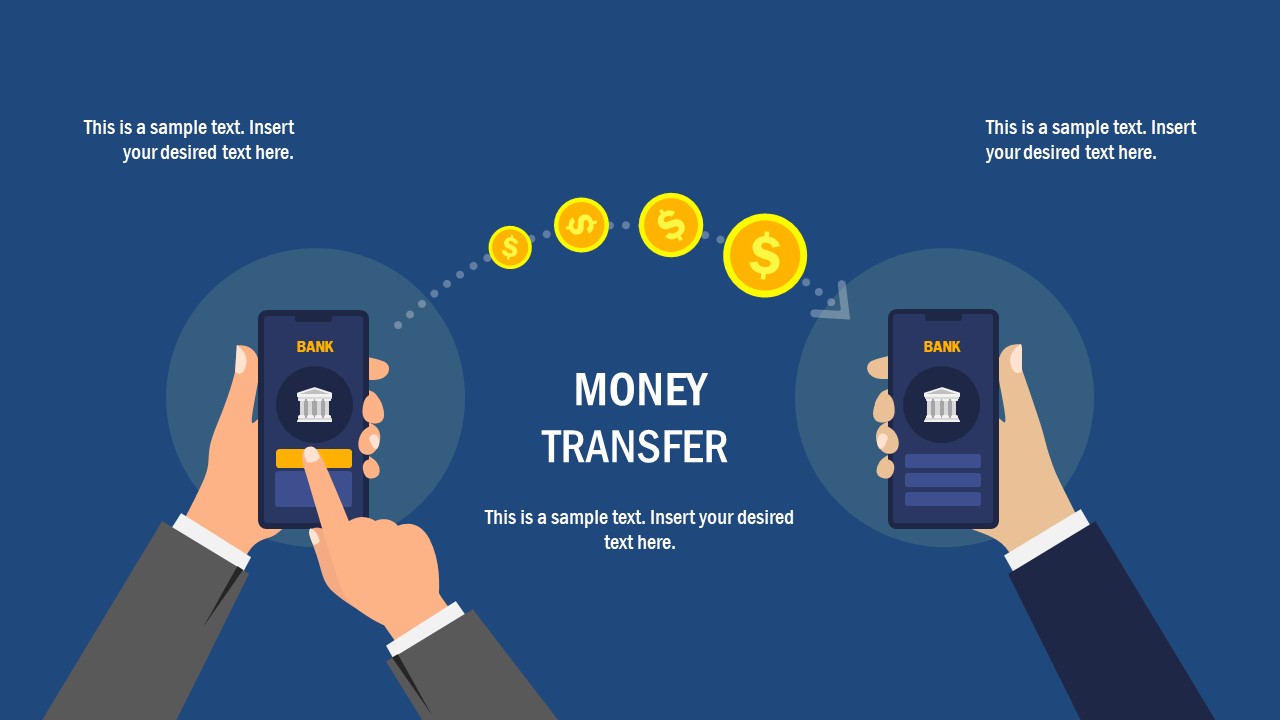
The advent of mobile technology has significantly reshaped the landscape of online money transfers, enhancing accessibility and convenience for users worldwide. With smartphones becoming ubiquitous, individuals can now send and receive money at their fingertips, making financial transactions easier than ever before. This transformation is not only about speed; it also encompasses increased security, lower costs, and improved user experiences that cater to diverse consumer needs.Mobile technology has facilitated the rise of numerous applications that streamline the money transfer process.
These mobile apps boast user-friendly interfaces, allowing users to navigate effortlessly through various features such as sending money, tracking transactions, and managing accounts. A key aspect of these apps is their ability to integrate with users’ existing bank accounts and digital wallets, providing a seamless experience. Popular services like Venmo, PayPal, and Cash App exemplify how mobile technology has democratized money transfers, enabling users to engage in peer-to-peer transactions without the need for traditional banking infrastructure.
Future Trends in Mobile Money Transfer Technologies
The future of mobile money transfer technologies is poised for dramatic changes, driven by innovations in technology and shifts in consumer behavior. Key trends include the rise of blockchain technology, which enhances transaction security and transparency. Blockchain allows for real-time processing of transactions while reducing the costs associated with cross-border payments. Artificial Intelligence (AI) is expected to play a significant role in personalizing user experiences, offering tailored recommendations based on user behavior and enhancing fraud detection systems.
As mobile payment systems become increasingly integrated with AI, users will benefit from more intuitive services that anticipate their needs and streamline the transaction process.The increased adoption of 5G technology will further revolutionize mobile money transfers by providing faster data transmission speeds, enabling instantaneous transactions. This advancement will likely foster the emergence of new financial services that capitalize on real-time data, enhancing user engagement and satisfaction.Additionally, as digital currencies gain traction, mobile money apps may incorporate cryptocurrency functionalities, allowing users to transact in various currencies with improved exchange rates and lowered fees.
Companies like Square and PayPal have already begun integrating cryptocurrency services, indicating a shift towards more versatile financial platforms.In conclusion, the convergence of these technologies and trends will lead to a more robust, secure, and user-centric landscape for mobile money transfers.
The Future of Online Money Transfer Services
The landscape of online money transfer services is evolving at an unprecedented pace, driven by advancements in technology and shifting consumer expectations. Digital currencies and blockchain technology are at the forefront of this transformation, promising to reshape how we think about and conduct financial transactions. As we look ahead, understanding these trends and their implications is crucial for both providers and users of these services.Current trends indicate a significant move towards incorporating digital currencies within online money transfer systems.
The rise of cryptocurrencies, such as Bitcoin and Ethereum, has introduced a decentralized method of transferring value that bypasses traditional banking systems. This paradigm shift is supported by blockchain technology, which enhances security, reduces transaction fees, and speeds up processing times. In addition, cross-border transactions are becoming more streamlined, allowing users to send money across the globe with minimal friction and lower costs.
Changing Customer Behavior with New Technologies
The adoption of digital currencies and blockchain is significantly altering customer expectations and behaviors in online money transfers. Customers are becoming more inclined to seek out services that offer greater convenience, security, and lower fees. This shift is reflected in several key behaviors:
- Preference for Speed: Customers now expect near-instantaneous transactions. Traditional bank transfers, which may take several days to clear, are increasingly seen as outdated.
- Increased Awareness of Fees: With the rise of competitive online transfer options, customers are more vigilant about transaction fees and are likely to switch services to find better deals.
- Demand for Transparency: Users are seeking transparent pricing and processes. Blockchain technology’s inherent ability to provide traceability and transparency is appealing to a new generation of consumers.
- Interest in Digital Assets: The growing popularity of cryptocurrencies has led customers to explore options that allow them to hold, exchange, or transfer digital assets seamlessly.
- Focus on Security: As digital transactions increase, so do concerns about security. Users are more inclined to trust platforms that utilize robust security measures, such as encryption and two-factor authentication.
In summary, as technology continues to advance, customer behavior is likewise evolving. The future of online money transfer services will be defined by how well providers adapt to these changing expectations while leveraging new technologies to create a more efficient and user-friendly experience.
Case Studies of Successful Online Money Transfer Services
The rise of online money transfer services has revolutionized the way individuals and businesses conduct transactions across borders. Companies like PayPal, TransferWise (now Wise), and Venmo have demonstrated innovative approaches that have enabled them to capture significant market share. This discussion delves into detailed case studies of these prominent players, examining their business models, growth strategies, customer service approaches, and the challenges they faced along the way.
PayPal’s Business Model and Growth Strategy
PayPal has emerged as a leader in the online money transfer space due to its user-friendly interface and robust security measures. Initially created as a digital wallet, PayPal expanded its services to include international transactions, making it appealing for e-commerce businesses and individual users alike. Key aspects of PayPal’s growth strategy include:
- Partnerships with E-commerce Platforms: PayPal integrated its payment services with major online retailers, increasing user trust and adoption.
- Acquisition Strategy: The company acquired other fintech firms to expand its service offerings and enhance technological capabilities.
- Global Expansion: PayPal strategically entered emerging markets, catering to users in regions with limited banking services.
PayPal’s customer service approach focuses on accessibility and support, offering extensive resources and a 24/7 help center to assist users with inquiries and issues.
TransferWise’s Unique Approach to Low-Cost Transfers
TransferWise has distinguished itself with a transparent fee structure and real-time exchange rates, appealing to a cost-sensitive customer base. The company’s peer-to-peer model allows users to transfer money without traditional banking fees, making it a preferred option for international remittances.The growth challenges faced by TransferWise included:
- Regulatory Hurdles: Entering different countries meant navigating complex financial regulations, which they overcame by establishing local partnerships and securing necessary licenses.
- Market Competition: The emergence of numerous competitors forced TransferWise to innovate continuously, leading to the enhancement of user experience and service offerings.
- Trust Building: Educating users about the safety and reliability of online money transfers was critical, which they addressed through transparent communication and user testimonials.
Venmo’s Engagement Strategy and Customer Service
Venmo, known for its social media-like interface, successfully capitalized on the millennial market by integrating social features into money transfers. Users can share transactions and engage with friends, thereby creating a community feel around financial transactions.Venmo’s challenges included:
- Privacy Concerns: As a platform that shares transaction information, Venmo faced scrutiny over user privacy. They addressed this by allowing users to control their privacy settings effectively.
- Fraud Risks: With the rise in online scams, Venmo needed to enhance its security protocols, implementing advanced encryption and fraud detection systems.
- User Retention: To keep users engaged, Venmo introduced additional features like a debit card and the ability to pay for purchases at select merchants, increasing their utility.
Through each of these case studies, it becomes clear that successful online money transfer services adapt their strategies to address specific challenges while continually enhancing customer experience and engagement.
Understanding Fees and Costs Associated with Online Transfers
When opting for online money transfer services, consumers often overlook the various fees and costs that can significantly impact the total amount sent or received. Understanding these fees is essential for making an informed decision about which service to use. Different platforms have their own fee structures, which can vary widely depending on the method of transfer, destination, and payment options selected.Various fees that consumers may encounter include transaction fees, exchange rate margins, and additional costs tied to payment methods.
For instance, when using services like PayPal, users might face a standard fee of around 2.9% plus a fixed fee based on the currency. In contrast, a service like Wise (formerly TransferWise) offers a transparent fee structure where users pay a small percentage of the transfer amount and receive the mid-market exchange rate. Understanding these distinctions is crucial for consumers, as it can lead to choosing a service that minimizes costs.
Types of Fees and Costs
The fee structures of online money transfer services can be complex. Here are some common types of fees and how they can vary across platforms:
- Transaction Fees: Many platforms charge a flat fee or a percentage of the total amount transferred. For example, Venmo charges a 3% fee for credit card transactions but no fee for transfers using a bank account.
- Exchange Rate Margins: This fee is often hidden in the exchange rate provided by the service. For instance, Western Union may offer a less favorable exchange rate compared to platforms that use the mid-market rate, leading to additional costs for the consumer.
- Receiving Fees: Some services charge fees to the recipient, especially if they are receiving funds in a different country. For example, MoneyGram may apply a receiving fee based on the location and the amount received.
- Payment Method Fees: Using a credit card often incurs higher fees than bank transfers. Services like Revolut charge a fee for credit card payments while offering no fee for bank transfers.
Understanding these costs is paramount when choosing a service. Consumers should consider not just the fees associated with sending money but also how these fees can impact the final amount received. By doing so, they can ensure that they are getting the best value for their needs, avoiding unexpected costs that can diminish the effectiveness of their transactions. As online money transfer services continue to evolve, staying informed about these fees will empower consumers to make financially sound decisions in their transactions.
Cultural Impact of Online Money Transfers
The rise of online money transfer services has transformed not only the way individuals transact but also how cultures perceive and manage money. As digital platforms increasingly replace traditional banking methods, significant shifts in family support and community relationships have emerged. This evolution is particularly profound in the way financial practices are embedded within cultural traditions across different regions.Online money transfer services have profoundly influenced cultural practices regarding money and family support.
In many cultures, especially in developing nations, remittances have become a lifeline for families, significantly impacting their socio-economic status. For instance, a large portion of the GDP in countries such as the Philippines and Mexico is attributed to remittances sent back home by expatriates. These financial flows not only bolster household incomes but also reshape cultural expectations regarding support and responsibility toward family members abroad.
Role of Remittances in Developing Countries
Remittances serve as a critical economic resource in developing countries. Their influence extends beyond mere financial transactions, fostering new social dynamics and altering family structures. The importance of remittances can be categorized into several key areas:
- Economic Stability: Remittances provide essential support for families, often used for basic needs such as food, shelter, and education. For instance, according to the World Bank, remittances have helped lift millions out of poverty, particularly in rural areas.
- Investment in Local Communities: Families receiving remittances are more likely to invest in local businesses or community projects, leading to increased development. This shift often encourages entrepreneurship, creating jobs in local economies.
- Changing Gender Roles: With an increase in women migrating for work and sending remittances home, traditional gender roles are evolving. Women are becoming key financial decision-makers within their families, impacting social norms and expectations.
The social implications of remittances highlight a shift in how communities perceive support and responsibility, as families adapt to a globalized economy.
Cultural perspectives towards money management also showcase a significant transformation due to online services. Traditionally, many cultures have relied on cash transactions and informal financial systems, often characterized by a lack of transparency and limited access to banking services. However, with the advent of digital money transfers, there is a growing trend towards financial literacy and formal banking practices. This change encourages individuals to adopt budgeting, saving, and investment strategies that were previously less emphasized.
For example, in regions where cash was king, mobile payment systems are leading to a greater understanding of financial planning and investment opportunities.Overall, the cultural impact of online money transfers is reshaping societal norms around money, family support, and economic development, creating a more interconnected world where financial practices are no longer confined by geographical boundaries.
Closing Summary
In conclusion, the landscape of online money transfers is continuously evolving, driven by technological advancements and shifting consumer behaviors. As we look to the future, it is clear that the integration of mobile technology, enhanced security measures, and regulatory frameworks will play pivotal roles in shaping user experiences and fostering trust. Embracing these changes not only prepares consumers for a new financial era but also underscores the vital role that online money transfer services play in our daily lives.
FAQ
What is the fastest method for online money transfer?
The fastest method typically involves using e-wallet services or instant bank transfers, which can process transactions within minutes.
Are online money transfers secure?
Yes, most online money transfer services employ strong encryption and two-factor authentication to ensure transaction security.
What fees can I expect when using online money transfer services?
Fees vary widely depending on the service and method used, ranging from flat fees to percentage-based charges, so it’s important to compare options.
Can I reverse an online money transfer?
Reversal policies depend on the service used; some allow reversals within a certain timeframe, while others may not.
How do exchange rates affect international money transfers?
Exchange rates can significantly impact the total amount received, so it is essential to check rates before making an international transfer.