Delving into Headphone Driver Technology, this introduction immerses readers in a unique and compelling narrative. The world of audio is intricately tied to the technology that drives the sound we hear, and at its core are the headphone drivers. These components are not just small pieces of hardware; they are essential players in delivering the audio experience that captivates our senses.
From the heart of dynamic drivers that rely on traditional magnetic fields to the cutting-edge planar magnetic and electrostatic designs, each type of driver brings its own flavor to sound reproduction. Understanding how these drivers operate, along with their characteristics and the advancements in materials and technology, opens up a fascinating landscape where sound quality, portability, and innovation collide.
The fundamental principles of headphone driver technology need to be thoroughly examined.
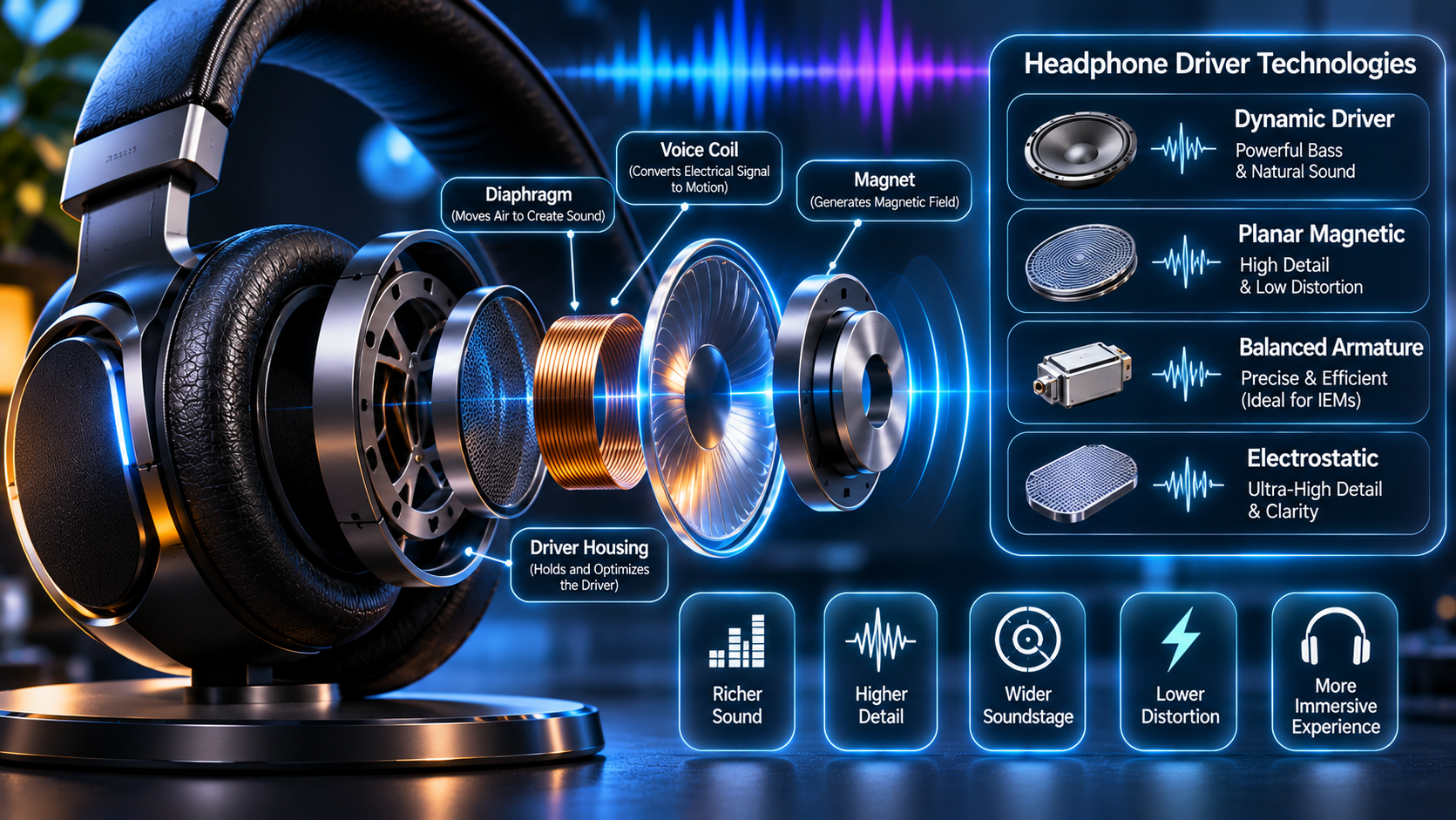
Headphone driver technology serves as the heart of sound reproduction in headphones, transforming electrical signals into audible sound waves. The effectiveness of this transformation is dependent on the type of driver used, which influences not only sound quality but also the overall listening experience. In this discussion, we will delve into the mechanisms behind three primary types of drivers: dynamic, planar magnetic, and electrostatic, each of which has its unique operating principles and examples in the market.
Dynamic Drivers
Dynamic drivers are the most common type found in headphones, utilizing a simple yet effective design that includes a diaphragm, voice coil, and magnet. When an audio signal is sent through the voice coil, it creates a magnetic field that interacts with a fixed magnet. This interaction causes the diaphragm to move back and forth, producing sound waves. The strength of the signal and the design of the diaphragm can significantly affect the sound’s fidelity.
Some popular headphones that incorporate dynamic drivers include the Sony WH-1000XM4 and the Beyerdynamic DT 770 Pro. These models are known for their balanced sound profiles, delivering rich bass and clear highs, which make them suitable for various music genres.
Planar Magnetic Drivers
Planar magnetic drivers feature a different construction than dynamic drivers. They use a thin diaphragm that is suspended between two sets of magnets. The entire diaphragm is driven by the magnetic field, providing a more uniform distribution of sound. This results in an incredibly accurate and detailed sound reproduction, with less distortion at higher volumes.
A notable example of planar magnetic headphones is the Audeze LCD-X, recognized for its exceptional soundstage and clarity, making it a favorite among audiophiles. Another example is the HIFIMAN Sundara, which delivers an impressive audio experience with a wide frequency response.
Electrostatic Drivers
Electrostatic drivers are the least common but are revered for their sound quality. They operate on a principle where a thin film diaphragm is charged electrostatically and placed between two perforated electrodes. When an audio signal is applied, the diaphragm moves, creating sound waves. This technology allows for a rapid response and very low distortion, which contributes to its transparent sound quality.
Examples include the Stax SR-009 and the Sennheiser HE-1, both of which are considered high-end options offering pristine sound quality and unparalleled detail. These headphones are often used in professional settings where accuracy is paramount.
In conclusion, understanding these driver technologies not only enlightens us about how headphones work but also assists in making informed choices based on sound preferences and listening requirements.
The impact of driver size on audio performance should be discussed in detail.
The size of headphone drivers plays a pivotal role in shaping the audio experience, influencing sound quality and frequency response significantly. Driver size typically refers to the diameter of the diaphragm that produces sound, and it directly correlates to how efficiently headphones can reproduce different frequencies. A larger driver can often deliver deeper bass and a fuller sound, while smaller drivers may struggle with these lower frequencies but can excel in clarity and precision in higher ranges.
The influence of driver size on sound quality is evident when comparing small and large drivers. Large drivers, usually measuring over 40mm, can move more air, resulting in a robust bass response and a broader soundstage. This makes them ideal for genres of music that rely heavily on low frequencies, like hip-hop or electronic dance music. On the other hand, small drivers, often found in more portable or in-ear models, might have a diameter under 40mm. These drivers tend to produce clearer mids and highs, allowing vocals and instruments to shine, which is particularly advantageous for acoustic or vocal-centric music. However, this strength comes at the cost of bass response, which may feel lacking or less immersive.
Audio characteristics of small versus large drivers in headphones
Understanding the audio characteristics between small and large drivers is essential for consumers looking for their ideal headphone experience. Various aspects illustrate this difference:
- Frequency Response: Larger drivers handle a wider frequency range, often extending into the lower bass frequencies, while smaller drivers may be more limited, particularly in deep bass.
- Soundstage: Large drivers tend to create a more expansive soundstage, providing a sense of space in audio, which is crucial for cinematic experiences.
- Efficiency: Smaller drivers can be more efficient at higher frequencies, making them suitable for detailed sound reproduction without needing excessive power.
- Portability: Smaller drivers allow for more compact designs, making them ideal for on-the-go use, especially in in-ear and lightweight headphones.
Manufacturers often face the challenge of balancing driver size with portability and comfort. Larger drivers may enhance sound quality but can make headphones bulky and less comfortable for prolonged use. Conversely, smaller drivers facilitate lighter and more ergonomic designs, appealing to users who prioritize comfort during extended listening sessions. Innovations in materials and design techniques, such as using advanced composites for driver diaphragms, allow manufacturers to maximize audio performance without significantly increasing size. This balance is crucial in meeting user expectations for both audio fidelity and practicality in today’s fast-paced lifestyle.
The relationship between headphone impedance and driver technology warrants exploration.
Understanding headphone impedance is essential when considering how drivers perform in transmitting audio. Impedance, measured in ohms (Ω), reflects how much resistance the headphone has to the electrical signal produced by the audio source. It influences how efficiently the drivers convert electrical energy into sound waves. Higher impedance often means that the headphone can handle more power, resulting in better sound quality at higher volumes, while lower impedance headphones are typically easier to drive and require less power to produce sound.
The relationship between impedance and driver performance is significant because it affects the power requirements and audio output of headphones. A headphone with low impedance (typically under 32 ohms) can be driven easily by portable devices such as smartphones and laptops, resulting in louder audio without the need for additional amplification. In contrast, high-impedance headphones (over 100 ohms) are designed for use with dedicated amplifiers, allowing for a more extended frequency response and greater dynamic range. This means they often deliver superior audio fidelity, particularly in professional settings.
Implications of Different Impedance Levels on Headphone Use
Different levels of impedance in headphones dictate their optimal usage scenarios and the types of devices they should be paired with. Below are examples highlighting how varying impedance can influence performance and usability:
- Low Impedance (16-32 ohms): Ideal for mobile devices and portable audio players. Models like the Sony MDR-7506, with a 63-ohm rating, can deliver excellent sound quality when used with smartphones without requiring an external amplifier.
- Medium Impedance (32-80 ohms): These headphones can be used with both portable devices and home audio systems. The Beyerdynamic DT 770 Pro (80 ohms) is versatile, providing good sound quality on both types of devices.
- High Impedance (over 100 ohms): Best suited for professional audio equipment. The Sennheiser HD 600, running at 300 ohms, is designed to be paired with high-quality amplifiers to achieve its full potential, delivering exceptional detail and clarity.
In summary, the impedance level not only determines how a headphone interacts with different audio sources but also influences the overall listening experience, affecting both power requirements and audio output quality.
The evolution of headphone driver technology over the years is a critical topic to cover.
The journey of headphone driver technology is a fascinating tale of innovation and adaptation. From humble beginnings in the early 20th century to the sophisticated systems we have today, headphone drivers have undergone significant transformations that reflect changing consumer needs and advancements in technology. Understanding this evolution not only highlights the ingenuity of engineers but also sheds light on how we experience audio in our daily lives.
The historical development of headphone drivers began in the 1920s when the first dynamic drivers were introduced, utilizing a simple diaphragm and voice coil to convert electrical signals into sound. Over the decades, advancements in materials and design have played pivotal roles in enhancing audio fidelity. In the 1950s and 1960s, the rise of transistor technology led to the miniaturization of audio devices, allowing for more compact and efficient headphone designs. The use of materials like neodymium magnets in the 1980s significantly improved magnetic strength, resulting in lighter and more powerful drivers.
Key innovations in headphone driver technology
Several innovations have shaped the headphone driver industry, transforming how sound is reproduced. Some notable advancements include:
- Dynamic Drivers: The most common type found in headphones, dynamic drivers use a diaphragm and voice coil, providing robust sound quality across a wide range of frequencies.
- Balanced Armature Drivers: Primarily used in in-ear monitors, these drivers offer precise sound reproduction, particularly in mid and high frequencies, due to their compact size and efficiency.
- Planar Magnetic Drivers: Known for their excellent soundstage and detail, planar magnetic technology uses a thin film diaphragm suspended between two magnetic fields, delivering exceptional audio clarity.
- Electrostatic Drivers: These high-end drivers utilize an electrically charged diaphragm, offering unmatched speed and detail in sound reproduction but requiring specialized amplifiers.
Emerging trends in headphone driver technology include the integration of artificial intelligence to enhance sound personalization and adaptive noise cancellation features. As consumer demands evolve, manufacturers are increasingly focusing on sustainability by using environmentally friendly materials and production methods. With the rise of high-resolution audio, there is also a growing trend towards developing drivers capable of delivering an expansive frequency response, appealing to audiophiles and casual listeners alike. As headphones continue to enhance user experience, the future of driver technology looks promising.
The significance of materials used in headphone drivers needs to be elaborated upon.
The materials used in headphone drivers play a crucial role in determining both the durability and sound quality of headphones. Different materials have distinct properties that can affect not only how well the headphones perform but also how long they last. Understanding these materials can help consumers make informed choices when selecting headphones, as they directly influence the overall listening experience.
The durability and sound quality of headphone drivers are largely dependent on the materials chosen for their construction. Common materials include neodymium, titanium, and cellulose, each with its unique advantages and disadvantages. Neodymium, a type of rare earth magnet, is widely used in headphone drivers due to its strong magnetic properties, allowing for efficient sound reproduction while keeping the drivers compact. This results in lightweight headphones with excellent audio quality. However, neodymium can be sensitive to temperature changes and may not perform as well in extreme conditions.
Titanium is another popular material known for its durability and ability to produce a clear, high-frequency response. It is often used in high-end headphones that prioritize sound quality. However, titanium is heavier and more expensive than other materials, which can contribute to a higher price point for the headphones. On the other hand, cellulose, typically derived from plant fibers, is often used in budget-friendly headphones. It offers decent sound quality while being lightweight and cost-effective. However, cellulose can be less durable, potentially resulting in a shorter lifespan.
The choice of materials significantly impacts the overall listening experience in various headphones. For instance, headphones with neodymium drivers often provide a balanced sound profile suitable for a variety of music genres, while those made with titanium may offer a more detailed sound, ideal for audiophiles. Meanwhile, headphones using cellulose may appeal to casual listeners who prioritize affordability over premium sound quality.
In summary, the materials used in headphone drivers not only influence durability and sound quality but also dictate the user experience, catering to different preferences and budgets in the headphone market.
The role of digital signal processing in enhancing headphone driver technology
Digital Signal Processing (DSP) plays a pivotal role in modern headphone driver technology, significantly enhancing sound quality and user experience. By manipulating audio signals with algorithms, DSP helps improve aspects like dynamic range, frequency response, and equalization. Through the integration of DSP, headphone manufacturers can tailor sound profiles to meet diverse listening preferences and environments, leading to a more immersive audio experience.
DSP functions by converting digital audio signals into a format that can be easily manipulated. This involves several stages, including sampling, quantization, and the application of various algorithms that modify the audio signal. For instance, DSP can be utilized to reduce unwanted noise, enhance bass response, and even simulate surround sound effects. The ability to process audio in real-time allows headphones to adjust sound characteristics on-the-fly, providing listeners with customizable audio settings that cater to their specific needs.
Examples of headphones utilizing DSP for improved sound performance
Several headphone models illustrate the benefits of DSP technology in enhancing audio performance and user customization. The following examples showcase how DSP is being integrated into headphone designs:
- Bose Noise Cancelling Headphones 700: These headphones employ advanced DSP algorithms to achieve superior noise cancellation, creating an immersive listening environment. The technology adapts to surrounding sounds, providing a tailored audio experience.
- Sony WH-1000XM4: Sony’s flagship noise-canceling headphones leverage DSP for adaptive sound control, automatically adjusting noise cancellation levels based on the user’s environment. This feature, combined with a customizable equalizer, allows users to personalize sound profiles easily.
- Sennheiser Momentum 3 Wireless: These headphones utilize DSP to deliver high-resolution audio with rich bass and clear vocals. The Sound Check feature allows users to customize their audio settings through an intuitive app, enhancing overall listening enjoyment.
The implications of DSP on battery life and overall headphone design are significant. Since DSP often requires additional processing power, it can lead to increased energy consumption. However, advancements in chip technology have allowed manufacturers to create more efficient DSP solutions, balancing performance with battery longevity. Furthermore, the integration of DSP allows for sleeker designs by minimizing the need for bulky components traditionally associated with achieving high sound quality. This evolution emphasizes the importance of DSP in creating modern headphones that not only provide exceptional sound but also cater to user convenience and aesthetic preferences.
The future developments in headphone driver technology are an exciting area of discussion.
As headphone technology continues to evolve, the future of headphone driver technology is poised for some remarkable advancements. Emerging innovations in materials, design, and integration promise to enhance the listening experience significantly. The shift toward more personalized audio experiences, powered by artificial intelligence and machine learning, shapes the landscape of headphone drivers, paving the way for smarter, more efficient designs.
Emerging technologies such as nanotechnology and advanced materials are on the horizon for headphone drivers. These innovations are expected to lead to lighter, more durable components that can produce superior sound quality. For instance, the use of graphene as a diaphragm material offers exceptional strength and flexibility, resulting in improved frequency response and sound clarity. Moreover, the integration of smart materials that can adapt to varying sound environments will allow headphones to offer an optimized listening experience for users, regardless of their surroundings.
Artificial Intelligence and Machine Learning in Driver Design
Artificial intelligence and machine learning are set to revolutionize driver design and performance. By analyzing vast datasets of audio characteristics and user preferences, AI algorithms can optimize the tuning of headphone drivers in real-time. This means that headphones could self-adjust to provide the best sound profile for each listener, enhancing personalization like never before. Additionally, machine learning can anticipate user preferences based on past behaviors, creating a seamless audio experience that evolves with the user.
While the future of headphone technology is promising, it also brings challenges and opportunities. One significant challenge lies in the balance between high-quality sound production and energy efficiency. As drivers become more complex, ensuring battery longevity without compromising audio performance will be crucial. Furthermore, the integration of AI technology raises concerns regarding data privacy and user consent, necessitating robust protocols to protect user information.
On the other hand, the opportunities presented by these advancements are substantial. Manufacturers can tap into the growing demand for personalized audio experiences, creating products that cater to individual tastes and preferences. Additionally, as production methods become more sustainable, companies can leverage eco-friendly materials and practices that resonate with environmentally conscious consumers. This evolution in headphone technology is not just about sound; it’s about creating a richer, more immersive experience that meets the needs of modern listeners.
Final Summary
In conclusion, exploring Headphone Driver Technology reveals a rich tapestry of innovation and craftsmanship. As we look to the future, the evolution of these technologies promises even greater enhancements in sound quality and personalization, driven by advancements in materials and processing techniques. Whether you’re an audiophile or a casual listener, knowing the ins and outs of headphone drivers can significantly elevate your listening experience.
Popular Questions
What are the different types of headphone drivers?
The main types of headphone drivers include dynamic, planar magnetic, and electrostatic drivers, each offering unique sound characteristics and performance.
How does driver size affect sound quality?
Generally, larger drivers can produce deeper bass and better sound quality, while smaller drivers are often designed for portability and comfort.
What is headphone impedance?
Impedance refers to the resistance headphones present to the audio source, affecting how much power is needed for optimal audio output.
How does material choice impact headphone drivers?
Materials like neodymium and titanium can enhance durability and sound quality, while others may affect the overall comfort and weight of the headphones.
Are there smart headphones with driver technology?
Yes, many modern headphones incorporate digital signal processing (DSP) and AI features to customize sound output and enhance user experience.