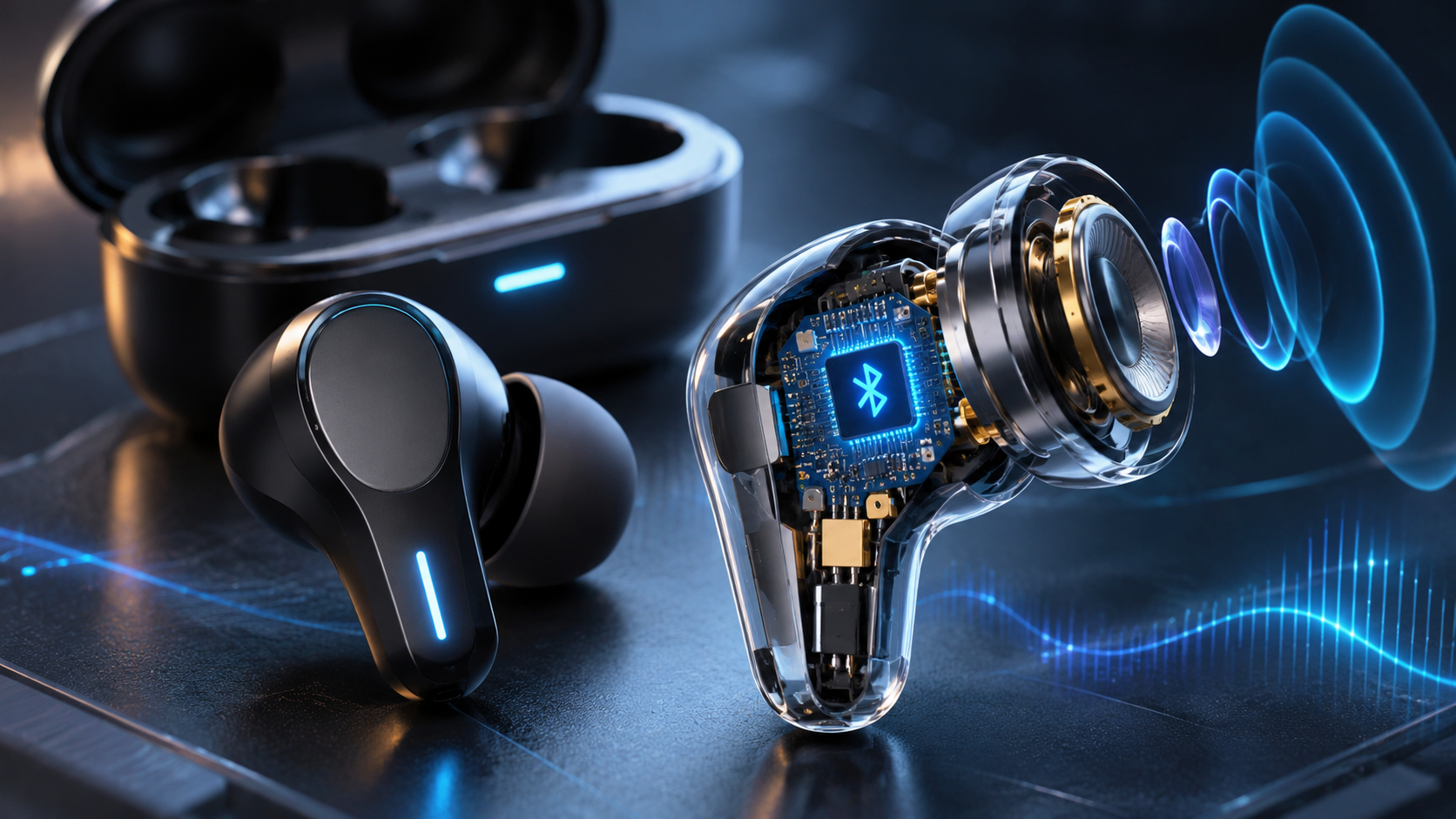
Wireless earbuds have revolutionized how we experience audio, offering a blend of convenience and advanced technology.
Understanding the architecture behind these devices reveals the intricate systems that deliver high-quality sound, from Bluetooth transmission to sophisticated audio codecs. The design and functionality of wireless earbuds involve a combination of hardware innovations and software enhancements, making them an essential part of modern audio consumption.
Understanding the Fundamentals of Wireless Earbuds Audio Architecture
Wireless earbuds have rapidly gained popularity due to their convenience and advanced technology. To appreciate their performance, it’s essential to understand the core components and technologies that drive their audio architecture. This discussion delves into the crucial elements involved, focusing on Bluetooth technology and audio codecs, which significantly affect the listening experience.
Core Components of Wireless Earbuds Audio Architecture
Wireless earbuds consist of several integral components that work together seamlessly to deliver high-quality audio. These components include:
- Audio Drivers: The heart of any earbuds, audio drivers convert electrical signals into sound. Typically, dynamic drivers are used for their ability to produce a wide frequency range, while balanced armature drivers offer more precise sound reproduction.
- Amplifiers: Amplifiers boost the audio signal’s power, allowing for better sound quality and volume. They ensure that the audio output is clear and detailed, even at higher volumes.
- Battery: A crucial component, the battery powers the earbuds and affects their usage time. Lithium-ion batteries are commonly used due to their efficiency and lightweight nature.
- Microphone: Integrated microphones enable hands-free calling and voice assistant functionality. They capture sound clearly, making communication seamless.
Role of Bluetooth Technology in Transmitting Audio Signals
Bluetooth technology is the backbone of wireless earbuds, facilitating the transmission of audio signals from devices like smartphones and tablets. This wireless communication standard operates in the 2.4 GHz frequency band, allowing for effective data transfer over short distances.
The significance of Bluetooth can be highlighted through its various versions, with Bluetooth 5.0 and above offering enhanced range and speed. This means that users can enjoy uninterrupted audio even when moving away from the source device. The technology employs adaptive frequency hopping, which reduces interference and enhances connectivity stability.
“Bluetooth technology allows users to connect their wireless earbuds effortlessly while maintaining high audio fidelity.”
Impact of Audio Codecs on Sound Quality
Audio codecs are essential for compressing and decompressing audio signals for transmission over Bluetooth. They significantly influence the sound quality experienced by the listener. Various codecs are utilized in wireless earbuds, each with distinct characteristics:
- SBC (Subband Coding): The standard codec for Bluetooth, SBC provides basic audio quality but may not deliver the best performance in terms of sound clarity and detail.
- AAC (Advanced Audio Codec): Widely used in Apple devices, AAC offers better sound quality than SBC, making it a preferred choice for streaming music.
- aptX: A codec favored by many Android devices, aptX provides low-latency audio and improved sound quality, making it great for gaming and video viewing.
- LDAC: Developed by Sony, LDAC allows high-resolution audio streaming over Bluetooth, providing an exceptional listening experience for audiophiles.
The choice of codec can affect factors such as latency, battery life, and overall sound clarity, making it a key consideration in the design and use of wireless earbuds. Understanding these technical aspects ensures a more informed purchasing decision and enhances the listening experience.
Exploring Different Audio Technologies Used in Wireless Earbuds
As the demand for wireless earbuds continues to grow, manufacturers are leveraging advanced audio technologies to improve user experience. Two prominent technologies that stand out are Active Noise Cancellation (ANC) and Ambient Sound Mode. These innovations not only affect sound quality but also how users interact with their environment while enjoying their music or calls.
Active Noise Cancellation actively reduces unwanted ambient sounds using microphones and speakers. By capturing external noise, the earbuds generate sound waves that are opposite to the incoming noise, effectively canceling it out. This technology is particularly beneficial in noisy environments, allowing users to immerse themselves in their audio content without distractions. On the other hand, Ambient Sound Mode enhances awareness of the surrounding environment. It utilizes microphones to pick up external sounds and mix them into the audio stream. This feature is essential for users who need to stay alert to their surroundings, such as when walking in busy areas or during conversations without removing the earbuds.
Comparison of Audio Technologies
To better understand the impact of these technologies, it’s important to highlight their specific functionalities and user experiences.
- Active Noise Cancellation (ANC):
ANC is ideal for users who enjoy listening to music or podcasts in environments with consistent background noise, such as planes or public transport. This technology provides a more focused listening experience by minimizing distractions. - Ambient Sound Mode:
This mode is designed for safety and convenience, allowing users to hear important sounds, like traffic or announcements, without needing to remove their earbuds. It’s especially useful for outdoor activities where situational awareness is crucial.
The choice between ANC and Ambient Sound Mode depends on the user’s needs and the environments in which they typically use their earbuds.
Importance of Driver Types in Wireless Earbuds
The driver type in wireless earbuds plays a pivotal role in overall sound quality. The most common types of drivers found in earbuds are dynamic drivers and balanced armature drivers, each offering distinct advantages.
- Dynamic Drivers:
Dynamic drivers are known for their ability to produce deep bass and resonate well with a wide frequency range. They use a diaphragm that moves air to create sound, which is suitable for bass-heavy genres like hip-hop and electronic music. - Balanced Armature Drivers:
These drivers are smaller and typically provide more precise sound reproduction. Balanced armature drivers are excellent for mid and high frequencies and are often used in higher-end models for a more detailed audio experience.
In many instances, premium earbuds may feature a combination of both driver types to deliver a well-rounded audio experience. The choice of driver type significantly influences how music is perceived and can enhance specific audio characteristics to meet diverse listening preferences.
“The right audio technology can transform the way users engage with their music, providing both immersion and awareness as needed.”
Understanding these technologies equips consumers with the knowledge to make informed choices when selecting wireless earbuds tailored to their audio needs and lifestyle.
The Role of Software in Wireless Earbuds Audio Quality
The quality of audio produced by wireless earbuds is significantly influenced by the software that drives them. Advanced algorithms and digital signal processing techniques are critical in enhancing the listening experience, allowing for rich sound quality and user-friendly customization. As technology evolves, the role of software becomes increasingly important in distinguishing high-end audio products from their more basic counterparts.
Software Algorithms in Sound Processing
Software algorithms are essential for refining audio signals in wireless earbuds. These algorithms analyze various sound characteristics and manipulate them to enhance clarity and balance. For instance, noise cancellation features rely on sophisticated algorithms that detect ambient sounds and generate counter-sound waves to neutralize unwanted noise. This process improves the overall audio experience, allowing users to enjoy music or calls without distraction.
Furthermore, the integration of machine learning techniques enables earbuds to adapt to the user’s listening preferences over time. By learning which frequencies are favored, the software can automatically adjust sound profiles for optimized output. This adaptability is particularly beneficial for audiophiles who seek a tailored listening experience.
Equalization Settings and User Customization
Equalization settings are crucial for personalization in audio playback. These settings allow users to adjust the frequency response of their earbuds according to individual preferences or specific music genres. The significance of equalization lies in its ability to highlight or diminish certain frequencies, which can make a considerable difference in how music is perceived.
By providing a customizable EQ, manufacturers enable users to create sound profiles that resonate with their personal taste. For example, bass enthusiasts can amplify lower frequencies for a more powerful sound, while vocal-centric listeners may prioritize mid-range frequencies. This level of customization ensures that each user can enjoy their music in a way that feels right for them.
Firmware Updates and Performance Enhancement
Firmware updates play a pivotal role in maintaining and improving the performance of wireless earbuds. These updates can introduce new features, enhance existing functionalities, and even fix bugs that affect sound quality. Regular updates ensure that users benefit from the latest advancements in audio processing technology.
For instance, manufacturers might release an update that optimizes the noise cancellation algorithm or improves battery efficiency, leading to a better overall user experience. Additionally, updates can include new sound profiles or enhanced compatibility with other devices, allowing earbuds to work seamlessly with the latest smartphones and audio sources.
In summary, the software behind wireless earbuds is indispensable for achieving high audio quality. Through advanced algorithms, customizable equalization settings, and regular firmware updates, users can enjoy an enhanced auditory experience that evolves with their listening habits and technological advancements.
Analyzing the Impact of Battery Life on Audio Performance
Wireless earbuds have become a staple accessory for many, offering convenience and portability. However, the performance of these devices is closely tied to their battery technology. A powerful battery not only ensures longevity but also plays a crucial role in delivering high-quality audio. Understanding how these elements interact can enhance user experience and satisfaction.
Battery technology directly influences the audio performance of wireless earbuds. Modern earbuds often utilize lithium-ion batteries, which provide a good balance between capacity, weight, and charging speed. A well-designed battery system can maintain stable voltage levels, which is critical for consistent sound output. Fluctuations in power can lead to distortion or a drop in audio quality. For instance, when the battery is running low, the sound may become tinny or lose bass response, affecting the overall listening experience.
Power Consumption and Sound Quality Relationship
The relationship between power consumption and sound quality is pivotal in wireless earbuds. High-fidelity audio processing often requires more power, which can strain battery life. As the earbuds drive larger amplifiers to produce clearer sound, they consume more energy, leading to quicker battery drainage. Therefore, a careful balance between sound quality and power requirements must be achieved for optimal performance.
Several factors contribute to power consumption in wireless earbuds:
- Bluetooth Codec: Different audio codecs consume varying amounts of power. For example, aptX and AAC provide high-quality audio but may require more energy compared to more basic codecs.
- Volume Levels: Listening at higher volumes typically increases power consumption. Users may inadvertently reduce battery life by consistently using earbuds at maximum volume.
- Noise Cancellation Features: While active noise cancelation enhances audio quality by blocking external sounds, it also demands additional battery power.
Methods for Optimizing Battery Life
Optimizing battery life without sacrificing audio performance is essential for users who rely on their wireless earbuds throughout the day. Here are some effective strategies:
- Using Power-Saving Modes: Many earbuds offer a power-saving feature that reduces performance to extend battery life. Activating this mode during less critical listening periods can preserve battery.
- Adjusting Volume Levels: Keeping volume at moderate levels can reduce power demands, allowing the battery to last longer while maintaining sound quality.
- Regular Firmware Updates: Manufacturers often release updates that optimize power management and enhance performance. Keeping the earbuds updated ensures users benefit from the latest improvements.
- Utilizing Charging Cases: Regularly placing earbuds in their charging case when not in use can effectively extend their lifespan and ensure they are always ready for use.
Evaluating User Experience in Wireless Earbuds Design
When it comes to wireless earbuds, user experience is paramount. The combination of comfort, fit, and sound quality shapes how users interact with their audio devices. An effective design not only enhances audio performance but also ensures that users enjoy long listening sessions without discomfort. This segment delves into how ergonomic design plays a crucial role in the overall audio experience, addressing the importance of fit and comfort in sound isolation, alongside user feedback regarding sound quality.
Ergonomic Design and Audio Experience
Ergonomic design in wireless earbuds focuses on creating products that mold to the user’s anatomy, ensuring a snug and comfortable fit. This design consideration significantly impacts the overall audio experience since properly fitting earbuds can enhance sound quality and isolation.
Proper ergonomic design can also reduce ear fatigue during prolonged use, which is essential for users who spend hours listening to music or taking calls. Additionally, factors like weight distribution and material choice contribute to the overall comfort level.
A well-designed earbud can lead to several benefits:
- Enhanced Sound Quality: A secure fit allows for better sound isolation, which improves bass response and overall audio clarity.
- Longer Listening Sessions: Comfort-driven designs prevent discomfort or pain, encouraging users to wear earbuds for extended periods.
- Reduced Background Noise: Earbuds that create a tight seal can block out external noise, resulting in an immersive listening experience.
Impact of Fit and Comfort on Sound Isolation
The fit of wireless earbuds directly influences sound isolation and audio quality. A well-fitting earbud creates a seal in the ear canal that not only keeps the sound in but also minimizes external distractions. This is crucial for users who want to immerse themselves in their audio environment, whether it’s for music, podcasts, or phone calls.
The relationship between fit and comfort is further explained through user experiences. Many users report that poorly fitting earbuds can cause sound leakage and discomfort, detracting from audio enjoyment. Here are key factors involved in fit and comfort:
- Ear Tip Selection: Different types of ear tips (foam, silicone, custom-molded) cater to various ear shapes, helping achieve optimal comfort and seal.
- Weight and Size: Lighter earbuds with a compact design tend to be more comfortable for long-term use, reducing fatigue.
- Adjustability: Earbuds that offer adjustable components can accommodate a wider range of users, enhancing both fit and comfort.
User Feedback on Sound Quality Related to Earbud Designs
User feedback plays an essential role in understanding sound quality across different earbud designs. Users often share their experiences based on various factors, such as design shape, driver size, and material used in construction.
Many users find that in-ear designs tend to provide superior sound isolation compared to on-ear styles, leading to more favorable sound quality evaluations. Here are some insights based on user feedback:
- Deep Bass Response: Users often praise earbuds with a tighter fit for their ability to reproduce deep bass, enhancing genres like hip-hop and EDM.
- Clarity in Vocals: Many users highlight that earbuds designed for an optimal seal can deliver clearer vocal performances, making them ideal for podcasts and audiobooks.
- Driver Technology: Feedback indicates that advancements in driver technology have led to improved sound staging and detail, with many users expressing satisfaction with balanced sound across various earbud models.
In summary, the evaluation of user experience in wireless earbuds design hinges on ergonomic considerations that ensure comfort, fit, and sound quality. Listening preferences and practical experiences shape the way users perceive and interact with their audio devices, ultimately influencing their choice and satisfaction levels.
Investigating the Future of Wireless Earbuds Audio Technology
The realm of wireless earbuds is continuously evolving, driven by advancements in technology and shifting consumer preferences. As we look to the future, several emerging trends are set to redefine the audio experience. Innovations in audio quality and connectivity promise to enhance how we interact with sound, making wireless earbuds an integral part of our daily lives.
Advancements in wireless audio technology are paving the way for more refined and immersive listening experiences. The integration of high-resolution audio formats and enhanced Bluetooth codecs will significantly influence audio quality. Additionally, improvements in connectivity, including lower latency and extended range, will allow users to enjoy seamless audio streaming without interruptions. This progress holds the potential to elevate personal audio experiences to a new level, catering to audiophiles and casual listeners alike.
Emerging Trends in Wireless Audio Technology
The wireless audio landscape is witnessing several noteworthy trends that will shape the design and functionality of next-generation earbuds. These trends aim to enhance user experience, focusing on audio quality, connectivity, and innovative features.
One of the most impactful trends is the adoption of new audio codecs. These codecs, such as AAC, aptX, and LDAC, support higher bit rates and improved sound fidelity, making audio playback more dynamic and clear. As manufacturers incorporate these technologies, users can expect a marked improvement in sound quality, especially in high-frequency ranges.
Moreover, advancements in Bluetooth technology, specifically Bluetooth 5.2 and beyond, are enabling improved connectivity with greater stability and longer range. This allows users to enjoy uninterrupted audio streaming, even when moving away from their devices.
Innovative features are also becoming more prevalent in wireless earbuds, enhancing their functionality and user engagement.
- Active Noise Cancellation (ANC): Utilizing sophisticated algorithms and microphone technology, ANC can significantly reduce background noise, providing an immersive listening experience.
- Touch Controls and Voice Assistants: Many new earbuds are integrating touch-sensitive controls alongside compatibility with voice assistants, allowing users to manage playback and access information effortlessly.
- Health Monitoring Features: Some earbuds are beginning to incorporate sensors that track heart rate and other health metrics, merging audio technology with personal health management.
- Adaptive Sound Technology: This feature automatically adjusts audio settings based on the user’s environment, ensuring optimal listening conditions whether in a quiet room or a busy street.
“The future of wireless audio is not just about sound; it’s about creating a holistic experience that integrates seamlessly into our lifestyle.”
As the industry progresses, consumers can expect a wave of innovations that will not only enhance the acoustic quality of wireless earbuds but also elevate their role in everyday life. With a focus on emerging trends, the next generation of wireless earbuds will likely redefine what we expect from personal audio devices.
Final Summary
In summary, the future of Wireless Earbuds Audio Architecture holds exciting possibilities as technology continues to evolve. Innovations in audio quality, connectivity, and design promise to enhance our listening experiences like never before. As we look ahead, staying informed about these advancements will ensure we make the most of our wireless audio devices.
Essential Questionnaire
What is the role of Bluetooth in wireless earbuds?
Bluetooth technology enables wireless transmission of audio signals from devices to earbuds, providing a seamless listening experience.
How do audio codecs affect sound quality?
Audio codecs compress and decompress audio data, impacting sound quality and latency, with some codecs offering better clarity and efficiency.
What are the benefits of Active Noise Cancellation?
Active Noise Cancellation reduces ambient noise, allowing users to enjoy their music or podcasts without distractions from the environment.
How can firmware updates improve my wireless earbuds?
Firmware updates can enhance audio performance, add features, and fix bugs, ensuring optimal functionality of your wireless earbuds.
What types of batteries are commonly used in wireless earbuds?
Lithium-ion batteries are commonly used in wireless earbuds due to their efficiency, longevity, and ability to provide stable power for audio performance.