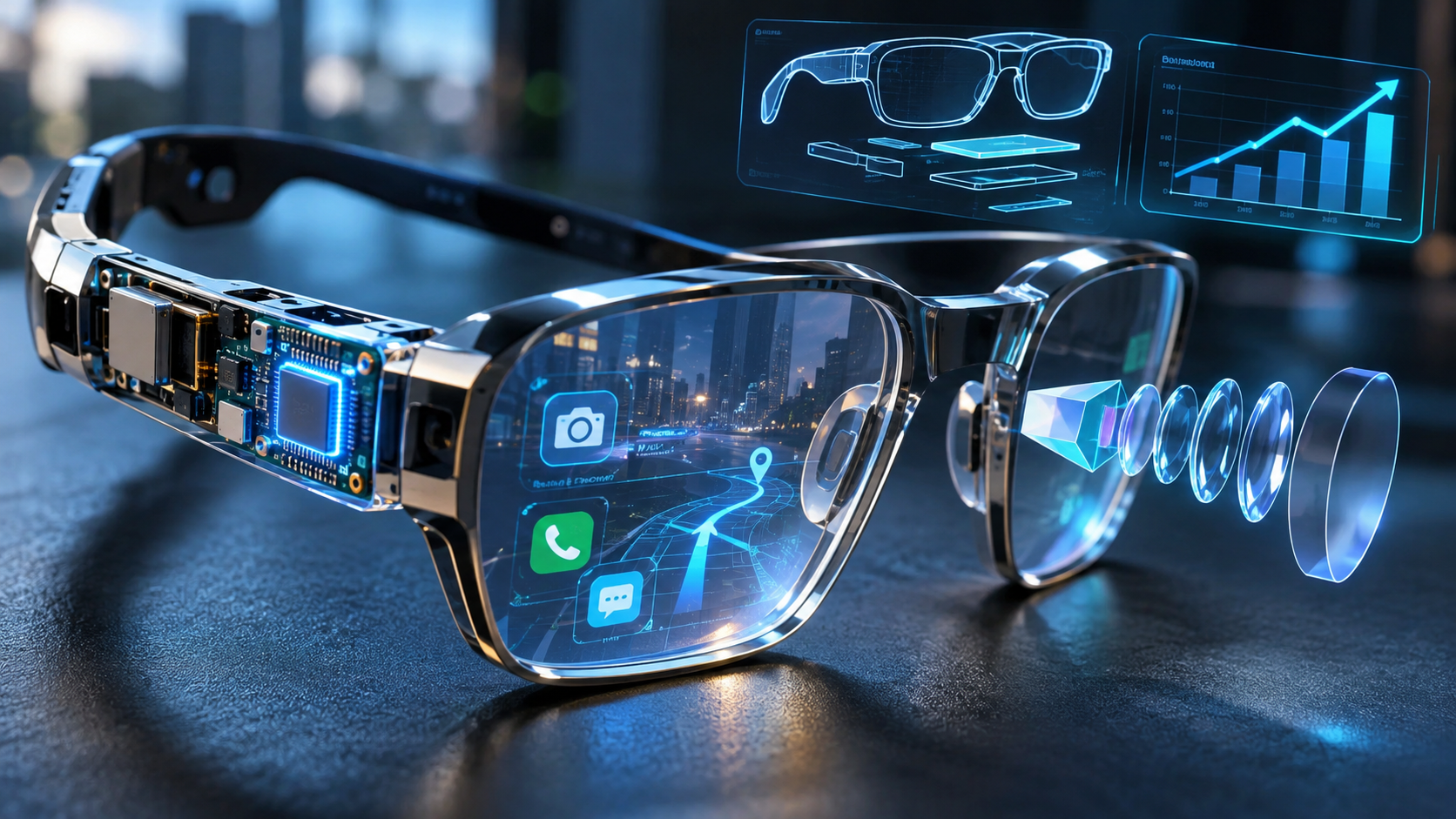
Smart Glasses Hardware Architecture is an exciting frontier in technology that merges wearability with cutting-edge computing. As we explore the intricate components that define smart glasses, we uncover how sensors, processors, and displays work in harmony to create a seamless user experience. With advancements in miniaturization and innovative design, these devices are poised to revolutionize the way we interact with the digital world.
At the heart of smart glasses is a blend of essential hardware elements enabling features like augmented reality and connectivity. Understanding the architecture not only reveals how these components function together but also highlights the challenges and future trends that will shape their evolution. This overview sets the stage for a deeper dive into the specifics of their hardware design.
The foundational components of Smart Glasses Hardware Architecture
Smart glasses have rapidly progressed from concept to reality, integrating advanced technology into sleek, wearable devices. The hardware architecture of smart glasses is a critical factor in their performance, user experience, and overall functionality. By understanding the foundational components of this architecture, we can appreciate the complexity and innovation involved in developing smart glasses tailored for various applications, from augmented reality (AR) to health monitoring.
The hardware architecture of smart glasses consists of several core elements that work together to provide a seamless user experience. These elements include sensors, processors, displays, and communication modules. Each plays a unique role in ensuring that the smart glasses are not only functional but also capable of delivering real-time information and interactive experiences. The synergy between these components is what enables smart glasses to function effectively in various environments, providing users with enhanced capabilities.
Sensors, Processors, and Displays in Smart Glasses
The integration of sensors, processors, and displays in smart glasses creates a sophisticated ecosystem that allows for a range of functionalities. Sensors are essential as they gather data from the user’s environment, which can include motion tracking, health metrics, and environmental inputs. Common types of sensors found in smart glasses include:
- Accelerometers: These measure the motion and orientation of the glasses, helping in gesture recognition and navigation.
- Gyroscopes: These assist in detecting rotation, which is vital for AR applications that respond to the user’s head movements.
- Ambient light sensors: These adjust the display brightness based on the surrounding light conditions for optimal visibility.
- Heart rate monitors: Some smart glasses incorporate biometric sensors to track the user’s heart rate during various activities.
Processors serve as the brains of smart glasses, handling data from sensors and executing applications. They are designed to be highly efficient and compact, allowing them to perform complex tasks without draining battery life quickly. For instance, many smart glasses utilize ARM-based processors, which offer a balance between performance and power consumption. The processor also manages the input from the user, whether through touch, voice commands, or gestures, translating these inputs into meaningful actions.
Displays are integral to the smart glasses experience, providing users with visual information in real-time. There are various display technologies employed, including micro-OLED and LCD screens, which can project information directly into the user’s line of sight. This allows users to receive notifications, navigation directions, or enhanced visuals in an augmented reality setting without obstructing their view of the real world.
“The display technology used in smart glasses significantly influences user interaction, making it crucial for manufacturers to strike a balance between clarity, size, and weight.”
Miniaturization plays a pivotal role in the design of smart glasses hardware. As these devices need to be lightweight and comfortable for prolonged wear, the components must be compact without sacrificing performance. Innovations in microelectronics, such as smaller chip designs and advanced fabrication techniques, have made it possible to integrate powerful hardware within a sleek form factor. This miniaturization not only contributes to the aesthetic appeal of smart glasses but also enhances their functionality by allowing for more versatile designs that can adapt to various user needs and preferences.
In summary, the foundational components of smart glasses hardware architecture are intricately designed to work together, providing the user with a seamless experience. Sensors, processors, and displays are fundamental elements that contribute to the device’s capabilities, while the importance of miniaturization cannot be overstated in achieving both functionality and comfort.
Communication technologies utilized in Smart Glasses
Smart glasses represent a fascinating intersection of augmented reality and wearable technology, requiring robust communication technologies to function effectively. These devices utilize various communication protocols to enable seamless interaction with other devices and networks, which is crucial for delivering enriched user experiences. Understanding the communication technologies behind smart glasses reveals how these devices manage to integrate complex functionalities into a compact form factor.
Smart glasses primarily rely on several communication protocols, each serving a distinct purpose in enhancing their operational capabilities. The most prevalent technologies include Bluetooth, Wi-Fi, and even NFC (Near Field Communication). These protocols facilitate everything from data transfer to real-time interaction with smartphones and other network devices. The choice of protocols significantly impacts the functionality and user experience, as well as the speed and efficiency of data transfer.
Bluetooth and Wi-Fi in Smart Glasses Connectivity
Bluetooth and Wi-Fi are the two leading technologies used for connectivity in smart glasses. Each has its own strengths and limitations, making them suitable for different applications.
Bluetooth is widely used for short-range communication, typically within a distance of 10 meters. It is particularly beneficial for connecting smart glasses to smartphones, allowing users to receive notifications, control music, or interact with apps directly from their eyewear. Bluetooth Low Energy (BLE) is a variant that helps conserve battery life while maintaining a stable connection. This is crucial, as smart glasses need to operate efficiently without frequent recharging.
On the other hand, Wi-Fi provides a higher data transfer rate and a broader range than Bluetooth, making it ideal for streaming high-quality content or downloading large files. Smart glasses equipped with Wi-Fi can connect to the internet directly, enabling features like real-time navigation, video streaming, and access to cloud applications. This connectivity is vital for applications that require substantial data throughput, such as augmented reality experiences that overlay digital information onto the real world.
The choice between Bluetooth and Wi-Fi impacts user experience significantly. Bluetooth, while energy-efficient and easy to use, may offer limited bandwidth, which could hinder the performance of data-intensive applications. Conversely, Wi-Fi delivers faster data rates and high bandwidth but can be more power-draining, potentially affecting battery life.
In summary, the integration of Bluetooth and Wi-Fi in smart glasses exemplifies a tailored approach to connectivity. Each technology enhances user interaction in its own way, with Bluetooth providing essential notifications and controls while Wi-Fi facilitates high-speed data transfer for more demanding tasks. The synergy of these communication technologies creates a more engaging and efficient user experience, pushing the boundaries of what smart glasses can achieve in everyday life.
Power management solutions in Smart Glasses
The development of smart glasses has ushered in an exciting era of wearable technology, but to maximize their functionality, effective power management solutions are essential. Smart glasses must provide long-lasting power while maintaining a compact and lightweight design. This entails exploring various power sources and battery technologies that can seamlessly integrate into the hardware architecture without compromising user experience.
Energy efficiency is a critical aspect of smart glasses hardware design, affecting both the device’s performance and user satisfaction. As these devices are designed for on-the-go usage, having an efficient power management system ensures that users can rely on their smart glasses throughout the day without frequent recharging. Efficient energy use not only extends battery life but also reduces heat generation, which is crucial for maintaining comfort while wearing the device.
Battery Technologies and Power Sources
Several battery technologies are currently being utilized in smart glasses, each with its strengths and limitations. Understanding these options helps in selecting the best power solution to match the device’s requirements.
- Lithium-Ion (Li-ion) Batteries: Li-ion batteries are widely used due to their high energy density and lightweight properties. They can provide a significant amount of power in a small form factor, making them suitable for smart glasses. However, they require sophisticated charging management systems to prevent overheating and maximize lifespan.
- Solid-State Batteries: Emerging as a safer alternative to traditional Li-ion batteries, solid-state batteries use solid electrolytes instead of liquid ones. This technology offers higher energy densities and improved safety, which is essential for wearables that may be subject to physical stress.
- Supercapacitors: While not a primary power source, supercapacitors can complement batteries by providing quick bursts of energy when needed. They charge rapidly and can handle many more charge cycles than traditional batteries, making them suitable for applications requiring fast power delivery, like activating display features in smart glasses.
- Energy Harvesting: Some innovative designs incorporate energy harvesting technologies, such as solar cells or kinetic energy converters, to extend battery life. For instance, integrating mini solar panels on the frames can help recharge batteries during outdoor use, reducing reliance on external power sources.
Innovative power management techniques have also been adopted in various smart glasses models to enhance energy efficiency. For example, the use of low-power microprocessors and energy-efficient display technologies, such as OLED screens, significantly reduces overall power consumption. Furthermore, dynamic power management systems can adjust power usage based on user activity; for instance, dimming the display when not in active use or turning off non-essential sensors when the glasses are stationary.
“Effective power management is not only about longer battery life but also about optimizing the user experience through seamless integration of power solutions.”
Incorporating these advancements in power management ensures that smart glasses can effectively meet user demands while promoting energy sustainability. The ongoing evolution of battery technologies and energy-efficient hardware design plays a pivotal role in shaping the future of smart glasses, making them more convenient and reliable for everyday use.
Ergonomics and user comfort in Smart Glasses design
The design of smart glasses goes beyond just aesthetics and technology; ergonomics plays a critical role in ensuring user comfort during prolonged use. As these devices become more integrated into daily life, understanding how ergonomic principles can enhance user experience is paramount. Proper ergonomics reduces physical strain and increases usability, leading to higher acceptance and satisfaction among users. A thoughtful approach to ergonomics helps create smart glasses that not only function effectively but are also comfortable to wear for extended periods.
Key design principles significantly enhance user comfort. These principles focus on weight distribution, materials used, and adjustability features. The goal is to create a device that feels natural when worn, and does not cause discomfort or fatigue. The following points Artikel essential ergonomic considerations in smart glasses design:
- Lightweight Design: Using lightweight materials, such as titanium or advanced plastics, minimizes the load on the user’s face and neck, reducing fatigue.
- Adjustable Components: Features like adjustable nose pads and temples allow users to customize fit, accommodating different face shapes and sizes.
- Balanced Weight Distribution: A balanced design ensures that weight is evenly distributed across the glasses, preventing pressure points that can lead to discomfort.
- Breathable Materials: Incorporating breathable fabrics and foam in areas that contact the skin reduces heat buildup and improves overall comfort.
- Intuitive Controls: User-friendly interfaces reduce the need for awkward movements, making it easier to interact with the device without straining.
The balance between hardware capability and comfort in smart glasses architecture is a delicate one. As technology advances, incorporating powerful components—such as high-resolution displays and advanced sensors—can add weight and complexity. Designers must ensure that these enhancements do not compromise user comfort. An example of this balance is seen in smart glasses that use ultra-thin displays, which can provide high-quality visuals without significantly increasing weight. Furthermore, advancements in battery technology aim to provide longer usage times without adding bulk, allowing for a seamless blend of performance and ergonomics. Ultimately, the success of smart glasses will depend on their ability to deliver not just cutting-edge technology, but also a comfortable user experience that encourages prolonged use.
The role of augmented reality in Smart Glasses Hardware
Augmented reality (AR) has emerged as a transformative technology, particularly in the realm of smart glasses hardware. By seamlessly integrating digital information with the real world, AR enhances user experiences across various industries. This functionality is driven by sophisticated hardware components that work together to create an interactive environment. The presence of AR technology elevates smart glasses from mere visual displays to powerful tools for engagement, training, and productivity.
The enhancement provided by AR in smart glasses is multifaceted, enabling users to visualize data directly in their field of view. This integration allows for real-time interaction with both the physical and digital environments, making tasks more efficient and intuitive. For example, by overlaying navigation aids onto the real-world environment, users can receive direction prompts while keeping their eyes on the road. Moreover, AR can promote collaboration by allowing multiple users to share visual data simultaneously, which is beneficial in environments such as manufacturing and healthcare.
Applications of AR in Various Industries
The implementation of AR through smart glasses spans several industries, showcasing its versatility and potential. Below are some notable examples of AR applications:
- Healthcare: Surgeons use smart glasses equipped with AR to overlay critical patient data during operations, enhancing precision and reducing the risk of complications. For instance, AR can project vital signs or 3D models of organs directly onto the surgical field.
- Manufacturing: Workers can access assembly instructions and maintenance alerts through smart glasses, guiding them step-by-step in complex processes. This reduces errors and improves training efficiency.
- Retail: Retailers employ AR to create immersive shopping experiences, allowing customers to visualize products in their homes before making a purchase. Smart glasses can display product information and reviews as users browse the aisles.
- Education: In educational settings, AR applications allow students to interact with 3D models of historical artifacts or biological structures, leading to a more engaging learning experience. Students can visualize complex concepts in real-time.
- Logistics and Warehousing: AR enhances inventory management by providing real-time data on stock levels and location, streamlining the picking process and improving overall efficiency.
The effective deployment of AR in smart glasses necessitates robust hardware capabilities. Key hardware requirements include powerful processors to handle real-time data processing, high-resolution displays to ensure clarity of overlaid information, and advanced sensors such as cameras, accelerometers, and GPS for accurate environmental mapping. The integration of these components allows for seamless interaction between digital content and the real world.
Another important consideration is battery life; AR applications can be power-intensive, requiring efficient energy management to sustain prolonged use. Lightweight materials are also crucial for comfort, as the wearability of smart glasses impacts user adoption. Furthermore, connectivity features, like high-speed internet access and Bluetooth capabilities, facilitate data sharing and communication in real-time.
The fusion of AR with smart glasses not only enriches user experiences but also drives innovation across various sectors, resulting in increased efficiency and productivity.
In summary, augmented reality significantly enhances the functionality of smart glasses by providing interactive experiences, facilitating real-time data visualization, and enabling collaboration across diverse industries. The hardware architecture behind these devices must be meticulously designed to support the demands of AR applications, ensuring a seamless blend of digital and physical realities.
Challenges in the Development of Smart Glasses Hardware
The development of smart glasses hardware presents a unique set of challenges that developers must navigate. As the technology evolves, the demand for more advanced features increases, which in turn complicates the hardware design. Developers must balance functionality, user comfort, and cost while ensuring that the devices remain practical and appealing to consumers.
One of the primary challenges in creating smart glasses hardware is the miniaturization of components. Components such as processors, batteries, and displays need to be small enough to fit into a sleek design, yet powerful enough to deliver robust performance. This creates a significant engineering challenge, as developers often find themselves faced with power limitations and heat dissipation issues. Furthermore, the need for high-resolution displays and advanced sensors adds to the complexity of designing compact hardware that can handle demanding applications.
Hardware Limitations Compared with User Expectations
User expectations for smart glasses are soaring, largely driven by advancements in smartphone technology and the proliferation of augmented reality applications. Consumers increasingly expect features such as high-definition displays, seamless connectivity, extended battery life, and a lightweight design. However, many current hardware limitations make it difficult to meet these expectations effectively.
For instance, the integration of high-quality cameras, GPS, and advanced sensors requires significant power, which can be at odds with the demand for longer battery life. Additionally, while users desire a sleek and stylish appearance, the components necessary for cutting-edge technology often result in bulkier designs. The challenge lies in striking a balance between aesthetics and functionality.
Current smart glasses also face limitations in terms of field of view and image resolution. Users anticipate an immersive experience, akin to that offered by traditional devices. However, many smart glasses still struggle to deliver satisfactory performance in these areas. As developers work to improve these aspects, they must also consider user comfort, as prolonged use of heavier devices can lead to discomfort.
Insights into potential future advancements highlight a promising pathway to overcoming these challenges. Ongoing research into flexible electronics and advanced materials may allow for lighter and more compact designs. For example, developments in microLED technology could enable higher resolution displays that consume less power. Furthermore, innovations in battery technology, such as solid-state batteries, may significantly enhance battery life without increasing size.
Advancements in artificial intelligence and machine learning could also lead to improved processing capabilities, allowing devices to manage power consumption more effectively while delivering enhanced user experiences. As these technologies mature, they hold the potential to redefine what’s possible with smart glasses hardware, allowing developers to meet and even exceed user expectations.
Future trends in Smart Glasses Hardware Architecture
The landscape of smart glasses hardware architecture is rapidly evolving, influenced by a myriad of emerging technologies and trends. As consumer demands grow for more versatile, efficient, and stylish wearables, the next generation of smart glasses will likely integrate advanced functionalities that extend beyond mere augmented reality. By harnessing the potential of artificial intelligence, machine learning, and innovative materials, manufacturers are on the cusp of revolutionizing how users interact with their environments.
Impact of AI and Machine Learning on Hardware Design
Artificial intelligence (AI) and machine learning (ML) are set to play a pivotal role in the development of smart glasses. These technologies will allow for smarter data processing, enhancing user experience through predictive analytics and adaptive functionalities. The integration of AI algorithms directly into smart glasses hardware can facilitate real-time object recognition, voice command processing, and even user behavioral learning, tailoring experiences based on individual preferences.
For example, smart glasses equipped with ML capabilities can analyze environmental inputs and customize displays accordingly, ensuring that critical information is always at the forefront. This could significantly streamline workflow for industries such as healthcare and manufacturing, where timely data access is crucial.
The hardware architecture will need to accommodate powerful processors designed to handle the demands of AI-driven applications. This includes potential shifts toward edge computing, where data is processed locally on the device rather than relying heavily on cloud computing, reducing latency and enhancing user privacy.
Advancements in Materials for Comfort and Functionality
The evolution of materials science is also set to transform the comfort and functionality of smart glasses. The use of lightweight, flexible materials such as advanced polymers and composites will make these devices more comfortable for prolonged wear. For instance, materials that are not only lightweight but also resistant to impacts and scratches can enhance durability while ensuring user comfort.
Moreover, developments in transparent displays and flexible OLED technology can lead to more immersive augmented reality experiences without the bulkiness of traditional hardware. This transition to thinner, more adaptive designs will encourage broader adoption among consumers who prioritize aesthetics along with functionality.
In addition, health-monitoring features could be seamlessly integrated into frames made from biocompatible materials. Such materials could allow for skin contact-based monitoring sensors, providing users with health data without compromising on style or comfort.
To summarize, the future of smart glasses hardware architecture is poised for transformation through the integration of AI and machine learning, coupled with breakthroughs in material science. As these technologies converge, they will redefine user interaction, comfort, and overall functionality, paving the way for smarter, sleeker, and more capable smart glasses.
End of Discussion
In conclusion, the journey through Smart Glasses Hardware Architecture illuminates both the remarkable advancements and the challenges that lie ahead. As technology progresses, the integration of AI, machine learning, and innovative materials will likely redefine user interactions and comfort levels. Embracing these trends will be crucial for developers aiming to meet the ever-evolving expectations of consumers seeking smarter, more efficient wearables.
FAQ Compilation
What are the core components of smart glasses?
The core components include sensors, processors, displays, and communication technologies that work together to provide augmented reality experiences.
How do smart glasses communicate with other devices?
Smart glasses typically use Bluetooth and Wi-Fi protocols to connect with smartphones and other devices for data transfer and functionality.
What is the importance of ergonomics in smart glasses?
Ergonomics ensures that smart glasses are comfortable for prolonged use, balancing hardware capabilities with user comfort to enhance the overall experience.
What challenges do developers face in smart glasses hardware?
Developers often face challenges related to miniaturization, battery life, and meeting user expectations for performance and comfort.
What future trends can we expect in smart glasses technology?
Emerging trends include enhanced AI integration, improved materials for comfort, and more sophisticated user interfaces that could significantly advance smart glasses functionality.