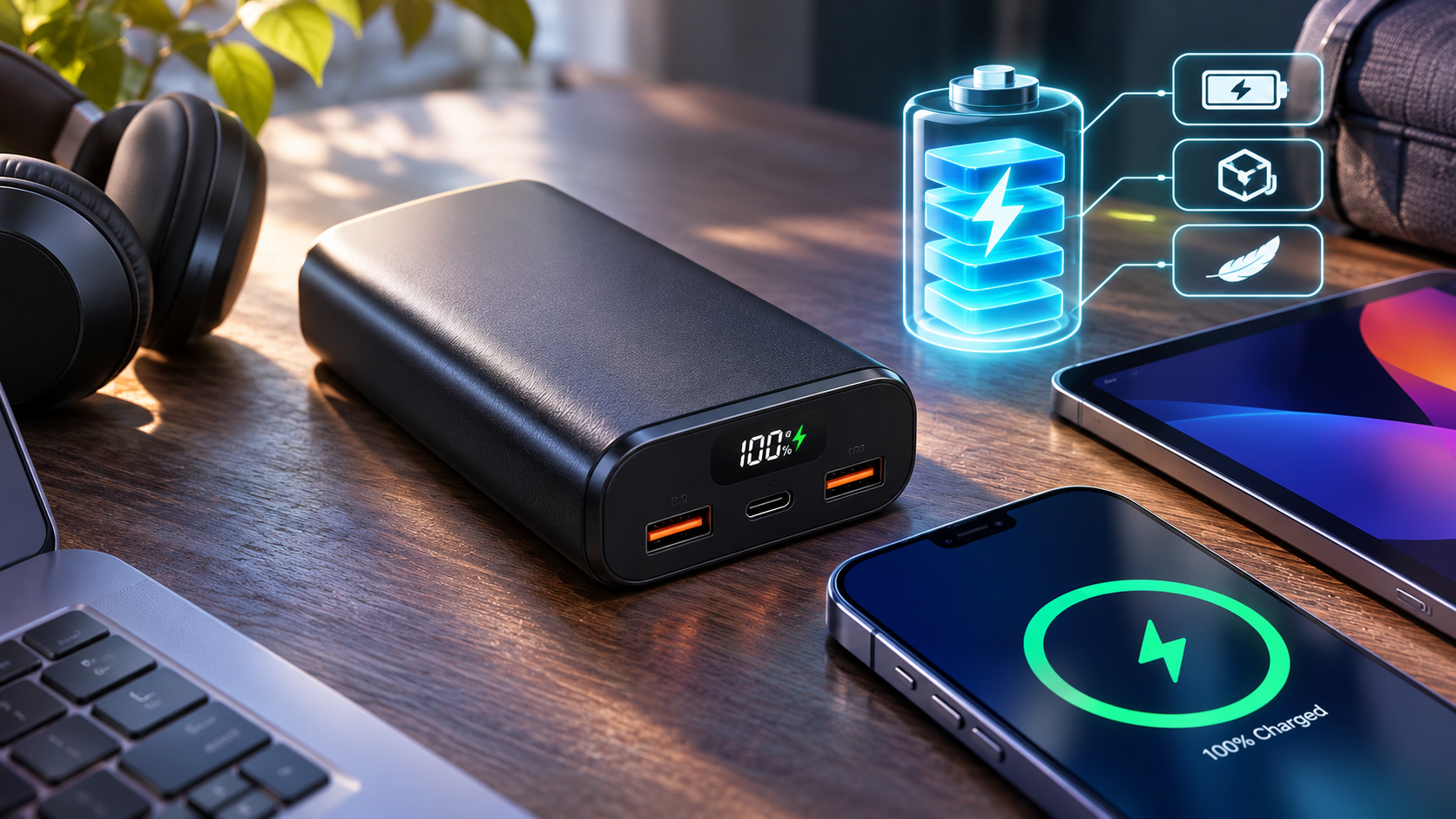
Portable Charger Energy Density is a crucial aspect of modern charging technology, directly influencing how efficiently we can power our devices on the go. As our reliance on mobile gadgets increases, understanding energy density becomes essential in choosing the right portable charger. With a variety of battery types and technologies available, each offering different energy densities, consumers face the challenge of selecting a charger that not only meets their power needs but also balances size and weight.
Energy density, simply put, is the amount of energy stored per unit volume or weight, and it plays a pivotal role in determining a charger’s performance and portability. Higher energy density means more power can be packed into a smaller and lighter charger, making it easier to carry around. This overview provides insight into how energy density affects not only the efficiency and charging speed but also the overall design and sustainability of portable charging solutions.
Exploring the Concept of Energy Density in Portable Chargers
Energy density is a crucial metric in the world of portable chargers, reflecting the amount of energy a device can store relative to its weight or volume. This concept is essential for ensuring that portable chargers deliver efficient power solutions while remaining compact and lightweight. High energy density allows users to carry devices that can provide substantial power without adding excessive bulk or weight to their bags. As technology continues to advance, understanding energy density becomes increasingly significant for consumers seeking reliable and efficient power sources.
The relationship between energy density and charger performance is multifaceted. Energy density is typically measured in watt-hours per kilogram (Wh/kg) or watt-hours per liter (Wh/L), indicating how much energy a battery can store and provide. A higher energy density translates to longer usage times between charges, which is especially important for users relying on devices for extended periods, such as during travel or outdoor activities. For instance, lithium-ion batteries, commonly used in portable chargers, have an energy density ranging from 150 to 250 Wh/kg. This enables users to charge their smartphones multiple times before needing to recharge the charger itself.
Furthermore, energy density directly affects the size and weight of portable chargers. When manufacturers aim to create more compact and lightweight chargers, they often turn to batteries with higher energy densities. This means that instead of carrying bulky chargers, users can have slimmer, more portable options that don’t sacrifice performance. However, it’s important to note that higher energy density can sometimes lead to increased costs and can result in safety concerns if not managed properly. Innovations in battery chemistry, such as advancements in solid-state batteries, are helping to address these challenges by potentially increasing energy density while enhancing safety.
Battery selection plays a pivotal role in the charger design, where engineers balance energy density with factors such as thermal management and charge cycles to optimize performance. For example, a portable charger designed for high energy density might prioritize specific materials and construction methods to ensure it operates safely and efficiently, thereby enhancing user experience.
Types of Batteries Used in Portable Chargers and Their Energy Densities
Portable chargers, often referred to as power banks, rely on various battery technologies to store and deliver electrical energy. The choice of battery type significantly impacts the energy density, which is a measure of how much energy a battery can store relative to its weight or volume. Understanding the different types of batteries and their energy densities is crucial for selecting the right portable charger to meet specific needs.
Batteries used in portable chargers vary widely, each presenting unique benefits and drawbacks. The most common types include Lithium-ion (Li-ion), Lithium Polymer (Li-Po), Nickel-Metal Hydride (NiMH), and Nickel-Cadmium (NiCd). Each of these battery technologies has distinct energy densities, usually measured in watt-hours per kilogram (Wh/kg) or milliampere-hours (mAh).
Battery Types and Their Energy Densities
The following details the various battery types, their advantages, disadvantages, and energy density ratings to provide a clearer picture of their performance in portable chargers.
- Lithium-ion (Li-ion)
Li-ion batteries are the most prevalent in portable chargers due to their high energy density, typically ranging from 150 to 250 Wh/kg. They offer a good balance of weight, size, and capacity, making them ideal for compact devices.
Advantages:
- High energy density
- Low self-discharge rate
- Long cycle life
Disadvantages:
- Requires protection circuitry
- Degrades faster in extreme temperatures
Examples include the Anker PowerCore series featuring 20,000mAh capacity with energy densities around 200 Wh/kg.
- Lithium Polymer (Li-Po)
Li-Po batteries are similar to Li-ion but are encased in a flexible pouch, providing versatility in design with a lower profile. Their energy density is comparable to Li-ion, usually between 100 and 200 Wh/kg.
Advantages:
- Lightweight and slim
- Can be shaped to fit various designs
Disadvantages:
- Generally more expensive
- Less durable against punctures
Popular examples include the RAVPower 26800mAh Power Bank, which utilizes Li-Po technology.
- Nickel-Metal Hydride (NiMH)
NiMH batteries are less common in portable chargers but still notable for their capability in providing a decent energy density of about 60-120 Wh/kg. They are more environmentally friendly than NiCd batteries.
Advantages:
- Good performance at low temperatures
- Higher capacity than NiCd
Disadvantages:
- Lower energy density than Li-ion
- Shorter cycle life
An example is the Energizer 20000mAh Power Bank, which features NiMH batteries.
- Nickel-Cadmium (NiCd)
While increasingly rare in new designs, NiCd batteries can still be found in some older portable chargers, offering an energy density of around 40-80 Wh/kg. Their capability to tolerate rough conditions is noteworthy.
Advantages:
- Durable and can withstand extreme conditions
- Lower cost
Disadvantages:
- Memory effect reduces effective capacity
- Environmental concerns due to cadmium
Older models of portable chargers, like the Energizer 1500mAh Power Bank, often used NiCd technology.
Choosing the right battery type significantly impacts the performance, efficiency, and longevity of portable chargers.
The Impact of Energy Density on Charging Time and Efficiency
Energy density plays a significant role in the performance of portable chargers, directly influencing both charging speed and overall efficiency. It refers to the amount of energy stored in a given volume or mass, and as technology advances, higher energy density batteries are becoming more prevalent. These batteries not only allow for faster charging but also enhance the efficiency of energy transfer, ultimately improving the user experience. Understanding these dynamics is essential for anyone relying on portable power sources.
Influence of Energy Density on Charging Speed
Higher energy density directly correlates with faster charging times, primarily due to the increased amount of energy available for transfer. This means that devices equipped with high energy density batteries can absorb energy more quickly from chargers. For example, lithium-ion batteries, which have a higher energy density compared to older nickel-cadmium batteries, can be charged in much shorter periods. This reduction in charging time is crucial for users on the go, as it minimizes downtime and enhances productivity.
Moreover, charging speed is not just about how quickly energy can be deposited into a device; it also involves the efficiency with which this energy is transferred. Higher energy density batteries tend to have better charge retention and lower energy losses during the transfer process, leading to a more efficient charging experience.
Energy Density and Overall Efficiency in Energy Transfer
The relationship between energy density and overall efficiency is a vital aspect of portable charging technology. More energy-efficient chargers can convert a larger percentage of the electrical energy from the outlet into usable energy for the device. This efficiency is impacted by several factors, including the design of the circuitry and the quality of the components used.
Higher energy density batteries often enable a more efficient energy transfer, significantly reducing losses in the form of heat. As a result, devices can maintain better performance over time, which is particularly important in high-demand applications like smartphones, tablets, and laptops.
Reduction of Charging Cycles with Higher Energy Density Batteries
Higher energy density batteries can lead to fewer charging cycles required over the lifespan of the device. A charging cycle is defined as a full discharge and recharge of a battery. For instance, if a battery has a higher energy density, it can hold more energy, allowing users to use their devices for longer periods without needing to recharge. This extended usage can effectively reduce the number of cycles the battery undergoes.
In practical terms, if a smartphone equipped with a higher energy density battery can last two days on a single charge instead of one, the user would perform one less charging cycle in that time frame. Consequently, this not only prolongs the life of the battery but also enhances the convenience for users, allowing them to charge their devices less frequently. Over time, the cumulative effect of fewer charging cycles can significantly extend the overall lifespan of the battery, making higher energy density options more sustainable and economical in the long run.
Innovations in Portable Charger Design Focused on Energy Density
Recent advancements in portable charger design have paved the way for significant improvements in energy density, allowing for more efficient power storage and longer usage times. As our reliance on mobile devices continues to grow, the quest for more compact and powerful charging solutions has become paramount. Innovations in battery technologies, materials science, and design are pushing the boundaries, creating portable chargers that are both lightweight and capable of holding more energy.
The drive for increased energy density in portable chargers is largely influenced by developments in materials science, which plays a critical role in enhancing battery performance. Next-generation batteries are being crafted using advanced materials that improve not only energy capacity but also longevity and safety. These developments are not only revolutionizing the way we think about battery technology but are also making portable chargers more practical for everyday use.
Advancements in Battery Technology
The evolution of battery technology has been instrumental in enhancing energy density in portable chargers. Several key advancements are shaping this field:
- Solid-State Batteries: Transitioning from traditional liquid electrolytes to solid electrolytes, solid-state batteries offer higher energy density, improved safety, and longer life cycles. Companies like QuantumScape are leading the charge in this area, aiming to produce solid-state batteries that can significantly outperform lithium-ion batteries.
- Graphene Technology: Graphene, a single layer of carbon atoms, is being explored for its remarkable electrical conductivity and high strength. Research institutions are investigating graphene-based batteries that could provide ultra-fast charging and superior energy density, potentially tripling the capacity of current lithium-ion batteries.
- Lithium-Sulfur Batteries: Lithium-sulfur batteries promise to deliver an energy density up to five times greater than conventional lithium-ion batteries. This technology is being developed by various startups, such as Oxis Energy, which focus on creating lightweight and high-capacity solutions for portable devices.
Role of Materials Science
Materials science is at the forefront of the innovations driving energy density improvements in portable chargers. The exploration of new materials and their unique properties is crucial for developing more efficient batteries.
“The performance of batteries is heavily influenced by the materials used, affecting everything from energy density to safety.”
Key areas of focus include:
- High-Capacity Anodes: Researchers are investigating silicon-based anodes, which can store significantly more lithium ions compared to traditional graphite, thereby increasing energy density. Companies like Amprius are pioneering this technology.
- Advanced Cathode Materials: The use of nickel-rich cathodes is being optimized to enhance the energy density of batteries. This involves refining the chemical composition to maximize performance without compromising safety.
- Recyclable Materials: Innovations also include developing environmentally friendly and recyclable battery materials, which contribute to sustainable practices in battery manufacturing without sacrificing energy density.
Pioneering Companies and Research Institutions
Several companies and research institutions are at the cutting edge of energy-dense portable charger designs. Their innovative approaches are shaping the future of battery technology.
- Samsung SDI: A leader in battery technology, Samsung SDI is investing in research for next-generation batteries, including solid-state and lithium-sulfur technologies to enhance energy density.
- Tesla: Tesla continues to innovate within its Gigafactories, focusing on battery cell design improvements that aim to boost energy density while reducing production costs.
- MIT (Massachusetts Institute of Technology): Researchers at MIT are exploring novel materials and architectures for energy storage, pushing the boundaries of what is possible in portable charger design.
Practical Considerations for Consumers When Choosing High Energy Density Portable Chargers
When selecting a portable charger, especially one boasting high energy density, several critical factors should influence your decision. Understanding these considerations will not only help you choose a product that meets your needs but also ensure safety and reliability in everyday use.
Evaluating portable chargers based on energy density requires a nuanced approach. Energy density is typically measured in watt-hours per kilogram (Wh/kg), indicating how much energy a charger can store relative to its weight. This metric is crucial for users needing lightweight solutions for travel or long days away from power sources. However, it’s not the only factor to consider.
Evaluating Key Specifications and Features
When comparing different portable chargers, several specifications and features should be closely examined to make an informed decision.
- Capacity: The capacity of a portable charger, measured in milliamp-hours (mAh), directly correlates to how many times it can recharge your device. For example, a charger with a 20,000 mAh capacity can offer multiple charges to smartphones, depending on their battery size.
- Output Power: Output power, indicated in watts (W), determines how fast your devices will charge. Look for chargers that support fast charging to minimize downtime.
- Size and Weight: High energy density chargers can be compact and lightweight, which is ideal for portability. Always check the dimensions and weight, especially if you plan to carry it around.
- Ports: Consider the number and types of ports available. Some chargers come with multiple USB-A and USB-C ports, allowing you to charge multiple devices simultaneously.
Brand reputation plays a significant role in your charging experience. Consumers should prioritize brands known for their quality and durability. A reputable brand often has established trust through years of positive customer feedback and product performance. Additionally, safety certifications like UL, CE, or FCC indicate that the product has undergone rigorous testing to ensure it meets safety standards.
Warranty policies are another essential aspect. A robust warranty offers peace of mind that the manufacturer stands behind their product and is willing to cover potential defects. Look for warranties that last at least 12 months, as this often reflects the confidence a company has in its product.
Understanding Energy Density Metrics and Product Specifications
When making a purchase decision, comprehending energy density metrics and how they relate to product specifications is crucial.
- Energy Density Formula: Energy density can be calculated using the formula:
Energy Density (Wh/kg) = Total Energy (Wh) / Total Weight (kg)
. This formula helps you assess how efficiently a charger stores energy relative to its weight.
- Real-World Performance: Consider real-world performance, not just theoretical metrics. Read user reviews and expert analyses to understand how the charger performs in everyday use.
- Charging Cycles: The longevity of a portable charger is often measured in charging cycles. A higher number of cycles indicates better durability, making it a wise investment over time.
- Compatibility: Ensure that the charger is compatible with your devices, especially if you use gadgets from different brands. Some chargers may have specific designs that work better with certain device types.
Understanding these factors empowers consumers to make choices that align with their specific energy needs while ensuring reliability and safety in their portable charger selections.
Energy Density in Comparison to Other Portable Charging Technologies
Energy density is a crucial factor when evaluating portable charging technologies, as it directly influences the efficiency and practicality of these devices. Traditional portable chargers, commonly composed of lithium-ion batteries, deliver a certain level of energy density that determines how much power they can store relative to their weight and size. On the other hand, emerging technologies such as solar chargers and advanced power banks are beginning to redefine our expectations by offering alternative means of energy storage and delivery.
The comparison of energy density among various portable charging technologies reveals significant differences that affect their sustainability and environmental impact. Traditional portable chargers typically offer energy densities around 150-250 Wh/kg, which allows users to charge devices multiple times before needing to recharge the charger itself. Conversely, solar chargers, while environmentally friendly, often show lower energy densities, approximately 50-100 Wh/kg. This means that while they can harness energy from the sun, they require longer times to charge devices and are heavily dependent on sunlight availability. Additionally, solar chargers necessitate larger surface areas to capture sufficient energy, which can be less convenient for portability.
In terms of sustainability, higher energy density leads to less frequent charging cycles, which can reduce the overall environmental footprint. For instance, a power bank with a high energy density can provide more charges from a single cycle, minimizing the need for frequent recharging from the grid, which primarily relies on fossil fuels. Thus, the energy density of portable chargers plays a significant role in their eco-friendliness. Furthermore, as manufacturers aim to boost energy densities while adhering to sustainability standards, they are exploring the integration of renewable materials and innovative battery chemistries such as solid-state batteries.
The future of portable charging technologies indicates a shift toward improving energy density through materials research and enhanced design. Advancements in solid-state technology hold promise for achieving energy densities exceeding 300 Wh/kg, which could revolutionize the market. Furthermore, the development of hybrid systems that combine solar charging with high-efficiency battery technologies will likely emerge, providing a balanced approach to energy sustainability and increasing overall charging efficiency for consumers.
Wrap-Up
In summary, Portable Charger Energy Density is fundamental to the evolving landscape of charging technology. With advancements in battery technology and material science, we are witnessing the development of chargers that are not only more efficient but also more environmentally friendly. As consumers, understanding energy density will empower you to make informed decisions, ensuring you choose a portable charger that aligns with your lifestyle while maximizing convenience and performance.
FAQ Insights
What is energy density in portable chargers?
Energy density refers to the amount of energy a battery can store relative to its size or weight, affecting how much power a portable charger can deliver.
How does energy density affect charging speed?
Higher energy density often leads to faster charging speeds, as more energy can be transferred from the charger to the device in a shorter amount of time.
Are higher energy density batteries safer?
While higher energy density batteries can enhance performance, safety depends on the battery’s design and technology, not just energy density alone.
Can energy density impact the lifespan of a charger?
Yes, higher energy density batteries can reduce the number of charging cycles, potentially extending the lifespan of both the charger and the devices charged.
What types of batteries have the highest energy density?
Lithium-ion batteries typically offer the highest energy density among commonly used battery types in portable chargers.