Credit cards are a powerful financial tool that can offer convenience, rewards, and purchasing power. As they become a staple in modern finance, understanding the various types, features, and benefits can significantly enhance your financial experience. This overview delves into the ins and outs of credit cards, exploring everything from the application process to the impact they can have on your personal finances.
Whether you’re seeking to maximize rewards or manage credit card debt effectively, this guide is here to illuminate the essentials and help you make informed decisions about your credit card usage.
Understanding the Different Types of Credit Cards
Credit cards come in various forms, each designed to cater to different consumer needs and preferences. By understanding the different types of credit cards available, consumers can make informed decisions that align with their financial goals and spending habits. This exploration of credit card categories will delve into their features, benefits, and popular examples, providing a comprehensive overview of what each type has to offer.
Standard Credit Cards
Standard credit cards are the most basic type of credit card, offering a straightforward way to make purchases. They typically come with a credit limit and an interest rate applied to any unpaid balances. While they may not offer extensive rewards, they are essential for building credit history.
Reward Credit Cards
Reward credit cards provide incentives for spending by offering points, miles, or cash back on purchases. These cards are excellent for consumers who regularly spend in categories that align with the card’s rewards program.
- Cash Back Cards: These cards return a percentage of your spending as cash back, which can be applied to future purchases or as a statement credit. Examples include the Discover it Cash Back and the Citi Double Cash Card.
- Travel Rewards Cards: These cards allow users to earn points or miles that can be redeemed for travel-related expenses, such as flights and hotels. Popular options include the Chase Sapphire Preferred and the Capital One Venture Rewards Credit Card.
Balance Transfer Credit Cards
Balance transfer credit cards are designed to help consumers manage existing debt by allowing them to transfer balances from high-interest credit cards to a new card with a lower interest rate or even 0% introductory APR. This can be an effective way to save money on interest payments while paying down debt. Notable examples are the Chase Slate Edge and the Citi Simplicity Card.
Secured Credit Cards
Secured credit cards require a cash deposit that serves as collateral and typically matches the credit limit. These cards are ideal for individuals looking to build or rebuild their credit history. They function like standard credit cards and report to credit bureaus. An example is the Discover it Secured Credit Card.
Student Credit Cards
Student credit cards are tailored for college students, offering simpler approval processes and lower credit limits. They often come with rewards programs that help students build credit responsibly while earning benefits. A popular choice is the Journey Student Rewards from Capital One.
Business Credit Cards
Business credit cards are designed specifically for business expenses, offering features that cater to businesses. These cards often provide higher credit limits, expense tracking tools, and rewards programs focused on business-related purchases. Examples include the Ink Business Preferred Credit Card and the American Express Business Gold Card.
Understanding the various types of credit cards is essential for consumers to maximize their financial benefits and effectively manage their credit.
The Application Process for Obtaining a Credit Card
Applying for a credit card can be a straightforward process if you understand the necessary steps and documentation involved. Whether you’re looking to build your credit history or require a convenient payment method, knowing how to effectively navigate the application process is crucial.The application process typically involves several key steps, each designed to ensure that potential cardholders are qualified for the credit they’re requesting.
Understanding these steps can help streamline your experience and increase your chances of approval.
Steps Involved in the Application Process
The application process consists of a series of steps that you must follow to successfully obtain a credit card. Here’s a detailed breakdown of these steps:
- Research and Compare: Begin by reviewing various credit card offers to find one that aligns with your financial needs and spending habits.
- Check Your Credit Score: Before applying, check your credit score as it plays a significant role in the approval process.
- Gather Necessary Documentation: Collect all required information and documents needed for your application.
- Complete the Application: Fill out the application form, providing accurate and complete information to avoid delays.
- Submit Your Application: Once completed, submit your application through the issuer’s website, mobile app, or in person.
- Await Approval: After submission, wait for the issuer to evaluate your application, which may take a few minutes to several days.
- Receive Your Card: If approved, you will receive your credit card and can start using it according to the terms Artikeld by the issuer.
Necessary Documentation and Information
When applying for a credit card, you will need to provide specific documentation and information to support your application. The following list highlights the essential components required during the process:
“Accurate information ensures a smoother application process.”
- Identification: A government-issued ID, such as a driver’s license or passport, to verify your identity.
- Social Security Number: Essential for credit evaluation and identity verification.
- Income Information: Details regarding your annual income help issuers assess your ability to repay borrowed funds.
- Employment Details: Including your employer’s name, address, and length of employment provides insight into your financial stability.
- Residence Information: Current address, along with any previous addresses, may be requested for a background check.
Factors Considered by Issuers
Credit card issuers evaluate several factors when assessing applications. Understanding these can help you prepare a stronger application.The following factors are typically taken into account:
- Credit History: A review of your past borrowing behaviors, including payment history, outstanding debts, and credit utilization ratio.
- Credit Score: A numerical representation of your creditworthiness, affecting your chances of approval and the credit limit offered.
- Income Stability: Issuers prefer applicants with a steady income to ensure that they can manage their credit obligations.
- Debt-to-Income Ratio: This ratio compares your total monthly debt payments to your gross monthly income, indicating your ability to manage new debt.
- Length of Credit History: A longer credit history can positively influence your application, showing experience with managing credit.
The Importance of Credit Scores in Credit Card Approval
Credit scores play a crucial role in the world of credit cards, significantly influencing whether an application for a credit card is approved or denied. Lenders use these scores as a quick way to assess the creditworthiness of potential borrowers, which ultimately affects their chances of obtaining credit. Understanding how credit scores function and their impact can empower consumers to make informed decisions when applying for credit cards.Credit scores typically range from 300 to 850.
A score below 580 is generally considered poor, while a score between 580 and 669 is labeled as fair. A good score falls between 670 and 739, and scores of 740 or higher are deemed excellent. These scores reflect a consumer’s credit history, including payment history, credit utilization, length of credit history, types of credit in use, and new credit inquiries.
Higher scores indicate a lower risk to lenders, which translates to a higher likelihood of approval and potentially better interest rates and terms.
Credit Score Improvement Strategies
Improving your credit score before applying for a credit card can enhance your chances of approval. Here are several effective strategies that can help boost your credit score:
1. Pay Bills on Time
Consistently making payments by their due dates is one of the most impactful ways to raise your credit score. Late payments can significantly damage your credit history.
2. Reduce Credit Card Balances
Keeping your credit utilization ratio below 30% of your total available credit is advisable. Lowering your balances can improve your score and show lenders that you manage credit responsibly.
3. Avoid New Hard Inquiries
Each time you apply for new credit, a hard inquiry is made, which can temporarily lower your score. Avoid applying for multiple credit cards in a short period.
4. Establish a Mix of Credit Types
Having a good mix of credit types, such as revolving credit (credit cards) and installment loans (mortgages, car loans), can contribute positively to your credit score.
5. Check Your Credit Report Regularly
Reviewing your credit report helps identify any errors or inaccuracies that may be dragging down your score. Disputing inaccuracies can lead to corrections that benefit your overall credit health.
6. Keep Old Accounts Open
The length of your credit history matters, so keeping old accounts open and active can positively influence your score.By implementing these strategies, consumers can take proactive steps toward improving their credit scores, ultimately increasing their chances of credit card approval and securing more favorable terms.
Understanding Interest Rates and Fees Associated with Credit Cards
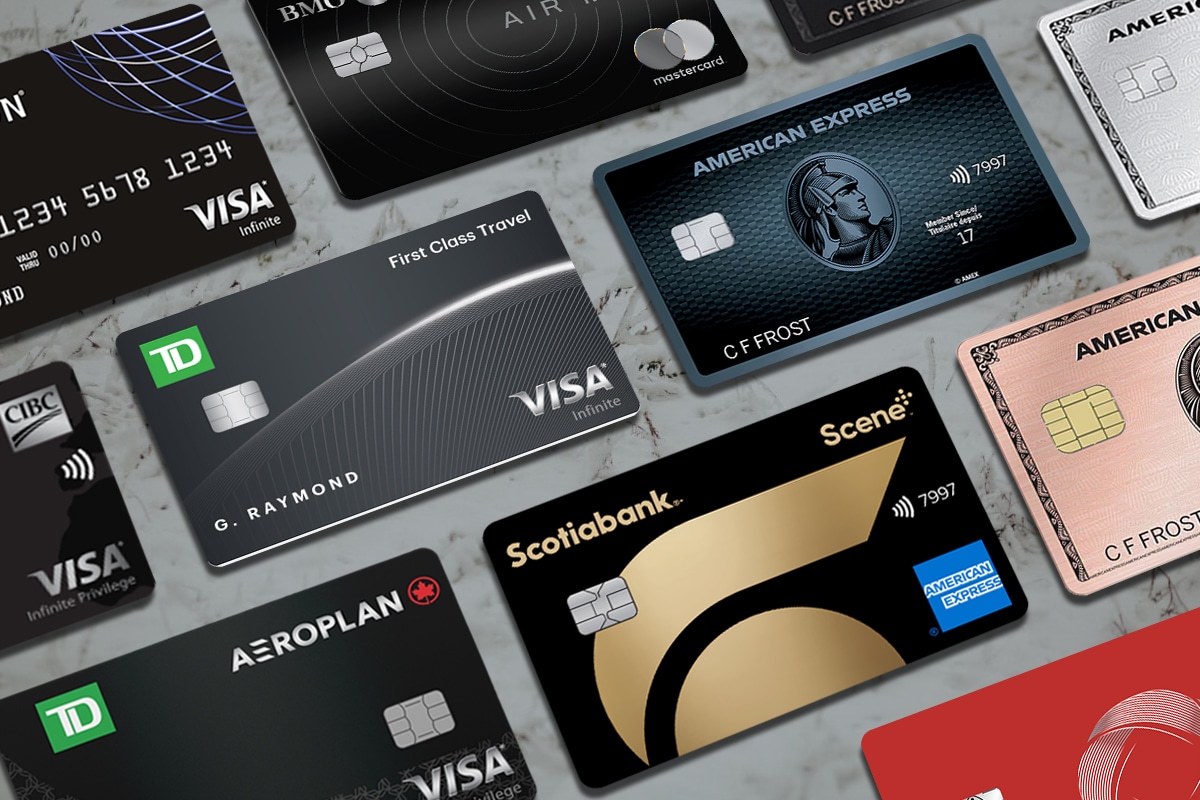
Credit cards can be a convenient financial tool, but it’s essential to understand the interest rates and fees that come with them to manage your finances effectively. This section dives into the common interest rates associated with credit cards, how they are calculated, and the various fees you might encounter, along with some practical tips to avoid unnecessary charges.
Common Interest Rates and Their Calculation
Interest rates on credit cards can vary significantly based on several factors, including the card issuer, the applicant’s creditworthiness, and the prevailing market rates. The most common interest rate associated with credit cards is the Annual Percentage Rate (APR), which represents the yearly cost of borrowing expressed as a percentage. The formula for calculating interest charged on a credit card balance is:
Interest = (Outstanding Balance x APR) / 365 x Days Outstanding
This calculation is essential for understanding how much interest accumulates when carrying a balance. For example, if you have a $1,000 balance on a card with a 15% APR for 30 days, the interest would be approximately $12.33.
Types of Fees Associated with Credit Cards
Beyond interest rates, credit cards often come with various fees that can impact your finances. Understanding these fees is crucial to using your credit card wisely. Here are some common fees you might encounter:
- Annual Fees: Many credit cards charge an annual fee simply for having the card. This fee can range from $0 to several hundred dollars, depending on the card’s perks.
- Late Payment Fees: If you miss a payment deadline, you may incur a late fee, typically ranging from $25 to $39.
- Foreign Transaction Fees: For purchases made in a currency other than your card’s base currency, some cards charge a fee, usually around 1% to 3% of the transaction amount.
- Cash Advance Fees: If you withdraw cash using your credit card, you may face a cash advance fee, often a percentage of the amount withdrawn or a flat rate, whichever is higher.
Tips to Avoid Unnecessary Fees
Managing fees associated with credit cards can save you a significant amount of money over time. Here are some effective strategies to minimize or avoid unnecessary fees:
- Choose a card with no annual fee, especially if you do not expect to use it frequently.
- Set up reminders or alerts to ensure you pay your bills on time, avoiding late fees.
- Consider cards that do not charge foreign transaction fees, especially if you travel internationally.
- Always read the terms and conditions associated with cash advances to understand the fees involved.
The Role of Rewards Programs in Credit Card Usage
Rewards programs significantly enhance the value of credit cards by offering consumers incentives for their spending. These programs can range from cash back to travel rewards, making it essential for consumers to understand how they work and choose the right one based on their spending habits and lifestyle. By effectively utilizing rewards programs, cardholders can maximize their benefits, which can lead to substantial savings or perks over time.Rewards programs typically operate by allowing cardholders to earn points, miles, or cash back on their purchases.
Each credit card issuer may have different structures and redemption methods, making it crucial for consumers to analyze their options. When selecting a rewards card, individuals should consider factors such as the accumulation rate for rewards, the categories in which they spend the most, and the expiration policies of the rewards.
Comparison of Different Rewards Structures
When exploring credit card rewards, it’s important to understand the primary structures available: points, miles, and cash back. Each structure offers unique benefits based on consumer preferences.
- Points: Often associated with travel and retail rewards, points can be redeemed for a variety of options, including merchandise or gift cards. A card may offer 1 point per dollar spent, with bonuses for specific categories like dining or travel.
- Miles: Rewards in the form of miles are typically geared towards frequent travelers. Miles can be redeemed for flights, hotel stays, or upgrades. A common structure might involve earning 2 miles per dollar spent on travel-related purchases and 1 mile per dollar on all other purchases.
- Cash Back: This straightforward structure allows consumers to earn a percentage back on their spending. For example, a card might offer 1.5% cash back on all purchases or higher percentages in certain categories, such as 5% on groceries.
The potential value of rewards programs can be significant when utilized effectively. By strategically using a rewards credit card for everyday expenses, consumers can accumulate rewards that translate into real financial benefits.
“Using a rewards program wisely can yield savings equivalent to hundreds of dollars annually.”
For instance, if a consumer spends $1,000 monthly on a cash back card that offers 1.5%, they would earn $180 annually. If they instead utilized a travel rewards card that provides 2 miles per dollar spent, they could accrue 24,000 miles, enough for a round-trip flight depending on the airline’s redemption policies. This demonstrates the tangible benefits of carefully selecting and using a rewards program aligned with personal spending habits.
Managing Credit Card Debt Effectively
Managing credit card debt efficiently is crucial for maintaining financial health and achieving long-term goals. With the right strategies and a clear plan, you can reduce your debt significantly while avoiding common pitfalls that often lead to greater financial strain. This section explores effective methods for tackling credit card debt and Artikels a step-by-step budgeting approach to ensure credit payments are effectively incorporated into your financial planning.
Strategies for Paying Off Credit Card Debt
Creating a structured approach to paying off credit card debt can lead to significant savings in interest and a quicker path to financial freedom. Here are some strategies that can help you manage your credit card debt efficiently:
- Focus on High-Interest Debt: Prioritize paying off credit cards with the highest interest rates first. This method, known as the avalanche method, minimizes the amount of interest you’ll pay over time.
- Make More than the Minimum Payment: Always try to pay more than the minimum required payment. This reduces your balance faster and decreases the total interest paid.
- Utilize Balance Transfers: Consider transferring high-interest balances to a card with a lower interest rate. Many cards offer introductory 0% APR for balance transfers, which can save you a substantial amount on interest.
- Set Up Automatic Payments: Automate your payments to avoid late fees and prevent debt from piling up. This ensures that you never miss a payment due date.
Common Pitfalls in Accumulating Debt
Understanding the traps that lead to credit card debt accumulation is essential for avoiding financial pitfalls. Here are common behaviors to watch out for:
- Living Beyond Your Means: Spending more than you earn is a primary reason for debt accumulation. Always align your spending with your income to avoid reliance on credit.
- Impulse Purchases: Frequent unplanned purchases can quickly add up, leading to higher credit card balances. Use budgeting techniques to manage discretionary spending.
- Ignoring Monthly Statements: Failing to review your credit card statements can lead to overspending and unnoticed fees. Regularly check your statements to stay informed about your spending habits.
- Only Paying the Minimum: Paying only the minimum can extend your debt repayment period and increase the total interest paid. Aiming to pay more than the minimum is a healthier approach.
Step-by-Step Budget Plan Including Credit Card Payments
Creating a budget that incorporates credit card payments is essential for effective debt management. Here’s a straightforward plan to guide you through the budgeting process:
- List All Income Sources: Calculate your total monthly income, including salary, bonuses, and any side income.
- Track Monthly Expenses: Document all monthly expenses, separating them into fixed costs (like rent) and variable costs (like groceries). This will give you a clear picture of your spending habits.
- Allocate Funds for Debt Repayment: Determine a fixed amount you can allocate monthly towards credit card payments, in addition to your regular expenses.
- Adjust Variable Expenses: Identify areas where you can cut back on discretionary spending to free up more funds for debt repayment.
- Review and Adjust Regularly: At the end of each month, review your budget to see where you can improve. Adjust your budget based on changes in income or expenses.
“Effective budgeting not only helps in managing current debt but also in preventing future financial strain.”
This structured approach to managing credit card debt equips you with the tools to pay off balances efficiently while avoiding common financial pitfalls, fostering a healthier financial future.
The Impact of Credit Cards on Personal Finance
Credit cards can significantly shape an individual’s financial landscape. While they offer convenience and flexibility, they also come with challenges that can affect personal finance in profound ways. Understanding both the positive and negative impacts of credit card use is essential for anyone looking to establish a solid financial foundation.Credit cards can influence overall financial health by providing a means for immediate purchases while building a credit history.
Responsible use of credit cards can lead to higher credit scores, which in turn can result in lower interest rates on loans, better insurance rates, and increased financial opportunities. However, credit card misuse, such as overspending or late payments, can lead to debt accumulation and a negative impact on one’s credit score, which may hinder future financial plans.
Benefits of Responsible Credit Card Use
When used wisely, credit cards can offer several advantages. They are not only tools for convenience but also contribute positively to financial health. Here are some key benefits of responsible credit card use:
- Building Credit History: Regular, on-time payments help establish a good credit profile, which is vital for future borrowing.
- Rewards and Cash Back: Many credit cards offer rewards programs that provide cash back, travel points, or other benefits for every dollar spent.
- Purchase Protection: Credit cards often include protections like fraud liability, extended warranties, and return protections that safeguard purchases.
- Emergency Fund Access: In times of financial need, credit cards can serve as a temporary financial buffer, helping to cover unexpected expenses.
Risks of Misuse
On the flip side, the irresponsible use of credit cards can lead to significant financial strain. The risks associated with credit card misuse include:
- Accumulating Debt: High-interest rates can lead to rapidly growing debt if balances are not paid in full each month.
- Negative Credit Impact: Late payments or maxing out credit limits can severely damage your credit score, affecting future financial opportunities.
- Overspending Habits: The ease of swiping a card can result in spending beyond one’s means, leading to financial instability.
- High Fees: Many credit cards come with annual fees, late payment charges, and cash advance fees that can add to financial burdens.
Best Practices for Maintaining Good Personal Finance Habits
To navigate the complexities of credit card use effectively, adhering to best practices is essential. Implementing these habits can promote financial wellness and mitigate risks:
- Create a Budget: Establish a monthly budget to track income and expenses, ensuring that credit card use aligns with financial goals.
- Pay Balances in Full: Always aim to pay off the full balance each month to avoid interest charges and maintain a healthy credit score.
- Monitor Transactions: Regularly review credit card statements for accuracy, and be vigilant about any unauthorized charges.
- Limit Card Use: Utilize credit cards for planned purchases and emergencies only, avoiding impulse buying.
- Set Up Alerts: Use mobile alerts for payment due dates to stay on top of payments and avoid late fees.
Future Trends in Credit Card Technology
As technology continues to evolve at a rapid pace, the credit card industry is undergoing significant transformations. Emerging technologies are revolutionizing how consumers interact with their finances, making transactions more seamless, secure, and efficient. This shift is not just about enhancing user experience; it’s also about adapting to a digital-first world where convenience is key.Advancements in credit card technology are primarily driven by innovations in contactless payments, mobile wallets, and the increasing influence of cryptocurrencies.
These trends are reshaping consumer behavior and the overall landscape of financial transactions, paving the way for a more integrated payment ecosystem.
Contactless Payments and Mobile Wallets
The rise of contactless payments and mobile wallets marks a significant change in consumer habits. These technologies allow users to make transactions quickly and securely without the need for physical cards. The convenience of tapping a card or smartphone at a payment terminal has enhanced the overall shopping experience. Key aspects of this trend include:
- Speed and Efficiency: Contactless payment methods reduce transaction times, allowing consumers to complete purchases in seconds, which is increasingly important in fast-paced environments.
- Enhanced Security: These systems often utilize tokenization and biometric authentication, making them more secure than traditional magnetic stripe cards.
- Adoption of Mobile Wallets: Applications like Apple Pay, Google Wallet, and Samsung Pay are gaining popularity, integrating loyalty programs and receipts for a more user-friendly experience.
- Shift in Consumer Preferences: As more consumers embrace these technologies, businesses are adapting to meet the demand, leading to a broader acceptance of contactless payments across various sectors.
Impact of Cryptocurrencies on Credit Card Systems, Credit cards
Cryptocurrencies are emerging as a formidable disruptor in the credit card industry. Traditional credit card systems are beginning to integrate cryptocurrencies as a payment option, providing consumers with more flexibility and choice.Key implications of this trend include:
- Increased Acceptance: Major credit card issuers are exploring partnerships with cryptocurrency platforms, allowing users to spend their digital currencies directly at millions of merchants.
- Reduced Transaction Fees: Cryptocurrencies often bypass traditional banking fees, which could lead to lower costs for both consumers and merchants.
- Real-Time Transactions: Unlike traditional banking systems, cryptocurrency transactions can be completed almost instantaneously, reducing waiting times for consumers.
- Regulatory Challenges: The integration of cryptocurrencies into credit card systems brings about regulatory hurdles, as financial institutions and governments work to establish a framework for digital currencies.
“The rise of digital currencies represents a paradigm shift in consumer finance, challenging the very foundation of traditional banking and credit systems.”
Ending Remarks
In conclusion, navigating the world of credit cards doesn’t have to be overwhelming. With the right knowledge and strategies, you can leverage these financial instruments to enhance your purchasing power while maintaining a solid grip on your personal finances. Always remember to use credit responsibly, stay informed about your options, and keep an eye on future trends that could shape the landscape of credit cards.
Answers to Common Questions: Credit Cards
What is the minimum credit score needed to get a credit card?
Typically, a score of 650 or higher is considered favorable, but some cards may be accessible to those with lower scores.
Are there credit cards with no annual fees?
Yes, many credit cards offer no annual fees, particularly those geared towards beginners or basic users.
Can I improve my credit score quickly?
Improving your credit score takes time, but paying bills on time and reducing existing debt can help speed up the process.
What should I do if I lose my credit card?
Immediately report the loss to your credit card issuer to prevent unauthorized transactions and request a replacement.
Can I transfer my credit card balance?
Yes, many credit cards offer balance transfer options that can help consolidate debt at a lower interest rate.