Capital markets are vital components of our economy, serving as platforms where individuals and institutions trade financial securities like stocks and bonds. These markets play a crucial role in providing businesses with the necessary funds for growth and innovation while offering investment opportunities for investors seeking returns. Understanding the intricacies of capital markets can unveil the complex relationships that govern financial transactions and economic stability.
From primary markets where new securities are issued to secondary markets where existing securities are traded, capital markets encompass a diverse range of functions and instruments. Their significance extends beyond mere transactions, influencing government funding strategies and economic policies, ultimately impacting everyone from individual investors to large corporations.
Understanding what capital markets entail
Capital markets play a pivotal role in the economic framework by enabling the flow of funds between investors and entities that require capital for growth and development. They provide a platform for companies, governments, and institutions to raise funds by issuing securities and for investors to earn returns on their investments. Understanding the structure and functioning of capital markets is essential for comprehending the broader economic landscape.Capital markets can be broadly categorized into two segments: primary markets and secondary markets.
The primary market is where new securities are issued and sold for the first time, typically through initial public offerings (IPOs). In contrast, the secondary market is where previously issued securities are traded among investors. This trading provides liquidity and enables price discovery, which are crucial for efficient capital allocation in the economy.
Components of capital markets
The main components of capital markets include various types of financial instruments that facilitate investment and capital generation. These instruments are designed to meet the differing needs of both issuers and investors. Understanding these components is critical for anyone looking to engage with capital markets.
- Stocks: Stocks represent ownership in a company and provide shareholders with voting rights and dividends. They can be common or preferred, with common shareholders enjoying potential price appreciation and dividends, while preferred shareholders have a fixed dividend but generally lack voting rights.
- Bonds: Bonds are debt instruments issued by corporations or governments to raise capital. They represent a loan made by the investor to the issuer, who agrees to pay back the principal amount at maturity along with periodic interest payments. Bonds can vary in terms of credit quality, duration, and yield, affecting their risk and return profiles.
- Derivatives: Derivatives are financial contracts whose value is derived from the performance of an underlying asset, index, or interest rate. Common types of derivatives include options and futures, which can be used for hedging risks or speculating on price movements.
- Exchange-Traded Funds (ETFs): ETFs are investment funds that are traded on stock exchanges, similar to stocks. They typically track an index, commodity, or a basket of assets, allowing investors to gain exposure to diversified portfolios with relatively low costs.
“Capital markets are vital for economic growth, providing necessary funding for businesses and investment opportunities for individuals.”
The significance of capital markets for businesses and governments
Capital markets play a crucial role in the financial ecosystem, serving as a vital link between investors seeking opportunities to grow their wealth and entities, such as businesses and governments, looking for funding to support their initiatives. These markets facilitate the flow of capital, enabling growth, innovation, and economic stability.Businesses utilize capital markets primarily for financing and expansion. By issuing stocks and bonds, companies can raise substantial funds needed for various purposes, including research and development, infrastructure improvements, or strategic acquisitions.
Access to these markets allows businesses to tap into a larger pool of resources than traditional bank loans might offer, providing them with the flexibility to scale operations and innovate effectively.
Impact of Capital Markets on Government Funding
Capital markets are equally significant for governments, which rely on them to secure funding for public projects and services. This funding is essential for maintaining infrastructure, education, healthcare, and public safety. Governments issue bonds to finance these projects, and the interest paid on these bonds is often considered a key indicator of economic health.
- Infrastructure Development: Capital markets enable governments to raise funds for large-scale infrastructure projects, such as highways, bridges, and public transit systems. This investment stimulates job creation and economic growth.
- Public Services: Through capital markets, governments can finance essential services, ensuring that they meet the needs of their citizens without immediate tax hikes.
- Economic Stability: A well-functioning capital market can lead to lower borrowing costs for governments, promoting economic stability and confidence among investors and citizens.
“Capital markets are the backbone of any modern economy, providing the necessary funds for growth and development.”
Relationship between Capital Markets and Investment Opportunities
The interaction between capital markets and investment opportunities creates a dynamic environment for both investors and companies. As businesses seek to grow, they often look to capital markets to attract investments, which in turn creates opportunities for investors seeking returns.Investors benefit from a diverse array of financial instruments available in capital markets, including stocks, bonds, and derivatives. This diversity allows them to tailor their portfolios to match their risk tolerance and investment goals.
Furthermore, the liquidity provided by these markets allows investors to buy and sell assets with relative ease, enhancing their ability to capitalize on market movements.
- Diverse Investment Options: Capital markets offer various financial products that cater to different investment strategies, from conservative bond investments to high-risk stock options.
- Price Discovery: Capital markets facilitate efficient price discovery, enabling investors to make informed decisions based on real-time market data and trends.
- Long-term Growth Potential: Companies leveraging capital markets can access the funding required for innovation, leading to higher growth potential and, subsequently, attractive returns for investors.
“The relationship between capital markets and the economy is symbiotic: capital markets drive growth, while growth fuels further investment opportunities.”
Analyzing the structure of capital markets
Capital markets serve as critical avenues for raising funds and facilitating investments. They encompass a variety of mechanisms through which individuals and institutions can engage in the buying and selling of financial securities. Understanding the structure of capital markets is essential for investors and policymakers alike, as it influences economic growth, investment strategies, and financial stability.
Types of Capital Markets and Their Functions
Capital markets are broadly categorized into two main types: primary and secondary markets. Each type plays a distinct role in the financial ecosystem.
- Primary Market: This market involves the initial issuance of securities. Companies and governments raise capital by selling new stocks or bonds directly to investors. For instance, when a company goes public through an Initial Public Offering (IPO), it utilizes the primary market to generate funds for growth and expansion.
- Secondary Market: This market allows the buying and selling of existing securities. Investors trade previously issued stocks and bonds among themselves. The secondary market provides liquidity, enabling investors to quickly convert their holdings into cash. A well-known example is the New York Stock Exchange (NYSE), where shares are traded continuously throughout the trading day.
Organized Exchanges vs. Over-the-Counter Markets
Organized exchanges and over-the-counter (OTC) markets represent two different mechanisms for trading securities. Each has its own characteristics, advantages, and disadvantages.
- Organized Exchanges: These are regulated marketplaces where securities are listed and traded according to established rules. Examples include the NYSE and NASDAQ. Organized exchanges provide transparency and a structured environment for trading, which often results in tighter spreads and better pricing for investors.
- Over-the-Counter Markets: OTC markets operate without a centralized exchange, allowing trading through a network of dealers. This system can facilitate transactions for securities that may not meet listing requirements of organized exchanges. While OTC provides flexibility and a broader range of investment options, it typically involves higher risk due to less transparency and regulation. Notable examples include the OTC Bulletin Board and Pink Sheets.
Regulatory Bodies Governing Capital Markets
Regulatory bodies play a vital role in maintaining the integrity and stability of capital markets. They establish rules and guidelines to protect investors and promote fair and efficient markets.
- Securities and Exchange Commission (SEC): In the United States, the SEC is a pivotal regulatory authority responsible for enforcing securities laws and protecting investors. Its oversight helps ensure transparency, accurate disclosure, and the prevention of fraud in capital markets.
- Financial Industry Regulatory Authority (FINRA): This self-regulatory organization oversees brokerage firms and exchange markets. FINRA’s mission is to safeguard investors by ensuring firms operate fairly and honestly, providing a framework for market conduct and compliance.
- International Organization of Securities Commissions (IOSCO): As a global body of securities regulators, IOSCO sets international standards for securities regulation. Its work fosters cooperation among regulators worldwide, enhancing the effectiveness of capital market regulation and promoting investor confidence on a global scale.
“The integrity of capital markets relies heavily on effective regulation and oversight to foster investor trust and economic stability.”
The role of investors in capital markets
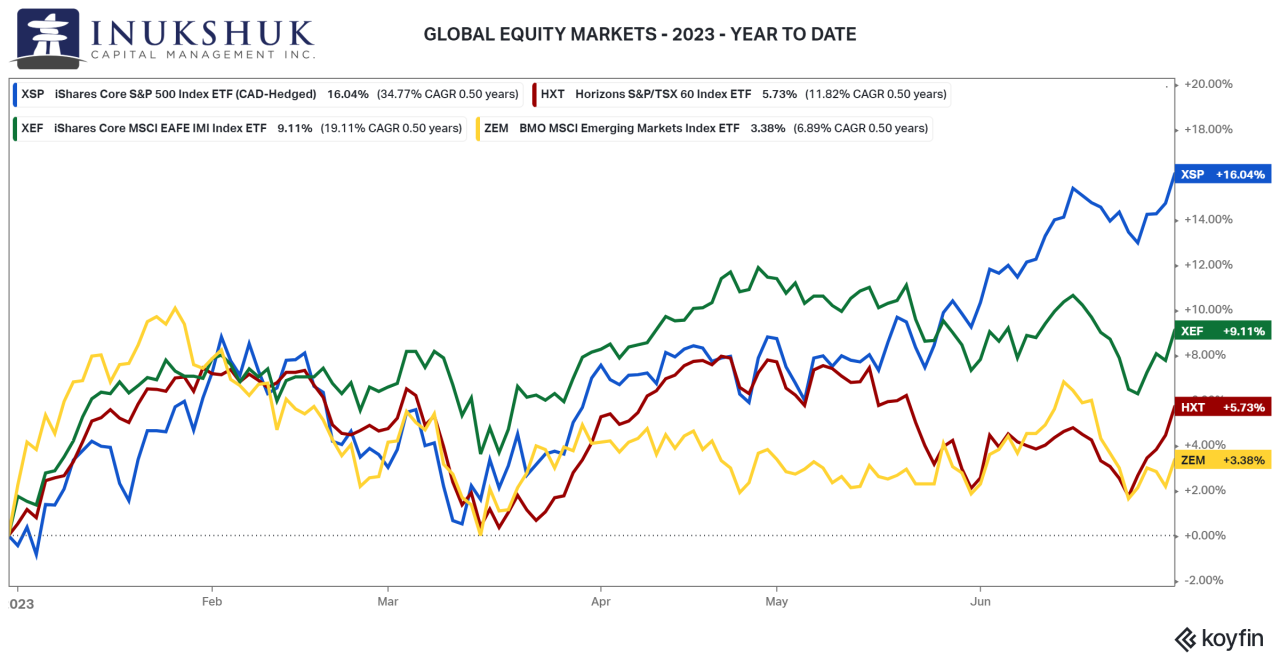
Investors play a crucial role in capital markets, functioning as the primary bridge between those who need capital and those who have the means to provide it. Their participation influences market dynamics, liquidity, and overall economic growth. Understanding the types of investors and their motivations helps to contextualize their impact on capital markets.Different types of investors inhabit capital markets, each with unique objectives and strategies.
These can be broadly categorized into individual investors, institutional investors, and retail investors. Each group has distinct motivations driving their investment decisions.
Types of Investors and Their Motivations
The composition of investors in capital markets is diverse, encompassing various entities and individuals, all driven by specific goals. The major categories include:
- Individual Investors: Typically invest their personal funds with the aim of wealth accumulation, retirement planning, or achieving short-term financial goals.
- Institutional Investors: Comprising pension funds, mutual funds, insurance companies, and hedge funds, these entities manage large pools of capital and often seek long-term growth and diversification.
- Retail Investors: These are non-professional investors who buy and sell securities for personal accounts, often motivated by market trends or advice from financial professionals.
The motivations behind these groups can vary widely. Individual investors may seek capital appreciation or passive income, while institutional investors are often focused on delivering returns to their stakeholders. Retail investors may be influenced by market sentiment or media coverage, leading to varying investment strategies.
Investment Strategies in Capital Markets
Investors utilize a range of strategies to optimize their participation in capital markets, tailoring their approaches based on risk tolerance, market conditions, and investment horizons. Some key strategies include:
- Value Investing: This strategy involves picking undervalued stocks and holding them long-term, banking on their eventual appreciation.
- Growth Investing: Investors focus on companies with high growth potential, willing to pay a premium for expected future earnings.
- Income Investing: This strategy is centered on generating income through dividends or interest, appealing to those seeking steady cash flow.
- Index Investing: Investors buy index funds or ETFs to track the performance of a market index, offering diversification and lower costs.
Each strategy comes with its own set of methodologies and evaluation criteria, allowing investors to align their approaches with personal goals and risk assessments.
Risks and Rewards for Investors
Investing in capital markets carries inherent risks alongside potential rewards, making it essential for investors to carefully assess their risk appetite. The rewards can be substantial, including capital gains, steady income from dividends, and portfolio diversification. Nonetheless, the risks include:
- Market Volatility: Prices can fluctuate dramatically due to economic conditions, geopolitical events, or market sentiment, potentially leading to losses.
- Credit Risk: This is the risk that a bond issuer may default on payments, particularly relevant for fixed-income investments.
- Liquidity Risk: Investors may face challenges selling assets quickly without significant price concessions, especially in less liquid markets.
- Inflation Risk: The potential for inflation can erode the purchasing power of investment returns, affecting the real value of profits.
“Investing in capital markets is an exercise in balancing risk and reward; the key is to align your strategy with your financial goals.”
Understanding these dynamics equips investors with the knowledge to navigate capital markets effectively, enabling informed decision-making.
Trends and technological advancements in capital markets
The landscape of capital markets is undergoing rapid transformation due to various technological advancements. Innovations such as fintech solutions and blockchain technology have started to reshape how investors and institutions interact with the financial environment. These changes are not only enhancing efficiency but also altering the overall investor experience significantly.
Technological Innovations in Capital Markets
Recent advancements in technology have introduced groundbreaking tools that are revolutionizing capital markets. Fintech, which integrates technology into offerings for financial services, has allowed for faster transactions and improved access to capital for individuals and businesses alike. Blockchain technology, with its decentralized ledger system, enhances transparency and security in transactions, which has become increasingly vital in today’s digital age. Key innovations influencing capital markets include:
- Blockchain Technology: This innovation enables secure and transparent transaction processes, reducing the potential for fraud and errors. Its application in smart contracts facilitates automatic compliance without the need for intermediaries.
- Artificial Intelligence (AI): AI algorithms analyze large datasets to identify trading patterns, predict market trends, and optimize trading strategies, thereby enhancing decision-making capabilities for traders and investors.
- Robo-Advisors: These automated platforms provide personalized investment advice based on algorithms. They democratize access to investment management for retail investors who may not have traditionally engaged with financial advisors.
Impact of Algorithmic Trading
Algorithmic trading has emerged as a dominant force in capital markets, providing a means for executing trades at high speeds and volumes. This technology leverages mathematical models and formulas to analyze market data in real-time, allowing traders to capitalize on price fluctuations effectively.The implications of algorithmic trading include:
- Market Efficiency: By enabling rapid execution of trades, algorithmic trading contributes to tighter bid-ask spreads and improved liquidity, resulting in a more efficient market.
- Volatility Concerns: While algorithmic trading can enhance efficiency, it also raises concerns regarding increased market volatility. Flash crashes—sharp, rapid declines in stock prices—can occur when algorithms react simultaneously to market signals.
- Access to Information: Algorithmic trading democratizes information access, allowing smaller firms and individual traders to compete with larger institutions by utilizing the same advanced technological tools.
Changes in Investor Experience
Technology has significantly altered the way investors engage with capital markets, providing them with tools that enhance accessibility and usability. The rise of mobile trading applications, data analytics platforms, and social trading networks has shifted the traditional investor landscape.Examples of technological changes in investor experience include:
- Mobile Trading Apps: These applications empower investors to trade from anywhere at any time, making it easier to respond swiftly to market changes.
- Data Visualization Tools: Sophisticated tools that present complex data in an understandable format help investors make informed decisions based on real-time analytics.
- Social Trading Platforms: By allowing investors to follow and replicate the trades of successful traders, these platforms foster a community-driven approach to investing, especially appealing to novice traders.
“The integration of technology into capital markets has not only increased efficiency but has also transformed the investor experience, making it more accessible and engaging.”
The challenges faced by capital markets today
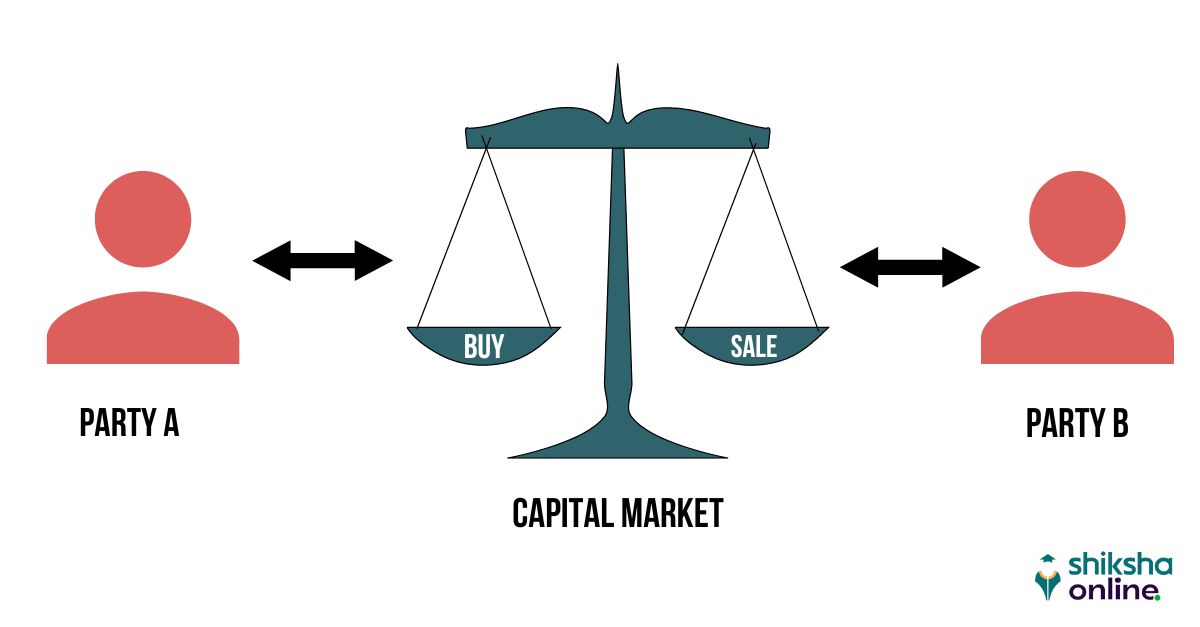
The landscape of capital markets is increasingly complex, influenced by a variety of factors that pose significant challenges to participants and regulators alike. As we navigate through this dynamic environment, understanding these challenges is crucial for comprehension of market behavior and strategic planning.Market volatility and regulatory changes are at the forefront of the challenges faced by capital markets. Regulatory bodies have been continuously adapting to the rapid innovation in financial products and services, leading to a landscape where compliance is evolving.
This is compounded by market volatility, which has been exacerbated by geopolitical tensions, economic uncertainty, and rapid technological advancements.
Impact of Regulatory Changes
Regulatory changes often come in response to past crises, aiming to enhance transparency and protect investors. However, these changes can create significant operational burdens for financial institutions. Key aspects to consider include:
- Increased compliance costs, which can deter new entrants and innovations.
- Shifts in trading practices, such as the rise of algorithmic trading, requiring new regulatory frameworks.
- Changes in capital requirements that influence lending and investment strategies.
The evolving nature of regulation often leads to a race between compliance and innovation, where firms must navigate a complex web of rules while still seeking competitive advantages.
Market Volatility Factors
The capital markets are highly susceptible to fluctuations driven by various global economic factors. These include:
- Interest rate changes, which can significantly impact borrowing costs and investment strategies.
- Geopolitical events, such as trade wars and conflicts, creating uncertainties that ripple through markets.
- Global economic indicators, including inflation rates and unemployment figures, that influence investor sentiment and asset prices.
A prime example of this volatility can be seen during the COVID-19 pandemic, where market reactions were swift and dramatic, leading to unprecedented market movements and trading volume spikes across various asset classes.
Influence of Environmental, Social, and Governance (ESG) Criteria
Environmental, social, and governance criteria are becoming increasingly significant in shaping capital market practices. Investors are now placing higher value on sustainability and ethical governance, which impacts market behavior. Important trends include:
- Growing demand for green bonds and sustainable investment products, reshaping capital allocation.
- Corporate governance strengthening, as companies are held accountable for their social and environmental impacts.
- Increased transparency and reporting requirements around ESG factors, driving companies to adopt more responsible practices.
In recent years, firms like BlackRock have emphasized the importance of sustainability, advocating for a transition to a low-carbon economy, which has influenced investment strategies across the globe.
Future prospects for capital markets
The future of capital markets holds significant promise as various factors converge to reshape the landscape. Over the next decade, we anticipate various developments driven by technological advancements, regulatory changes, and evolving economic conditions. Understanding these dynamics is crucial for investors, companies, and policymakers alike, as they navigate the complexities of a rapidly changing environment.The influence of economic conditions cannot be understated in shaping capital markets.
As global economies shift towards more sustainable practices and digital transformations, the capital markets will likely adapt to accommodate these changes. Factors such as interest rate fluctuations, inflationary pressures, and geopolitical tensions will play pivotal roles in determining market behaviors and investor sentiments.
Emerging trends influencing capital markets
Several emerging trends are set to strongly impact the evolution of capital markets in the coming years. These trends reflect the changing nature of investing and the increasing importance of technology, sustainability, and consumer behavior.To grasp the significance of these trends, consider the following key factors:
- Technological advancements: The rise of fintech companies and blockchain technology is transforming traditional trading platforms and enabling faster transactions. Innovations like AI-driven analytics and robo-advisors are streamlining investment strategies, making capital markets more accessible to a broader audience.
- Sustainable investing: There is a growing demand for Environmental, Social, and Governance (ESG) investments as investors prioritize sustainability. Companies that adhere to responsible practices are increasingly favored, leading to a reallocation of capital toward greener initiatives.
- Increased regulatory scrutiny: As capital markets evolve, regulatory bodies are adapting to new realities. Heightened transparency requirements and compliance measures will require firms to implement robust strategies to meet these expectations, which may lead to increased operational costs but ultimately foster greater investor confidence.
- Globalization of markets: International investments are becoming more common, with barriers diminishing between national markets. This globalization allows investors to diversify their portfolios more effectively and is driving competition among countries to attract foreign capital.
- Digital assets and cryptocurrencies: The emergence of digital currencies and assets is reshaping how value is perceived and exchanged. The growing acceptance of cryptocurrencies as viable investment options may redefine capital market structures, leading to innovative financial products.
As these trends continue to develop, they will create both opportunities and challenges within capital markets. The landscape will demand adaptability as stakeholders respond to shifting market dynamics, ultimately leading to a more integrated and technologically advanced capital environment.
Final Thoughts: Capital Markets
In summary, capital markets are not just a backdrop for financial activities; they are dynamic ecosystems that reflect and influence the broader economic environment. As we navigate the challenges and opportunities presented by technological advancements and changing regulations, the future of capital markets holds immense potential for innovation and growth. Staying informed about these developments will empower investors and businesses alike to make sound financial decisions.
FAQ Resource
What are capital markets?
Capital markets are financial markets where long-term debt or equity-backed securities are bought and sold, facilitating the transfer of funds between investors and those seeking capital.
What is the difference between primary and secondary markets?
The primary market is where securities are created and sold for the first time, while the secondary market is where existing securities are traded among investors.
How do capital markets impact economic growth?
Capital markets provide businesses with access to financing, enabling them to invest in operations, expand, and create jobs, which in turn fuels economic growth.
What types of investors participate in capital markets?
Various investors participate, including individual retail investors, institutional investors like pension funds and mutual funds, and hedge funds, each with different goals and strategies.
How has technology changed capital markets?
Technology has transformed capital markets through innovations like fintech, algorithmic trading, and blockchain, enhancing efficiency and altering the investor experience significantly.
What are the current challenges facing capital markets?
Capital markets face challenges like regulatory changes, market volatility, and the need to adapt to global economic shifts and growing emphasis on environmental, social, and governance (ESG) standards.
What is the future outlook for capital markets?
The future of capital markets may be shaped by ongoing technological advancements, evolving regulatory frameworks, and shifting economic conditions that influence investment strategies and opportunities.