Structured finance takes center stage as an innovative approach to funding, transforming the way financial transactions are crafted and executed. This method goes beyond traditional financing, utilizing complex financial instruments and tailored solutions to meet the diverse needs of issuers and investors alike. By leveraging various assets, structured finance offers unique opportunities for risk management and capital generation, making it a crucial component of modern finance.
At its core, structured finance involves creating financial products designed to redistribute risk and optimize capital use, often through the use of special purpose vehicles (SPVs). These vehicles are pivotal in isolating financial risks and facilitating transactions that traditional financing cannot accommodate. As we delve deeper into the intricacies of structured finance, we will explore its fundamentals, the role of SPVs, the impact of regulatory frameworks, and the evolution of its products in response to changing economic landscapes.
Understanding the Fundamentals of Structured Finance
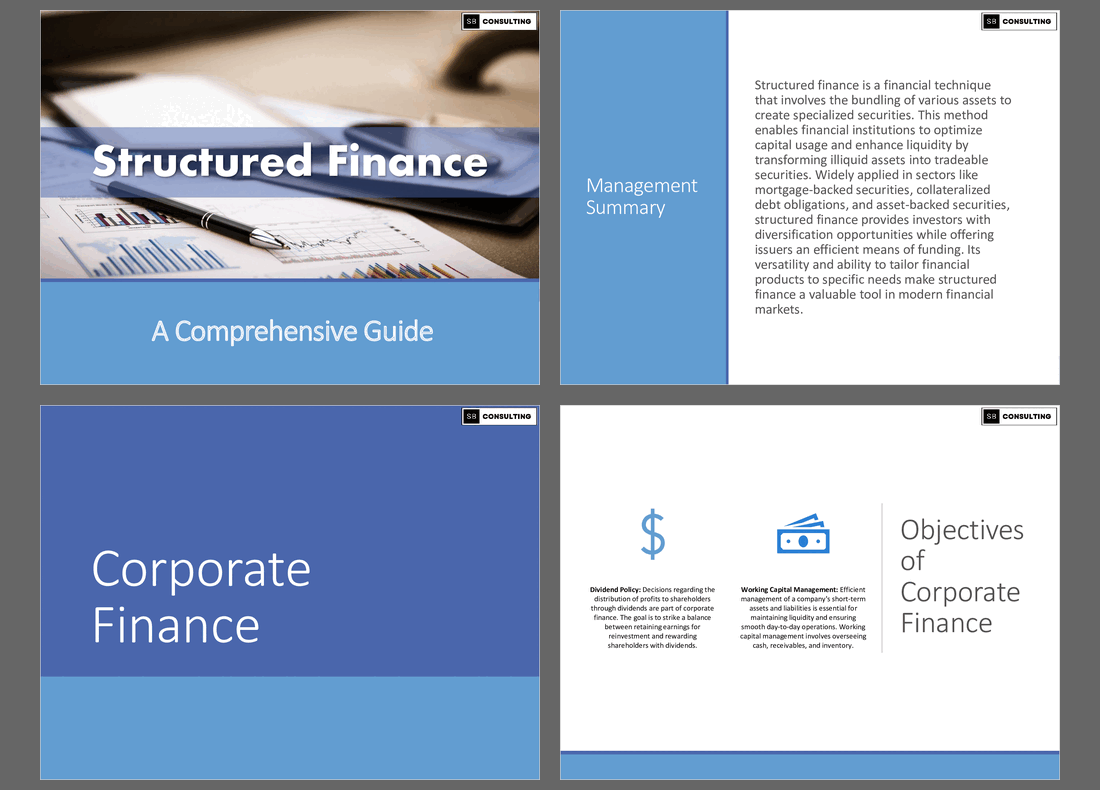
Structured finance is a complex financial instrument that has gained prominence over the last few decades due to its ability to tailor financial solutions to meet specific needs. At its core, structured finance involves the pooling of various financial assets and the creation of securities backed by those assets. This process allows for the creation of innovative financial products that can cater to different risk appetites and investment strategies.
Understanding the fundamentals of structured finance is essential for professionals in the financial sector, as it opens doors to various financing avenues and investment opportunities.The basic principles behind structured finance hinge on the transformation of illiquid assets into liquid securities. This process typically involves several key components that make up structured finance transactions. These components include the underlying assets, special purpose vehicles (SPVs), tranches, credit enhancement mechanisms, and the investors.
The underlying assets can range from mortgages, loans, credit card debts, to other receivables that generate cash flows. The SPVs are created to isolate the financial risk associated with these assets, facilitating the issuance of securities.
Key Components of Structured Finance Transactions
Understanding the key components of structured finance transactions provides insight into how these complex structures operate. Here are the main elements involved:
- Underlying Assets: These are the financial assets that generate cash flows, such as loans or receivables. Their performance directly affects the securities issued.
- Special Purpose Vehicles (SPVs): SPVs are legal entities created to manage the underlying assets and issue securities, helping to separate the assets from the originator’s balance sheet.
- Tranches: Securities are often divided into tranches, which are different layers of investment with varying risk levels and returns. Senior tranches typically have lower risk and lower returns, while junior tranches carry higher risk and potential for higher returns.
- Credit Enhancement: This involves techniques that improve the credit quality of the securities, making them more attractive to investors. Common methods include over-collateralization, insurance, or guarantees from third parties.
- Investors: These can include institutional investors, hedge funds, or individual investors who purchase the securities issued by the SPVs, seeking returns that correspond to the risk they are willing to take.
Structured finance distinctly differs from traditional financing methods, which often rely on direct loans or equity financing. Traditional methods usually involve simpler transactions that don’t require the complex structuring of assets and risk profiles. In contrast, structured finance allows for the creation of diversified investment products that can manage risk more effectively. For example, during the financial crisis of 2008, structured finance products, particularly mortgage-backed securities, were scrutinized for their complexity and risk exposure.
However, when structured properly, these financial instruments can provide liquidity and stability to financial markets.
Structured finance enables financial institutions to manage risk while providing unique investment opportunities.
The Role of Special Purpose Vehicles in Structured Finance
Structured finance is a complex area within the financial industry, characterized by its innovative approaches to risk management and capital formation. One of the key components in this landscape is the Special Purpose Vehicle (SPV). A SPV is a legal entity created for a specific purpose, often to isolate financial risk and protect the assets involved. In structured finance, SPVs facilitate the securitization of assets, enabling the conversion of these assets into tradable securities while managing risk effectively.Special Purpose Vehicles serve several functions that are crucial for the structured finance framework.
Primarily, they are used to hold assets, issue securities, and ensure that the risks associated with the underlying assets are separated from the parent company. This not only protects the parent company from potential losses but also enhances the credit quality of the securities issued by the SPV. By isolating the assets, SPVs can more easily attract investors who may be concerned about the creditworthiness of the originating institution.
Moreover, SPVs can help in achieving regulatory and tax efficiencies, allowing for optimized capital management practices.
Advantages and Risks of Using SPVs in Structured Finance
The utilization of SPVs in structured finance presents a spectrum of advantages and inherent risks that professionals in the field must consider. Understanding these factors is essential for making informed decisions regarding the deployment of SPVs.One of the primary advantages of SPVs is their ability to mitigate financial risk. By isolating assets and liabilities, SPVs can protect investors from the financial woes of the parent company.
Additionally, they enhance the liquidity of assets, as SPVs can issue various forms of securities backed by the underlying assets, making it easier for investors to enter and exit positions.Another significant benefit is the increased access to capital markets. SPVs can attract a diverse investor base, as they typically offer structured products with clearly defined risk and return profiles. This structured approach can lead to lower financing costs and better pricing of risk.However, the use of SPVs is not without its challenges.
One major risk is the potential for complex structures that can obscure the true financial health of the underlying assets. This complexity may lead to mispricing of risk, making it difficult for investors to fully understand the nature of their investments. Furthermore, there is a risk of regulatory scrutiny, especially if SPVs are used for purposes that appear to be circumventing capital requirements or other regulations.Examples of financial instruments that utilize SPVs include mortgage-backed securities (MBS) and collateralized debt obligations (CDOs).
In the case of MBS, an SPV holds a pool of mortgage loans and issues securities that entitle investors to cash flows generated from these loans. Similarly, CDOs are structured finance instruments that pool various debt obligations and create different tranches of securities, each with varying levels of risk and return, thereby appealing to a wide range of investors.In summary, while SPVs play a vital role in structured finance by facilitating risk management and capital access, their use must be carefully weighed against the potential risks associated with their complexity and regulatory environment.
Understanding the dynamics of SPVs is essential for anyone operating in the structured finance space.
The Impact of Regulatory Frameworks on Structured Finance Markets
The structured finance market has undergone significant transformation, especially following the 2008 financial crisis. Regulatory frameworks play a crucial role in shaping these markets by establishing the rules and guidelines that govern financial transactions, mitigate risks, and promote transparency. This impact can be seen across various jurisdictions and financial products, influencing both the behavior of market participants and the stability of the financial system.Regulatory measures affect structured finance markets by imposing standards that enhance the resilience of financial institutions while seeking to protect investors.
The goal is to reduce systemic risk, which was a critical factor in the 2008 crisis when complex financial products like mortgage-backed securities (MBS) and collateralized debt obligations (CDOs) contributed to widespread failures across the banking sector. Post-crisis, regulators introduced a series of reforms aimed at increasing both oversight and market transparency.
Critical Regulations Shaping Structured Finance Post-2008
Several key regulations have been implemented globally to reshape the structured finance landscape since the crisis. These include:
- Dodd-Frank Wall Street Reform and Consumer Protection Act (USA): Enacted in 2010, Dodd-Frank aimed to reduce the risk of a future financial crisis by implementing stricter regulations on financial institutions. It introduced measures such as the Volcker Rule, which limits proprietary trading by banks, and mandates greater transparency in asset-backed securities (ABS) through detailed reporting requirements.
- Basel III Framework: This international regulatory framework established by the Basel Committee on Banking Supervision set enhanced capital and liquidity requirements for banks. The regulations promote higher capital ratios and leverage ratios, thus improving banks’ ability to absorb shocks during financial downturns.
- European Market Infrastructure Regulation (EMIR): This regulation focuses on increasing transparency and reducing systemic risks in the derivatives markets. EMIR applies to all derivatives trades, requiring central clearing and reporting to trade repositories, thereby enhancing oversight in structured finance transactions.
- Solvency II (EU): Aimed primarily at insurance companies, Solvency II establishes risk-based capital requirements, enhancing the stability and solvency of insurers involved in structured finance markets, especially in securitization transactions.
The regulatory environment varies significantly across countries, impacting how structured finance operates globally. For instance, the United States has adopted a more prescriptive approach through Dodd-Frank, while the EU emphasizes harmonization across member states, evident in regulations like EMIR and Solvency II.
Comparative Regulatory Approaches in Different Countries
Countries have different regulatory approaches, reflecting their respective financial systems and economic priorities. Notable differences include:
- United States vs. Europe: The U.S. regulatory framework tends to be more decentralized, allowing for state-level variations, while Europe seeks uniformity across its member states. This divergence can lead to different levels of enforcement and compliance costs for financial institutions operating in these regions.
- Asia-Pacific Region: Countries such as Australia and Singapore are increasingly aligning their frameworks with international standards like Basel III but also consider local market conditions. For example, Singapore’s regulatory authority emphasizes innovation in fintech, which can influence the structured finance landscape differently than in more traditional economies.
- Emerging Markets: In many emerging markets, regulatory frameworks are still evolving. These countries often face challenges in enforcing protective regulations due to less developed financial systems, which can hinder the growth of structured finance products.
“Regulatory frameworks not only protect investors but also ensure the stability of financial systems, especially in complex markets like structured finance.”
Analyzing Risk Management Techniques in Structured Finance
Structured finance involves complex financial instruments that are designed to manage risk and improve capital efficiency. As with any financial activity, the inherent risks require meticulous management techniques to protect investors and ensure the viability of transactions. Various methods are deployed to analyze and mitigate risks, ensuring that structured finance remains a robust tool for funding and investment purposes.Understanding risk management is crucial, given the diversity of risks involved in structured finance.
The primary risk categories include credit risk, market risk, liquidity risk, and operational risk. Each risk type requires specific approaches for assessment and mitigation to maintain the integrity of structured finance transactions.
Risk Management Methods in Structured Finance
Several risk management techniques are commonly employed in structured finance transactions to safeguard against potential losses. These techniques include, but are not limited to:
1. Credit Enhancements
These are mechanisms designed to improve the creditworthiness of structured products. They can include guarantees, insurance, or letters of credit, which help to attract investors by reducing perceived default risk.
2. Diversification
By spreading investments across various asset classes, sectors, or geographies, structured finance transactions can reduce the impact of any single point of failure. This is particularly critical in asset-backed securities, where diverse pools of assets can lower overall risk.
3. Stress Testing and Scenario Analysis
These methods involve simulating extreme market conditions to understand how transactions would perform under adverse situations. They help identify vulnerabilities within structured products, allowing for proactive adjustments.
4. Use of Derivatives
Financial derivatives, such as swaps and options, can be utilized to hedge against specific risks, including interest rate and currency risk. This allows for greater flexibility and protection against market fluctuations.
5. Regular Monitoring and Reporting
Continuous oversight of the underlying assets and market conditions is essential for timely risk management. Regular reporting ensures that stakeholders are aware of potential risks and can act accordingly.The role of credit ratings in structured finance transactions cannot be understated. Credit rating agencies assess the creditworthiness of the underlying assets and the transaction structure itself, providing an essential layer of scrutiny.
A higher credit rating often translates to lower borrowing costs and enhanced marketability of the structured products. Conversely, lower ratings can lead to higher yields required by investors to compensate for increased perceived risk. To systematically understand the various risks associated with structured finance and their corresponding mitigation strategies, the following table summarizes key risks and approaches:
| Risk Type | Description | Mitigation Strategies |
|---|---|---|
| Credit Risk | Risk of default by borrowers on underlying assets. | Credit enhancements, diversification. |
| Market Risk | Risk of loss due to market fluctuations affecting asset prices. | Derivatives for hedging, stress testing. |
| Liquidity Risk | Risk of being unable to sell structured products in the market. | Maintaining a diversified portfolio to ensure some level of liquidity. |
| Operational Risk | Risk arising from failures in internal processes or systems. | Robust operational controls and regular audits. |
Credit ratings serve as a compass in the structured finance landscape, guiding investors’ decisions and influencing the terms of transactions. By employing comprehensive risk management techniques, participants in structured finance can navigate the complexities of the market, ensuring that both opportunities and challenges are effectively addressed.
Exploring the Evolution of Structured Finance Products
Over the past two decades, structured finance has undergone remarkable transformations, reflecting changes in market dynamics, regulatory environments, and technological advancements. Originally conceived to provide enhanced financing solutions by pooling various financial assets, structured finance products have expanded significantly in complexity and scope. The evolution of these products not only illustrates the adaptability of financial markets but also highlights the innovative spirit that drives the industry forward.Throughout the early 2000s, structured finance primarily revolved around traditional asset-backed securities (ABS) and mortgage-backed securities (MBS).
These instruments allowed for the pooling of diverse assets, such as mortgages, loans, and receivables, to create new securities that could be sold to investors, providing liquidity to the underlying assets. This period saw a surge in demand for structured finance products, largely fueled by low interest rates and a booming housing market. However, the financial crisis of 2008 exposed significant vulnerabilities within these products, leading to a reevaluation of risk assessment practices and regulatory scrutiny.
Emerging Trends in the Structured Finance Market
As the structured finance market has evolved, several key trends have emerged, shaping the future of these products. The following points illustrate these trends:
- Increased Regulation: Post-crisis reforms, such as the Dodd-Frank Act in the U.S., have imposed stricter regulations on structured finance products, leading to enhanced transparency and risk assessment practices.
- Shift to Non-Agency Products: Investors are increasingly turning to non-agency mortgage-backed securities, driven by the search for yield in a low-interest-rate environment.
- Green and Sustainable Financing: The rise of environmental, social, and governance (ESG) investing has spurred the development of green bonds and other sustainable finance products, reflecting a growing focus on social responsibility.
- Increase in Data-Driven Solutions: The use of big data and advanced analytics is transforming risk assessment processes, enabling more precise pricing and risk management for structured finance products.
- Diverse Asset Classes: The range of underlying assets used in structured finance has broadened, now including student loans, auto loans, and even commercial real estate, providing investors with more options and diversification.
The role of technology and innovation is pivotal in reshaping structured finance products. Advancements in financial technology (fintech) have introduced efficient platforms for structuring, issuing, and trading these complex instruments.
Role of Technology and Innovation, Structured finance
Technological innovations have not only streamlined the structuring process but have also enhanced investor accessibility and engagement. Key aspects include:
- Blockchain Technology: The introduction of blockchain has the potential to revolutionize the issuance and trading of structured finance products by providing a secure, transparent, and immutable ledger, reducing operational risks and costs.
- Artificial Intelligence: AI-driven algorithms can analyze vast datasets to identify investment opportunities and optimize portfolio management, leading to better risk assessment and decision-making in structured finance.
- Digital Platforms: The advent of digital platforms has democratized access to structured finance products, allowing individual investors to participate in offerings that were previously available only to institutional players.
- Automation of Processes: Automation technologies are streamlining administrative tasks associated with structured finance, such as documentation and compliance, resulting in improved efficiency and reduced costs.
- Innovative Product Structures: New product structures, such as collateralized loan obligations (CLOs) and synthetic securitization, are emerging as financial institutions seek to meet varying investor demands and navigate changing market conditions.
The evolution of structured finance products continues to reflect the dynamic nature of the financial industry, driven by regulatory changes, market demands, and technological advancements. As these trends unfold, structured finance will likely remain a vital component of global capital markets, adapting to meet the needs of investors and issuers alike.
Case Studies of Successful Structured Finance Transactions
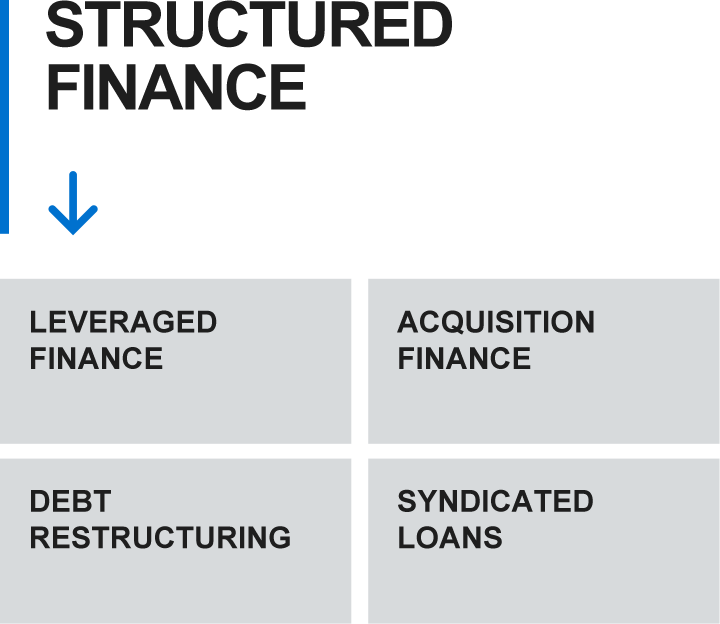
Structured finance has significantly transformed the landscape of capital markets, allowing for tailored financial solutions that meet the complex needs of borrowers and investors alike. Various structured finance transactions have illustrated the strength and adaptability of this financial approach. By examining notable case studies, we can glean insights into their successful outcomes and extract lessons that can be beneficial for future transactions.One remarkable case in structured finance is the securitization of mortgage-backed securities (MBS) during the housing boom of the early 2000s.
These securities played a crucial role in providing liquidity to the mortgage market, enabling banks to offer more loans without significantly increasing their risk exposure. Notably, the issuance of Fannie Mae and Freddie Mac-backed MBS allowed investors to gain exposure to a diversified pool of loans, which often resulted in attractive yields. However, this boom also ended in the 2008 financial crisis, highlighting the critical importance of due diligence and risk assessment in structured finance transactions.
Analysis of Successful Securitization Deals
Several successful securitization deals demonstrate the effective application of structured finance principles. Below are a few notable examples:
1. Ford Motor Company Asset-Backed Securities (ABS)
In 2006, Ford successfully issued ABS backed by its auto loan portfolio. This transaction not only provided Ford with immediate liquidity but also showcased the strength of its credit quality. The vehicle loans were pooled and structured in a way that mitigated risk, leading to a favorable reception in the market.
2. JPMorgan Chase Credit Card ABS
In 2010, JPMorgan Chase issued a credit card ABS that was well-received, even amid economic uncertainty. The deal’s strong performance stemmed from its transparent structure and rigorous underwriting standards, which reassured investors of its robustness.
3. Student Loan Securitization by Nelnet
Nelnet, a leading student loan servicer, successfully securitized its student loan portfolio in 2019. The deal highlighted the increasing demand for education financing and demonstrated how structured finance can provide access to capital for educational institutions while offering investors a reliable return.These examples indicate how well-executed structured finance transactions can yield positive outcomes for both issuers and investors. Each of these case studies offers valuable lessons that can enhance future structured finance transactions:
Importance of Transparency
Clear communication of the underlying assets and the risks involved is crucial for gaining investor confidence.
Rigorous Due Diligence
Thorough assessment of asset quality and market conditions can mitigate risks significantly.
Flexibility in Structuring
Tailoring the structure of financial products to meet specific market needs can enhance appeal and performance.In comparing the outcomes of these case studies, it becomes evident that successful transactions share certain characteristics: a solid foundation of asset quality, a clear understanding of market conditions, and an emphasis on risk management. The lessons gleaned from these examples can serve as a roadmap for future structured finance endeavors, ensuring that they are not only viable but also prosperous in a dynamic financial landscape.
The Future of Structured Finance in a Changing Economic Landscape
The landscape of structured finance is evolving in tandem with global economic changes, requiring industry players to adapt and innovate. As economic uncertainty fluctuates due to various factors such as inflationary pressures, geopolitical tensions, and technological advancements, the future of structured finance holds both challenges and opportunities. This discussion delves into the prospects for structured finance amid current economic trends, identifying potential hurdles while outlining avenues for growth.The structured finance industry has undergone significant transformations over the past decade, particularly following the 2008 financial crisis.
As markets recover and evolve, players in this sector must navigate a complex environment influenced by rising interest rates, regulatory changes, and shifting investor preferences. These economic conditions can impact the demand for structured products, thereby shaping the strategies of financial institutions and investors alike.
Challenges Facing Structured Finance
Several key challenges could impede the progress of structured finance as it adapts to a changing economic landscape.
Regulatory Compliance
Increasingly stringent regulations post-financial crisis require thorough compliance efforts. Adapting to changing rules can incur substantial costs for market participants.
Market Volatility
Ongoing economic uncertainty, including inflation and fluctuating interest rates, may lead investors to be more risk-averse, thereby impacting the demand for structured finance products.
Credit Risk Assessment
As global credit environments shift, accurately assessing the risk associated with structured products becomes more complex. This can result in mispricing and potential losses.
Technological Disruptions
The rapid advancement of technology, particularly in fintech, poses challenges for traditional structured finance models. Companies need to innovate or risk falling behind.
Investor Sentiment
Changing investor preferences towards sustainable and socially responsible investments can affect the types of structured products that are favored in the market. Understanding these challenges is crucial for firms aiming to mitigate risks and leverage opportunities in structured finance.
Opportunities for Growth in Structured Finance
Despite the challenges, the structured finance sector is poised for growth if stakeholders can strategically navigate the landscape. The following points Artikel potential opportunities that the industry can capitalize on:
Increased Demand for Customized Solutions
As businesses seek tailored financing, structured finance can provide innovative products that meet specific needs, enhancing market demand.
Sustainable Finance Products
The rise in ESG (Environmental, Social, Governance) investing offers a unique opportunity for structured finance to develop green bonds and other sustainable structures that attract socially conscious investors.
Technology Integration
Embracing fintech solutions can streamline operations and improve risk management, making structured finance products more attractive and accessible to a broader audience.
Global Market Expansion
Emerging markets present significant opportunities for structured finance, as increased economic development often leads to a higher demand for sophisticated financial products.
Data Analytics and AI
Leveraging advanced analytics can enhance credit risk assessment and pricing models, allowing for more informed decision-making.By recognizing and addressing these dynamics, the structured finance industry can position itself for sustainable growth, even amidst uncertainty. The ability to adapt and innovate in response to changing economic conditions will determine the future trajectory of structured finance.
Last Point
In conclusion, structured finance represents a dynamic and evolving sector that continues to adapt to the needs of the market and regulatory changes. With its innovative products and techniques, it provides significant opportunities for investors and issuers alike. As we look towards the future, understanding the challenges and potential growth areas within structured finance will be essential for stakeholders aiming to navigate this complex and rewarding landscape effectively.
FAQ Resource
What is structured finance?
Structured finance refers to complex financial instruments offered to borrowers with unique needs, often involving multiple layers of risk and investment.
How does structured finance differ from traditional finance?
Unlike traditional finance, which typically relies on straightforward loans and mortgages, structured finance creates customized financing solutions through the use of SPVs and risk redistribution.
What are special purpose vehicles (SPVs)?
SPVs are legal entities created to isolate financial risk and facilitate structured finance transactions, allowing investors to participate in specific projects or assets.
What are the benefits of using structured finance?
Structured finance can provide flexibility, improved risk management, and access to capital for projects that may not qualify for traditional financing.
What role do credit ratings play in structured finance?
Credit ratings help assess the risk associated with structured finance products, influencing investor confidence and pricing of securities.
Are there risks involved in structured finance?
Yes, risks include market volatility, credit risk, and liquidity issues, all of which must be managed through effective risk management strategies.
How have structured finance products evolved?
Structured finance products have evolved to include more sophisticated instruments that incorporate technology and respond to changing market demands and regulations.