Cross border payments are essential for facilitating international trade and commerce, enabling businesses and consumers to engage in transactions across borders. This complex landscape involves various players, including banks, payment service providers, and technology platforms, all of which work together to ensure seamless transactions. As global commerce continues to grow, understanding the fundamentals of cross border payments, including the role of exchange rates and transaction costs, becomes increasingly important.
Moreover, technological advancements have dramatically reshaped the way these payments are conducted. Innovations like blockchain technology and digital wallets have streamlined processes, reduced costs, and improved accessibility. However, navigating the challenges that accompany these transactions, such as regulatory compliance and cybersecurity risks, remains crucial for stakeholders. As businesses and consumers alike benefit from the advantages of cross border payments, the future promises even more exciting developments that will further enhance the global payment landscape.
Understanding the fundamentals of cross-border payments
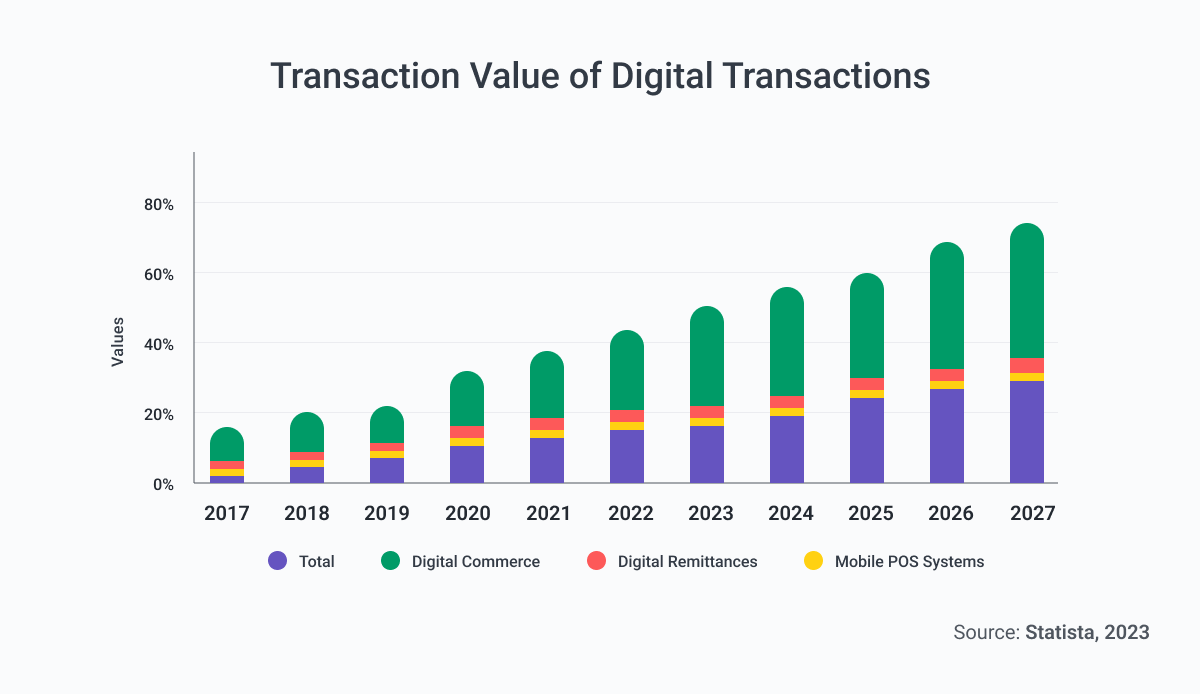
Cross-border payments refer to financial transactions that occur between parties located in different countries. These transactions can involve individuals, businesses, or financial institutions. As globalization continues to evolve, the need for efficient and reliable cross-border payment systems has become increasingly important. Understanding the basic concepts and principles underlying these payments is essential for anyone involved in international trade, personal remittances, or global finance.The primary players involved in cross-border payments include banks, payment service providers, and foreign exchange (FX) markets.
Banks typically act as intermediaries, facilitating transactions between parties by providing the necessary infrastructure for moving funds across borders. Payment service providers, such as PayPal and Stripe, offer digital platforms that enable users to send and receive money internationally with ease. Additionally, the foreign exchange market plays a crucial role in determining the exchange rates between different currencies, influencing the costs associated with cross-border transactions.
Primary players in cross-border payments
The landscape of cross-border payments includes various stakeholders, each with specific roles that contribute to the process. The following are the key players involved:
- Commercial Banks: Traditional banks handle a significant amount of international transactions, providing access to foreign currency accounts and facilitating wire transfers. They establish relationships with correspondent banks to enable payments in multiple currencies.
- Payment Service Providers (PSPs): These entities have emerged as alternatives to banks, offering faster and often cheaper methods for transferring money internationally. Companies like TransferWise (now Wise) and Revolut use technology to streamline the payment process.
- Foreign Exchange Brokers: Forex brokers assist in currency conversion, helping businesses and individuals navigate fluctuating exchange rates. Their role is pivotal in ensuring that the right currency is available at the right time.
- Regulatory Authorities: Governments and regulatory bodies oversee cross-border payment systems to ensure compliance with laws and regulations, including anti-money laundering (AML) measures and customer protection guidelines.
The significance of exchange rates in cross-border payments cannot be overstated. Exchange rates determine the value of one currency in relation to another, which directly affects the amount of money received by the recipient. A favorable exchange rate can enhance the recipient’s value, while an unfavorable rate can lead to higher transaction costs.
Understanding how exchange rates fluctuate is essential for minimizing costs in cross-border payments.
For instance, when a U.S. company pays a supplier in Europe, the exchange rate between the U.S. dollar (USD) and the euro (EUR) will determine how much the company ultimately pays. If the USD strengthens against the EUR, the company will spend less in terms of USD. Conversely, if the USD weakens, the cost in USD increases.
Businesses often use strategies such as forward contracts to hedge against adverse currency movements, ensuring more predictable costs in their transactions. Overall, the interplay between these primary players and the vital role of exchange rates highlight the complexities involved in cross-border payments, making it essential for participants to stay informed and strategically manage their transactions.
Evaluating the technological advancements in cross-border payment systems
The evolution of cross-border payment systems has been significantly shaped by technological advancements, particularly in the realms of blockchain technology and digital wallets. These innovations are transforming how individuals and businesses interact on a global scale, making transactions faster, cheaper, and more secure.
Impact of Blockchain Technology on Cross-Border Payments, Cross border payments
Blockchain technology has emerged as a pivotal force in reshaping cross-border payments. By providing a decentralized ledger, blockchain enhances the transparency and security of transactions. This technology eliminates the need for intermediaries, reducing costs and transaction times significantly. Traditional cross-border payment systems often involve multiple banks and clearinghouses, which can take days to process payments. In contrast, blockchain can facilitate near-instantaneous transfers.One of the most notable benefits of blockchain is its ability to mitigate fraud.
Each transaction is recorded in a secure and immutable manner, making it challenging for malicious actors to alter transaction history. Furthermore, the use of cryptocurrencies for cross-border payments allows for real-time settlements, which can be particularly beneficial for businesses that depend on quick cash flow.An example of blockchain’s impact can be seen in Ripple, a technology that enables secure, instant international payments.
Many banks are beginning to adopt Ripple’s solutions, which utilize its cryptocurrency, XRP, to facilitate transactions across borders in a swift and cost-effective manner.
Transformation through Digital Wallets
Digital wallets have revolutionized the way individuals and businesses conduct cross-border transactions. Their convenience and accessibility have made them an attractive option for users seeking to manage their financial activities across different countries. Digital wallets allow users to store multiple currencies and make transactions without the need for traditional banking services.The rise of digital wallets like PayPal, Venmo, and Apple Pay has simplified the payment process, enabling users to send money internationally with just a few clicks on their smartphones.
These platforms typically charge lower fees compared to traditional banks, making them more appealing for users who engage in frequent cross-border transactions.Furthermore, digital wallets often integrate with e-commerce platforms, allowing businesses to expand their market reach without heavy investments in payment infrastructure. This not only boosts sales but also enhances customer satisfaction, as consumers prefer the ease of making payments through familiar platforms.
Innovative Financial Technologies Enhancing Efficiency
A variety of innovative financial technologies have emerged to enhance the efficiency of cross-border payments. These technologies focus on streamlining processes, minimizing costs, and improving user experiences. Key advancements include:
- Artificial Intelligence: AI is being used to optimize currency conversion rates and detect fraudulent activities in real-time, improving the reliability and security of transactions.
- Payment APIs: Payment Application Programming Interfaces (APIs) allow businesses to integrate payment solutions directly into their platforms, facilitating seamless transactions with minimal friction.
- RegTech Solutions: Regulatory technology helps businesses navigate complex regulations in different jurisdictions, ensuring compliance and reducing the risk of penalties during cross-border transactions.
- Instant Payment Systems: Innovations like the Faster Payments Service (FPS) in the UK enable real-time payments, enhancing the speed at which money can be transferred across borders.
These technologies not only enhance the speed and security of cross-border payments but also foster greater financial inclusion, allowing more businesses and individuals to participate in the global economy effectively.
Analyzing the challenges faced in cross-border payment transactions
Cross-border payment transactions have seen significant growth with the rise of globalization and e-commerce. However, several challenges hinder the seamless flow of these transactions, affecting businesses and consumers alike. Understanding these obstacles is crucial for financial institutions and payment service providers to enhance their services and ensure secure, efficient transactions across borders.
Obstacles to Seamless Transactions
Three major obstacles that significantly inhibit efficient cross-border payments include currency conversion complexities, transaction speed, and high fees. Each of these factors can lead to delays and increased costs for users.
- Currency Conversion Complexities: Fluctuations in exchange rates can impact the amount received by the beneficiary. Businesses engaging in cross-border transactions often face the risk of losing out on potential profits due to unfavorable exchange rates.
- Transaction Speed: Cross-border transactions can take several days to process, especially when involving multiple intermediaries. This delay can disrupt cash flow for businesses, leading to operational inefficiencies.
- High Fees: Many payment service providers charge high fees for cross-border transactions, which can discourage businesses from engaging in international trade. These fees can accumulate, affecting the final cost of goods and services.
Regulatory Compliance Issues
International payment service providers must navigate a complex web of regulatory compliance requirements that vary from one jurisdiction to another. These regulations are designed to combat money laundering, terrorist financing, and fraud, but they can also complicate the payment process.
- KYC and AML Regulations: Know Your Customer (KYC) and Anti-Money Laundering (AML) regulations require payment providers to verify the identity of their clients and monitor transactions for suspicious activity. This process can slow down transactions and require additional resources.
- Data Privacy Laws: Different countries have varying data protection laws that payment providers must comply with, such as the General Data Protection Regulation (GDPR) in the European Union. Non-compliance can lead to hefty fines and reputational damage.
- Licensing Requirements: Payment service providers often need specific licenses to operate in different regions. Obtaining these licenses can be time-consuming and costly, further complicating the ability to offer cross-border services.
Risks Associated with Fraud and Cybersecurity
The rise of cross-border payments has also led to an increase in fraud and cybersecurity risks, making it vital for payment services to implement robust security measures.
- Fraud Risks: Cross-border transactions can be more susceptible to fraud due to the lack of face-to-face interaction and varying degrees of transaction verification. Fraudsters exploit these weaknesses, leading to significant financial losses for businesses.
- Cybersecurity Threats: Payment service providers are prime targets for cyberattacks. Data breaches can result in the exposure of sensitive customer information, leading to financial repercussions and loss of trust.
- Chargeback and Dispute Risks: Handling chargebacks in cross-border transactions can be complicated due to differing regulations and practices in various countries. This can lead to increased operational costs and disputes over transactions.
Exploring the benefits of cross-border payments for businesses and consumers
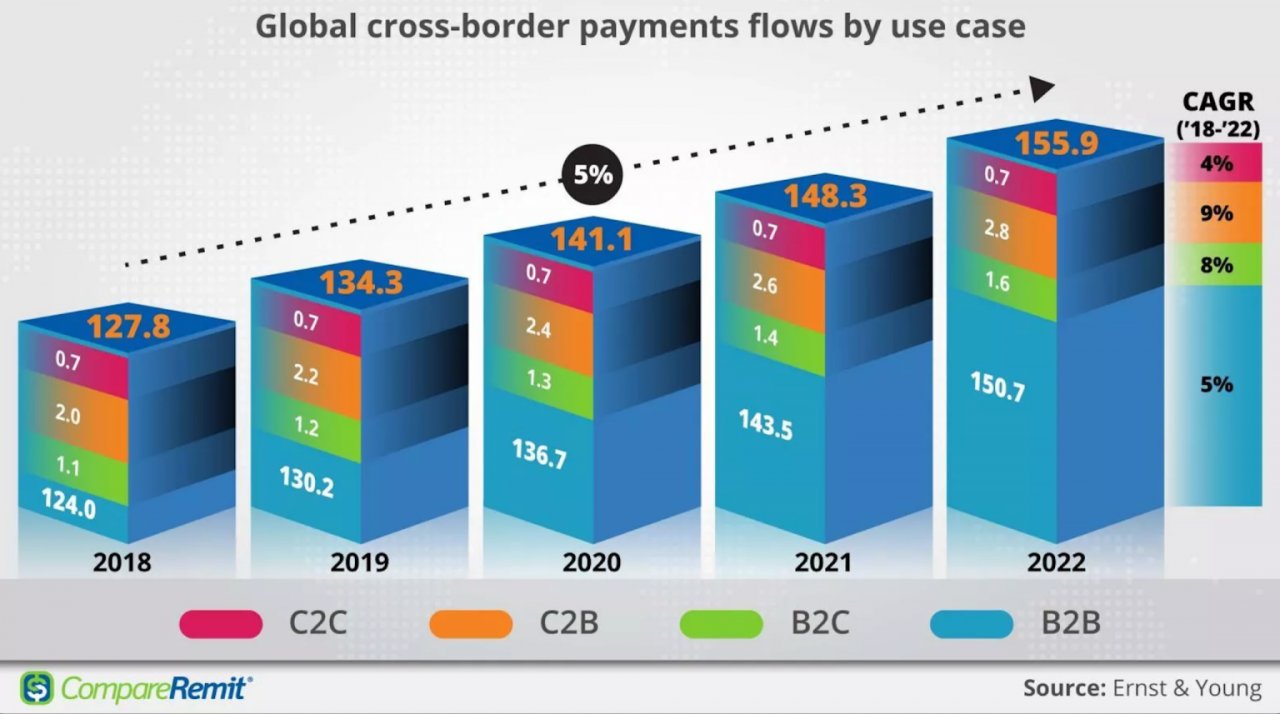
Cross-border payments have emerged as a vital component of the global economy, enabling businesses and consumers to transact across borders with increased ease and efficiency. The benefits of these transactions extend beyond mere convenience, offering significant advantages in terms of cost savings, speed, and flexibility. Understanding these benefits is essential for both businesses and consumers that operate in today’s interconnected marketplace.
Advantages for International Businesses
International businesses stand to gain a multitude of advantages from cross-border payment systems. One of the primary benefits is the ability to access new markets and expand their customer base. By facilitating seamless international transactions, businesses can engage with customers from different countries without the constraints of local payment methods. Here are some notable advantages:
Increased Revenue Opportunities
Companies can tap into global markets, allowing them to increase sales potential significantly.
Competitive Pricing
With streamlined payment processes, businesses can offer competitive pricing to international customers, which can enhance their market position.
Improved Cash Flow
Faster transaction processing times can lead to improved cash flow, allowing businesses to reinvest in operations or pay suppliers more promptly.Cross-border payment platforms often leverage technology to reduce transaction times and costs. For example, companies like PayPal and TransferWise (now Wise) provide businesses with the tools to convert foreign currencies at competitive rates, minimizing losses during currency exchange.
Consumer Benefits from Multiple Payment Options
Consumers also experience several advantages from the availability of diverse payment options in cross-border transactions. The convenience of using different payment methods enhances the shopping experience and instills confidence in purchasing from international vendors. Key benefits include:
Diverse Payment Methods
Options such as credit/debit cards, e-wallets, and local payment systems provide consumers with flexibility and choice.
Currency Conversion
Many platforms offer real-time currency conversion, allowing consumers to understand the cost of their purchases immediately, mitigating any surprises at checkout.
Enhanced Security
Advanced security protocols in cross-border payment systems help protect consumer data, fostering trust in international transactions.For example, a consumer in Europe shopping on an Asian e-commerce site can choose to pay with their preferred local payment method while benefiting from a transparent conversion rate. This not only makes the transaction smoother but also encourages cross-border shopping.
Cost Savings and Efficiency Improvements for Businesses
The cost savings and efficiency improvements that businesses experience through streamlined cross-border payment processes are substantial. By switching to modern payment solutions, companies can reduce overhead costs associated with traditional banking methods. Here’s a breakdown of these enhancements:
Lower Transaction Fees
Traditional banks often impose hefty fees for international transfers. Alternative platforms can significantly lower these costs, enhancing profitability.
Faster Payment Settlements
Transactions that once took several days can now be completed in real-time, allowing businesses to operate more efficiently.
Data Insights
Many cross-border payment solutions provide analytical tools that businesses can use to track sales, manage expenses, and strategize future growth based on data-driven insights.Consider a scenario where a small e-commerce business transitions from bank wire transfers to a platform like Stripe. The business could save up to 3% on transaction fees and process payments in minutes rather than days.
This increased efficiency not only saves money but also improves customer satisfaction as consumers appreciate quicker transaction confirmations.
Investigating the future trends in cross-border payments
The landscape of cross-border payments is on the brink of significant transformation, driven by advancements in technology and evolving consumer expectations. As globalization continues to rise, the need for seamless, fast, and cost-effective payment solutions across borders becomes increasingly crucial. Stakeholders, including financial institutions, fintech companies, and regulators, are actively exploring innovations that could redefine the way transactions are conducted internationally.Anticipated advancements in payment technologies, such as blockchain, artificial intelligence (AI), and digital currencies, are expected to play a pivotal role in shaping the future of cross-border transactions.
Blockchain technology offers a decentralized and transparent way to process payments, significantly reducing transaction times and costs. Smart contracts can automate payment processes, minimizing human intervention and errors. Moreover, AI can enhance fraud detection and risk management, ensuring safer transactions for users. Central bank digital currencies (CBDCs) are also gaining traction, with various countries testing their implementation, potentially streamlining cross-border payments and reducing reliance on traditional banking systems.
Emerging trends and their potential impact
Here is a table highlighting emerging trends in cross-border payments along with their potential impact on the payment landscape:
| Trend | Description | Potential Impact |
|---|---|---|
| Blockchain Technology | Utilization of decentralized ledgers to facilitate quicker and more secure transactions. | Improved transaction efficiency and reduced costs. |
| Artificial Intelligence | Integration of AI for better fraud detection and risk assessment. | Enhanced security and trust in cross-border transactions. |
| Central Bank Digital Currencies | Development of digital currencies by central banks for simplified cross-border payments. | Greater accessibility and reduced settlement times. |
| Payment Service Providers | Expansion of platforms that facilitate international payments at lower costs. | Increased competition leading to better services and lower fees. |
| Regulatory Changes | Adaptation of regulations to accommodate new payment technologies. | Fostering innovation while ensuring consumer protection. |
Government policies and regulations play a crucial role in shaping the evolution of cross-border payments. They can either facilitate innovation or impose barriers that hinder progress. For instance, regulations that promote competition among payment service providers can lead to enhanced services and lower costs for consumers. On the other hand, overly stringent regulations can stifle technological innovation and limit access to new payment solutions.
The balance between regulation and innovation is essential to ensure that cross-border payments remain efficient, secure, and inclusive.
“Regulatory frameworks must evolve alongside technological advancements to support the growth of cross-border payment systems.”
Comparing traditional banking methods with modern alternatives in cross-border payments
Cross-border payments have long been a vital aspect of global commerce, enabling individuals and businesses to transact across borders. In recent years, the landscape of these payments has evolved significantly. Traditional banking methods, while established and reliable, often come with limitations that modern alternatives are addressing. Below, we will explore key comparisons between these two approaches, focusing on cost, speed, and accessibility.
Traditional Banking Methods
Traditional banking methods for cross-border payments typically include wire transfers, bank drafts, and checks. Each of these methods has its own set of characteristics that affect their viability in today’s fast-paced financial environment.
- Wire Transfers: Wire transfers are one of the most commonly used methods for sending money across borders. They are generally secure and reliable but can be costly due to service fees and unfavorable exchange rates. Additionally, wire transfers can take anywhere from a few hours to several days to process, depending on the banks involved. For example, sending money from the USA to Europe could take 1-3 business days, making it less ideal for urgent transfers.
- Bank Drafts: Bank drafts are another traditional method where a bank issues a check on behalf of a sender. While they are considered safe and can be used internationally, they often involve longer processing times and higher fees. The recipient may also face delays in cashing the draft, especially if they are outside the issuing bank’s network. For instance, a business sending a bank draft to a supplier in another country may experience significant delays, impacting their operations.
- Checks: Although checks can be used for international payments, they are becoming increasingly obsolete due to their slow processing times and potential for fraud. When sent abroad, checks can take weeks to clear, and recipients may face high fees to deposit them. This method is often not preferred for time-sensitive transactions, such as paying for goods that need to be shipped immediately.
Modern Alternatives
On the other hand, modern alternatives in cross-border payments include services like PayPal, cryptocurrencies, and fintech companies like TransferWise (now Wise) or Revolut. These alternatives are transforming the way money moves internationally.
- Digital Wallets (e.g., PayPal): Digital wallets allow for quick and easy transfers, often completed within minutes. They are user-friendly and accessible via smartphones, making them a popular choice for individuals and small businesses. However, service fees can add up, particularly for currency conversions. For example, a freelancer in the US receiving a payment from a client in Europe may prefer PayPal for its speed and convenience, despite the fees involved.
- Cryptocurrencies: Cryptocurrencies like Bitcoin and Ethereum offer an innovative way to make cross-border payments without traditional banking fees. Transactions can be completed in a matter of minutes and often come with lower transaction costs. However, the volatility of cryptocurrency values can pose risks. For instance, a company paying an overseas supplier in Bitcoin may benefit from reduced fees, but the fluctuating value might leave them uncertain about the amount the supplier ultimately receives.
- Fintech Solutions: Companies like Wise and Revolut specialize in cross-border payments, often providing better exchange rates and lower fees compared to traditional banks. They utilize advanced technology to facilitate quick transactions, frequently completed within hours. For example, a startup looking to expand into international markets may opt for Wise to manage their payments efficiently while minimizing costs.
In summary, while traditional banking methods provide a degree of reliability and security, they often fall short in terms of speed and cost-effectiveness compared to modern alternatives. Each method has its own advantages and disadvantages, making the choice dependent on specific needs and situations. For urgent or cost-sensitive transactions, modern solutions are increasingly becoming the preferred choice for individuals and businesses alike.
Discussing the impact of currency fluctuations on cross-border payments
Currency fluctuations play a pivotal role in shaping the landscape of cross-border payments. As businesses engage in international trade, they often encounter varying exchange rates that can significantly influence the cost of transactions. Companies must navigate these fluctuations carefully to manage their financial exposure and maintain profitability. The volatility of currency exchange rates can lead to either unexpected costs or, conversely, unanticipated savings in cross-border transactions, which can adversely affect margins and pricing strategies.Currency fluctuations impact the cost of cross-border transactions in several ways.
When a business pays for goods or services in a foreign currency, the exchange rate at the time of the transaction determines the final amount payable. If the currency strengthens after a transaction is initiated, the cost in the home currency may rise, thereby increasing expenses. Conversely, if the currency weakens, the cost may decrease. This unpredictability can create significant challenges for companies, particularly small and medium enterprises (SMEs) that may lack the financial resources to absorb sudden changes in exchange rates.
Strategies to Mitigate Risks Associated with Currency Exchange Rates
To effectively manage the risks associated with currency fluctuations, businesses can implement several strategies. These strategies help shield companies from the adverse effects of volatile exchange rates and provide a more predictable financial environment.
- Forward Contracts: Businesses can use forward contracts to lock in exchange rates for future transactions. This means they can secure a specific rate today for transactions occurring at a later date, providing budget certainty.
- Currency Options: Options give businesses the right, but not the obligation, to exchange currency at a predetermined rate, allowing them to benefit from favorable movements without being exposed to unfavorable ones.
- Diversification of Currency Exposure: By diversifying the currencies in which they conduct business, companies can reduce their overall risk. This strategy involves engaging in transactions in multiple currencies to spread exposure.
- Regular Monitoring and Analysis: Keeping a close eye on currency trends and economic indicators helps businesses anticipate fluctuations and make informed decisions on timing for transactions.
To illustrate the effects of sudden currency changes on international trade, consider the case of a U.S.-based manufacturer exporting goods to Europe. In 2020, when the Euro weakened against the U.S. dollar, the manufacturer faced reduced revenue when converting sales back to their home currency. Conversely, in 2021, when the Euro strengthened, the same manufacturer benefited from higher revenue, leading to increased profits.
Another example can be seen in the case of a Canadian company exporting to Japan, where the unpredictable fluctuations in the Japanese Yen led to significant changes in pricing strategies and profit margins, illustrating the critical need for effective currency risk management.By adopting these strategies, businesses can better navigate the complexities of cross-border payments, ensuring they remain competitive in the global marketplace.
Final Summary: Cross Border Payments
In conclusion, cross border payments play a pivotal role in connecting economies and facilitating international trade. While there are challenges to address, the benefits for businesses and consumers alike are significant, offering cost efficiencies and greater access to global markets. As we look ahead, the evolving trends in payment technologies, regulations, and currency strategies will continue to shape the future of cross border payments, making it an area worth monitoring closely.
Clarifying Questions
What are cross border payments?
Cross border payments refer to transactions where money is transferred between parties located in different countries, often involving currency exchange.
Why are exchange rates important in cross border payments?
Exchange rates determine the value of one currency in relation to another, affecting the total cost of transactions and ultimately influencing the profitability of international trade.
What challenges do businesses face with cross border payments?
Businesses often encounter challenges such as varying regulations, high transaction fees, and risks of fraud and cybersecurity threats when making cross border payments.
How does blockchain technology aid cross border payments?
Blockchain technology enhances cross border payments by enabling faster, more secure transactions with lower fees, reducing the need for intermediaries.
What are the benefits of digital wallets for cross border payments?
Digital wallets simplify the payment process by allowing users to store multiple currencies, making it easier to conduct cross border transactions with lower costs and improved convenience.
How can businesses mitigate currency fluctuation risks?
Businesses can mitigate risks associated with currency fluctuations by using hedging strategies, such as forward contracts or options, to lock in exchange rates.